
Octopus and CATL bring battery-swapping hubs to UK
Octopus Energy and CATL have formed a joint venture to develop a major battery-swapping network for electric heavy goods vehicles (HGVs) across the UK and Europe, aiming to accelerate the decarbonisation of road freight.
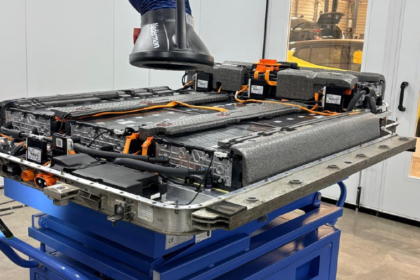
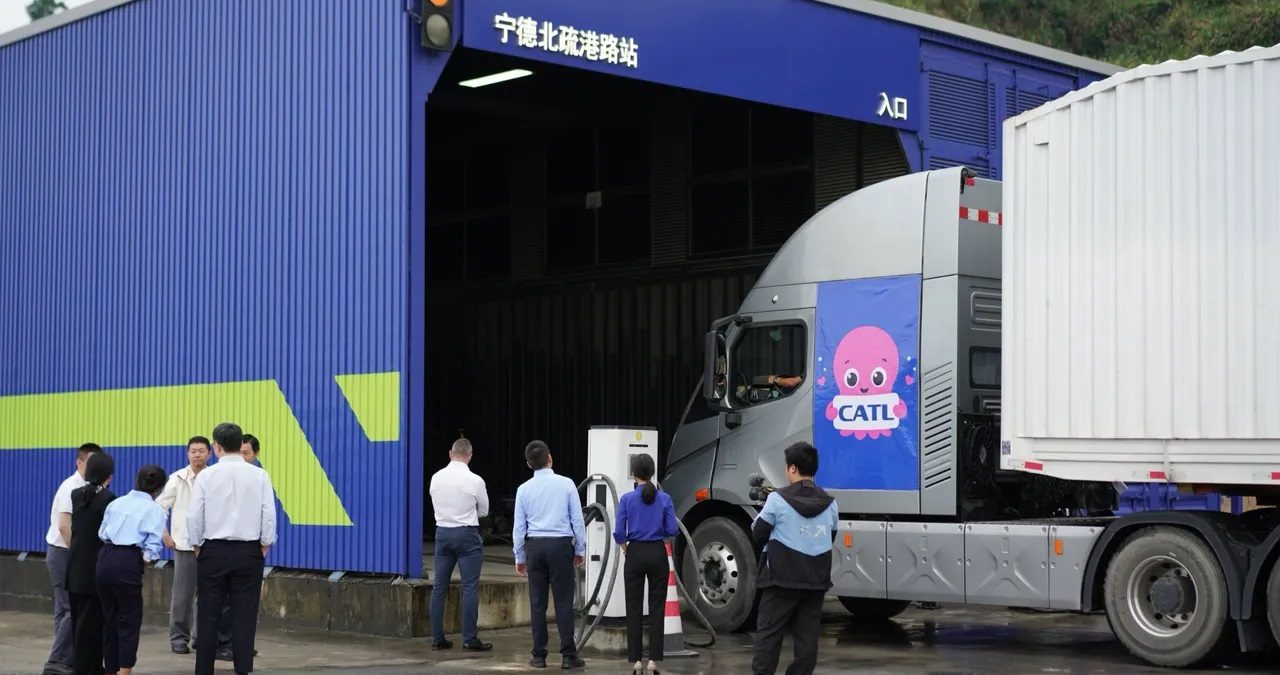
The new venture, called Swaptopus, will establish a network of battery-swapping hubs that enable electric HGVs to exchange depleted batteries for fully charged replacements in just a few minutes. By removing lengthy charging times, the partners hope to overcome one of the biggest challenges facing the widespread adoption of electric trucks.
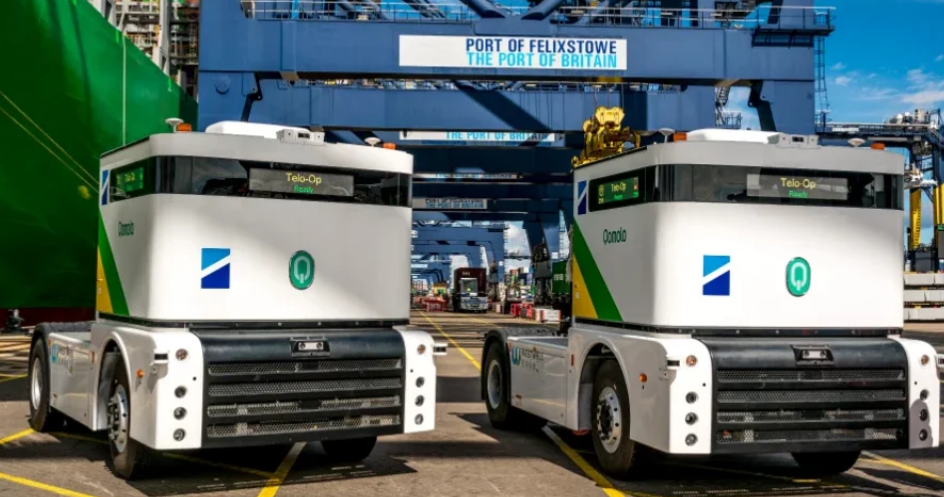
The first UK mega hubs are expected to open in 2027, with around 30 sites planned by 2035. Each hub will be designed to service thousands of electric trucks every day, creating a high-capacity charging alternative for commercial fleets.
Once the network is fully operational, Octopus Energy and CATL believe it could support up to 300,000 electric HGVs while unlocking more than £30 billion of private investment in clean transport infrastructure.
Swaptopus combines CATL’s extensive expertise in battery-swapping technology, which has already been deployed successfully across China, with Octopus Energy’s experience in delivering innovative energy solutions.
The partnership is also exploring opportunities to expand Vehicle-to-Grid (V2G) technology across CATL’s global network of automotive partners. By enabling batteries at swapping stations to store and return electricity to the grid when demand is high, the network could help improve grid stability while reducing energy costs.
William Rowe, CEO and Founder of Swaptopus, said: “We believe the future of land based transport is electric and autonomous, and battery swapping is a massive part of the enabling infrastructure.
“Not only does it significantly reduce down time but since the batteries at the swapping stations can be charged and discharged when the grid needs it, they act as a virtual power plant and in turn lower costs for consumers.”
Dr Robin Zeng, Chairman and CEO of CATL, said: “Battery swapping will be a significant part of the future of commercial transport.
“We have field-proven this technology in China, and we are delighted to bring it to the UK and Europe as part of our joint venture with Octopus.”