
Volkswagen pauses electric Golf development
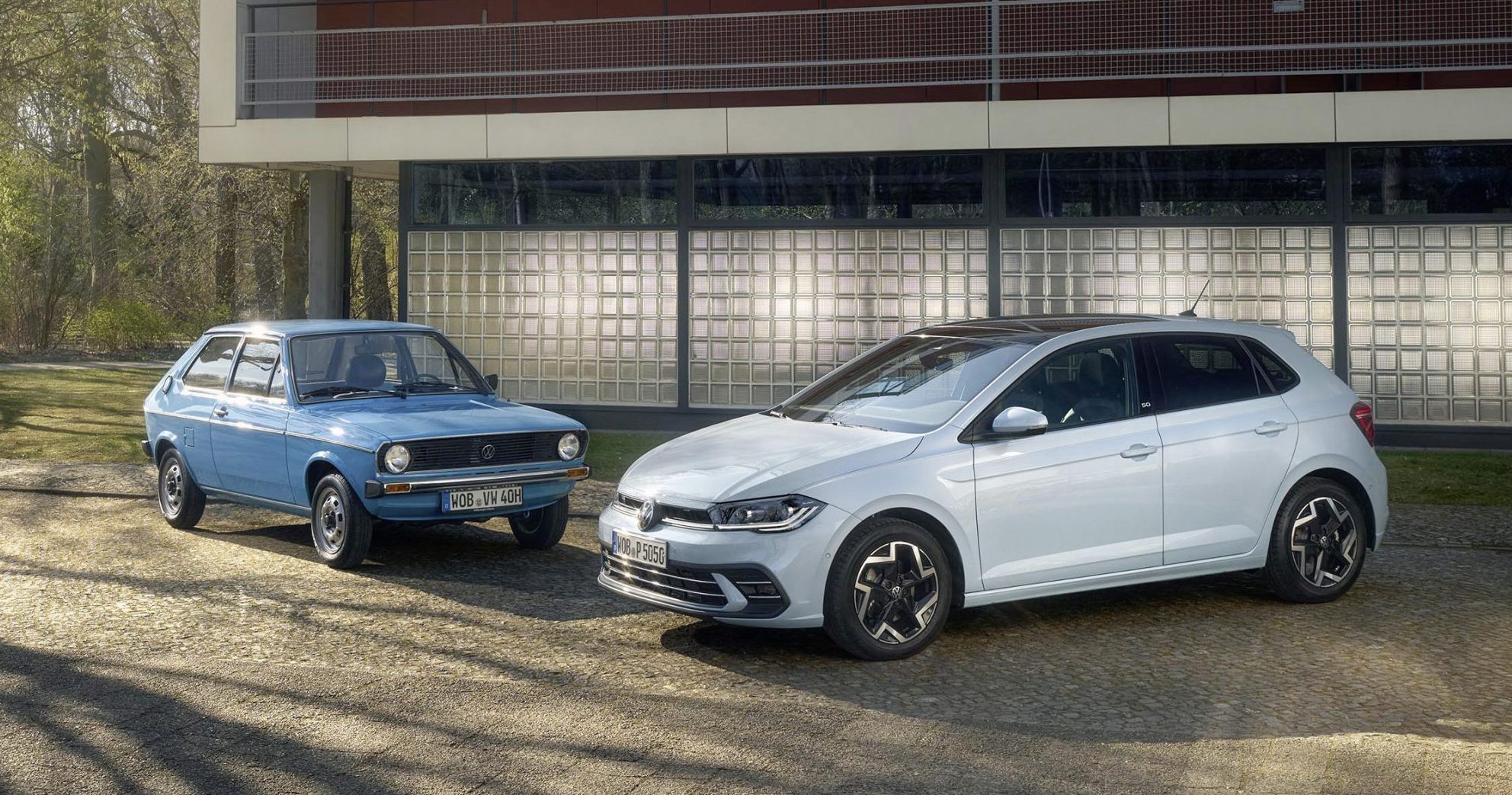
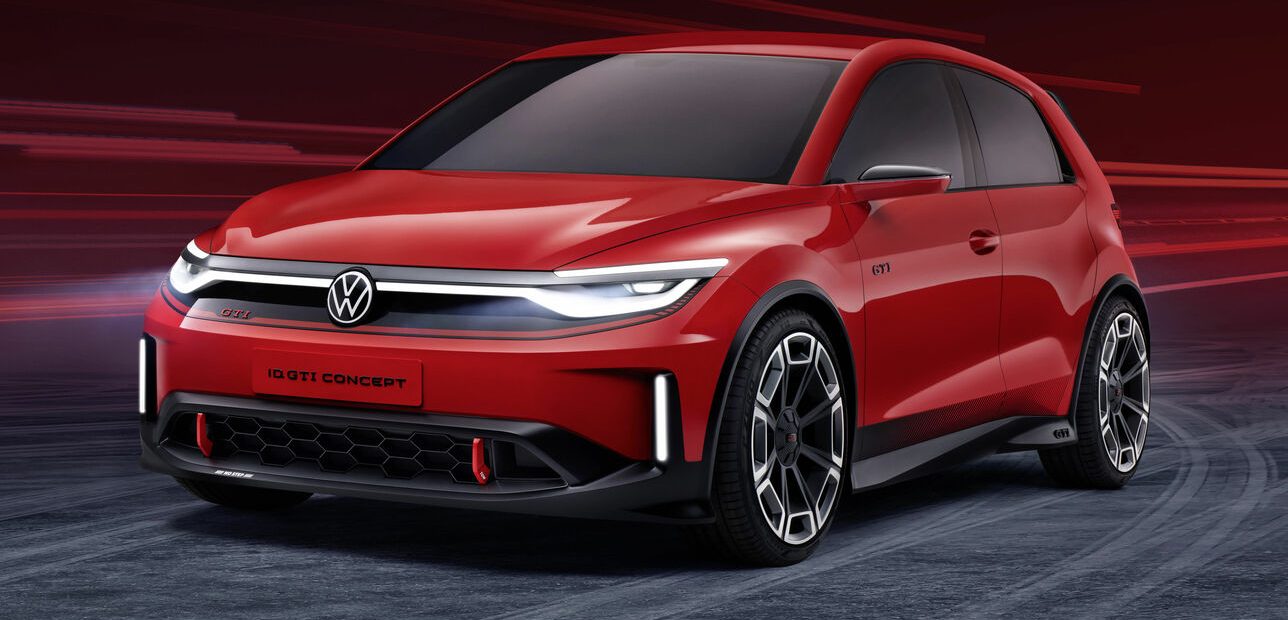
Volkswagen has paused development of the electric ID. Golf because it cannot afford the work right now. The decision hits the heart of the brand. The Golf has defined Volkswagen for five decades, and Wolfsburg builds it. For fleet managers planning future line-ups, the move adds more uncertainty to a model that was already late.
Why Volkswagen has paused the ID. Golf
Volkswagen confirmed the pause while discussing its results for the first nine months of the year. David Powels, CFO of the VW brand and Brand Group Core, explained the thinking. “One specific measure is therefore to temporarily pause development work on the future ID. Golf at the VW brand until we can securely accommodate the necessary investments,” he said.
Thomas Schaefer, CEO of Volkswagen‘s volume brands, was equally frank in an internal memo seen by Reuters. “I know what the Golf means for Volkswagen and for Wolfsburg. That’s why this decision was really not an easy one for us,” he said. He added: “We simply can’t afford this work right now.”
German reports quote Schaefer calling the situation serious and describing the savings programme as a marathon, though he said a small sprint would help right now. Volkswagen describes the measure as temporary, but it has not said when development will restart.
Wolfsburg’s €300 million gap
The pressure centres on Wolfsburg. According to the memo, the plant faces a €300 million shortfall against its cost-cutting target. That figure refers to the plant’s savings goal for the year, not the cost of the Golf itself. Wolfsburg is not among the sites facing possible closure. The Emden and Zwickau plants, by contrast, are on track to reduce their factory costs.
The wider figures show why Volkswagen is cutting so hard. Operating profit at the core Volkswagen Passenger Cars brand fell from €1.48 billion to €813 million in the first nine months, and the operating return on sales stood at 1.3 per cent. Cheaper Chinese rivals are also increasing price pressure in Volkswagen’s home market.
The ID. Golf matters to the group’s wider plans too. It is one of the first vehicles planned for SSP, a group-wide platform designed to reduce complexity and lower production costs. A pause on a flagship SSP model therefore sends a clear signal about how tight budgets have become.
What the pause means for the Golf and Wolfsburg
Volkswagen’s works council has tried to calm nerves. It says the suspension will not delay the launch and that the company will make up the lost time. Not everyone is convinced. German reporting says it remains open whether the electric Golf can still launch in the early 2030s as planned. The model had already slipped from 2028 to around 2030.
The platform adds to the doubt. Schaefer has said SSP will roll out to Audi first, then Porsche, then Volkswagen. The ID. Golf therefore sits near the back of the queue.
The petrol Golf complicates the picture further. Production of the combustion model is due to move from Wolfsburg to Mexico in 2027, which leaves the plant’s long-term Golf role resting on the electric version. Autocar has reported that Volkswagen may reconsider the Mexico move. The current Golf could also receive another facelift in 2027 and soldier on for longer than planned.
What it means for fleets
Fleet managers should not treat the pause as a reason to stall electrification plans. The electric Golf was never close. Any driver who needs a Golf-sized car in the next few years will still choose between the petrol and hybrid models and existing electric alternatives.
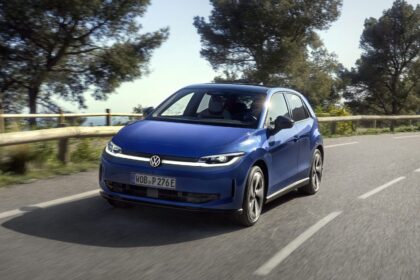
Volkswagen’s electric range is also growing, with the ID. Polo, the updated ID.3 Neo and the incoming ID. Cross all due. The ID.3 Neo is the nearest electric rival to the Golf today. Electric company cars still carry lower benefit-in-kind rates than petrol equivalents, so waiting for a new model rarely pays.
Contract terms deserve attention. Shorter terms or flexible break clauses protect you if Volkswagen changes the Golf’s timetable again. Ask your dealer or leasing partner about supply for the current petrol Golf, because its life now looks longer than expected. Residual value forecasts may also shift as the line-up changes.
What to watch next
Three things will show how serious the delay is. First, Volkswagen must name a restart date for ID. Golf development. Second, Wolfsburg needs to close its €300 million gap. Third, the company has to settle whether the petrol Golf really leaves Germany in 2027.
For now, Volkswagen’s message is plain. It wants the electric Golf, but it cannot pay for it yet. Fleetpoint will keep tracking developments as the carmaker updates its plans.