
Paris Motor Show 2026: The cars that stole the show
The 2026 Paris Motor Show has delivered a striking mix of retro-inspired designs, electric performance cars and technology-led newcomers. European manufacturers have used the event to showcase their future ambitions, while Chinese brands have demonstrated why competition in the electric vehicle market continues to intensify.
Among the biggest talking points are the return of the Citroën 2CV, Peugeot’s radical electric concepts and Volkswagen’s updated electric SUV. Renault, Alpine, Fiat and DS have also attracted attention with designs that could influence their future model ranges.
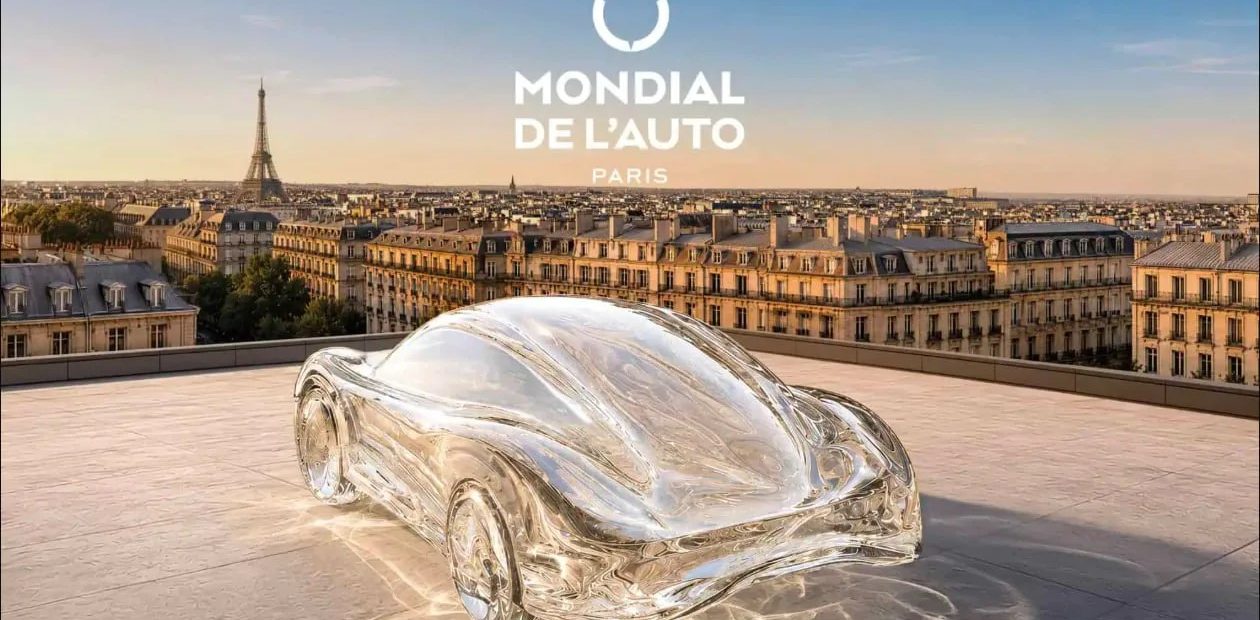
The show, known as Mondial de l’Auto, opened to the public on 13 October at Paris Expo Porte de Versailles. Its latest edition has reinforced the importance of traditional motor shows as manufacturers compete for attention in an increasingly crowded market.
Automotive journalists have praised the range of new designs and the renewed energy surrounding the event. However, industry analysts have also questioned whether manufacturers can turn eye-catching concepts into affordable production vehicles quickly enough.
Citroën 2CV returns with an electric future
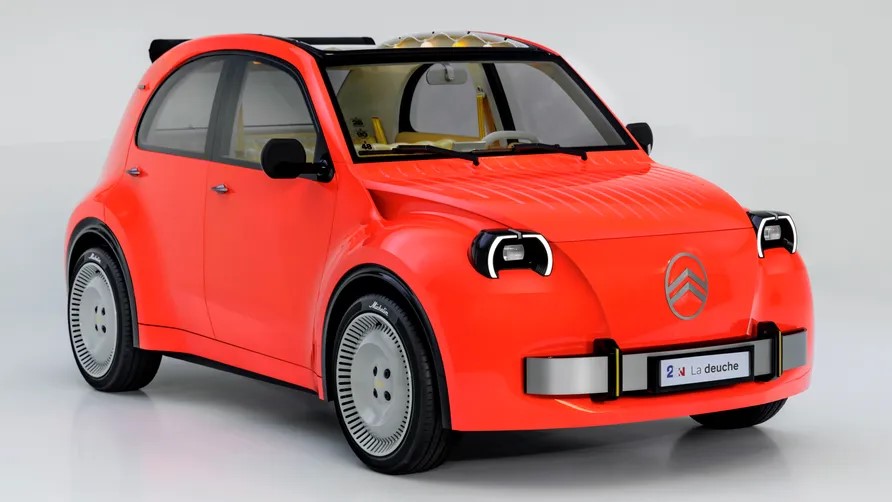
One of the most talked-about attractions is Citroën’s revival of the iconic 2CV. The original became a symbol of affordable, practical motoring, and its return taps into a growing appetite for distinctive designs with strong historical connections.
The new concept retains the original’s recognisable character while adopting a modern, minimalist approach. Citroën is targeting a lightweight design, with a development goal of around 1,000kg.
Reports indicate that the proposed entry price could be approximately €15,000. If the manufacturer can deliver on that ambition, the car could offer an interesting alternative for buyers seeking affordable electric transport.
The revival also reflects a wider trend across the show. Rather than relying entirely on futuristic styling, European manufacturers are revisiting successful designs from their past.
The challenge will be to preserve the 2CV’s simplicity while meeting modern expectations for safety, comfort and electric driving range. The concept has generated considerable interest, although its final production specification and UK availability remain important unanswered questions.
Peugeot delivers two striking electric concepts
Peugeot has made a particularly strong impression with two electric concepts: the RCZ Vision sports coupe and the E-T16 rally-inspired performance car.
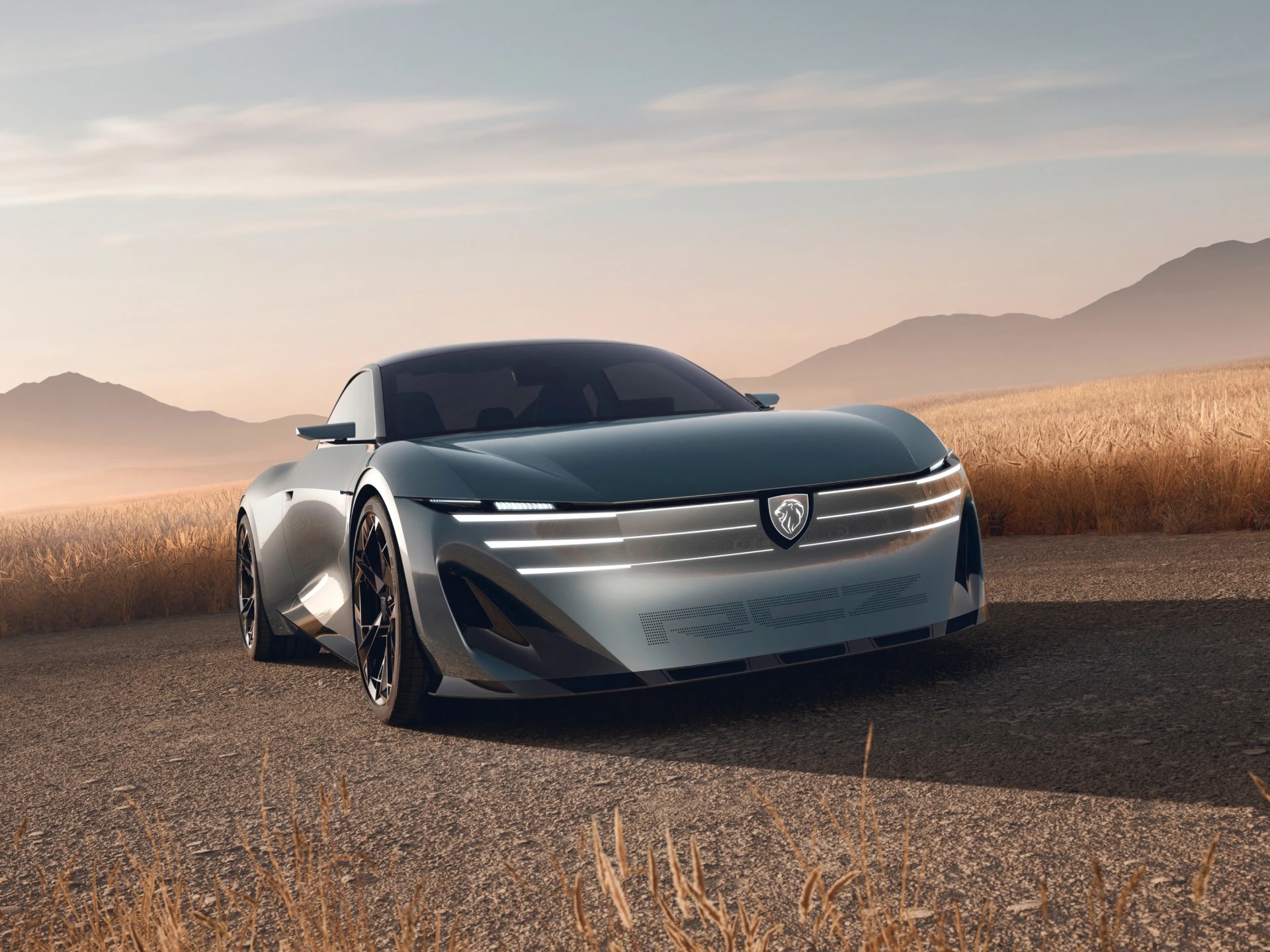
The RCZ Vision revisits the spirit of Peugeot’s former RCZ coupe. Its dramatic proportions, distinctive lighting and double-bubble glass roof give it a striking appearance.
The concept also previews technology that could influence future Peugeot models. Its proposed specification includes a 1,000-volt solid-state battery, 500 horsepower and a claimed range of around 372 miles. Peugeot has also highlighted the potential for charging from 10% to 80% in approximately 10 minutes.
These figures remain concept-car claims rather than independently verified production results. Nevertheless, they illustrate the performance and charging ambitions manufacturers are pursuing.
The E-T16 takes a different approach. Inspired by the legendary 205 T16 rally car, it combines aggressive styling with an electric powertrain producing a reported 816 horsepower.
Peugeot claims the concept could accelerate from zero to 62mph in 2.5 seconds. It also incorporates cooling technology designed to sustain performance during demanding driving.
Neither concept represents a straightforward production-ready vehicle. However, they demonstrate how Peugeot intends to combine its motorsport heritage with electric technology.
For fleet operators, the immediate relevance lies less in outright performance and more in the battery, charging and thermal-management technologies that could eventually reach mainstream vehicles.
Volkswagen ID. Tiguan signals a new direction
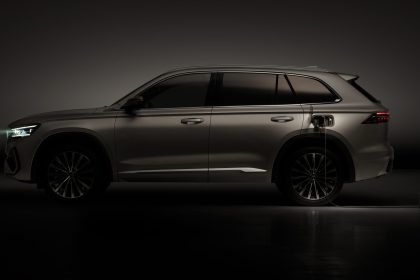
Volkswagen has used Paris to present its updated electric family SUV, the ID. Tiguan, formerly known as the ID.4.
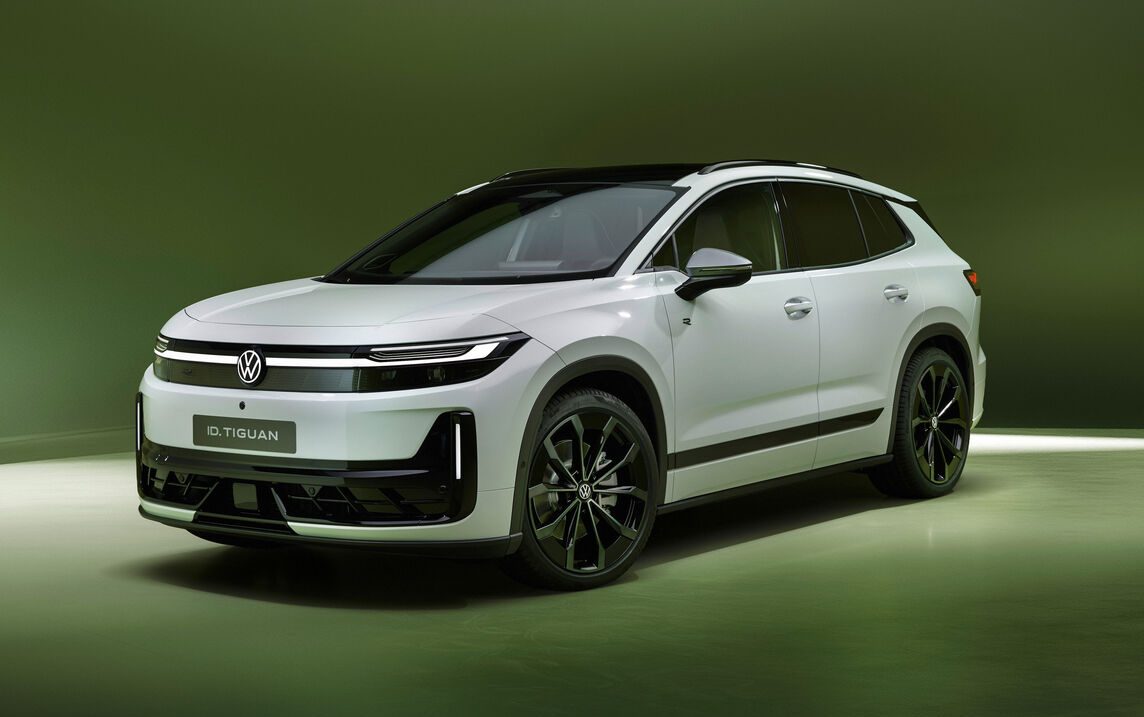
The revised name brings the electric model closer to the familiar Tiguan identity. That could help Volkswagen appeal to customers who recognise the established name but have yet to consider an electric vehicle.
The updated model also features a redesigned interior and refreshed styling. Its debut forms part of Volkswagen’s wider effort to strengthen its electric offering against increasingly capable competitors.
For company-car decision-makers, electric SUVs remain an important segment. They can provide the space and practicality required by business users while offering the potential for lower running costs, depending on charging arrangements, mileage and electricity prices.
However, manufacturers must balance range, charging performance and purchase prices if they want to persuade more businesses to switch from petrol and diesel vehicles.
Volkswagen’s strategy also highlights a wider industry challenge: European manufacturers must improve their electric products while responding to the speed and pricing strategies of Chinese rivals.
Alpine, Renault and Fiat embrace bold new designs
Alpine’s A310 Vision is another standout concept. Its dramatic sports-car styling suggests a possible expansion of the brand’s electric performance range beyond the A110.
The concept signals Alpine’s ambitions to compete in a more premium segment. However, the manufacturer has not confirmed a production version.
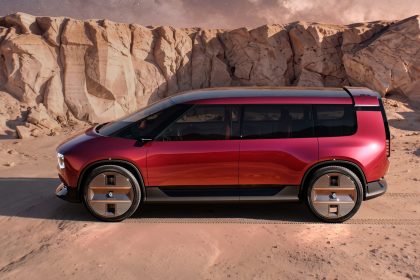
Renault has also attracted attention with the E-Space, a futuristic people carrier that could help revive interest in the MPV format. The concept reflects demand for practical family vehicles that offer more flexibility than conventional SUVs.
Fiat has presented similarly imaginative ideas, including the Multiplay, which blends characteristics of SUVs, MPVs and pick-up vehicles. Its Grizzly SUV also points towards a broader approach to future powertrain choices.
These concepts underline the continuing importance of design differentiation. Manufacturers are looking for ways to make electric vehicles feel distinctive rather than simply replacing combustion engines with batteries.
Chinese manufacturers increase the pressure
While European brands have delivered memorable concepts, Chinese manufacturers have made their growing influence impossible to ignore.
Around 20 Chinese vehicle brands attended this year’s show, compared with nine at the previous edition in 2024, according to reporting by the Wall Street Journal. Their presence reflects the rapid expansion of Chinese manufacturers across European markets.
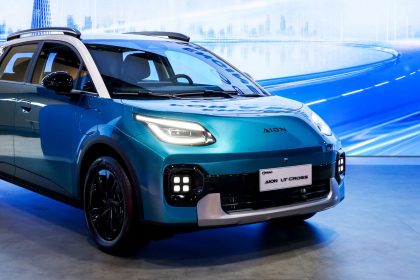
BYD, XPeng and Li Auto have showcased technology ranging from rapid charging and driver-assistance systems to premium cabin features.
BYD presented an electric SUV for Europe that highlights its ambitions around ultra-fast charging. XPeng also drew attention to autonomous-driving technology demonstrated in Paris, although the test involved driver supervision.
The growing competition is not simply about electric powertrains. Chinese brands are increasingly competing through software, cabin technology, equipment levels and pricing.
Reuters reported that Volkswagen and Stellantis are both learning from Chinese competitors, although their approaches differ.
Stellantis chief executive Antonio Filosa said: “I do not fully agree with the view that we are missing key capabilities, but there are certainly areas where we can complement each other.”
Opel chief executive Florian Huettl also praised the speed of a planned electric SUV project involving Leapmotor, describing the development pace as “remarkable speed”.
However, Felipe Munoz of Car Industry Analysis offered a more direct warning about Stellantis’ priorities. “They don’t need concepts. They need production. Now, not in two years.”
That observation captures one of the industry’s biggest challenges. Bold concepts can attract visitors and generate headlines, but manufacturers ultimately need competitive vehicles that customers can buy.
What the Paris Motor Show means for fleets
For fleet managers, the 2026 Paris Motor Show offers a useful indication of where the market is heading. Electric vehicles continue to dominate manufacturers’ future plans, but affordability, charging speed and practical usability remain central concerns.
The Citroën 2CV revival highlights the importance of accessible pricing. Peugeot’s concepts showcase advances in battery and charging ambitions, while Volkswagen’s updated SUV demonstrates how established manufacturers are refining their electric line-ups.
Meanwhile, Chinese brands are raising expectations for technology and equipment. Their growing presence could increase competition and provide fleet buyers with more choice.
The distinction between concept cars and production models remains crucial. Fleet operators should assess confirmed prices, real-world range, payload, charging access, servicing and residual values before making purchasing decisions.
The overall message from Paris is clear: European manufacturers are responding with greater ambition and creativity, but competition is moving quickly.
The vehicles that truly steal the show will ultimately be those that translate striking design and impressive technology into affordable, reliable products for everyday drivers and businesses.