
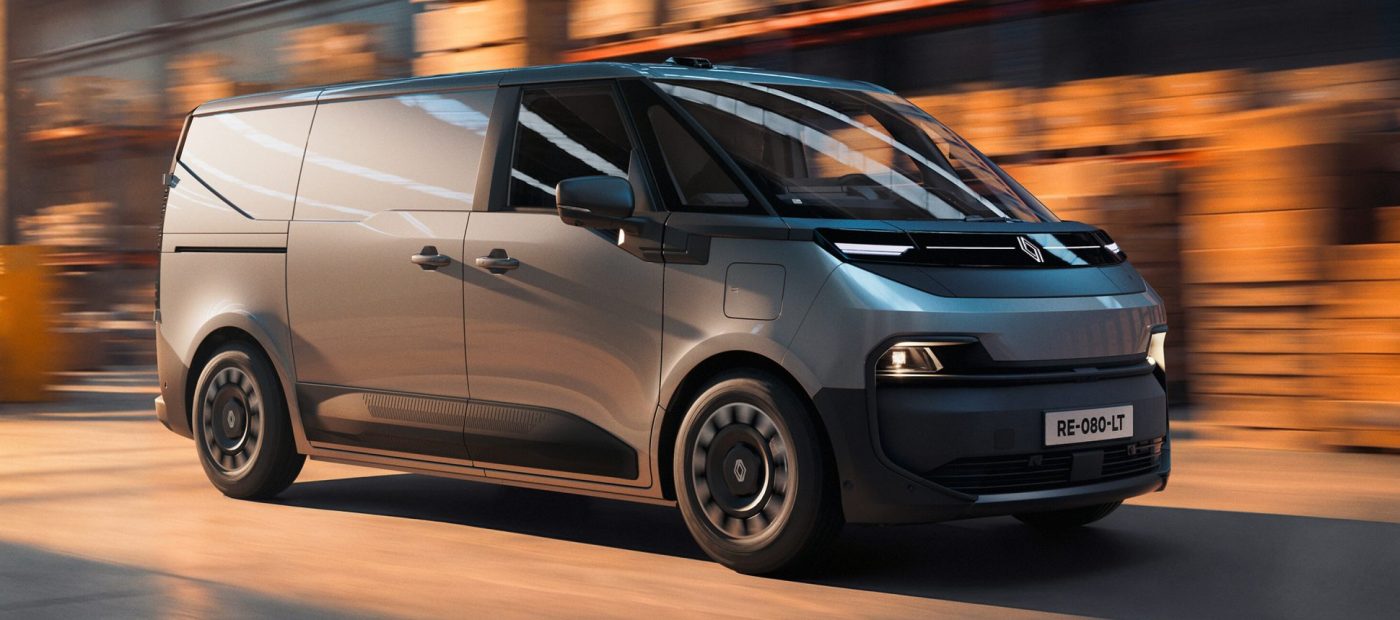
New Renault Trafic Van E-Tech targets electric van fleets
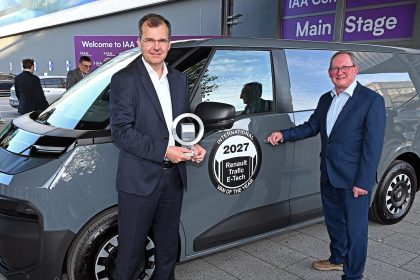
Renault is stepping up its electric van strategy with the new Trafic Van E-Tech electric, unveiled as part of its wider LCV offensive at IAA Transportation 2026 in Hannover.
The new electric van is one of five new LCV models Renault plans to introduce between now and 2028 under its futurREady strategic plan. The launch comes as Renault consolidates its position as Europe’s No.2 LCV manufacturer, with the Master leading the European large van segment and both Kangoo and Trafic occupying podium positions in their respective categories.
Jan Ptacek, VP, Renault LCV, said: “New Trafic Van E-Tech electric is more than just a new addition to our range. It represents a true game changer in the European LCV market, delivering more technologies, more services, and more conversions. It fully embodies this strategy and marks a breakthrough for the customers in the electric van market.”
Renault Trafic E-Tech offers up to 470km range
The Trafic name has been a mainstay of the commercial vehicle market since 1980, with more than 2.8 million vehicles sold. The new Trafic Van E-Tech electric represents the next stage in its development, combining a dedicated electric powertrain with the practicality expected by business users.
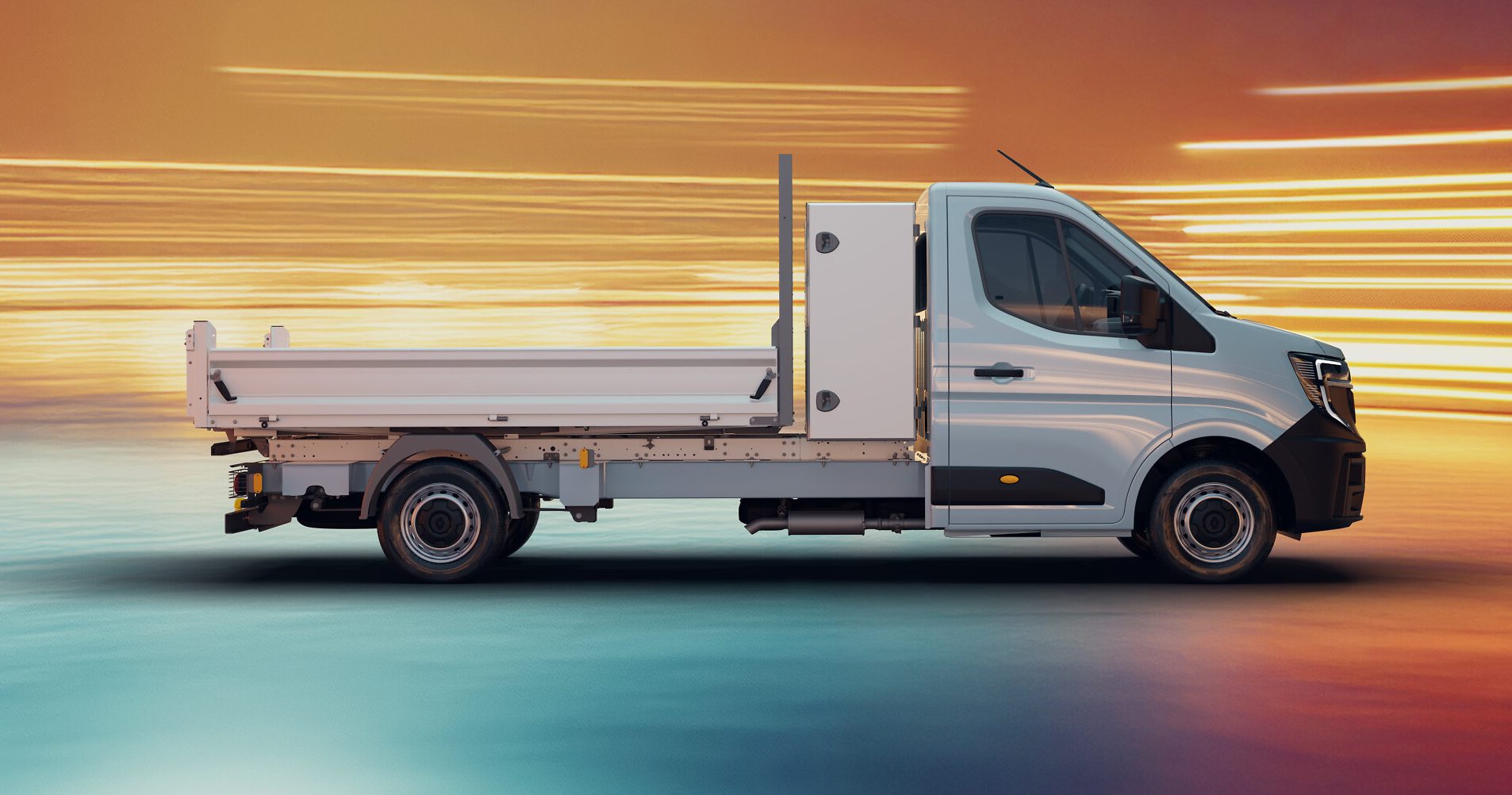
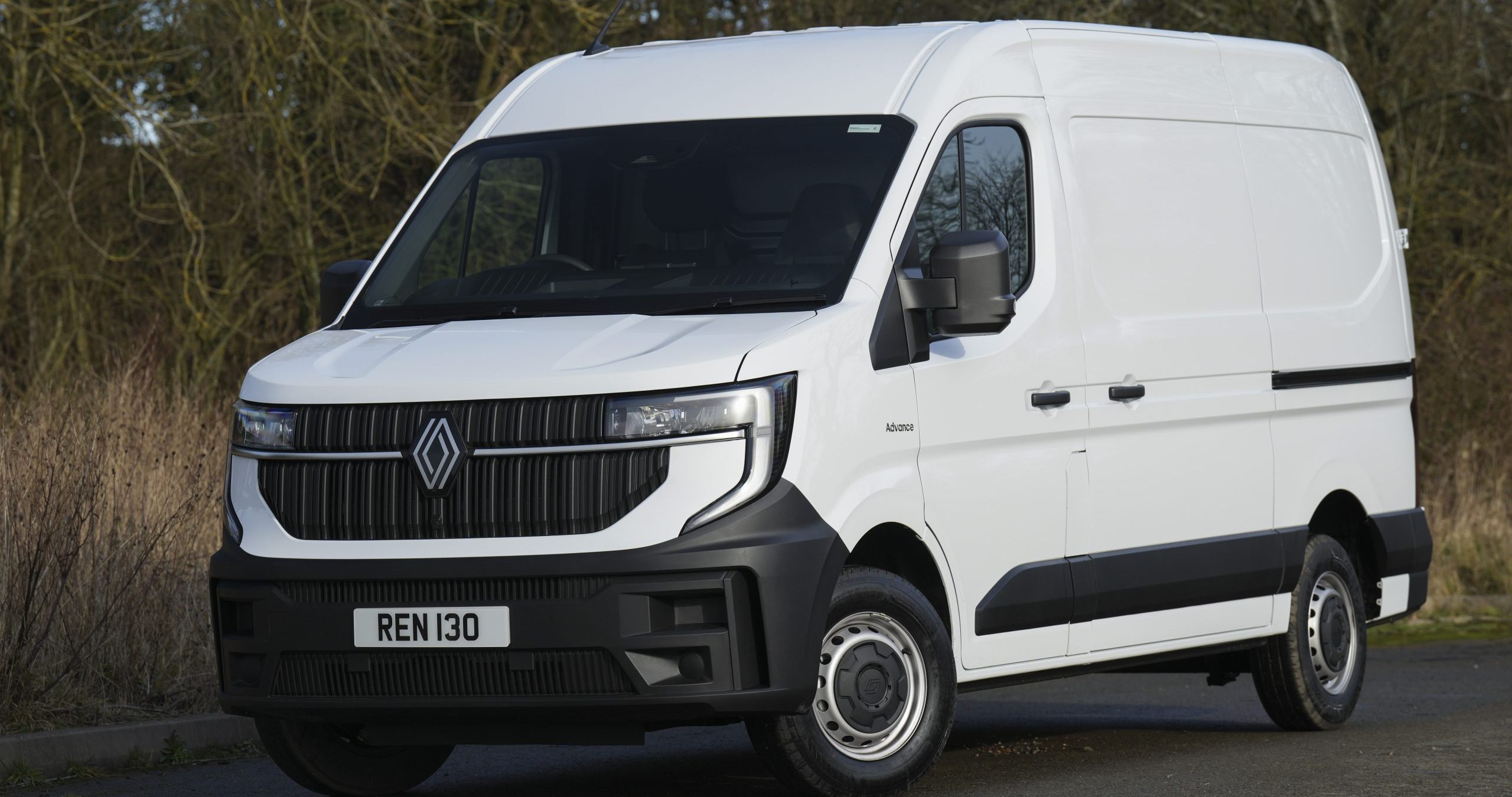
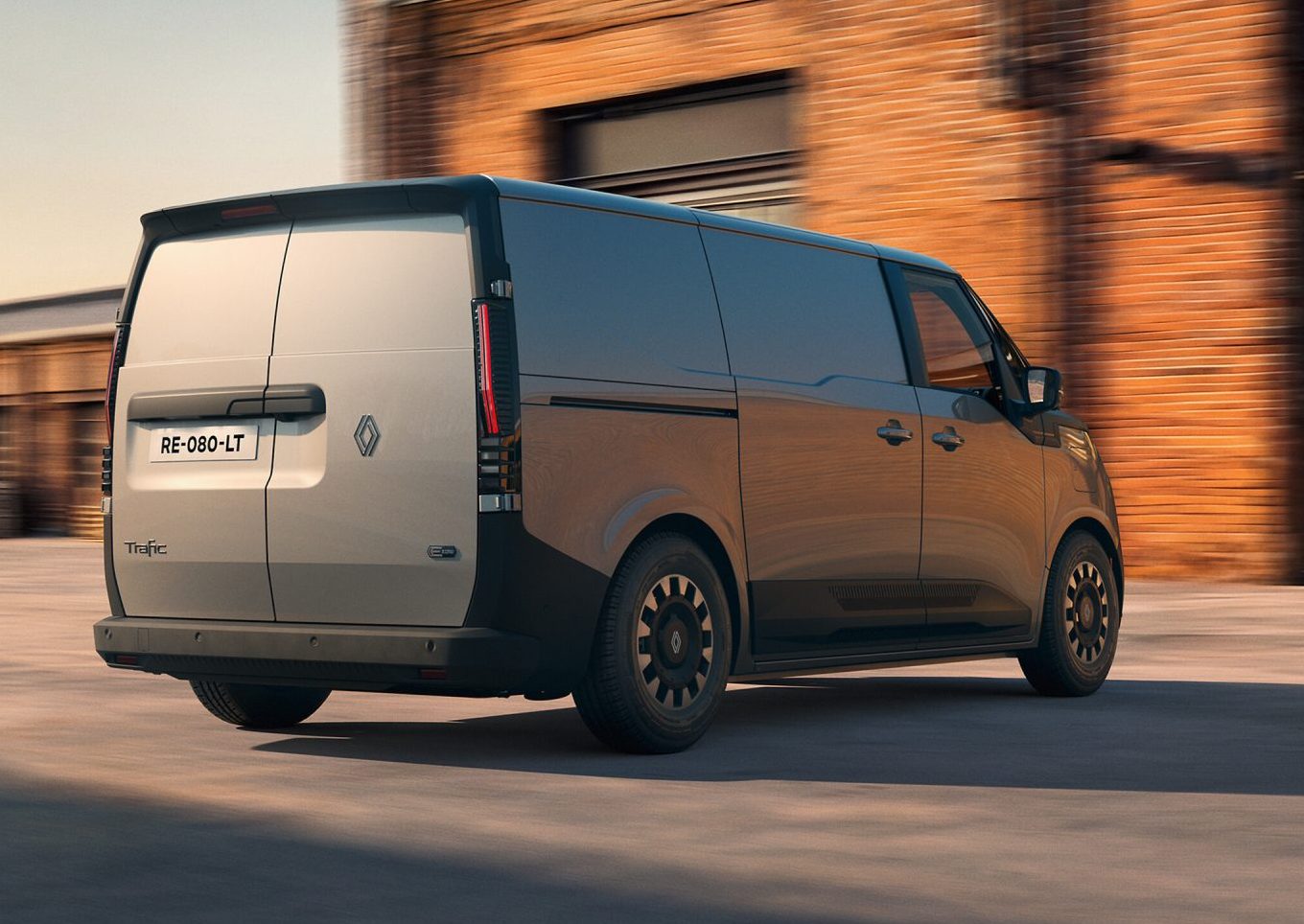
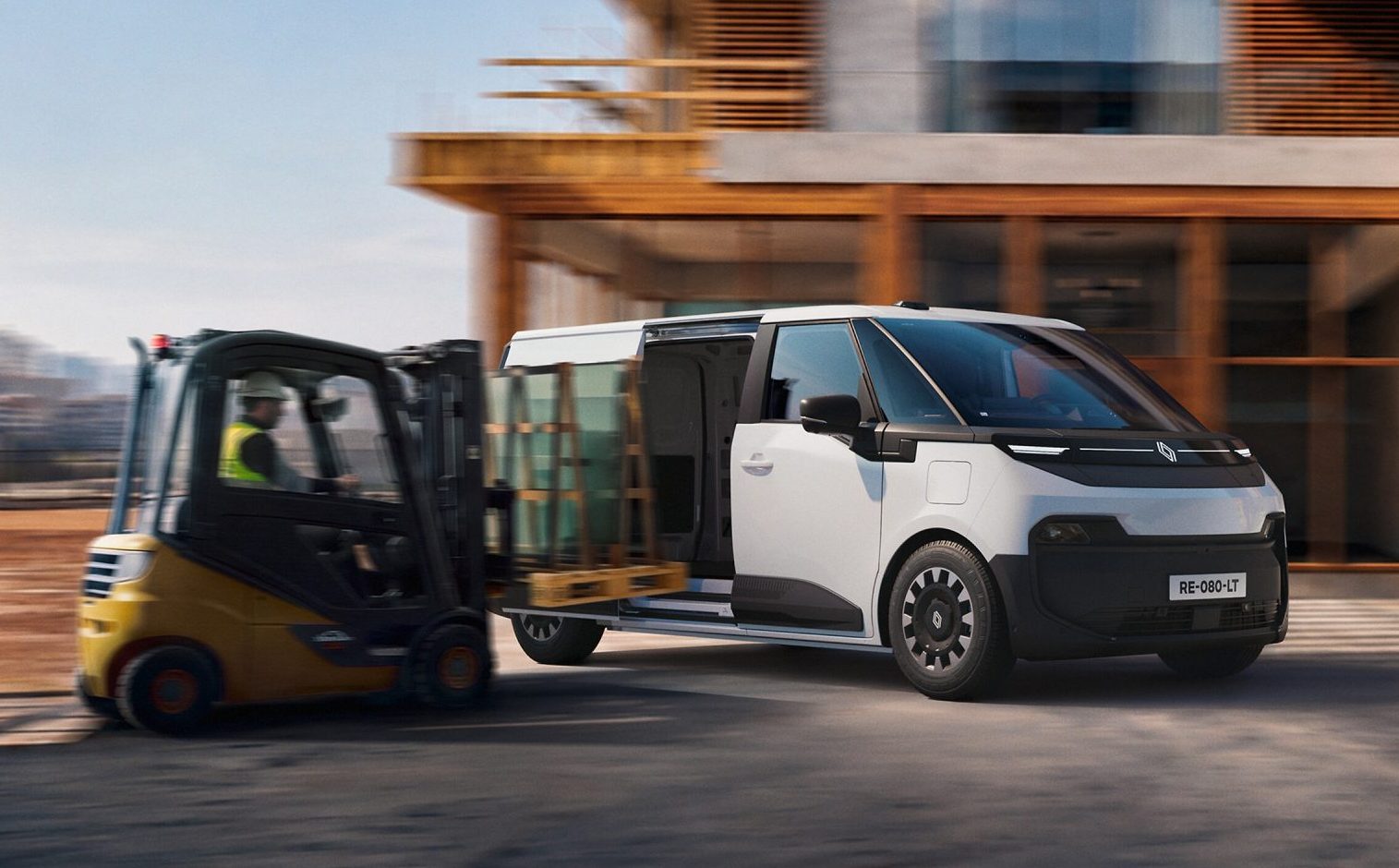
Designed and built in Europe at Renault’s Sandouville plant in France, the new electric van will initially be offered as a panel van, with chassis-cab and crew cab derivatives joining the range in 2027.
For fleet operators, range and charging speed are critical considerations when assessing electric vans. Renault says the Trafic Van E-Tech electric will offer more than 470km of WLTP range, although final WLTP homologation remains pending.
In urban use, range can reach almost 690km, according to Renault, potentially allowing some operators to complete up to five working days without recharging.
The van is based on Renault Group’s new RGEV medium van platform and uses an 800V electrical architecture. Renault says this delivers class-leading fast-charging performance in the European LCV segment, with up to 280km of additional range recoverable in 20 minutes, rising to 380km in urban driving.
The manufacturer estimates that the electric Trafic can deliver a total cost of ownership up to 10% lower than an equivalent internal combustion engine van.
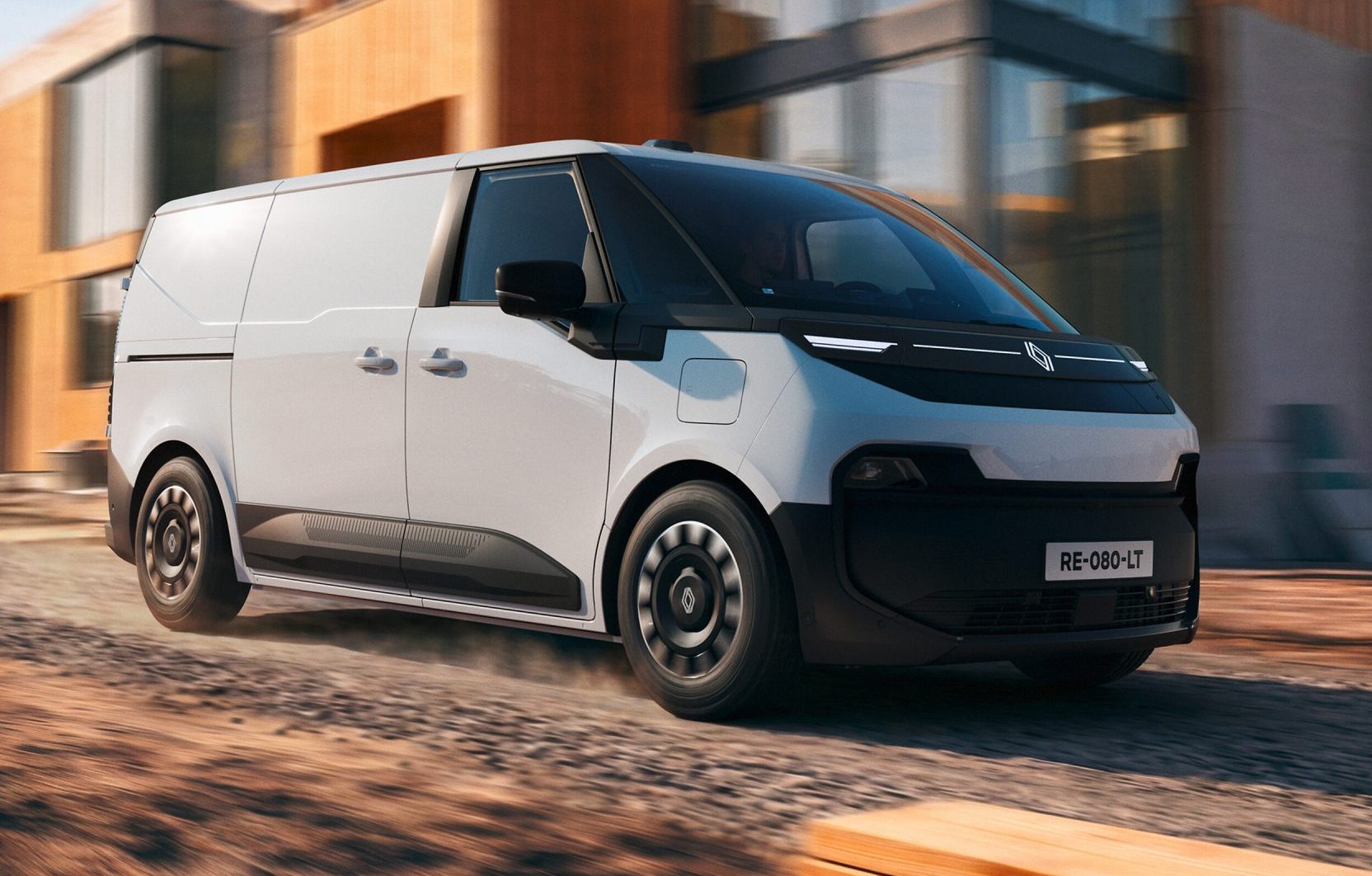
The new Trafic Van E-Tech electric has also been designed around the working environment of commercial vehicle drivers.
Its 10.3-metre turning circle is claimed to provide agility comparable with the Renault Clio, making the van easier to manoeuvre in urban areas and confined spaces. At 1.89 metres high, it can also access standard underground car parks.
Visibility has been improved at the front and sides, while a multi-link rear suspension, ergonomic driving position and quieter electric operation are intended to provide passenger-car levels of driving comfort.
The combination of improved visibility, manoeuvrability and comfort could be particularly valuable for urban delivery fleets where drivers spend long periods behind the wheel and frequently operate in congested areas.
One of the most significant developments is the introduction of software-defined vehicle (SDV) architecture.
Renault says the Trafic Van E-Tech electric is the first Renault Group vehicle and the first LCV in Europe to use an SDV architecture designed around centralised and flexible vehicle operation.
The system replaces 80 electronic control units with two supercomputers running CAR OS, an Android-based operating system developed in partnership with Google.
The architecture allows vehicle functions to be controlled, analysed and updated more rapidly. For fleet operators, this could mean regular software updates throughout the vehicle’s service life, as well as more personalised vehicle settings.
Renault also highlights potential benefits including predictive maintenance and improved residual values as the vehicle continues to receive updates.
Despite the emphasis on electrification and digital technology, Renault has retained the practical characteristics expected from a medium-sized commercial vehicle.
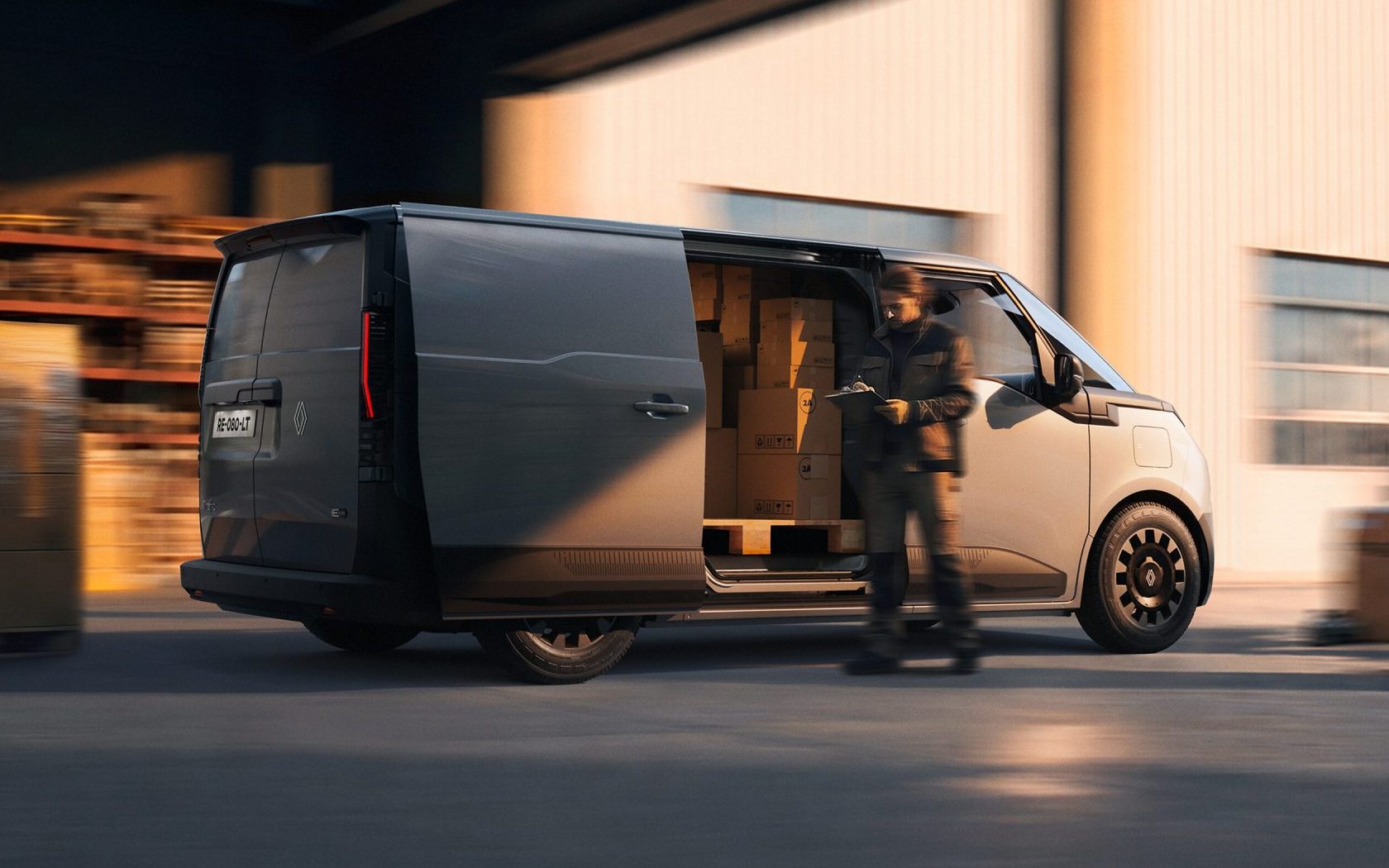
The Trafic Van E-Tech electric offers up to 5.8m³ of load volume, a payload of up to 1.3 tonnes and a towing capacity of two tonnes. It can carry three Euro pallets and has a load height of 53cm.
Frederic Clermont, VP, Renault Product LCV, said: “I could use every superlative in the book to sum up new Trafic Van E-Tech electric. But let’s keep it simple: it is unique. Unique in terms of cost of usage, unique in terms of value, unique with the perfect blend of passenger car comfort and tech features. And, it provides all the LCV fundamentals that make it in the end, the best business partner of our customers.”
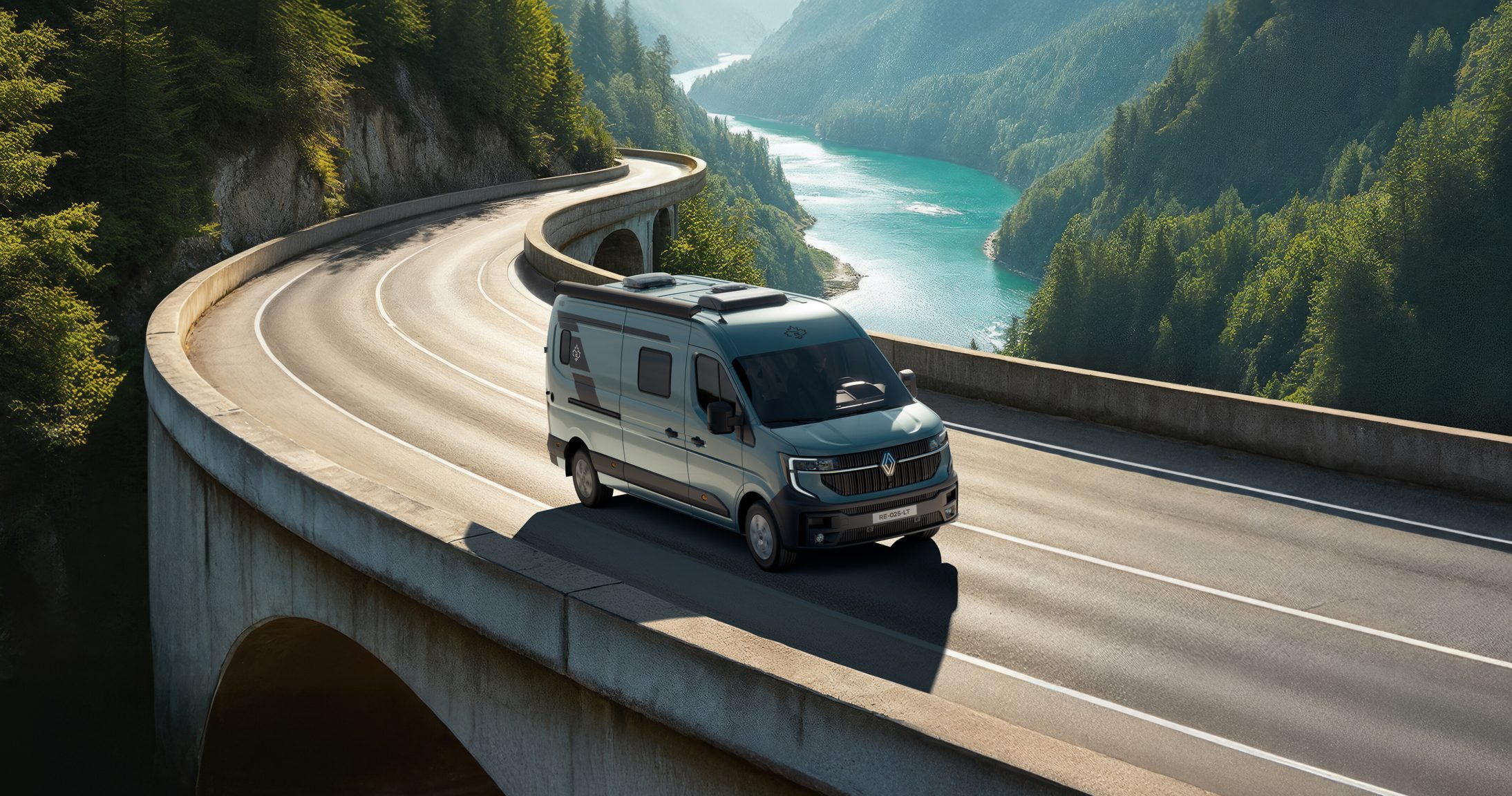
The vehicle has also been engineered with conversion work in mind. A flat floor, 1.30m of space between the wheel arches and 1.3-tonne payload are intended to make it easier for operators and bodybuilders to adapt the van for different trades.
V2L and ePTO expand conversion options
Vehicle-to-Load (V2L) functionality is available from launch, allowing electrical equipment to be powered directly from the vehicle. Renault highlights applications such as powering equipment on a building site.
An electric power take-off (ePTO) function is planned for the near future, opening the door to heavier conversions including refrigeration units and ambulance equipment. Renault says charging power of up to 3.6kWh and 10kWh respectively will be available for these applications.
The Convertor Companion system also allows body converters to integrate conversion controls into the openR link multimedia system through dedicated applications, avoiding the need for a separate conversion display.
Renault’s conversion strategy is supported by three levels of provision, ranging from factory conversions at its French LCV plants to specialist work by Qstomize and a network of 300 certified body converters across Europe.
Renault says the new electric Trafic reduces its environmental impact across its lifecycle, from manufacturing through to use and end-of-life.
Based on a lifecycle assessment covering 200,000km and the average European electricity mix, Renault estimates the vehicle produces 33 tonnes of CO₂e, compared with approximately 63 tonnes for a comparable diesel van.
That represents a reduction of more than 45%, according to the manufacturer. The 81kWh battery provides up to 470km of range, while aerodynamic improvements deliver a 6% improvement in drag efficiency. The electric powertrain has an efficiency exceeding 90%.
The van is manufactured at Sandouville using low-carbon energy, with European production also helping to reduce transport distances to major LCV markets.
Alongside the new electric van, Renault is introducing its Renault uptimize programme from 2027, designed to improve LCV availability, reliability and fleet efficiency.
The programme uses the Trafic’s SDV architecture, real-time vehicle data and artificial intelligence to move fleet maintenance from a reactive model towards proactive optimisation.
Renault aims to halve vehicle downtime following an incident by using predictive maintenance to identify potential problems earlier and AI to optimise maintenance scheduling.
Fleet managers will also have access to connected-fleet information covering factors such as mileage, energy consumption, route planning, charging, eco-driving and safety performance.
In the event of an incident, Renault uptimize will provide priority customer support, combining remote diagnostics with B2B after-sales expertise across Renault’s network of more than 400 Pro+ centres dedicated to professional customers.
Zakaria Zeghari, VP, Sales and Marketing, LCV, said: “The Renault uptimize program helps customers reduce downtime and cost of usage thanks to smart data which allows proactive et predictive maintenance, fast track customer care in the event of an incident, and “energy & safety control” app. Thanks to European market position, Renault relies on a wide Pro+ network with more than 400 centres dedicated to professionals.”
The programme will also include an “energy & safety control” app, allowing fleet managers to apply selected efficiency, performance and safety settings to vehicles, while businesses will be able to create customised in-vehicle applications for specific operational requirements.
For fleets considering electric vans, Renault is therefore positioning the new Trafic Van E-Tech electric as more than an alternative powertrain. Its combination of range, rapid charging, conversion capability, software-defined technology and predictive fleet services is designed to address both the operational and financial challenges of van electrification.