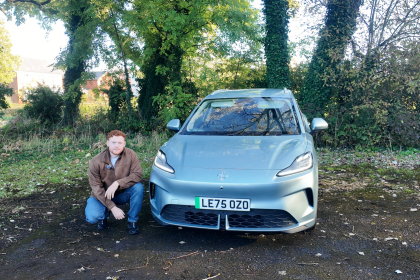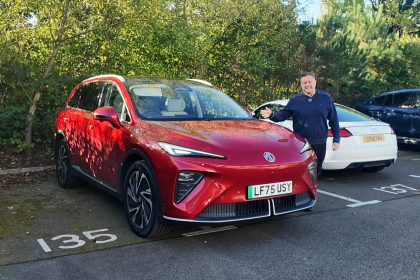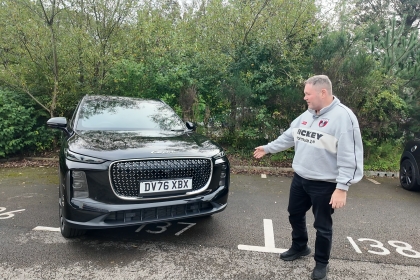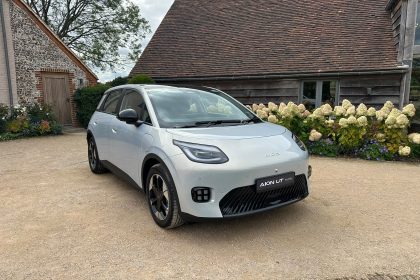

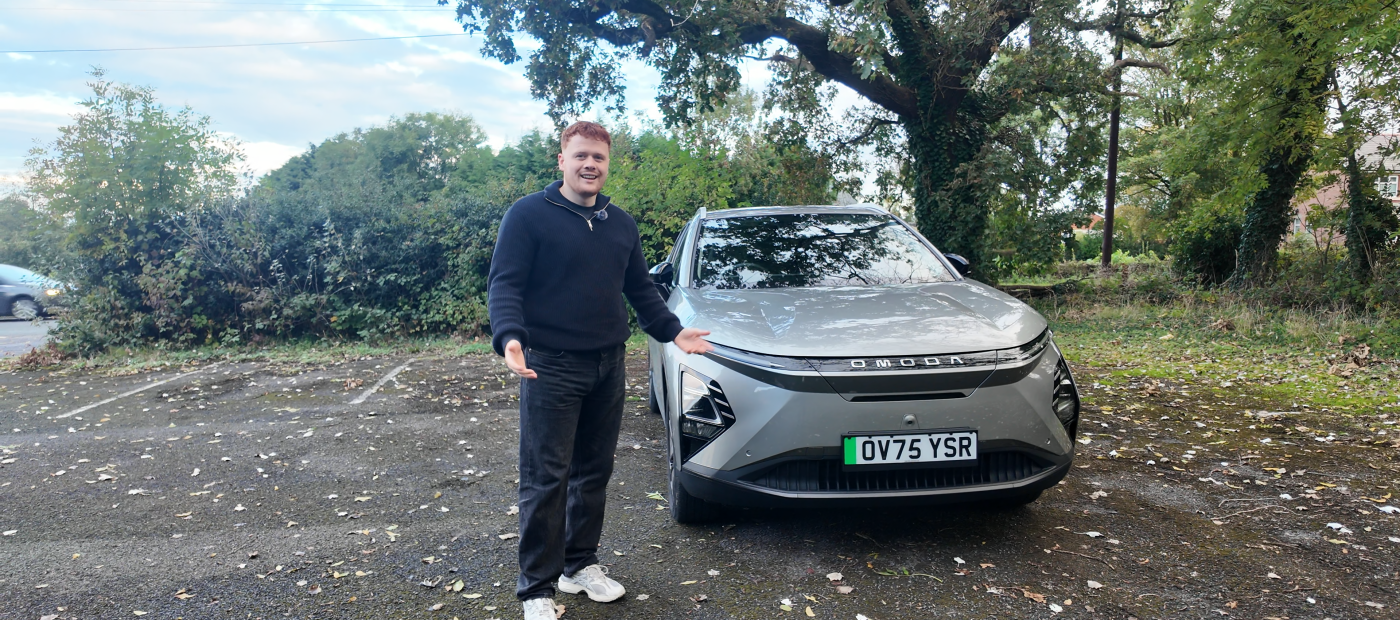
Omoda E5 Review: Is This £33k Electric SUV Too Good to Be True?
Watch the review — click here (opens YouTube in a new tab)
A week with the Omoda E5, reviewed by Connor Smith.
First Impressions
The OMODA E5 is an electric SUV that makes a pretty good first impression. It has the sort of modern styling, technology and headline specifications that fleet managers are increasingly looking for, but what stands out most is how comfortable and easy it is to live with. I came away liking it, even if there are a few things that OMODA really needs to rethink.
The E5 is powered by a 211PS electric motor and uses a 61kWh battery, with a claimed WLTP range of up to 267 miles. That puts it firmly in the territory of the everyday family SUV, with enough range on paper for commuting, business appointments and the occasional longer journey. DC rapid charging is available at up to 130kW, with a claimed 10–80% charge taking around 28 minutes under suitable conditions.
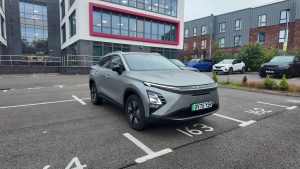
But the numbers only tell half the story. A company car needs to be comfortable, straightforward and enjoyable enough that drivers actually want to use it. This is where the E5 starts to win me over.
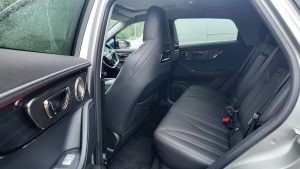
The seats feel properly premium. In fact, they give the cabin something of a luxury-car feel, which is a welcome surprise in a market where manufacturers are trying to balance equipment and price. It is the sort of detail you appreciate when you spend a decent amount of time behind the wheel.
It is also easy to drive. There is no complicated learning curve, and the electric powertrain makes everyday journeys feel simple and relaxed. For a fleet driver moving from a petrol or diesel car into an EV, that accessibility is a real plus.
There are, however, a couple of things that stop the E5 from being a more convincing package. The touchscreen does far too much of the heavy lifting, including for functions such as the heated seats and air conditioning. And the sun visor mirror is a proper little annoyance: it sits so tightly against the visor that getting it down is awkward, and I had to prise it away.
Neither issue is a deal-breaker, but both are avoidable frustrations in a car that otherwise has plenty going for it.
Design and Interior
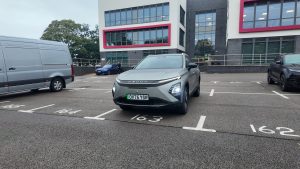
The OMODA E5 has the contemporary SUV look buyers expect, with a modern exterior and a cabin that aims to feel more upmarket than the price might suggest. It is clearly designed to appeal to drivers who want their company car to feel like a proper personal vehicle rather than simply something selected from a fleet list.
Inside, the seats are the star of the show. They feel premium and give the cabin a noticeably luxurious character. Comfort is one of those things that can be overlooked when people get carried away discussing battery sizes, charging speeds and infotainment screens, but it matters enormously if you are driving every day.
For anyone spending hours travelling between meetings or covering regular business mileage, a comfortable seat makes a difference. The E5 gets that part right, and it helps create an interior that feels welcoming rather than purely functional.
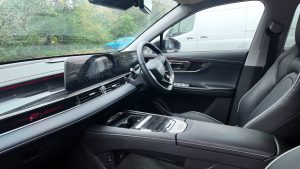
The general cabin presentation also supports that impression. The emphasis is on a modern, technology-led environment, with the touchscreen taking centre stage. There is a clean look to the dashboard, and the overall design feels in keeping with what buyers now expect from an electric SUV.
But here is where I think OMODA has gone a little too far. A minimalist dashboard is all well and good, but there is a difference between a cabin looking modern and a cabin being easy to use. Too many basic functions are tucked away in the touchscreen, which means the driver has to spend more time interacting with the display than should really be necessary.
The heated seats and air conditioning are the obvious examples. These are everyday features that you might want to adjust several times during a journey. Having to access them through a screen is less convenient than simply pressing a button or turning a dial.
I am not suggesting the E5 needs a dashboard covered in switches. Far from it. But a few well-placed physical controls would make the interior considerably better to live with.
Then there is the sun visor mirror. It is a small thing, but it is one of those details that makes you wonder whether anyone tried using it properly before signing off the design. The mirror is so tight against the visor that pulling it down is awkward, and it has to be prised away rather than moving naturally into position.
It is hardly the biggest problem a car can have, but these are the details drivers notice when they use a vehicle every day.
Overall, the cabin is a positive. The seats feel more luxurious than expected, and the E5 is a comfortable place to spend time. It just needs a little more attention to practical usability to match that premium first impression.
Infotainment and Technology
The E5 follows the increasingly popular approach of putting a touchscreen at the heart of the cabin. It gives the dashboard a clean appearance and provides a central place for vehicle settings and other functions, but I am not entirely convinced that everything needs to be controlled through it.
My biggest gripe is the lack of physical buttons for the heated seats and air conditioning. These are not obscure features that drivers might use once a month. They are things you adjust regularly, particularly when the weather changes or the cabin temperature is not quite right.
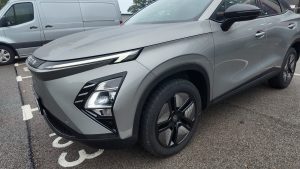
A physical button is simple. You know where it is, you press it and you get on with your journey. A touchscreen can require more attention, especially when you need to navigate menus to find the setting you want.
For fleet drivers, that is an unnecessary complication. A company car may be used by different employees, and nobody wants to spend the first few minutes of every journey working out how to adjust the temperature. The controls should be obvious and intuitive.
There is also a safety consideration. Drivers should be able to make basic adjustments with minimal distraction, rather than having to look at a display and work through several steps. Touchscreens have their place, but frequently used driving and climate functions are often better suited to physical controls.
The E5’s technology-led approach is not a problem in itself. Modern infotainment systems can be genuinely useful, and a central display can make a cabin feel up to date. The trick is knowing where to draw the line.
I would much rather see OMODA retain the touchscreen for the functions that benefit from it, while bringing back a handful of proper buttons for the features drivers use most often. It would not spoil the dashboard design, and it would make the car noticeably easier to live with.
For now, the technology is one of the E5’s more frustrating aspects. It looks the part, but it does not always make everyday tasks as simple as they should be.
On the Road
One thing I really like about the OMODA E5 is how easy it is to drive. It feels approachable and straightforward, which is exactly what you want from a car that could spend its life commuting, travelling between business appointments and covering everyday family duties.
The 211PS electric motor gives it a respectable amount of power on paper, while the electric powertrain delivers its performance without the gear changes associated with a conventional combustion engine. That helps make the driving experience feel simple and accessible.
For fleet use, this matters more than chasing headline performance figures. Most drivers do not need a car that feels like a sports SUV every time they pull away from a junction. They need something that is predictable, comfortable and easy to manage in everyday traffic.
The E5 delivers on that front. It is not a car that demands a great deal from its driver, and that should make the transition to electric motoring relatively painless for people moving out of petrol or diesel vehicles.
The seats also deserve another mention here. Their premium feel adds to the overall comfort, helping the cabin feel like somewhere you can happily spend a working day travelling around. For anyone regularly covering business mileage, that is a meaningful advantage.
Of course, driving an electric SUV also means thinking about range. The E5’s claimed WLTP figure of up to 267 miles is a useful starting point, but the distance available in everyday use will depend on speed, weather, road conditions and how much heating or air conditioning is being used.
Drivers spending most of their time on familiar local routes may find the range perfectly manageable, particularly if they can charge at home or at work. Those covering longer motorway journeys will need to plan more carefully, as higher speeds and colder conditions can reduce the distance available.
The main thing is that the E5 does not make everyday driving feel complicated. It is comfortable, easy to operate and has the performance figures expected of a modern electric SUV.
My criticism remains the touchscreen. When the driving experience is this straightforward, it is a shame that something as basic as adjusting the air conditioning can feel more complicated than necessary.
Still, the E5 gets the fundamentals right. It is an easy car to get along with, and that counts for a lot.
Cargo Space and Practicality
The OMODA E5 is aimed at drivers who want an everyday electric SUV, so practicality is an important part of its appeal. It needs to work for commuting, shopping, carrying passengers and dealing with the usual demands of family and business life.
The SUV format gives it the sort of general-purpose appeal that makes this type of vehicle popular with company-car drivers. However, buyers should not assume that a raised body and modern exterior automatically mean it will suit every job.
Boot capacity, rear-seat space and the shape of the load area all matter. A car used mainly for commuting and carrying a laptop bag has very different requirements from one that regularly transports samples, equipment or bulky work items.
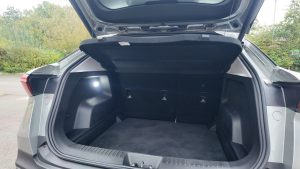
The E5 should therefore be assessed against the needs of the people who will actually use it. If it is going to be a general company car, comfort and everyday storage may be more than adequate. If it is expected to carry regular work equipment, fleet managers should check the official boot capacity and try loading the vehicle before making a decision.
It is also worth remembering that figures for related petrol or hybrid models should not automatically be applied to the all-electric E5. Different powertrain layouts can affect packaging, so it is important to check the specifications for the exact version being considered.
For me, the E5’s comfort is part of its practical appeal. A vehicle does not need to be a van to be useful for work, and a comfortable cabin can make a real difference when it is being used throughout the week.
Charging is another part of the practicality equation. Drivers who can charge at home or at a workplace have a much easier routine than those who depend entirely on public charging. Being able to start the day with a suitable charge can make an electric SUV particularly convenient for predictable daily journeys.
For fleet operators, the E5 makes most sense as an everyday electric car rather than a dedicated load carrier. It should be shortlisted where the job calls for passenger comfort, routine business travel and the flexibility of an SUV, with a proper check of luggage and equipment requirements before ordering.
Fuel Economy and Running Costs
Running costs are where an electric vehicle can make a compelling case, but the figures need to be considered properly. The OMODA E5 has a 61kWh battery and a claimed WLTP range of up to 267 miles, giving fleet managers a useful starting point for working out whether it will suit their drivers’ mileage.
A reported efficiency figure of around 4.0 miles per kWh would equate to a theoretical 244 miles from 61kWh, before allowing for usable battery capacity and real-world conditions. A working estimate of around 235 miles may be a sensible planning figure in suitable circumstances, but actual range will vary with weather, speed, traffic and driving style.
That is enough range for many everyday users, particularly those covering predictable journeys and charging overnight. Drivers travelling long distances on motorways may need to stop more frequently, so it is important to match the car to the job rather than relying solely on the official figure.
Charging performance is respectable on paper. The E5 can accept DC rapid charging at up to 130kW, with a claimed 10–80% charge taking approximately 28 minutes under suitable conditions. That makes a rapid stop a realistic option on longer trips, although actual charging speeds will depend on the charger and battery conditions.
The cost of that electricity is just as important as the speed at which it can be delivered. Home and workplace charging can make running costs more predictable, while relying on public rapid chargers may be more expensive. Businesses should use the electricity prices their drivers are realistically likely to pay when calculating the cost per mile.
An indicative whole-life cost of 37p per mile over four years and 80,000 miles gives fleet managers a useful benchmark, but the actual result will depend on the assumptions used. Depreciation, finance, insurance, maintenance and energy prices can all change the overall calculation.
The purchase price also needs checking against current offers and fleet terms. A competitive list price is a good start, but the actual leasing rate or negotiated purchase price will have a bigger influence on the final business case.
Company-car tax can make electric vehicles attractive to eligible drivers, although the monthly amount depends on the applicable tax year, taxable list price and the driver’s tax rate. Businesses should confirm the current rules and calculate the figure for the exact vehicle rather than relying on a general illustration.
The E5 has the potential to offer a sensible running-cost proposition, especially for fleets with access to home or workplace charging. But as with any EV, the strongest case comes from realistic mileage assumptions and a proper whole-life cost comparison.
Safety and Driver Assistance
Safety should be high on the list for any fleet vehicle, and the OMODA E5 needs to be judged on both its safety equipment and how straightforward that equipment is to use.
Modern SUVs increasingly offer driver assistance features designed to support the driver and help manage certain risks. These systems can be useful in everyday traffic, but their exact availability and operation should be checked against the specification of the vehicle being purchased.
For fleet managers, it is important to verify the safety rating and equipment for the precise E5 model and model year. Ratings and specifications for related vehicles should not automatically be assumed to apply to every version.
It is also worth making sure drivers understand the systems fitted to their cars. Assistance features are there to support safe driving, not replace concentration or judgement, and employees should know how to use them correctly.
The E5’s wider usability is relevant here, too. A comfortable driving position and an easy-to-drive character are positives, but the touchscreen-heavy interface can make some functions less direct than they should be. A clear and intuitive cabin is particularly valuable in a fleet environment, where different people may be using the same vehicle.
Before placing an order, businesses should review the current UK safety specification, confirm which features are standard and arrange a test drive. That will help establish whether the car is appropriate for the intended drivers and working conditions.
The Niggles
The OMODA E5 is a car I like, but there are a couple of things that really ought to be better.
The biggest frustration is the lack of physical buttons. Having to access the heated seats and air conditioning through the touchscreen is unnecessarily fiddly. These are everyday functions, not obscure settings that should be hidden away.
I understand why manufacturers want a clean, minimalist dashboard, but there is a point where the pursuit of a modern look starts to get in the way of usability. Give me a proper button or dial for the climate controls any day. It is quicker, simpler and means less time looking at a screen while driving.
Then there is the sun visor mirror. Honestly, this is a daft little design flaw. It is fitted so tightly against the visor that pulling it down is awkward, and I had to prise it away to use it properly. A mirror should not be something you have to wrestle with.
Neither issue is a deal-breaker, but they are the kind of niggles that become more noticeable the longer you live with a car. The seats feel premium and the driving experience is easy, so it is frustrating that a couple of basic details let the cabin down.
The other thing to keep in mind is real-world range. The claimed 267 miles is useful, but drivers covering longer motorway journeys or travelling in colder weather should expect the available range to change. That is not unique to the OMODA, but it needs to be factored into any fleet decision.
Overall, the problems are relatively minor. The E5 does plenty right, but a little more attention to the details would make it a much more polished vehicle.
The Fleet Case
For fleet managers looking to add an electric SUV to their choice list, the OMODA E5 is worth considering. Its comfortable seats, easy driving experience and claimed range make it a credible option for employees who need a car for commuting and regular business travel.
The key is matching the vehicle to the driver. Someone covering predictable daily mileage with access to home charging may find the E5 very easy to live with. A driver travelling hundreds of miles between sites, with limited opportunities to charge, will need a more detailed assessment.
The 61kWh battery and claimed 267-mile WLTP range provide a useful starting point, while the 130kW maximum DC charging rate gives some flexibility for longer journeys. However, fleet operators should plan around realistic range rather than assuming the official figure will always be achievable.
The financial case needs to be just as carefully considered. Purchase or lease costs, depreciation, electricity, insurance, servicing and company-car taxation all contribute to the overall picture. A vehicle that looks attractive on paper may not deliver the same result when the actual mileage and charging arrangements are taken into account.
Driver satisfaction is another consideration. The E5’s premium-feeling seats are a real plus, and its easy driving character should make it approachable for employees moving to an EV. The touchscreen controls are less convincing, though, and should be assessed during a test drive.
For a business that can charge vehicles at home or at a central workplace, the E5 could be a sensible addition. For those relying heavily on public rapid charging, the running-cost calculation may be less straightforward.
I would recommend comparing the E5 against alternatives using current fleet quotations and a realistic whole-life cost calculation. A trial with representative drivers would also help establish whether its range, comfort and controls suit the company’s needs.
The Competition
The electric SUV market is full of alternatives, so the OMODA E5 needs to offer more than a decent battery and a modern-looking cabin to stand out.
For fleet buyers, the best comparison will depend on what matters most. Some businesses will prioritise purchase price and monthly leasing costs, while others will focus on range, charging speed, passenger comfort or the quality of the interior.
The E5’s strengths are its easy driving character and premium-feeling seats. These are qualities that make a difference in everyday use, particularly for employees who spend a lot of time travelling. Its claimed 267-mile range and 130kW rapid-charging capability also give it a useful specification to compare against rival electric SUVs.
The cabin controls are where it loses a little ground. Drivers who prefer physical buttons for frequently used functions may find the touchscreen approach less convenient than a rival with a more traditional layout. That might sound like a small consideration, but it is something you notice every time you adjust the temperature or switch on the heated seats.
Practicality should also be checked carefully. Boot capacity and rear passenger space can vary significantly between models, even when they look similar from the outside. Fleet managers should confirm the official figures and check that the vehicle suits the equipment and passengers it will regularly carry.
Then there is the cost. List prices are only part of the story, and fleet discounts, leasing terms, depreciation, charging costs and taxation can all change which car represents the best value.
The OMODA E5 has enough going for it to earn a place on the shortlist, particularly for businesses looking for a comfortable electric SUV for everyday use. But it is worth trying the alternatives back to back before making a decision. The E5’s strengths are clear, though its touchscreen-heavy cabin may be enough to sway some drivers towards a more intuitive rival.
The Verdict
The OMODA E5 is a likeable electric SUV with a lot going for it. The seats feel premium, the driving experience is easy and the headline range should make it suitable for many everyday journeys. It is comfortable, accessible and has the potential to work well as a company car.
It is not perfect. The touchscreen reliance makes basic functions such as the heated seats and air conditioning more awkward than they should be, and the sun visor mirror is a frustrating little design flaw. These are not major faults, but they stop the cabin from feeling as well thought out as it could.
For fleet managers, the E5 deserves consideration, provided the range, charging arrangements and whole-life costs suit the intended use. Businesses with predictable mileage and access to economical charging may find it a sensible addition to their electric vehicle choices.
We like the OMODA E5, and its comfortable interior makes a strong impression. But the niggles are difficult to ignore, especially when a few simple changes could make such a difference.
Three and a half stars from us. The E5 is a comfortable, easy-to-drive electric SUV with genuine potential, but it needs to get the everyday details right before it can compete with the very best in its class.