
Nissan to close one Sunderland production line
Nissan has announced plans to shut one of its production lines at its Sunderland plant and cut around 900 jobs across Europe, marking a significant restructuring effort as the Japanese carmaker seeks to reduce costs and streamline its operations. The move comes amid ongoing pressures in the global automotive sector, including shifting demand, electrification challenges, and rising production costs.
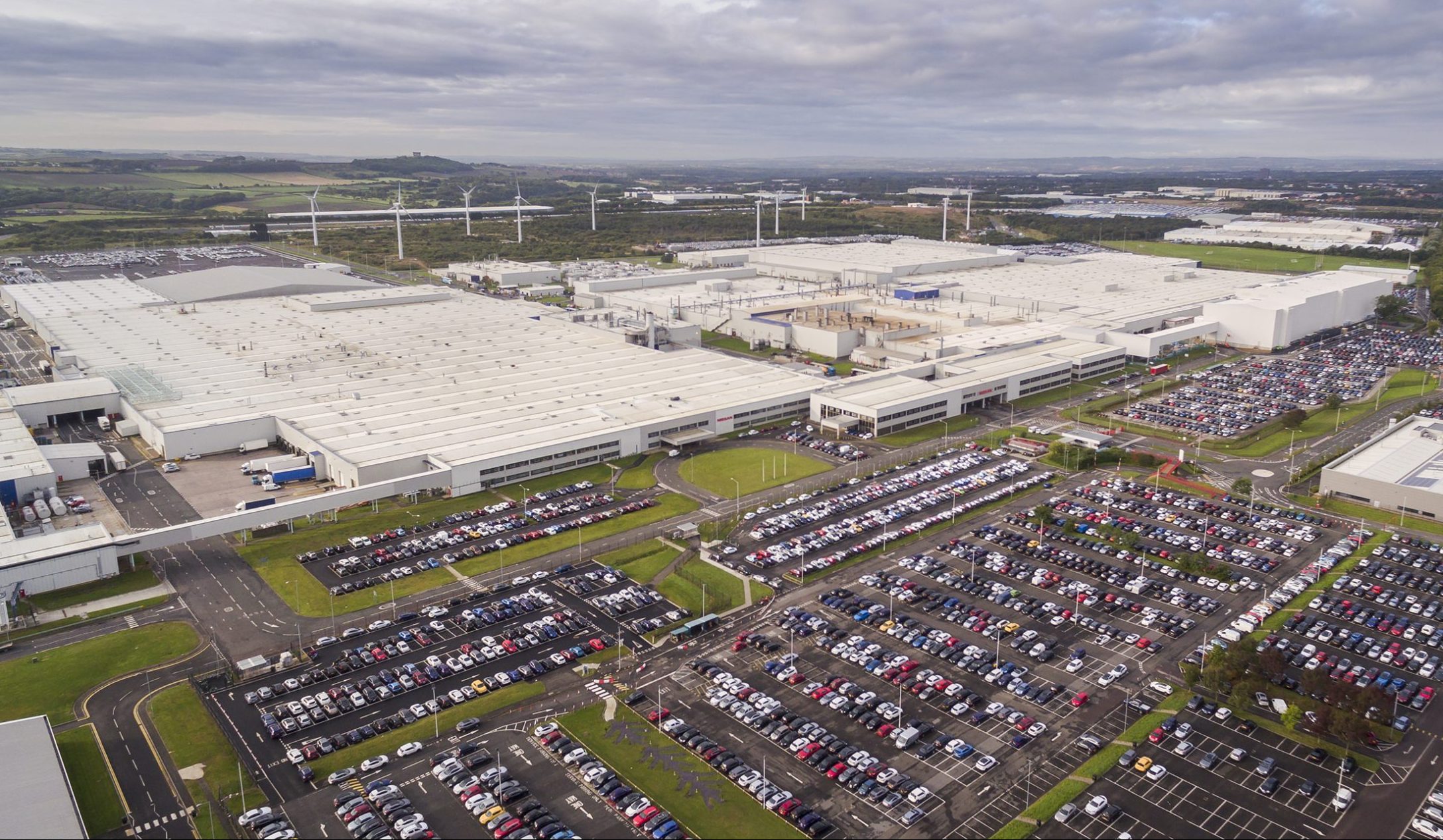
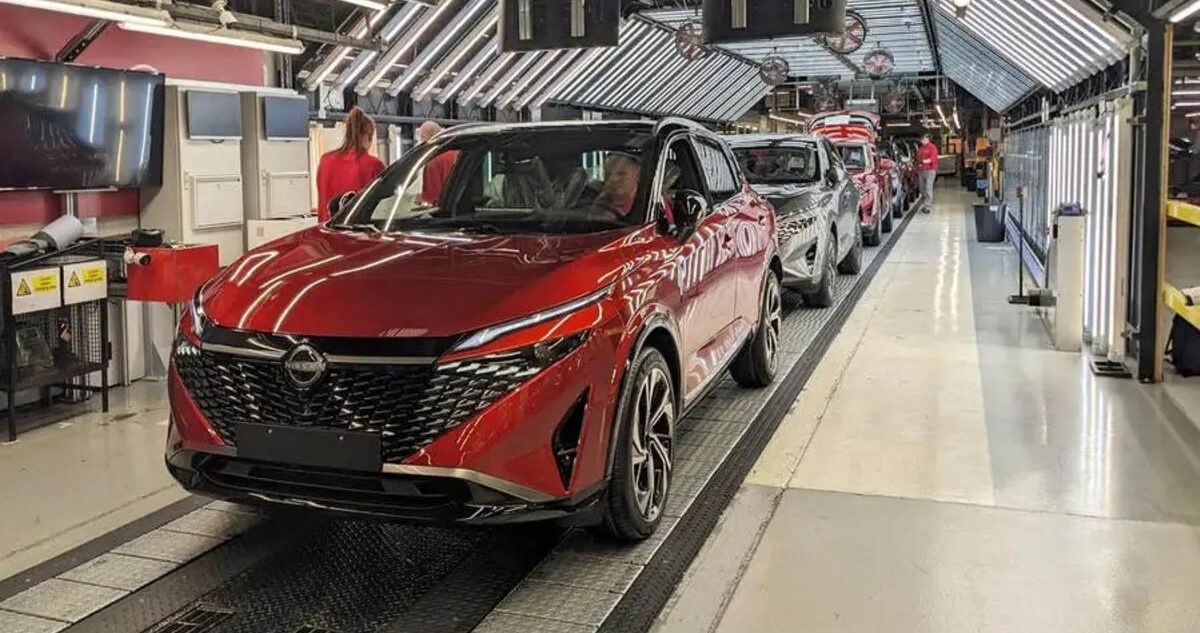
The Sunderland facility, one of the UK’s largest car manufacturing plants and a cornerstone of the North East economy, will see production consolidated from two lines down to one. While the company has not confirmed the full breakdown of job losses specific to the UK site, the decision has raised concerns about employment and regional economic stability.
In a statement, Nissan emphasised that the changes form part of a broader strategy to improve efficiency and ensure long-term competitiveness. A spokeswoman for Nissan said: “Under the Re:Nissan recovery plan, we have been taking decisive actions to enhance performance and create a leaner, more resilient business that adapts quickly to market changes.
“As part of this approach, today we have opened discussions with our European employees with a view to simplifying our structures, reducing complexity, and ensuring we operate in a sustainable and profitable way.
“This includes discussions on proposals for the partial closure of our Barcelona warehouse and to move to an importer model for our Nordic markets.
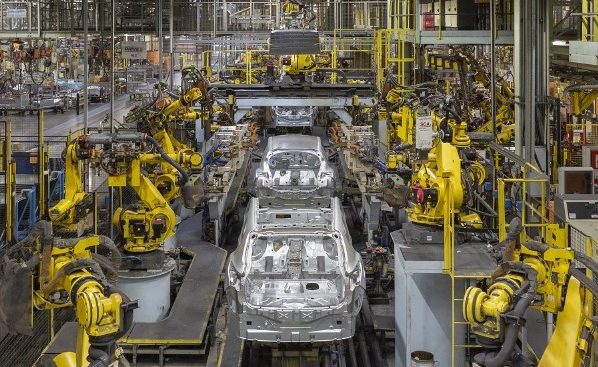
“We have also announced that we will consolidate production from two lines to one at our Sunderland plant as we assess future opportunities to secure full plant utilisation.”
The restructuring extends beyond the UK. Nissan is also considering operational changes across its European network, including adjustments to logistics and distribution. The proposed partial closure of its Barcelona warehouse and a shift to an importer-based model in Nordic countries highlight the company’s intention to reduce fixed costs and adapt to evolving market dynamics.
Industry analysts suggest that the move reflects broader challenges facing legacy car manufacturers. With the transition to electric vehicles requiring heavy investment, companies like Nissan are under increasing pressure to optimise existing operations while funding future technologies. Consolidating production lines can help reduce overheads and improve efficiency, but often comes at the cost of jobs.
Union representatives and local officials have expressed concern about the potential impact on workers and the regional economy. Sunderland has long been a hub for automotive manufacturing in the UK, and any reduction in capacity could have knock-on effects for suppliers and associated industries.
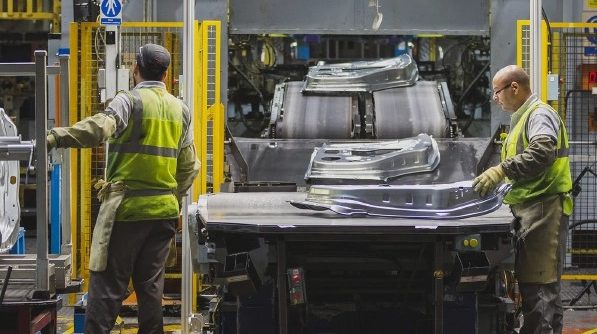
A union spokesperson said the announcement would be “deeply worrying” for employees and called for assurances regarding job security and future investment. “Workers have shown remarkable commitment and flexibility over the years. They deserve clarity and a strong plan for safeguarding employment,” they added.
Despite the cuts, Nissan has indicated that the Sunderland plant remains a key part of its European strategy. The site has previously benefited from investment linked to electric vehicle production, including battery manufacturing partnerships. The company has reiterated its intention to maintain a presence in the UK, though with a more streamlined operational model.
The announcement comes at a time of uncertainty for the wider automotive sector in Europe. Manufacturers are grappling with supply chain disruptions, fluctuating demand, and regulatory pressures tied to emissions targets. In this context, cost-cutting measures and operational restructuring have become increasingly common.
For Nissan, the success of its recovery plan will depend on balancing efficiency gains with maintaining production capacity and workforce morale. While the consolidation at Sunderland may improve utilisation rates, it also underscores the difficult choices facing global carmakers in a rapidly changing industry.
As consultations with employees and stakeholders continue, the full implications of the restructuring will become clearer. For now, the decision signals a decisive step in Nissan’s efforts to adapt to a challenging economic landscape while positioning itself for future growth.