


The UK Parliament’s Transport Select Committee will examine the progress made in improving facilities for heavy goods vehicle (HGV) and coach drivers when it hears oral evidence on 11 March 2026. The session is intended to assess whether meaningful improvements have been delivered since the Committee’s previous work on driver welfare and parking facilities in 2022, when MPs highlighted serious shortcomings across the road freight network.
The renewed scrutiny reflects ongoing concerns from industry groups, unions and drivers themselves that the UK still lacks adequate, safe and hygienic places for drivers to rest, park and access basic amenities during long shifts.
Background: The 2022 Inquiry and Its Findings
The Committee’s interest in driver facilities stems from its earlier investigation into the UK road freight supply chain, published in 2022 amid a widely reported shortage of HGV drivers. That inquiry concluded that poor roadside facilities were a significant factor affecting driver recruitment and retention.
Evidence gathered at the time indicated that drivers often faced a shortage of secure parking and suitable welfare facilities such as clean toilets, showers and food options. Research commissioned by the Department for Transport reinforced these concerns. A nationwide survey of drivers found that 99% considered access to well-maintained toilets and showers to be important, while security features such as CCTV, staff presence and fencing were rated highly by more than 90% of respondents.
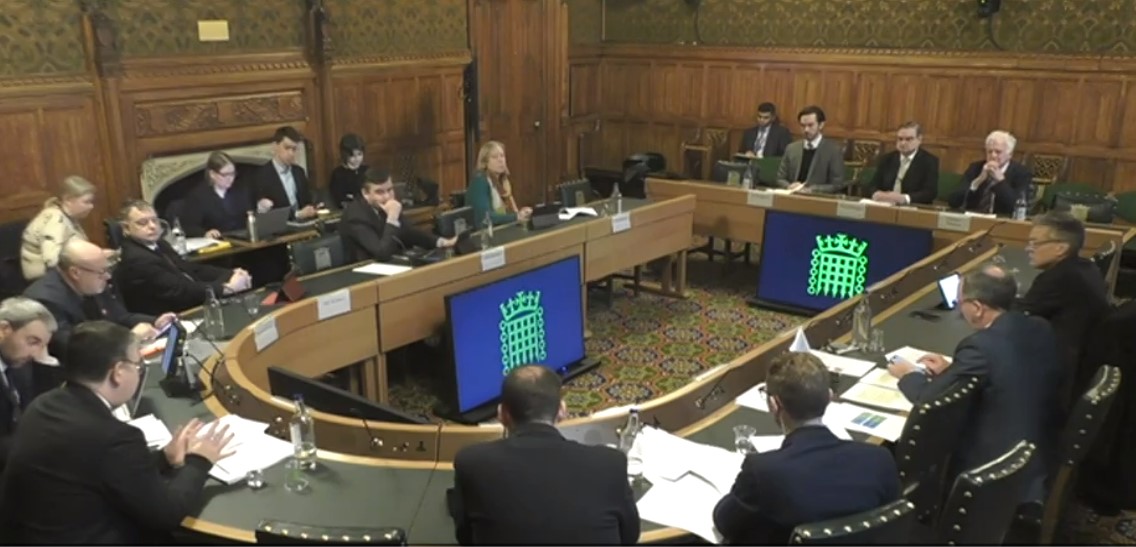
Image: GOV.UK
However, the same research highlighted widespread shortages of suitable parking capacity. Many drivers reported being forced to park in industrial estates or roadside lay-bys due to the lack of formal facilities.
Industry commentary at the time suggested the situation had deteriorated over several years. One analysis of the national survey noted that a growing number of formal parking sites were operating at or above capacity, meaning drivers could not reliably plan where to stop overnight.
Safety, Welfare and Driver Retention
The problem goes beyond convenience. Poor facilities can affect driver safety, wellbeing and retention across the logistics sector.
Drivers require legally mandated rest breaks, often overnight, but a lack of available spaces can make route planning difficult and push drivers into unsafe parking areas. The 2022 research found strong concern about truck crime and inadequate security at many parking locations.
Basic welfare access has also been a persistent issue. Surveys of drivers have reported widespread difficulties accessing toilets while making deliveries, with many drivers experiencing situations where facilities were unavailable when urgently needed.
The Transport Select Committee previously warned that improving driver facilities was essential to addressing the driver shortage and maintaining a resilient supply chain.
Government Response and Investment
Following the Committee’s earlier recommendations, the Government acknowledged the need to improve driver welfare infrastructure.
Ministers announced funding aimed at upgrading roadside facilities and increasing lorry parking capacity. This included more than £52 million for improvements to lorry parking and driver welfare, alongside other initiatives to support the freight sector and attract new recruits.
The Government also commissioned a national survey of lorry parking to better understand capacity pressures and identify where new investment should be prioritised.
Despite these measures, industry representatives continue to argue that progress has been slow and that facilities remain insufficient for the scale of the UK’s freight network.
Why the Committee Is Revisiting the Issue
The upcoming evidence session will give MPs an opportunity to assess whether the commitments made since 2022 have translated into meaningful improvements on the ground.
The committee says the session will examine “how much progress has been made in securing a sufficient number and quality of facilities for HGV and coach drivers when they need to take breaks.”
Witnesses scheduled to appear include representatives from Transport Focus, the Road Haulage Association, Logistics UK, Unite the Union and motorway service area operator Moto.
Their evidence is expected to address issues such as the availability of secure parking, the quality of welfare facilities, and the role of both government and private operators in delivering improvements.
Continuing Concerns from Industry
Industry bodies have repeatedly stressed that the scale of the problem remains significant. According to logistics stakeholders, the quality and quantity of facilities available to drivers across England still fall well short of what is required to support modern freight operations.
Ferdy Willans of the Road Haulage Association recently said the sector is still struggling with inadequate infrastructure, warning that both the “quality and quantity of facilities in England are far below the standard needed” for drivers on the strategic road network.
Such concerns underline why MPs are returning to the issue. Adequate rest facilities are not only a matter of driver welfare but also play a crucial role in road safety and supply chain resilience.
What the Committee Will Look For
During the March 2026 session, MPs are likely to focus on whether government funding and industry initiatives have delivered tangible results since the 2022 inquiry.
Key questions may include whether enough new parking capacity has been created, whether existing facilities have been upgraded, and whether national standards for driver welfare are needed.
The Committee may also consider whether planning barriers or commercial pressures are slowing the development of new truck stops and rest areas.
Outlook
With the logistics sector remaining central to the UK economy, the availability of safe and suitable facilities for HGV and coach drivers continues to be a pressing policy issue.
The Transport Select Committee’s latest examination suggests that MPs are keen to ensure promises made following the 2022 inquiry have resulted in real improvements for drivers on the road. The evidence heard on 11 March 2026 could shape further recommendations aimed at addressing long-standing gaps in the UK’s roadside infrastructure.
The 2022 Transport Select Committee survey report was split into two parts: Part One and Part Two.