
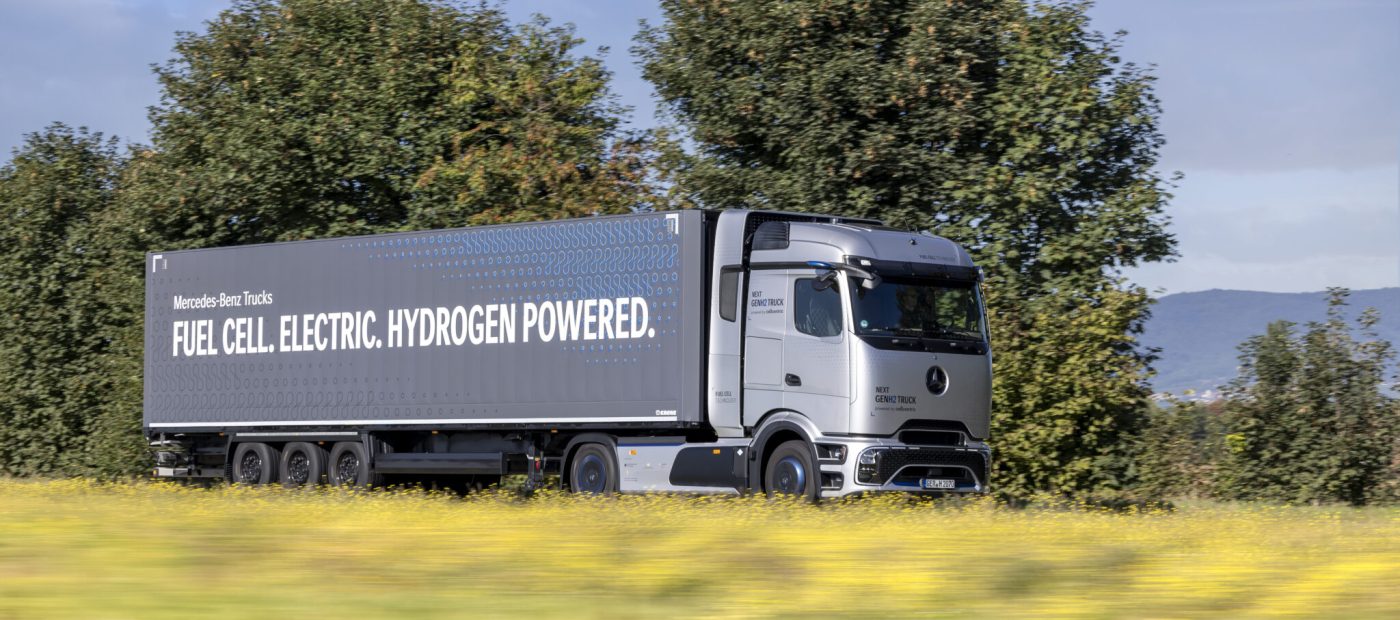
H2Accelerate calls for more funding for hydrogen trucks
A group of leading truck makers and energy companies wants Europe to introduce a new funding scheme for hydrogen trucks. H2Accelerate says the scheme would let hydrogen vehicles compete with diesel on total cost of ownership (TCO), which is the figure fleet operators care about most.
How the TCO Parity Certainty Mechanism would work
H2Accelerate has named its proposal the TCO Parity Certainty Mechanism. It would cover any cost gap that remains between hydrogen and diesel trucks once other support has been counted. That includes existing subsidies, road toll exemptions and renewable fuel incentives.
Funding would be awarded through competitive tenders. Support could be linked to the amount of hydrogen a truck consumes or the kilometres it travels. This approach rewards vehicles that are actually on the road, rather than simply subsidising the purchase price. For fleet managers, that means the money would follow real-world operations instead of showroom sales.
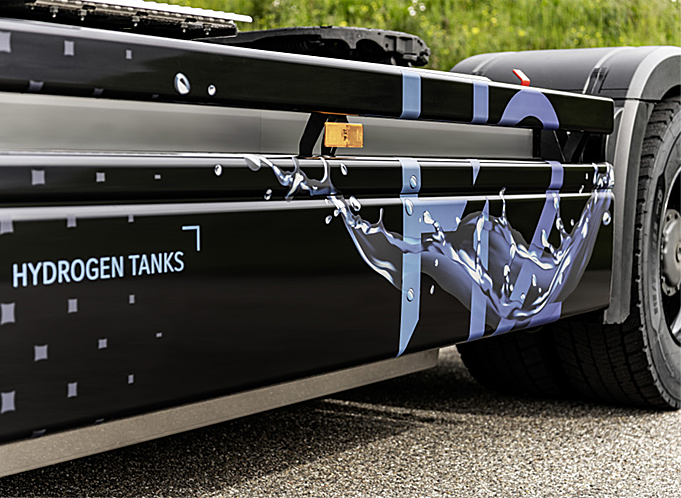
The programme would focus on zero-tailpipe-emission heavy goods vehicles (HGVs) of 30 tonnes and above. It would also support cross-border operations along Europe’s most important transport corridors, where long-distance freight stands to benefit most from hydrogen.
Working alongside national incentives
H2Accelerate stresses that the mechanism should complement national incentives rather than replace them. It would provide extra support only where needed to reach cost parity. The group also expects funding to shrink gradually as hydrogen technology and infrastructure become more competitive.
This design aims to avoid overcompensating operators, while still giving them the confidence to plan long-term investments. A temporary, declining scheme could also be easier to justify to policymakers than an open-ended subsidy.
Timing and next steps
According to H2Accelerate, the EU could introduce the mechanism through its next Multiannual Financial Framework, which covers 2028 to 2034. That timeline would allow the scheme to take shape as more hydrogen trucks and refuelling stations arrive on European roads.
The proposal appears in the third and final paper in H2Accelerate’s recent series of policy recommendations for hydrogen-powered heavy trucks. The earlier papers covered other barriers to adoption, and this one tackles the question of cost.
Industry view on long-term certainty
Charles Cambournac, Managing Director at Hyundai Hydrogen Mobility Germany, said: “Providing long-term certainty around TCO parity would give customers greater confidence to commit to hydrogen trucking at scale.
“That demand is also critical for giving vehicle manufacturers, hydrogen suppliers and refuelling station operators the certainty needed to make their own investments.”
His comments highlight a challenge that runs through the whole sector. Operators hesitate to buy hydrogen trucks until refuelling infrastructure is in place, yet energy companies hesitate to build stations without guaranteed demand. Cost certainty for fleets could help break that deadlock.
What it means for fleet operators
For operators weighing up their zero-emission options, the proposal signals that industry is actively seeking a way to make hydrogen financially viable. The scheme remains a proposal for now, and it would need backing from EU institutions before it could take effect. Even so, it shows where manufacturers and fuel suppliers believe policy support should go.
Fleet managers planning long-term vehicle replacement should keep a close eye on how the discussion develops ahead of the 2028 funding period. If adopted, the mechanism could make hydrogen a realistic alternative to diesel for long-haul haulage across Europe.
What is H2Accelerate?
H2Accelerate is a European industry collaboration uniting hydrogen producers, infrastructure operators, and vehicle manufacturers to scale up green hydrogen fuel cell heavy-duty trucking.
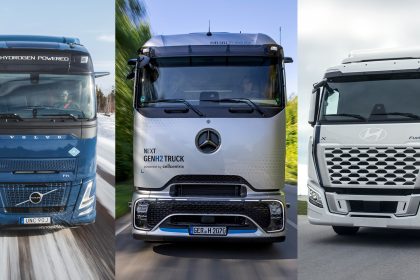
The partnership includes Daimler Truck, Volvo Group, Hyundai Hydrogen Mobility, Linde, TEAL Mobility and TotalEnergies. Together, the members have proposed a temporary support scheme that would give operators certainty over their costs throughout a vehicle’s working life.