
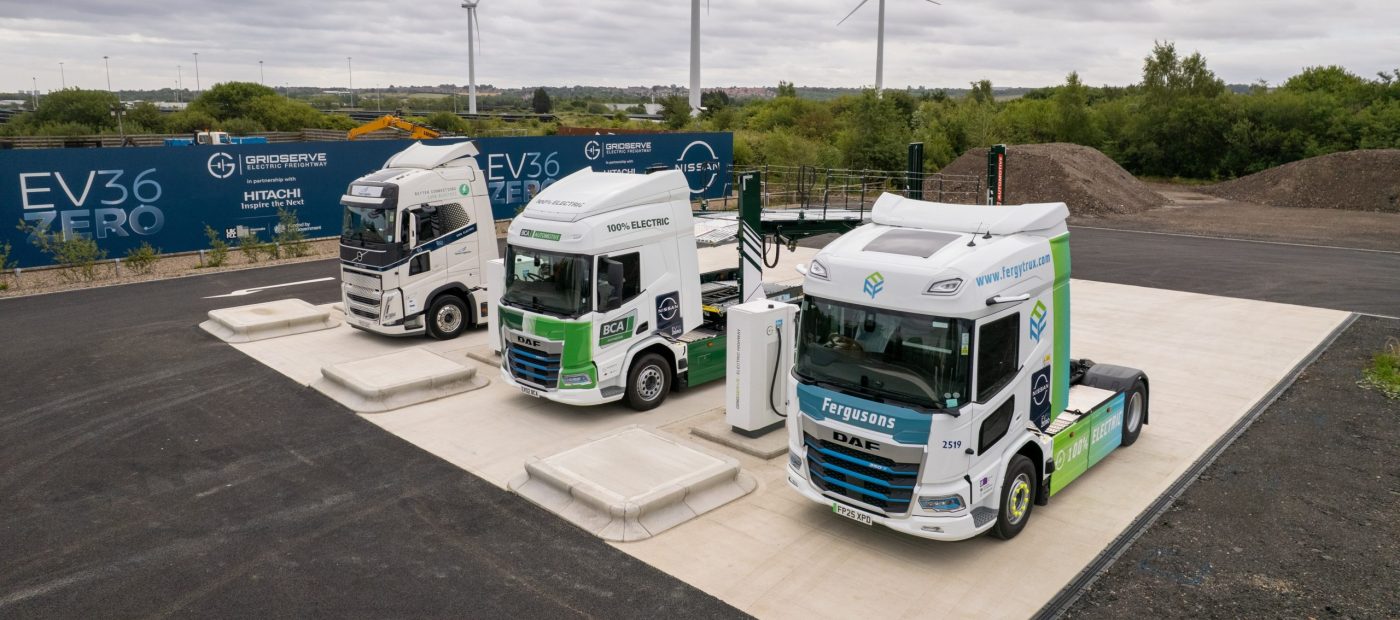
ZEHID first annual report: 240 zero-emission HGVs prove their worth
Innovate UK and WSP have published the first annual report from the Zero Emission HGV and Infrastructure Demonstrator (ZEHID). The report marks a significant milestone and gives fleet operators a detailed look at the programme’s progress, early findings and future direction.
What is the ZEHID programme?
The Department for Transport (DfT) funds ZEHID, and Innovate UK, the UK’s innovation agency, delivers it. It is Europe’s largest coordinated demonstration of zero-emission heavy goods vehicles weighing 40 tonnes or more, along with the infrastructure that supports them.
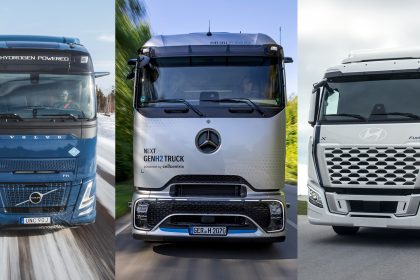
Battery electric and hydrogen-powered vehicles are now working in real-world freight operations. Their performance is generating the evidence that industry needs to invest with confidence. It will also inform infrastructure planning and policymaking.
Progress so far: more than 240 trucks and 40 charging sites
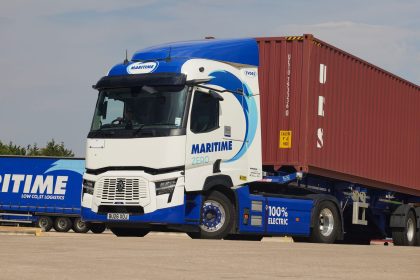
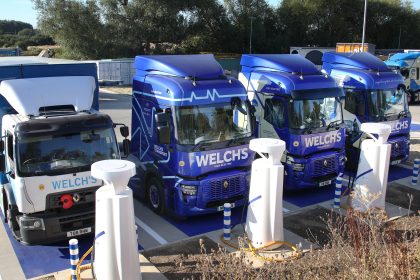
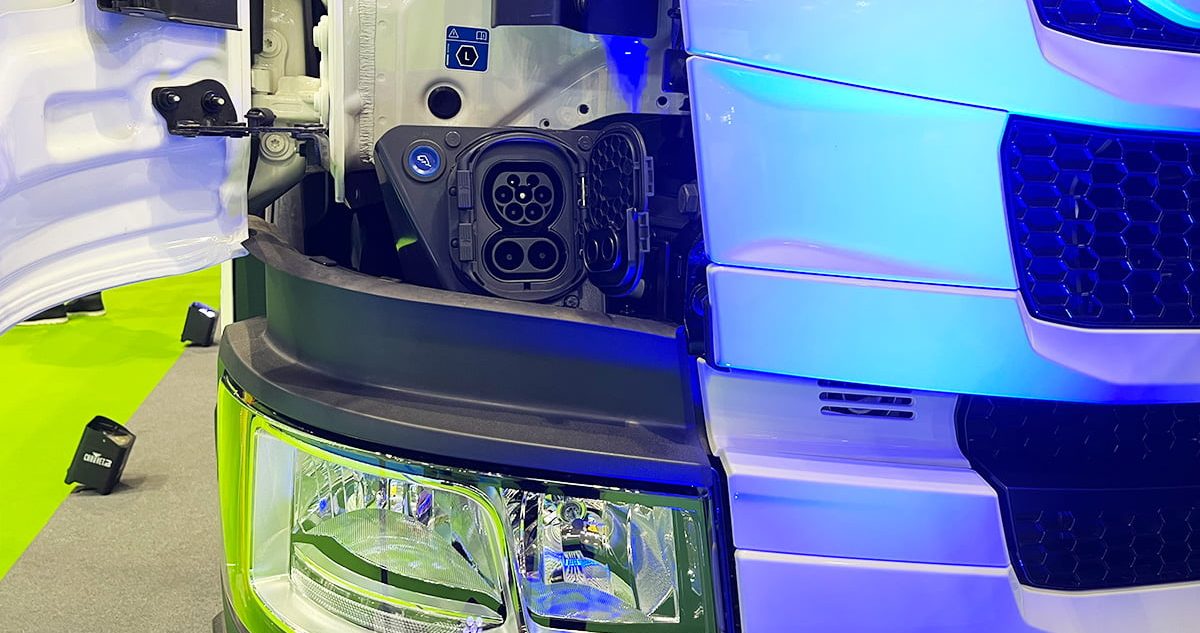
Three active projects drive the programme: Electric Freightway, eFreight 2030 and ZENFreight. Together, they have deployed more than 240 zero-emission trucks and established over 40 charging sites across the UK. By the end of 2026, they expect to reach around 300 vehicles and 70 infrastructure sites.
That growth matters for operators. A wider charging network supports better route planning, and a larger fleet produces a broader pool of data.
Early findings: zero-emission HGVs work on commercial routes
The early findings are encouraging. Battery-electric HGVs weighing up to 44 tonnes are operating successfully on commercial routes to every corner of the UK.
Monitoring has recorded more than 85,000 trips, 2.2 million miles (3.6 million kilometres) and over 550,000 tonnes of freight moved. Together, these figures create an impressive real-world dataset on the performance of zero-emission freight vehicles.
Environmental benefits: an 81% cut in greenhouse gas emissions
The report also sets out the programme’s environmental gains. The trucks have achieved an estimated 81% reduction in greenhouse gas emissions compared with equivalent diesel operations. Cumulative CO₂ savings now exceed 4,000 tonnes.
What happens next?
ZEHID has now entered a five-year monitoring and evaluation phase that will run until 2031. This phase will produce detailed evidence on vehicle performance, infrastructure use, costs, emissions and operational impacts. It will help accelerate the shift to cleaner freight and support the UK’s decarbonisation goals.
Industry reaction
Claire Spooner, Director of the Innovation Service, Innovate UK said: “Zero-emission HGVs are already demonstrating their potential in real-world freight operations across the UK. This first annual report marks an important milestone for the Zero Emission HGV and Infrastructure Demonstrator (ZEHID) programme, providing valuable insight into what is working, where challenges remain and what will be needed to support the wider transition to zero-emission freight.”
Sofia Amaral, Business Director for Sustainable Transport, WSP said: “This first annual report marks an important milestone for the UK’s transition to zero-emission freight. Through our role as independent evaluator, WSP is helping to generate robust, real-world evidence on the performance of zero-emission HGVs and supporting infrastructure at unprecedented scale. These insights will help industry, investors and policymakers make informed decisions about the future of freight decarbonisation.”
What this means for fleet operators
For fleet managers, the report offers something that has been in short supply: independent, real-world data on heavy zero-emission trucks at scale. Operators weighing up a move to battery electric or hydrogen vehicles can use these findings to test their own assumptions about routes, charging and payload.
The coming five years should add further detail on costs and day-to-day operations. That evidence will matter as more fleets plan their own transition.
You can read the full report on the Innovate UK Business Connect website.