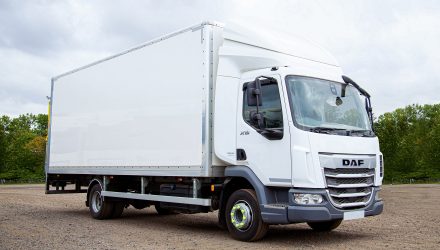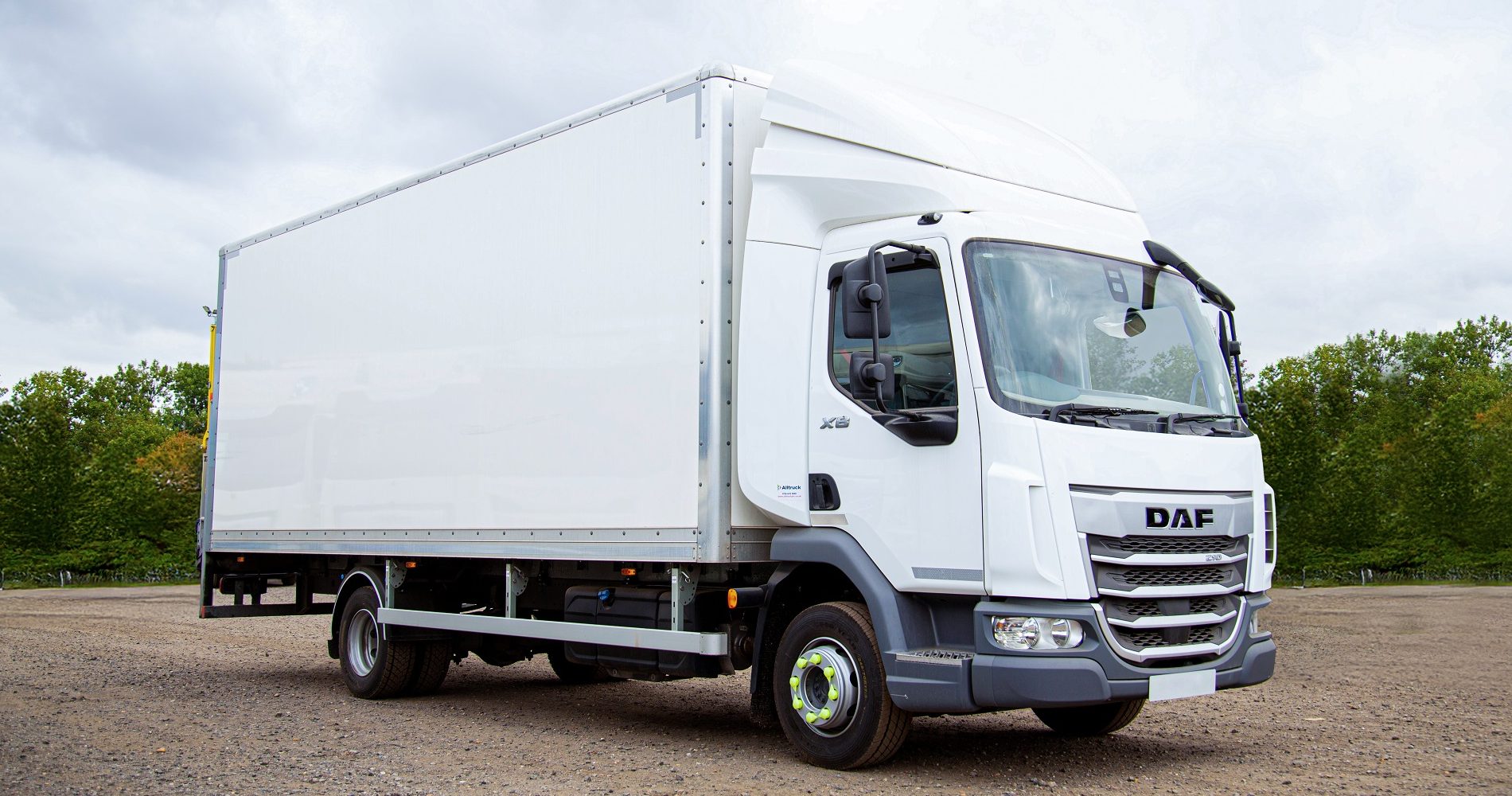

Businesses across the UK are set to benefit from a £1 billion government funding package designed to accelerate the transition to electric vans and trucks. The investment aims to reduce upfront costs, expand charging infrastructure and help fleet operators shield themselves from volatile global fuel prices.
At the heart of the initiative are the Zero Emissions Truck and Van grants alongside the Depot Charging Scheme (DCS), both targeting two of the biggest barriers to electrification: vehicle affordability and access to reliable charging.
Under the scheme, operators can receive up to £81,000 off the cost of the heaviest zero-emission trucks, covering as much as 40% of the purchase price. Electric van buyers will continue to benefit from grants of up to £5,000. In addition, a £170 million boost to the Depot Charging Scheme means businesses and public sector organisations could secure up to £1 million in funding, covering as much as 70% of the cost of installing charging infrastructure for vans, coaches and electric HGVs.
Aviation, Maritime and Decarbonisation Minister Keir Mather said: “This £1 billion investment cuts cost for British businesses, supports jobs, cleans up our roads, and gives operators protection against shifting global fuel prices.
“The logistics sector is the backbone of the UK economy, worth £170 billion and supporting 2.7 million jobs. We’re helping them expand and decarbonise their fleets whilst saving them cash, driving growth up and down the country.”
The announcement builds on earlier government support, including an £18 million uplift introduced in January to reduce the cost of zero-emission lorries by up to £120,000. Major operators such as Marks & Spencer and Wren Kitchens and Bedrooms have already taken advantage of funding to electrify their fleets and lower operating costs.
Lee Holmes, Transport and Logistics Director at Wren Kitchens and Bedrooms, said: “Government investment gives businesses like Wren the confidence to accelerate fleet decarbonisation while maintaining operational stability, even in periods of economic uncertainty.
“With this support, we’ve brought a number of 44-tonne e-trucks into our fleet alongside a rapid charging infrastructure, reducing our reliance on traditional fuels and strengthening resilience and reliability against ongoing market volatility.”
Julian Bailey, Head of Group Transport at Marks & Spencer, added: “In 2021, we set ourselves the ambitious target of becoming a net zero business across our value chain by 2040. Since then, we’ve made some great progress, which includes the onboarding of 24 battery electric vehicles across our transport fleet.
“We welcome this investment which serves as a reminder of the importance of the logistics sector in the UK and its role in decarbonisation.”
The funding also complements wider government efforts to boost electric vehicle adoption. Support for passenger EVs, including grants that have helped more than 80,000 drivers save up to £3,750, and over £600 million committed to expanding the UK’s charging network, are helping to build confidence across the market. With more than 118,000 chargers already available and one in four new cars now electric, infrastructure growth remains a priority.
Industry bodies have broadly welcomed the measures. British Vehicle Rental and Leasing Association Chief Executive Toby Poston said: “The Depot Charging Scheme is playing a vital role in helping fleet operators and rental companies to install affordable, reliable charging infrastructure at their depots.
“The vehicle rental sector faces one of the most challenging paths to decarbonisation, and this additional support for depot charging will play a major role in building confidence. It will encourage more rental operators – particularly SMEs – to electrify at scale, reduce costs, and contribute to the UK’s net zero goals.”
However, challenges remain. Commercial vehicle operators, responsible for moving around 80% of goods in the UK, continue to face rising fuel costs, with some reporting increases of more than 30% in recent weeks.
Road Haulage Association Managing Director Richard Smith said: “Today was a missed opportunity from the Chancellor to cut fuel duty and reassure key sectors like ours. In terms of fuel price scrutiny, we’re clear that this must not stop at the forecourt.
“Our essential industry is a key economic enabler. That is why we have been calling for the planned fuel duty rise to be scrapped, along with any link to future inflation rises. Such a rise would be a hammer blow for many firms.
“We are also calling for an essential fuel user rebate for commercial vehicles. These are sensible measures that would give businesses much-needed confidence at this uncertain time.
“We need to see action from Government. We want to meet with the Chancellor urgently to discuss these matters in greater detail.”
Further industry voices stress that while upfront support is improving, operational costs must also be addressed. Jarrod Birch of ChargeUK commented: “The direction of travel for trucks and vans is clear – electrification. We called for more enduring funding for electric trucks earlier this year and the Government has delivered. Combined with the funding for depot charging this will really help to tackle businesses’ up-front costs when considering electrification.
“But running costs are just as important and Government has yet to deliver a solution to the policy driven costs which inflate the bills to charge these vehicles. There is a real danger fleet owners will invest in electrification only to be crippled by high standing charges when they are well down the road.
“The market requires a dedicated HGV infrastructure fund and relief for standing charges on depot charging to bring down the total cost of ownership and speed up adoption of cleaner trucks and vans.”
Manufacturers have also welcomed the announcement. James Charnock, Interim Managing Director at Renault Trucks UK & Ireland, said: “As a pioneer in decarbonised transport across both trucks and vans, we welcome this announcement as exactly the boost the industry has been waiting for. By directly addressing the critical barriers of high upfront costs and infrastructure investment, the government is enabling operators to move forward with greater confidence.
“The Zero Emission Truck and Van grants and the Depot Charging Scheme will help unlock the business case for fleet electrification, accelerating the transition from ambition to action. For operators, switching to electric is no longer just an environmental imperative, it is a strategic opportunity for sustainable growth, improved total cost of ownership over time and long-term competitiveness.”
Chris Morrison, CEO of Fleete Group, added: “Fleete is investing private capital to build out low-cost nationwide charging infrastructure for electric trucks. To build more infrastructure, we need to know there will be enough electric trucks on the road, and this happens when the electric trucks are competitive with diesel.
With the new Zero Emissions Truck and Van grant announced today that is a reality. The grant helps bridge the gap until innovation and scale can drive costs down further to a point where the subsidy is not needed.
Our latest Total Cost of Ownership calculator incorporates the new grant and latest diesel price showing that it is now as cost effective buying an electric truck as a diesel truck.”
The £1 billion funding package represents a significant step forward for the UK’s logistics sector, helping to accelerate the shift to zero-emission vehicles while supporting long-term economic resilience and sustainability.