
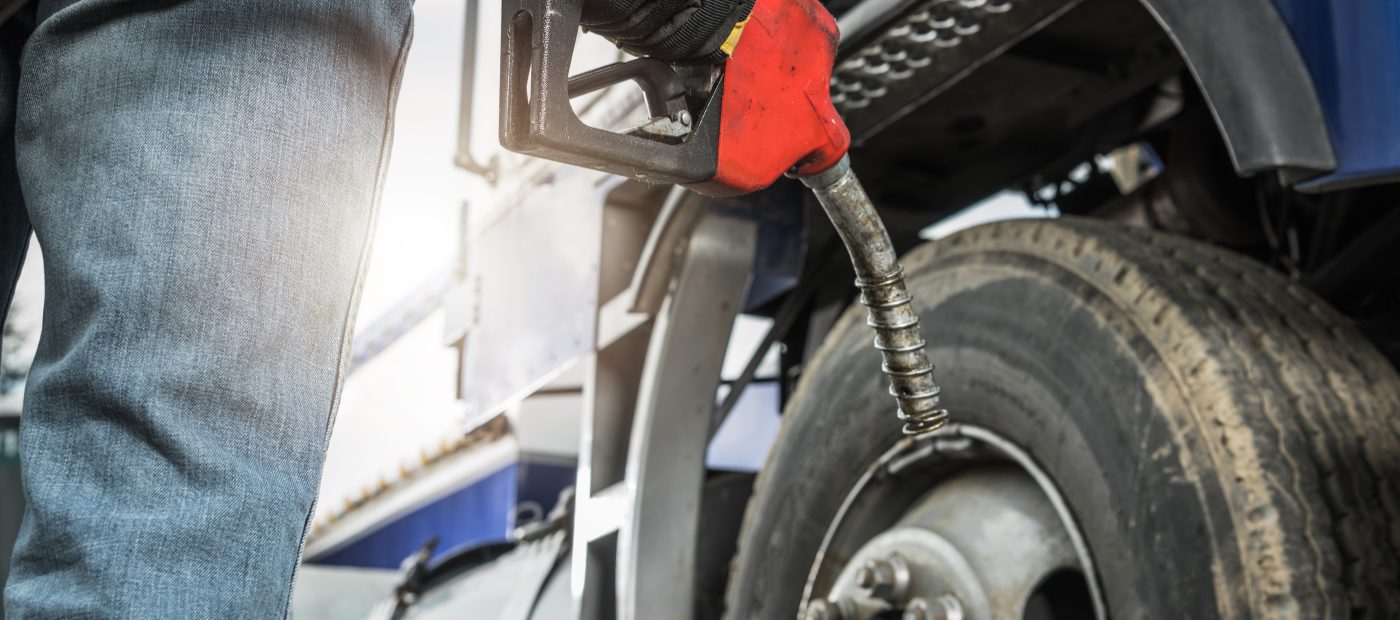
£2 Diesel: Is Europe’s Haulage Industry Reaching Breaking Point?
As UK diesel prices hit a record £2 per litre, SNAP warns that escalating fuel costs could place further pressure on European haulage businesses, with operators already facing an additional £350 per truck every week.
The cost of keeping Europe’s goods moving is rising sharply, as record-breaking diesel prices threaten to push already stretched haulage businesses towards breaking point.
With UK diesel prices exceeding £2 per litre for the first time in history, SNAP is highlighting the mounting financial pressures facing the road transport industry and the importance of operational efficiency, smarter fleet management and greater cost control.
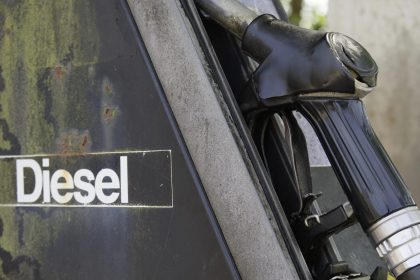
According to the RAC, the average price of diesel reached a record 200.01p per litre on 2 October 2026, representing a 40.5% increase since the end of February, when diesel averaged 142.38p per litre.
For haulage operators, the consequences are significant.
The Road Haulage Association (RHA) has warned that transport businesses are now paying approximately £350 more per truck every week in fuel costs compared with before the conflict in the Middle East.
If sustained over a full year, that increase would equate to an additional £18,200 for a single HGV, or £910,000 for a fleet of 50 vehicles, before factoring in other rising operating expenses.
With typical haulage profit margins sitting at around just 2%, according to the RHA, these increases could have serious consequences for operators already working under considerable financial pressure.
A growing financial challenge for Europe’s hauliers
The surge in diesel prices comes at an already challenging time for the European road transport sector.
From rising maintenance and insurance costs to driver shortages, regulatory requirements and growing administrative pressures, haulage businesses are being forced to manage increasingly complex operations while maintaining competitive pricing.
Fuel remains one of the industry’s most significant operating expenses, meaning even relatively small price increases can have a substantial impact on profitability.
For smaller haulage businesses, particularly those operating on fixed-price contracts, absorbing additional fuel costs can quickly become unsustainable.
The consequences could extend far beyond the transport industry itself.
Road freight is fundamental to Europe’s supply chains, supporting everything from supermarket deliveries and agricultural production to manufacturing, construction and international trade.
As operating costs rise, haulage businesses may face difficult decisions around pricing, fleet investment and business expansion, with increased transport costs potentially passed along the supply chain to businesses and consumers.
Efficiency is becoming a necessity, not a luxury
While haulage operators have limited control over global fuel prices, there are opportunities to reduce unnecessary expenditure and improve the efficiency of everyday fleet operations.
From better route planning and reducing unnecessary mileage to simplifying payments and minimising administrative processes, the ability to manage costs effectively is becoming increasingly important.
Nick Long, Head of Commercial UK & Ireland at SNAP said:
“The haulage industry is the backbone of Europe’s economy, but the financial pressure facing operators is becoming increasingly difficult to ignore.
“When diesel reaches £2 per litre and businesses are potentially spending hundreds of pounds more per vehicle every week, the impact on an entire fleet can be enormous. For operators already working with narrow margins, these additional costs can make the difference between a profitable journey and a loss.
“Although businesses cannot control global fuel prices, they can look at ways to improve operational efficiency and gain greater visibility over their spending. Reducing unnecessary administration, planning journeys effectively and making everyday fleet operations simpler can all help businesses navigate these challenging conditions.
“At SNAP, we recognise that keeping fleets moving is about more than facilitating payments. It is about connecting drivers, fleet operators and service partners through solutions that make transport operations simpler, while ensuring drivers have access to the facilities and services they need throughout their journeys.”
The importance of supporting drivers as costs rise
As haulage businesses face growing financial pressures, SNAP is also highlighting the importance of ensuring that cost-saving measures do not come at the expense of driver welfare or safety.
With operators looking for ways to manage expenditure, access to safe and secure truck parking, suitable rest facilities and reliable roadside services remains essential.
Professional drivers already face significant pressures, including demanding schedules, congestion, long periods away from home and the challenge of finding suitable places to stop.
Cutting corners on driver welfare is not a sustainable response to rising operating costs.
Through its growing European network, SNAP connects fleets and drivers with truck parking, washing and other essential transport services, while helping operators simplify payments and manage transactions through the SNAP Account.
By bringing services together within one digital ecosystem, SNAP aims to reduce administrative complexity and support more efficient fleet operations.
A warning for the wider supply chain
With uncertainty surrounding global fuel markets, the challenges facing Europe’s haulage sector are unlikely to disappear overnight.
For an industry responsible for keeping goods moving across borders, the combination of rising costs, narrow margins and ongoing operational pressures raises important questions about long-term resilience.
SNAP believes greater collaboration between transport businesses, service providers and the wider logistics industry will be increasingly important in helping operators adapt.
As diesel prices reach unprecedented levels in the UK, the message is clear: supporting the businesses and drivers responsible for keeping Europe moving has never been more important.
For more information about SNAP and its services, visit www.snapacc.com.