
How efficient fleet yard design supports ESG goals
UK fleet and transport managers are feeling increasing pressure to meet Environmental, Social and Governance (ESG) targets while keeping operations running smoothly. Success requires addressing the physical layout of your depot, where efficient design directly influences congestion, compliance and carbon output before a single lorry even leaves the facility.
Link Yard Design and Green Logistics
Green logistics centres on reducing the environmental impact of moving, handling and storing goods throughout the supply chain. Your depot plays a larger role in this than you may realise.
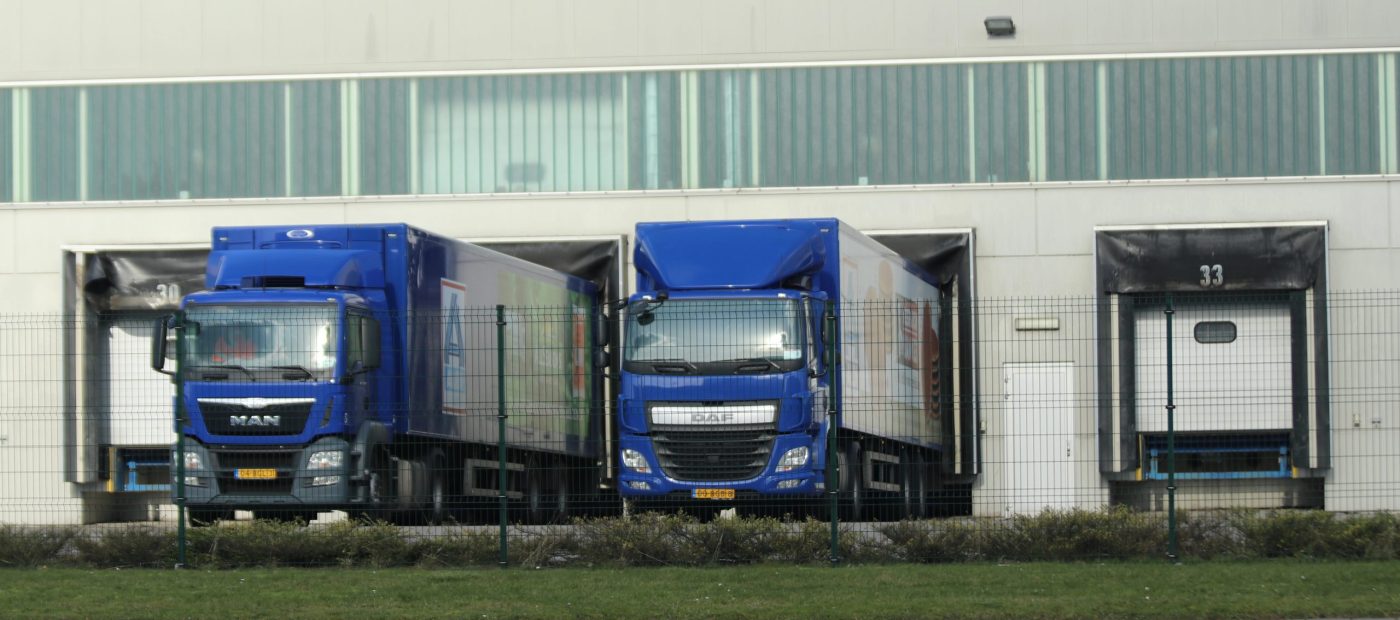
The physical design of your facility determines how smoothly vehicles enter, load, manoeuvre and exit, while poor layouts create bottlenecks that force drivers to wait for loading bays to clear. Each minute of unnecessary idling burns fuel and releases emissions without contributing to productive work. When you multiply these inefficiencies across daily operations, the carbon footprint can become substantial.
Strategic placement of loading zones, adequate circulation space and logical traffic flow patterns keep vehicles moving efficiently through a well-planned depot. This translates into lower fuel consumption, reduced emissions and better compliance with environmental targets.
Reduce Congestion with Smart Layouts
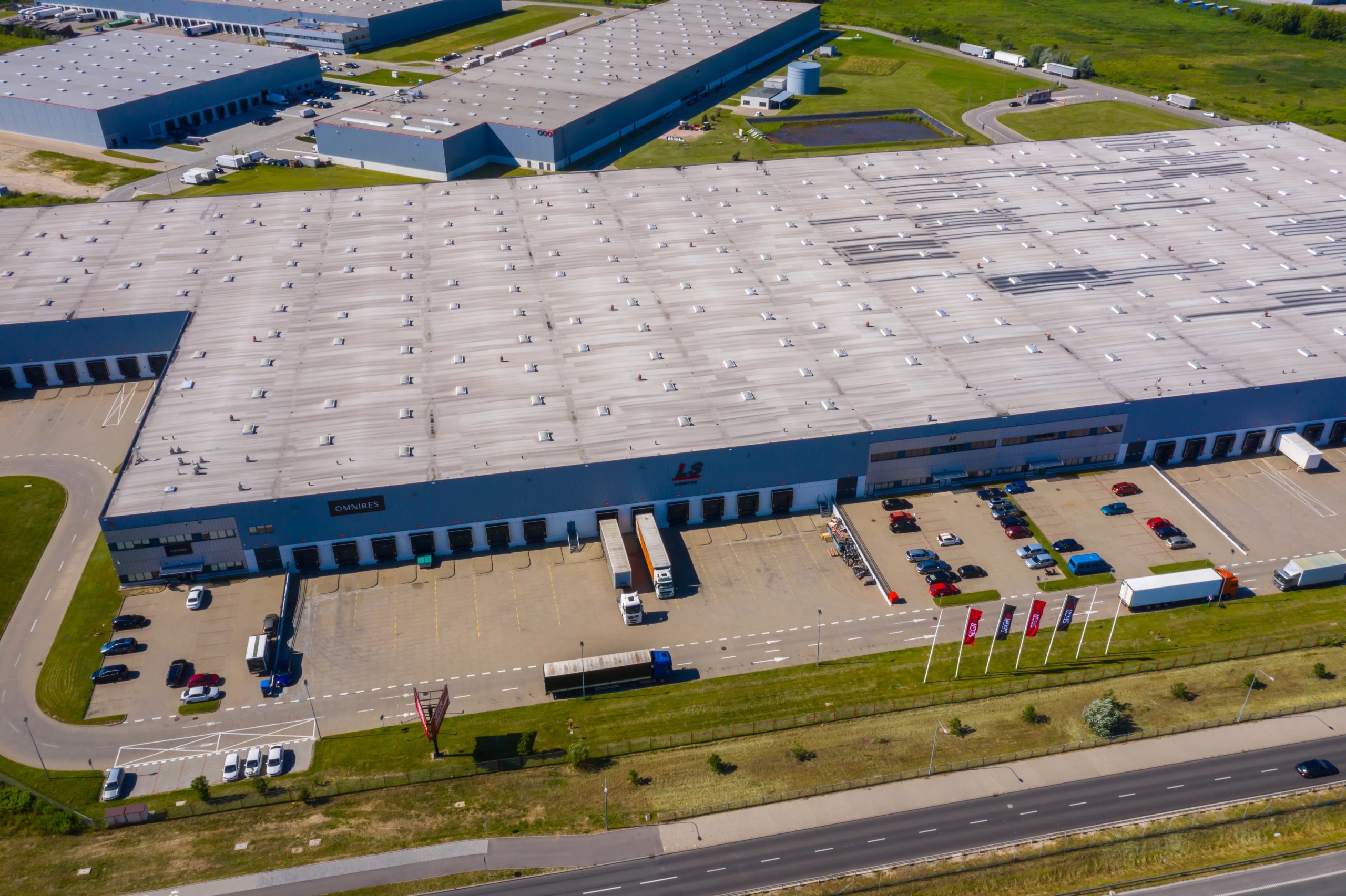
Widening turning circles, adding bypass lanes or creating dedicated queuing zones all reduce bottlenecks through simple layout changes. Some organisations and government services have successfully reduced their carbon footprint by rationalising depot operations and implementing consolidations into redesigned facilities that support cleaner fleet operations.
Third-party warehouses introduce specific delivery and collection windows for hauliers, which prevents queues when multiple lorries arrive at once by staggering arrival times. Drivers spend less time waiting, and carbon output drops accordingly.
You can apply the same principle by implementing scheduled time slots for deliveries and collections during peak periods. Scheduling requires coordination with suppliers and customers, but the operational and environmental benefits justify the effort.
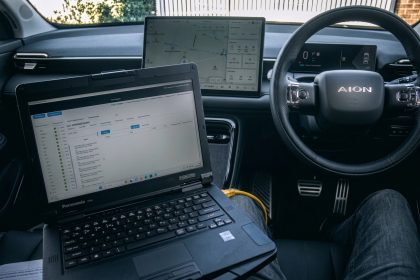
Modern fleet operations generate substantial information that should inform your physical layout decisions. Specifically, fleet management software catalyzes better decision-making by identifying patterns in vehicle movement and peak activity periods.
Your metrics might reveal patterns you wouldn’t expect, such as loading bay problems during afternoon shifts, which point to specific fixes rather than wholesale redesigns. If your observations focus on what’s obvious and what’s worked before, you may assume your operations are running smoothly. Track the average time vehicles spend on-site, the fuel consumed during operations and the frequency of traffic conflicts to establish baselines that measure improvement and justify layout investments.
Just as warehouse managers analyse traffic patterns to optimise layouts, fleet managers should apply the same logic to depot design. Your information might show that you frequently receive shipments at a congested dock at your facility. In these cases, a U-shaped layout can reduce unnecessary vehicle movements compared to the linear arrangement of an I-shaped or L-shaped yard.
Support the Transition to EV Fleets
Electrifying your fleet is a big step towards net-zero targets, but it demands careful depot planning that considers the purchasing of new vehicles. Installing electric vehicle (EV) charging infrastructure means assessing your existing electrical capacity. It also means understanding the necessary civil engineering works, such as trenching and ducting, and planning charge point locations with practical traffic flow considerations in mind.
EV charging is different from traditional refuelling, where vehicles spend minutes at a diesel pump before moving on. EVs require extended periods in dedicated parking spaces designed to avoid obstructing traffic flow, which influences the yard design.
Planning infrastructure requires thinking about your future fleet size, since installing capacity that supports only your present needs creates problems as your operation scales. Build excess capacity into your electrical system and reserve space for additional charging points to prevent costly retrofitting later.
Future-Proof Your Operations
Efficient depot design solves today’s congestion challenges while positioning your organisation for stricter environmental regulations ahead. The decisions you make now determine whether your facility can adapt to compliance requirements or become an obstacle to progress.
Audit your current depot by examining traffic patterns and inefficiencies, and then ask whether the space actually supports your ESG commitments. In the end, smart design is essential infrastructure for sustainable fleet management.
Author: Evelyn Long, Editor-in-Chief of Renovated Magazine