

Downtime costs more than you think
A Data-Driven Look at Equipment Failure and Fleet Resilience
Equipment failure creates repair costs and wider operational losses across your fleet. Lost productivity, disrupted schedules and strained customer relationships can stretch the impact across your operation. Evidence from vehicles, warehouse machinery and specialist equipment can help you assess the impact of downtime on fleet resilience alongside your own operating records.
Evelyn Long, the founder and editor-in-chief of Renovated, discusses the costs to businesses of downtown, and examines how a data driven approach can alleviate the consequences.
The Real Price Tag Behind Your Fleet’s Downtime
When you calculate downtime, replacement hire and the time spent rearranging deliveries fall alongside repairs and lost revenue. A missed delivery window can also affect your customer relationships, especially when you have little spare capacity to recover a disrupted schedule. That leaves you managing both the immediate expense and the consequences of falling behind.
Your exposure grows when vehicles need more attention and workshop space is scarce. Poor road conditions compound the problem by causing wear on the suspension, steering and tyres.
ABAX, a management platform serving over 40,000 customers across Europe, explains that the true cost of downtime goes beyond a repair bill. It states, “Nearly half of UK fleets (48%) face direct financial penalties from their own customers if a vehicle is out of service for a week or more.”
When prioritising repairs, consider which of your contracts expose you to additional charges and how quickly they could apply.
Knowing When It’s Time to Replace Your Ageing Equipment
A repair quote also needs context when you decide whether to retain a forklift, warehouse machine or other material handling asset. Consider whether the proposed work will restore the service you need and how further time out of action would affect your operation.
Watch out for the telltale signs it’s time for equipment replacements. For example, one way to tell when to replace forklift batteries is to check for corrosion. Be careful of white or bluish corrosion from spilt electrolyte. Eastern Lift Truck Co., which brings over 50 years of material handling experience to its battery guidance, warns that deposits can “burn your skin and eyes” upon contact.
Knowing when to replace forklift batteries also involves recording shorter runtimes, reduced output or longer charging times under comparable workloads. These changes warrant battery and charger testing. Plan replacement when a professional assessment confirms that repairs cannot restore the service your operation requires.
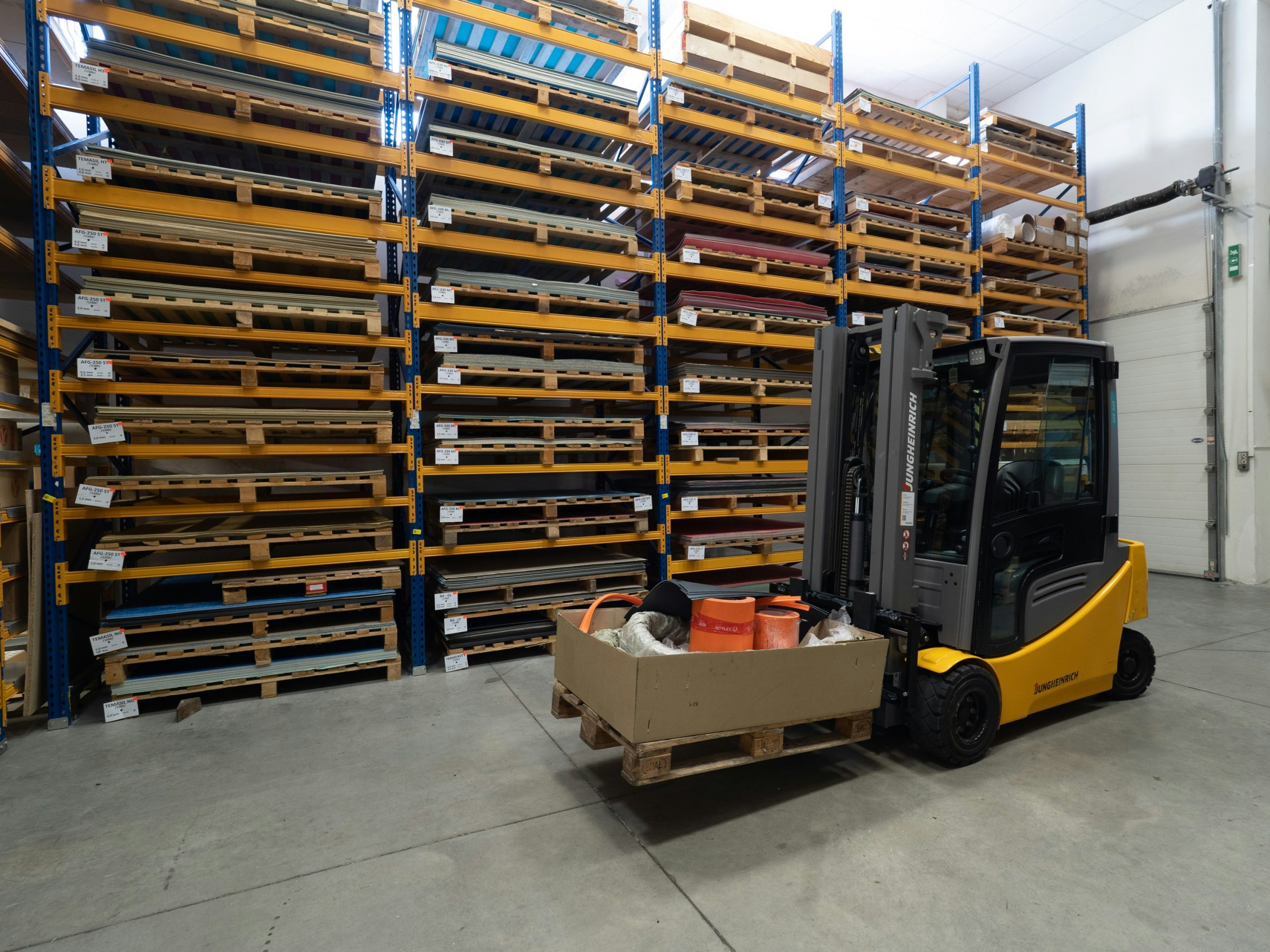
For a longer-lasting alternative, Eastern Lift Truck Co. suggests a lithium-ion battery because “The lifetime of a li-ion battery is 3,000 cycles, which is 2-3 times longer than lead-acid.”
When considering alternatives for your current battery, be sure to account for shift requirements and charger compatibility. To assess how much a forklift battery replacement costs over its working life, weigh the installed quote against expected cycles, charging requirements and upkeep.
Apply the same principles to your other equipment and vehicles. Watch out for signs that it’s time for a replacement and consider going for an upgrade to reduce downtime down the line.
How Downtime Ripples Beyond Your Vehicles
A forklift awaiting repair may delay loading just as a vehicle breakdown disrupts deliveries. While you arrange repairs, you may need to adjust dispatch plans, reassign staff and reorganise warehouse activity to keep your operation moving.
Your maintenance partner needs to know when those adjustments change how you use an asset. If you increase mileage or alter routes without sharing the details, servicing may continue to follow a plan built around an outdated workload.
It’s best to develop and share vehicle-specific usage plans with your maintenance provider to reflect actual demand. An increase from 100,000 kilometres to 200,000 kilometres annually calls for a revised programme for your heavy goods vehicle. Equally, your motorway work requires a different approach from low-mileage, stop-start duties.
When arranging cover, check how replacement duties fit around servicing, safety requirements and compliance commitments. Include those constraints in your dispatch decisions so that recovering one part of the schedule accounts for obligations elsewhere.
Building Fleet Resilience With Data-Driven Maintenance
With mileage, engine hours and service history available, you can translate changing workloads into workshop bookings. The practical challenge is deciding what should trigger an appointment and who will act when that point approaches.
You can schedule automatic maintenance based on data, such as mileage and engine hours, alongside calendar reminders. These triggers can help you arrange servicing before faults develop and cause unplanned downtime. Assign someone to review notifications and book the work so each alert has a clear next step.
For an example of monitoring developing faults, consider Geotab’s work with Go-Ahead Group, which has deployed its telematics across over 6,000 UK buses. Geotab reports that “between 8 and 10 vehicles are identified per month at Go-Ahead London, saving up to £20,000 per engine” by preventing catastrophic failures.
Your achievable savings will depend on your assets and operating conditions. Review your repair history to identify recurring faults worth monitoring. Then, compare the cost of intervention with the disruption you could avoid.
Turning Downtime Data Into Your Fleet’s Next Advantage
Start with an asset whose failures regularly disrupt your schedule and evaluate its repair history, usage data and service commitments. That review can inform your next decision about whether to repair or replace the tool. Applying that discipline across vehicles and supporting equipment helps you prioritise action while protecting the work that depends on each asset.