

Depot electricity renewal? Ask for the new-customer price first
Your depot’s electricity bill used to be a line in the overheads. As more vans and cars charge back at base, it is becoming a fleet cost, and one that deserves the same attention as fuel, tyres and insurance.
Yet at renewal time, most depots do what they have always done. The supplier sends over a renewal price, it looks like a sensible number, and the contract is renewed because staying put feels like the safe choice. Andy Hunter a director at Evolve Energy Green Solutions (EEGS), suggests in this article, that it is worth ten minutes of checking first.
What I found
Recently I looked at one supplier’s current prices, as at November 2026. For a busy site, the renewal price was up to about £1,000 a year more than that same supplier was offering a new customer for the identical deal. Same supplier, same product, same site.
I am not naming the supplier, because the point is the habit of checking rather than any one company. It is also a snapshot from one supplier on one day. Prices move, and your own gap could be bigger, smaller or nothing at all. But it is a simple thing to check, and most fleet managers are never told.

In an earlier piece for Motor Transport I looked at how the same deal can cost different amounts depending on where a depot sits. Renewal is the other half of the story.
Read the letter properly
When the renewal letter arrives, resist skimming for the headline rate. Look for:
- the contract end date
- the unit rates and standing charge, and whether the quote is before VAT and other charges
- what happens if you do nothing
- any notice you must give if you want to leave
Put the dates in the diary the day the letter arrives, not the week before they bite.
Ask for the new-customer price
This is the simple step. Ring or email your supplier and ask: “What would you charge a new customer for this site, on the same term and the same product?” Then set the answer beside the renewal price.
If there is a gap, ask them to close it. If they will not, you have a reason to get quotes elsewhere. Ask for everything in writing, and check you are comparing like with like: contract length, fixed or flexible pricing, and payment terms.
Know your two dates
Every contract has an end date, and many have a termination notice date as well. They are not the same thing, and missing the second can mean you cannot leave when the first arrives.
Ofgem gives microbusinesses extra protections. A microbusiness has fewer than 10 employees and a turnover or balance sheet total of no more than £2 million, or uses up to 100,000 kWh of electricity a year. Where that applies, your supplier must give you information about renewal prices before your contract ends, and termination notice is limited to 30 days on evergreen contracts. If your business is larger, those protections may not apply, so read your own contract.
Mind the gap after the end date
If a contract ends and nothing new is agreed, you may be rolled over, or moved to out-of-contract or deemed rates. Ofgem says both are usually more expensive than a fixed-term deal. The bill keeps arriving whether or not you have chosen the price.
Charging changes the picture
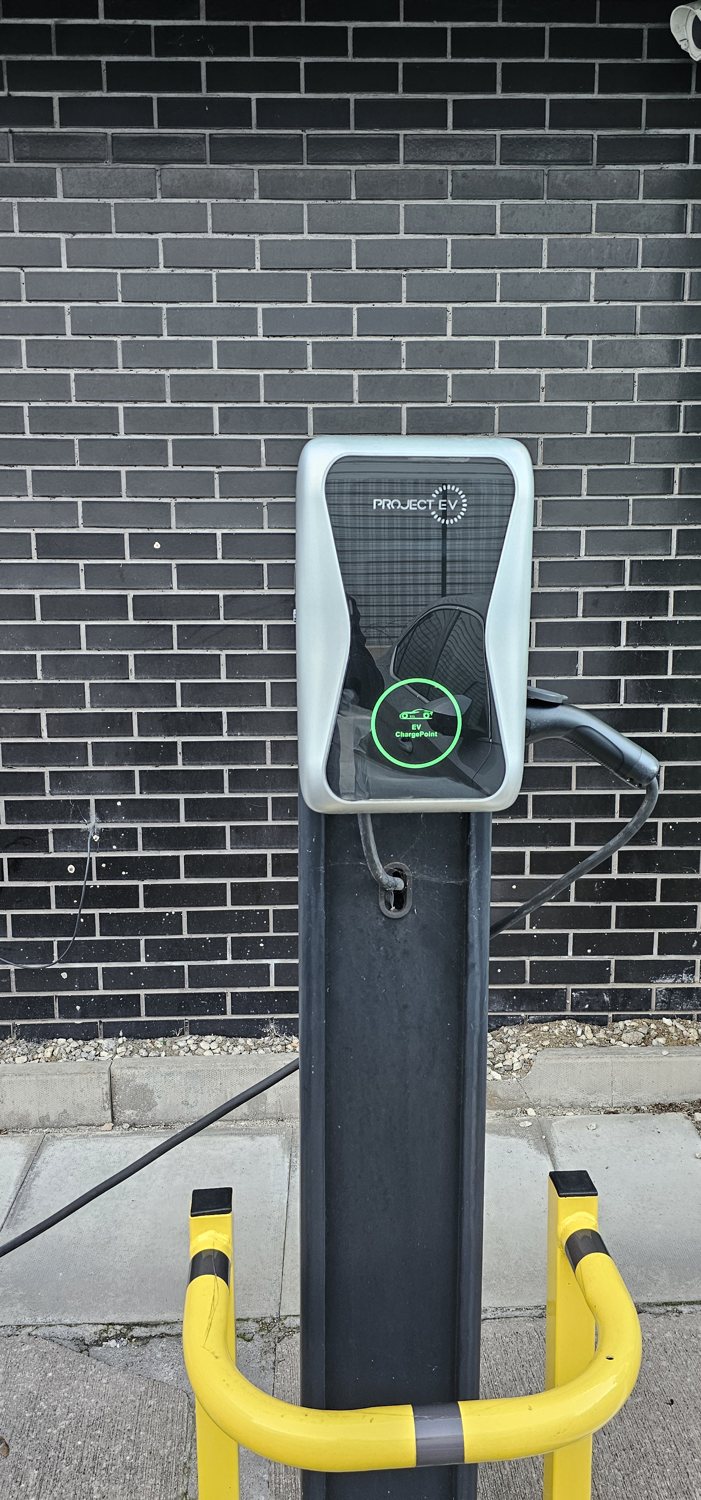
If you are adding chargers at the depot, your contract may no longer fit your site. Two things are worth raising with your supplier.
First, volume. More vehicles charging at base means more electricity used. If your renewal is priced on last year’s consumption, ask whether it still reflects what you expect to use, and whether the contract limits how far your usage can rise before the rates change.
Second, capacity. Charging often happens in the same few hours, typically overnight or between shifts, which can push up your peak demand. Check the supply capacity agreed for your site, and ask your network operator early if you expect to need more. That conversation can take time, so do not leave it until the chargers are on the forecourt.
Check your invoices
A good price on paper only helps if the invoice matches it. Each month, take a few minutes to check three things. Are the meter readings actual rather than estimated? Do the unit rates and standing charge match the contract? Are there any charges you do not recognise, including for capacity?
Budget ahead
You may see headlines about the January price cap. Cornwall Insight published a forecast on 18 November that it will rise by 26% to £2,166 for a typical household, up from £1,723. That is a forecast, not a decision, and Ofgem announces the cap by 25 November. It is also a household cap. Business contracts are not capped, so it will not set your depot’s price.
It is still a useful reminder that energy costs move. Build the expected change in electricity use into your budget before the renewal arrives, so the number in the letter is not a surprise.
Before you sign
Read the letter, ask for the new-customer price, check your two dates, and think about what charging will do to your usage. None of it takes long, and it is far easier to do before you sign than after.