
Electric vans could cut fuel bills by up to 87%, research finds
With diesel reaching £2 a litre in parts of the UK, van drivers and fleet operators are taking a much harder look at what it costs to keep their vehicles on the road. New research from Volkswagen Commercial Vehicles suggests that switching to an electric van could cut fuel bills by up to 87%, offering a substantial saving for businesses squeezed by rising costs.
The pressure at the pumps is clear. The average UK diesel price has risen sharply since late 2025 and had reached approximately 183.49p per litre by September 2026. For anyone who relies on a van to earn a living, that increase feeds directly into the cost of every job, delivery and site visit.
Volkswagen Commercial Vehicles surveyed more than 1,000 UK van drivers, and the results show how closely fuel costs are influencing buying decisions. More than half of respondents (58%) said the gap between the price of fuel and the cost of charging an electric van was a primary reason for considering the switch.
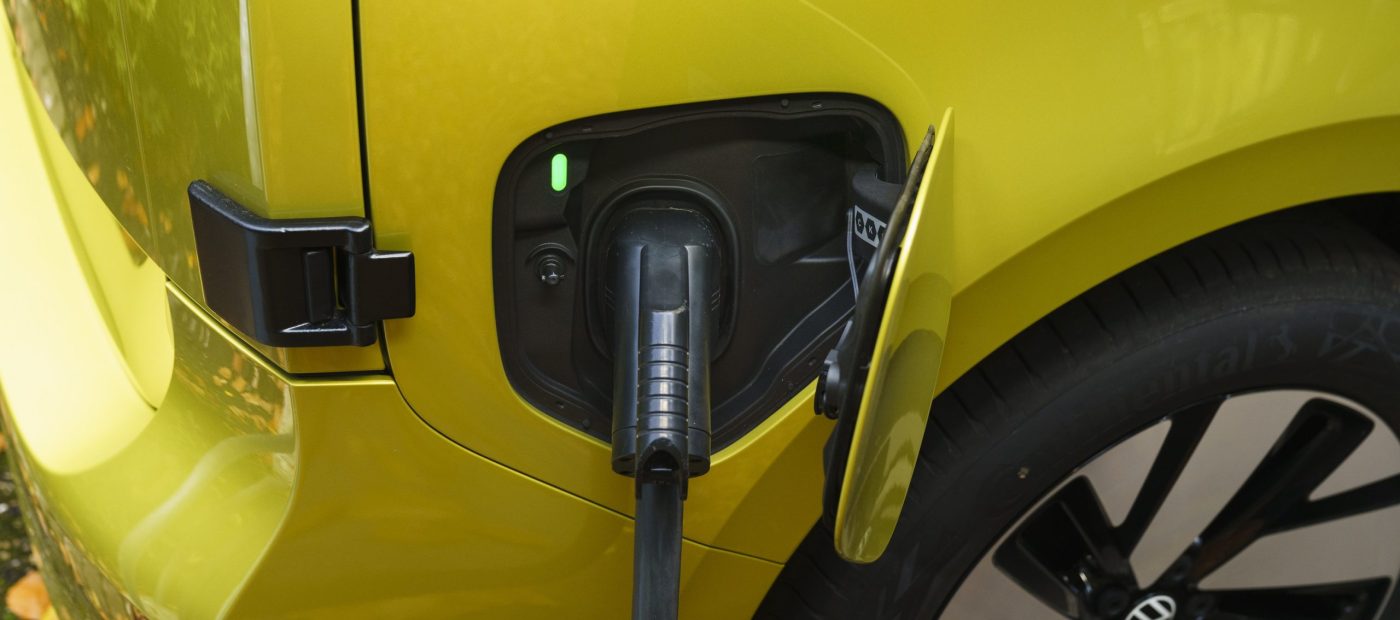
According to the research, the average van driver covers 13,190 miles a year. In a diesel van, that mileage would cost around £2,770 in fuel annually. If the same driver moved to an electric van and charged at home or overnight in a depot, the annual fuel bill would fall by 87% to £369.24, a saving of around £2,400 every year.
For a single-van business, that is a meaningful sum. For a fleet operator running dozens or hundreds of vehicles, the potential savings multiply quickly. The figures assume charging at home or in a depot, which is typically the cheapest way to charge, so fleets with off-street parking and overnight dwell time are best placed to benefit.
Attitudes towards electric vehicles appear to be shifting quickly. Of the van drivers surveyed, 66% believe electric vehicles are suitable for their business, while 61% plan to purchase an electric van within the next 12 months. Concerns about suitability have long been one of the main barriers to adoption, so these findings suggest that confidence is growing as the technology matures and the running-cost case becomes harder to ignore.
John Ricardo-Neto, Head of Product Planning at Volkswagen Commercial Vehicles, commented: “We know drivers are really feeling the pinch as the cost of living continues to rise, and this is all too apparent when van drivers fill up at the pumps. Fuel costs have gone up by 30% over the last year and this is making electric vans an even more attractive choice.
“This research highlights that the savings that could be made on fuel are significant, impacting businesses’ bottom line; and this alongside lower servicing costs, a near silent powertrain and smoother driving experience.”
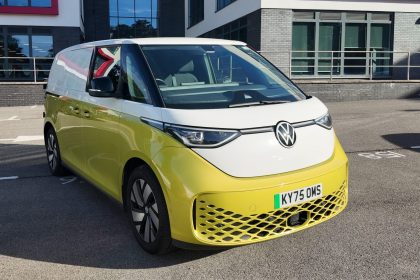
For businesses weighing up their options, the Volkswagen ID. Buzz Cargo is one of the models at the centre of this conversation. With a standard 79 kWh net battery, it delivers 286 PS (210 kW) of power and a WLTP electric range of up to 277 miles, which is equivalent to roughly one charge per week for the average van driver. That kind of range goes a long way towards easing the worries some operators have about running out of charge mid-shift.
Prices start from £26,265 excluding VAT, with the Plug-in Van Grant deducted. The ID. Buzz Cargo is available in two trim levels, Commerce and Commerce Plus. Both offer business-ready practicality, advanced connectivity and a range of driver assistance systems, so operators can choose the specification that suits their workload and budget without giving up the features that make daily driving easier.
Volkswagen Commercial Vehicles is also expanding its electric line-up for operators with more demanding requirements. The new e-Transporter is a heavy-duty commercial vehicle built for long working days, offering up to 6.8m³ of load volume and 1.0 tonne of payload capacity, depending on trim. It can travel up to 225 miles on a single charge, making it a realistic option for a wide range of trades, delivery operations and service fleets.
These models form part of a growing range of products and services designed to support businesses as they make the transition to electric. For fleets, that support matters as much as the vehicles themselves, because a smooth switch depends on the right charging arrangements, sensible vehicle choices and a clear understanding of total cost of ownership.
With diesel prices continuing to rise and fuel costs up by 30% over the past year, the financial case for electric vans is becoming increasingly difficult to dismiss. Lower fuel bills, reduced servicing costs and the availability of the Plug-in Van Grant all work in favour of operators considering the move. As more drivers report that electric vans suit their business, fleets that start planning now may be better placed to control costs and stay competitive in the months ahead.