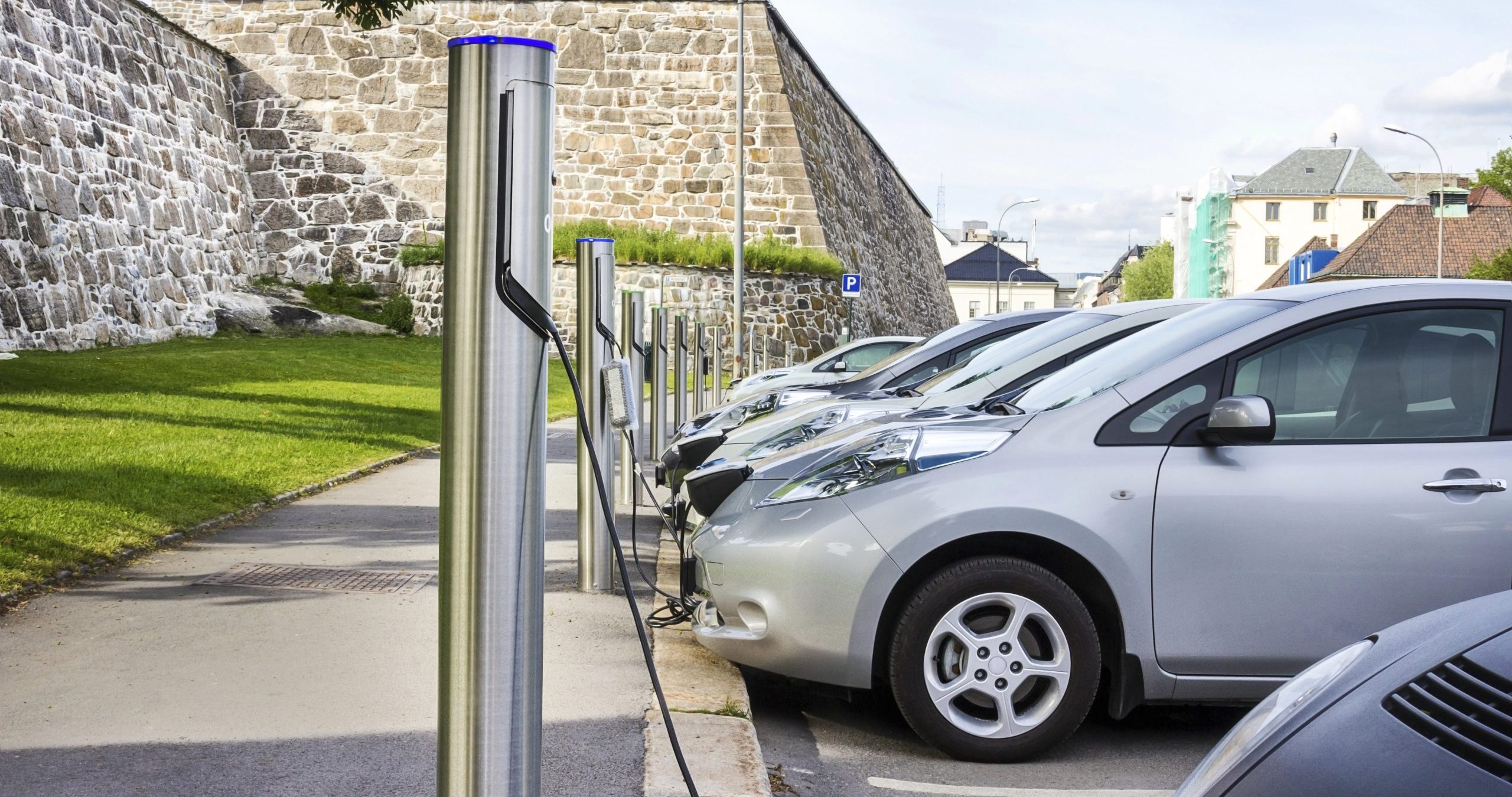


Tax relief on electric company cars falling to 12% next year
Following our overview of this year’s Budget we ran yesterday, in this article, we will look more closely at how new tax and BiK measures around electric company cars could affect fleet operations. Electric vehicles still offer bigger tax advantages than petrol and hybrid cars. Some of those benefits are shrinking, though. A valuable Corporation Tax allowance ends next year, so businesses may need to act sooner rather than later.
The 100% first-year allowance
A major advantage of buying a new, fully electric car through a limited company is the 100% first-year allowance. The company deducts the qualifying cost from its taxable profits in the accounting period of purchase. It does not have to claim relief gradually over several years.
Consider a new electric vehicle costing £50,000, where the whole amount qualifies for capital allowances. The company can claim a £50,000 deduction. At a Corporation Tax rate of 25%, that could give an initial tax saving of £12,500.
The allowance ends on 31 March 2027. After that date, it drops to 12%, which cuts the saving on the same car to £1,500. The allowance covers new, unused zero-emission cars only. Second-hand electric vehicles and plug-in hybrids do not qualify. Spending on electric vehicle charge points can also attract a 100% first-year allowance. Businesses should therefore review their purchasing plans before the deadline. An order alone does not necessarily secure the allowance, because the timing of qualifying expenditure matters.
Benefit in Kind rates
When a company provides a car for an employee or director’s private use, a taxable Benefit in Kind (BIK) normally arises. HMRC bases the calculation on the car’s taxable list price, including relevant accessories. It then multiplies that figure by a percentage set by emissions and, for some plug-in hybrids, electric range.
To compare three hypothetical vehicles, assume each has a £50,000 taxable list price and the driver pays Income Tax at 40%. The plug-in hybrid emits no more than 50g/km and offers 40 to 69 miles of electric range, while the petrol car emits 130g/km. BIK rates for electric cars are rising, but the hybrid faces a particularly sharp increase from April 2028. That is when a uniform 18% rate applies to cars emitting 1 to 50g/km. Even so, fully electric company cars remain considerably more tax-efficient than the alternatives.
Actual charges depend on each vehicle’s emissions, range and taxable value. The company may also owe employer’s National Insurance on the benefit.
Mileage and charging rates
The April 2026 changes raised the approved tax-free mileage allowance from 45p to 55p per mile for the first 10,000 miles. This applies to employees who use their own cars or vans for business. The rate above that threshold stayed at 25p. The latest Budget confirms that the higher-mileage rate will rise to 35p from 6 April 2027. For someone driving 12,000 qualifying business miles, the approved amount is £6,000 in 2026/27 and £6,200 from April 2027.
Company cars follow a different system. HMRC publishes advisory fuel and electricity rates for reimbursing business journeys. From September 2026, the fully electric rates are 7p per mile for home charging and 15p for public charging. Higher substantiated actual costs may also be allowable. Hybrid company cars use the relevant petrol or diesel advisory rates.
VAT on public and workplace charging
The Budget also clarified the VAT treatment of electric vehicle charging. From 1 November 2026, legislation explicitly excludes electricity supplied through public and workplace charge points from domestic electricity VAT relief. These supplies are generally subject to the standard 20% VAT rate.
Crucially, this confirms HMRC’s longstanding treatment rather than introducing a new 20% charge. Electricity supplied for charging at home may still qualify for domestic relief, subject to the relevant conditions. VAT-registered businesses should check whether they can recover any charging VAT under the usual input tax rules.
Looking ahead
A separate mileage-based Electric Vehicle Excise Duty is also scheduled from April 2028. It will cost 3p per mile for battery electric cars and 1.5p for plug-in hybrids, which adds another factor to long-term running costs.
Company electric cars remain attractive. Rising BIK rates and the approaching first-year allowance deadline should still encourage business owners to review their options now. Buying a new electric vehicle through a company can deliver substantial Corporation Tax relief and lower personal tax bills than comparable petrol or plug-in hybrid cars. However, the rules are changing, and the opportunity to claim the 100% first-year allowance is currently set to end in March 2027.
Further details of the Budget changes can be found in the Government’s “Red Book”.