
Budget 2026 and what it means for fleet, logistics and transport
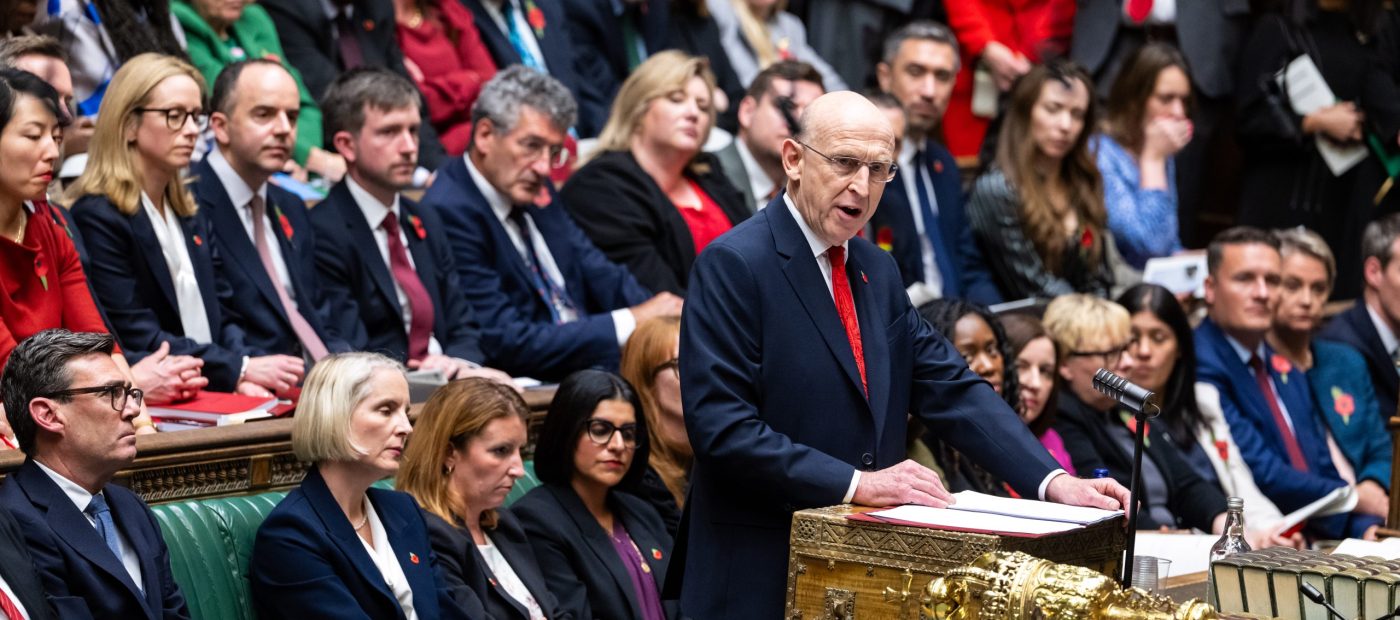
Chancellor John Healey delivered his first Budget on 28 October 2026, and fleet operators have plenty to digest. He extended the fuel duty freeze and the 5p cut to 1 July 2027. He also confirmed another year of company car tax rates and set a clearer timetable for pay-per-mile charging on electric cars. Several long-running complaints went unanswered, especially the cost of public charging and the treatment of high-mileage business drivers.

This FleetPoint analysis draws on the Budget document, Treasury figures and reaction from across the industry. It covers fuel duty, Benefit in Kind (BIK), capital allowances, electric vehicle excise duty (eVED), charging costs, depots and the wider cost of running a fleet. Each section explains what changed and what it means for operators.
The Budget backdrop: soaring fuel prices and tight finances
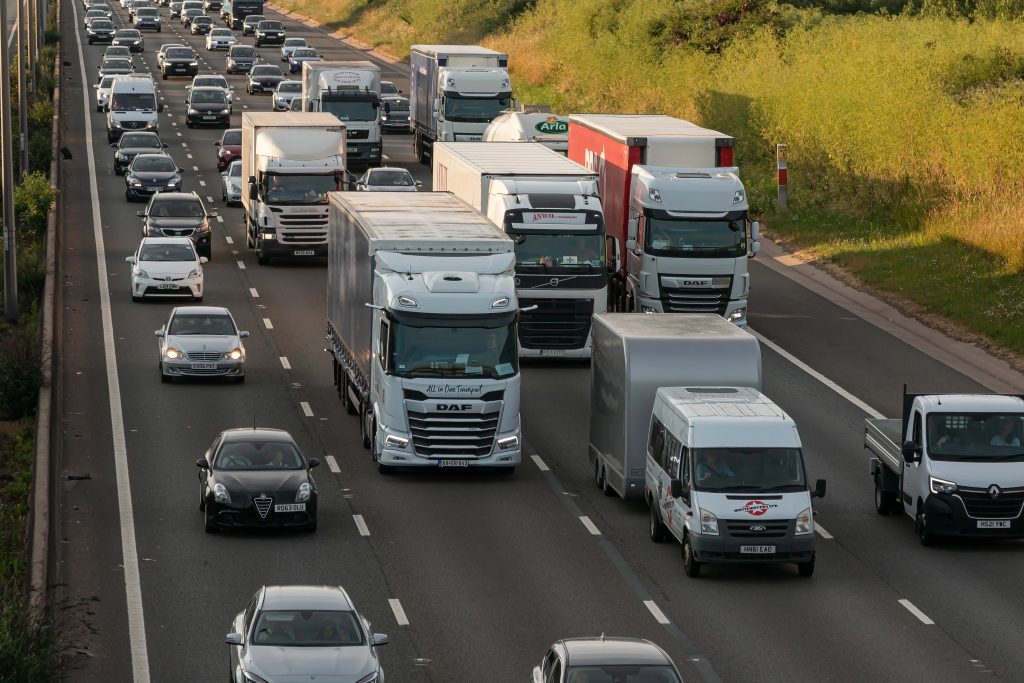
Healey spoke against a difficult economic backdrop. The Budget document blames the conflict in the Middle East, and the effective closure of the Strait of Hormuz in February, for pushing up energy costs. The Treasury says UK diesel prices rose by 41% between February and October, and diesel passed £2 a litre in October. Inflation reached 3.5% in September, and the Office for Budget Responsibility (OBR) expects it to peak at 3.8% in early 2027.
The Chancellor promised breathing space for households and businesses. He ruled out rises in the headline rates of income tax, National Insurance and VAT, and the Treasury says every policy is fully funded. He also told MPs that the government remains firmly committed to net zero by 2050. Fleet managers will judge that commitment on the detail, and the detail is mixed.
Fuel duty freeze and the 5p cut extended to July 2027
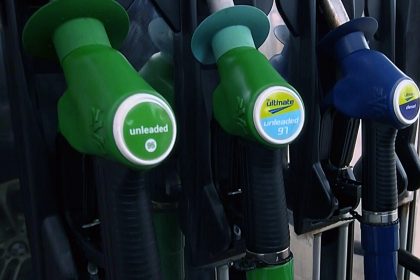
Fuel is the headline for most operators. Healey cancelled the 5p-a-litre rise planned for January 2027. Instead, he extended the temporary 5p cut and the freeze on duty rates by six months, and deferred the inflation-linked uprating until the same date. Without that decision, duty would have risen from 52.95p to 55.95p a litre in January and to 57.95p in March.
The Treasury says its fuel duty decisions in this Parliament save the average HGV driver nearly £4,000 compared with the previous government’s plans. For light goods vehicles, the saving is £472. The HGV road tax holiday also continues. The £1 VED rate for most HGVs applies to licences and renewals taken out between 1 July 2026 and 30 June 2027, which saves about £600 for a typical lorry. The Budget adds one safeguard: keepers who hold the £1 rate for more than 12 months may have to repay the excess benefit as a civil debt. The 3.7p cut in red diesel duty also runs to 1 July 2027.
The package stops short of what hauliers wanted. The Road Haulage Association asked for a 15p-a-litre essential user rebate, and the Treasury did not take it up. Peter Bradley, Head of Coaches at CPT, said the Chancellor “has missed a vital opportunity to support Britain’s coach industry at a time when many operators are fighting for survival.” He said businesses have faced a median 46% increase in diesel costs since February. His organisation had called for a temporary 20p-per-litre rebate, which it puts at around £52 million for a year.
Other voices welcomed the freeze but wanted more. Barney Goffer, UK Product Manager at Teletrac Navman, said the extension could have saved operators several thousand pounds more per vehicle. He argued the Chancellor missed the chance to find “a long-term solution that means this no longer hangs over the fleet industry every budget cycle”. Dave Bushnell, Director of Consultancy and Strategy at Fleet Operations, called the extension “obviously welcome, particularly for businesses running vans”.
Critics see the policy differently. Gideon Salutin, Chief Economist at the Social Market Foundation, called it “another year – and billions of pounds – wasted”. He argued that fuel retailers absorb many of the savings and that wealthier motorists gain most. Matt Galvin, Managing Director of Polestar UK, put the cost of the extension at £1.36 billion. Operators should treat the relief as temporary. The next deadline falls on 1 July 2027, and the debate over replacing fuel duty revenue will return well before then.
Company car tax: BIK for electric cars rises to 10% in 2030/31
Fleet managers asked for certainty on company car tax, and the Budget supplied another year of it. The 2030/31 BIK rates will sit one percentage point above the 2029/30 rates in every band. Zero-emission cars move to 10%, and cars emitting 1 to 50g/km of CO2 rise from 19% to 20%. All other rates go up by one point, subject to a 40% cap. The Treasury expects the change to raise an extra £310 million in 2030/31, rising to £345 million the following year. The existing path for electric cars is unchanged. The rate is 4% in 2026/27 and rises each year to 9% in 2029/30.
Toby Poston, Chief Executive of the BVRLA, said the Chancellor “has listened to the fleet sector”. He called the decision to give greater certainty over future BIK rates “a positive outcome, even if it is just one more year of clarity”. He added that the policy has proved effective at driving EV uptake and that competitive rates will give businesses and drivers the confidence to keep investing.
The practical value lies in pricing. Bushnell said that knowing the rates through to 2030/31 will help the industry work out total cost of ownership and price four and five-year leases more accurately. He also expects it to restore confidence in the long-term future of salary sacrifice schemes. Jon Lawes, Managing Director at Novuna Vehicle Solutions, said the sector needs a transition “that customers can afford and businesses can plan for”. He called for greater certainty on EV taxation, charging costs and future sales targets to protect used-car values.
Not everyone found the certainty complete. Samantha Roff, Managing Director at Venson Automotive Solutions, said the Budget documents leave open the “potential” for reforms to EV salary sacrifice, without any detail. In her view, that uncertainty hurts employers running schemes and employees choosing vehicles for the next four years. Thom Groot, CEO of The Electric Car Scheme, said it was “frustrating to be left in the dark” on whether salary sacrifice will continue until at least 2032. He urged the government to give reassurance to consumers signing agreements now.
Bushnell also voiced disappointment on used vehicles. Drivers still pay tax on a car’s original list price, even after it has depreciated significantly. Changing that rule, he said, could have opened electric cars to more employees through salary sacrifice. It would also have lifted second-hand demand and supported residual values. Mike Hawes, Chief Executive of the SMMT, did welcome one change: the deferral of the end of employee car ownership schemes into the next Parliament.
Capital allowances and mileage rates: gains and losses
The Budget gives with one hand and takes with the other on capital allowances. Full expensing for companies stays in place, and the main rate first-year allowance rises from 40% to 50%. However, the main rate of writing-down allowance falls from 14% to 12% from April 2027. The Treasury says the reform strengthens the upfront incentive to invest while raising revenue.
Poston said the reduction in writing-down allowances is the less welcome part of the Budget. “It is an expensive change that will hit those who have invested in low- and zero-emission cars,” he said. Operators that buy rather than lease, and those holding large pooled balances, should check their projections for the 2027/28 tax year.
Employees who use their own vehicles for work also gain. The 55p-a-mile tax-free rate for the first 10,000 business miles becomes permanent. Above 10,000 miles, the rate rises from 25p to 35p. Bushnell said the increase “certainly reflects the cost of driving for work more accurately”. He also issued a warning. Higher allowances could tempt employers to move away from company cars and rely on staff using their own vehicles, which may be older and less safe. Fleets that run a duty-of-care policy should keep that risk in view.
eVED confirmed for April 2028
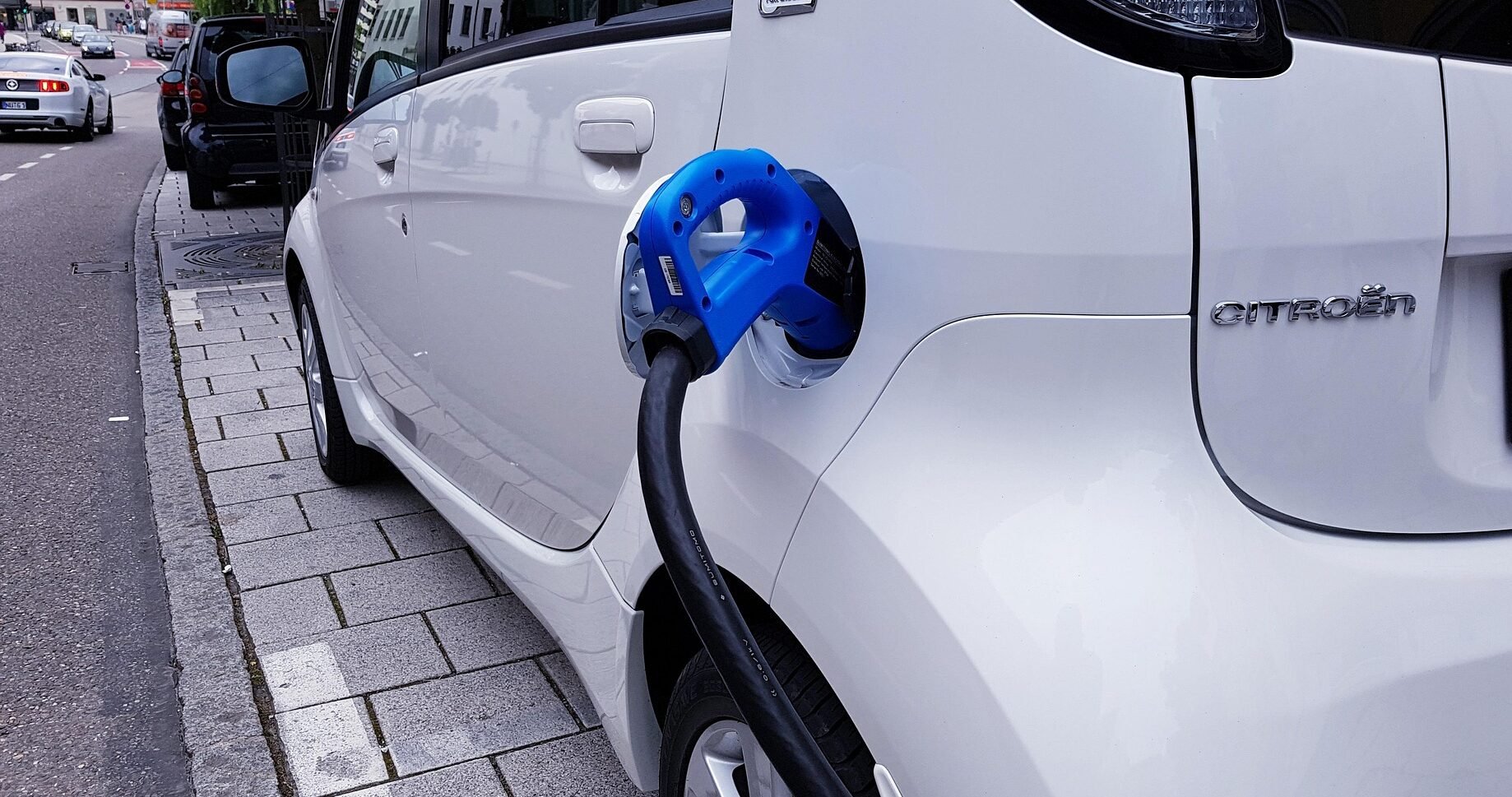
The Budget reaffirmed the electric vehicle excise duty. The mileage-based charge for electric and plug-in hybrid cars will start in April 2028. The rates were set earlier: 3p a mile for fully electric cars and 1.5p a mile for plug-in hybrids. At 3p, a battery electric car covering 20,000 miles a year would pay £600, a cost fleets must build into whole-life calculations.
The Treasury says it listened to the consultation and made several changes. A mileage estimation tool will be available at launch. An opt-in system called eVED Connect will use vehicles’ built-in connectivity, so motorists need not report mileage manually. An automated refunds model will follow by 2030, covering cases such as overestimated mileage or a car sale. The Treasury will also publish further guidance for fleet operators later this year.
Industry bodies welcomed the practical fixes but not the tax. Poston said, “making a bad tax easier to administer doesn’t make it a good tax. eVED remains the wrong tax at the wrong time.” Hawes agreed. He said the extra funding “will help, but will not offset the impact” of the new duty. He added that even the OBR warns the tax will undermine demand, so government must work with industry to cut compliance costs.
Roff raised a fairness point that matters to every fleet. “A flat pay-per-mile charge hits hardest the business drivers who cover the most miles,” she said. Those drivers make the biggest difference to emissions when they switch. She urged the government to use the time before 2028 to review how eVED treats business mileage. Roff also noted that no confirmed date exists yet for the fleet guidance operators need to start planning.
Ramūnas Pletkus, motoring expert at carVertical, flagged a risk beyond tax. Basing the charge on mileage could give fraudsters another reason to clock electric cars. His firm found signs of mileage tampering in around 3% of electric vehicles checked in the UK over two years, the highest share of any fuel type. He said the government must verify reported mileage and ensure the next owner can see it. That matters for fleets, because remarketed vehicles depend on trusted mileage records.
Public charging, VAT and the driveway divide
Charging costs drew some of the sharpest reaction. The Budget extends the VAT cut on household electricity to July 2027, which the Treasury expects to take around £50 off the annual Ofgem price cap in April 2027. The benefit reaches only drivers who charge at home. The Finance Bill 2026-27 will clarify that electricity supplied through public and workplace charge points carries 20% VAT.
Galvin said home charging keeps costs to around 7p a mile on a standard tariff and as little as 2.3p off-peak. But for the one in three drivers without a driveway, he called the Budget “yet another missed opportunity”. They still pay 20% VAT at public chargers, while home charging currently pays nothing. “Instead of setting out a plan to end this driveway discrimination, the Chancellor is legislating to lock it in,” he said. He estimated that cutting VAT on public charging to 5% would cost around £140 million a year. That is roughly a tenth of the £1.36 billion found for the fuel duty extension.
The government did act on charging costs, though not on VAT. It will provide £100 million to reduce the cost of local, lower-powered public chargers, saving drivers an average of £150 a year. A taskforce will also explore letting drivers use their domestic electricity tariff at those chargers. Under current proposals, this tariff porting would apply only to AC chargers rated below 50kW, not rapid chargers. That distinction matters to fleets. Business drivers who rely on rapid public charging will see little change.
Ben Nelmes, CEO of New AutoMotive, called it unfair that people who cannot charge at home “must pay significantly more for their electricity”. He welcomed the tariff-porting work but urged the government to move “at pace to end Britain’s driveway divide”. Oliver Brighton, CFO of char.gy, said devolution measures could help councils move beyond piecemeal projects. He argued that terraced-street residents need to plug in close to home. Tanya Sinclair, CEO of Electric Vehicles UK, said the government cannot help motorists with one hand while making the transition harder with the other. She also warned that ministers are considering weakening the ZEV mandate, which would undermine competition and investment.
Fleet managers should note one more point. Workplace charging stays at 20% VAT, which weakens the case for employer-funded charging schemes and leaves staff without driveways at a clear disadvantage.
Depot charging and the road to electric freight
The Budget added little new for electric trucks and vans, but existing support matters here. The Depot Charging Scheme continues to 2030 with £170 million, covering up to 70% of installation and civil engineering costs. The Zero Emission Truck grant offers up to £81,000 off the heaviest electric trucks, and the van grant offers up to £5,000. The government will respond to its ZEV mandate review by the end of 2026, with changes from 2027.
Simon Smith, CEO of Voltempo, welcomed the Depot Charging Scheme but warned that grants alone are not enough. “Funding chargers without the infrastructure to run them risks leaving businesses with equipment they cannot use,” he said. He urged government to support the full cost of making depots electric-ready and to recognise grid connection delays. Fix that, he argued, and private investment follows, freight costs fall and the shift away from diesel speeds up. For hauliers weighing electric trucks, grid capacity may decide the timetable more than grant levels do.
Hawes struck a broader note. He said government has recognised the automotive industry as a pillar of national strategic importance, backed by an industrial strategy and an extra £1.5 billion. Manufacturers have invested to bring more than 150 EV models to market, but the pressure to deliver the world’s most ambitious zero emission sales targets is intense.
Roads, wages and the wider cost of operating
Local roads received little attention. David Giles, Chair of the Asphalt Industry Alliance, said the speech “had little in terms of hope for local roads”. He welcomed record resurfacing this year, with nearly 7,000 miles treated, but noted that figure covers only about 3% of the 204,000 miles of local roads in England and Wales. He put the repair backlog at £18.62 billion. The AIA had asked for the government’s £7.3 billion allocation to be re-phased to 2030, to release capital sooner. For fleets, poor roads mean more tyre and suspension damage, more downtime and higher maintenance bills.
Employment costs add further pressure. The National Living Wage rises by 3.9% to £13.21 an hour from April 2027. Bradley warned that coach operators already face exceptional challenges. Most are small or family-owned and have limited scope to absorb higher costs or renegotiate contracts. He urged the government to consider the cumulative impact of tax and wage decisions. VED rates for cars, vans and motorcycles will also rise in line with RPI from 1 April 2027. Larger private hire operators will become liable for VAT on their full fares, with a consultation on the turnover threshold, and £50 million is the lead option.
Industry reaction: a cautious welcome
Overall, the industry reaction is mixed and leans cautious rather than positive. Operators welcomed the fuel duty extension, the permanent mileage rate increase and the extra year of company car tax certainty. Poston called the BIK decision “a positive outcome”, and Bushnell said it gives employers and drivers “much-needed certainty”. But the praise came with heavy caveats.
Trade bodies attacked eVED, the lower writing-down allowance and the unchanged 20% VAT on public and workplace charging. Salary sacrifice providers criticised the lack of clarity beyond 2030/31.
Haulage and coach operators regretted the absence of a fuel rebate. Hawes, Roff and Sinclair all warned that the Budget lacks a joined-up, long-term plan for electrification. Even the supporters framed their welcome as relief rather than enthusiasm. Most of the sector is therefore glad to avoid new shocks, but it does not see the Budget as a boost to fleet investment, and it expects the government to do more before 2028.
What fleet managers should do next
The Budget rewards planning. Start by rebuilding whole-life cost models with the 10% BIK rate for 2030/31 and the lower writing-down allowance from April 2027. Add eVED at 3p a mile for any electric cars you expect to run beyond April 2028. High-mileage cars will feel it most, so test those first.
Next, stress-test fuel budgets against the 1 July 2027 deadline. Operators with fuel surcharge clauses in their contracts are better protected than those on fixed prices. Review contract terms now, before the next fuel duty decision arrives.
Then act on infrastructure. Check your eligibility for depot charging funding, and talk to your distribution network operator early about grid capacity. Watch for the promised eVED guidance for fleet operators. Ask your leasing partners how they plan to treat the new charge in existing agreements.
The government now needs to turn its promises into detail. Poston summed up the sector’s mood: “Today’s Budget gets some important things right. The priority now must be to build on what is working, rather than risk undermining it.”