
Electrification of commercial transport is gaining serious momentum across Europe, with overnight AC charging of electric vans and trucks the most practical and affordable way to power growing EV fleets.
A new report by the International Council on Clean Transportation predicts Battery Electric Trucks (BETs) in the EU will need 150,000–175,000 private chargers and 60,000–80,000 public chargers by 2030. The report, Charging infrastructure needs for battery electric trucks in the European Union by 2030, says overnight charging is expected to be the primary charging mode.

Daniel Forsberg
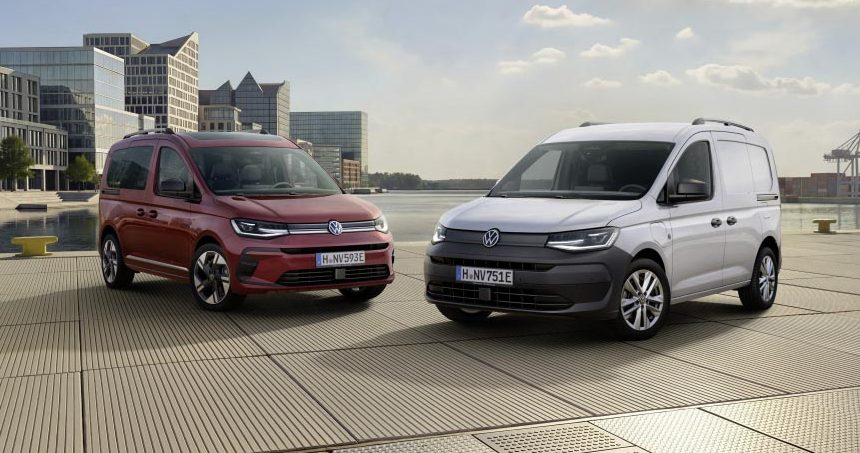
Operators of commercial EVs are building depot charging as their preferred solution to starting each working day with a fully charged fleet. Most electric vans and trucks are expected to charge where they return to at the end of the day, not at public stations.
Overnight charging, when electricity is often cheapest, aligns perfectly with how most fleets actually operate. Vehicles used in delivery, logistics, municipal services and regional transport are typically parked overnight for 12 to 14 hours at a time. That window gives operators ample opportunity to cover their daily energy needs without relying on expensive high-power charging.
A 22kW AC setup is more than capable of handling the required load for medium Battery Electric Trucks (BETs) and lighter commercial vehicles without stressing the grid.
Early EV adoption is strongest among light vans and medium-duty trucks in last-mile and postal operations. Those vehicles follow predictable routes and return to the same location every evening, making consistent overnight AC charging far more useful than rapid charging en route.
AC beats DC on cost and rollout
DC charging has a role to play when quick top-ups are needed during daytime operation. However, the cost difference is considerable. DC installations require far higher investment and far more complex groundwork, while AC infrastructure can be rolled out in stages with minimal disruption. Many European grids cannot easily support locally large numbers of high-power DC chargers, whereas AC can be deployed incrementally as fleets transition.
For depots looking to electrify dozens of vehicles, AC provides the ability to scale without overspending or overengineering. Total cost of ownership and practical deployment both favour AC as the foundation.
Electrification is accelerating across fleets
Market forecasts show the fastest shift towards electric vehicles in three key fleet segments:
- Last-mile delivery vans
- Urban and regional trucks
- Service and municipal vehicles
These vehicles depend on centralised parking and fixed scheduling. As a result, most fleet charging energy will come from depots rather than roadside networks. Battery Electric Trucks are already designed to charge at 22kW AC overnight, so there is no need to build infrastructure beyond what the daily duty cycle requires.
Charging built for depot environments
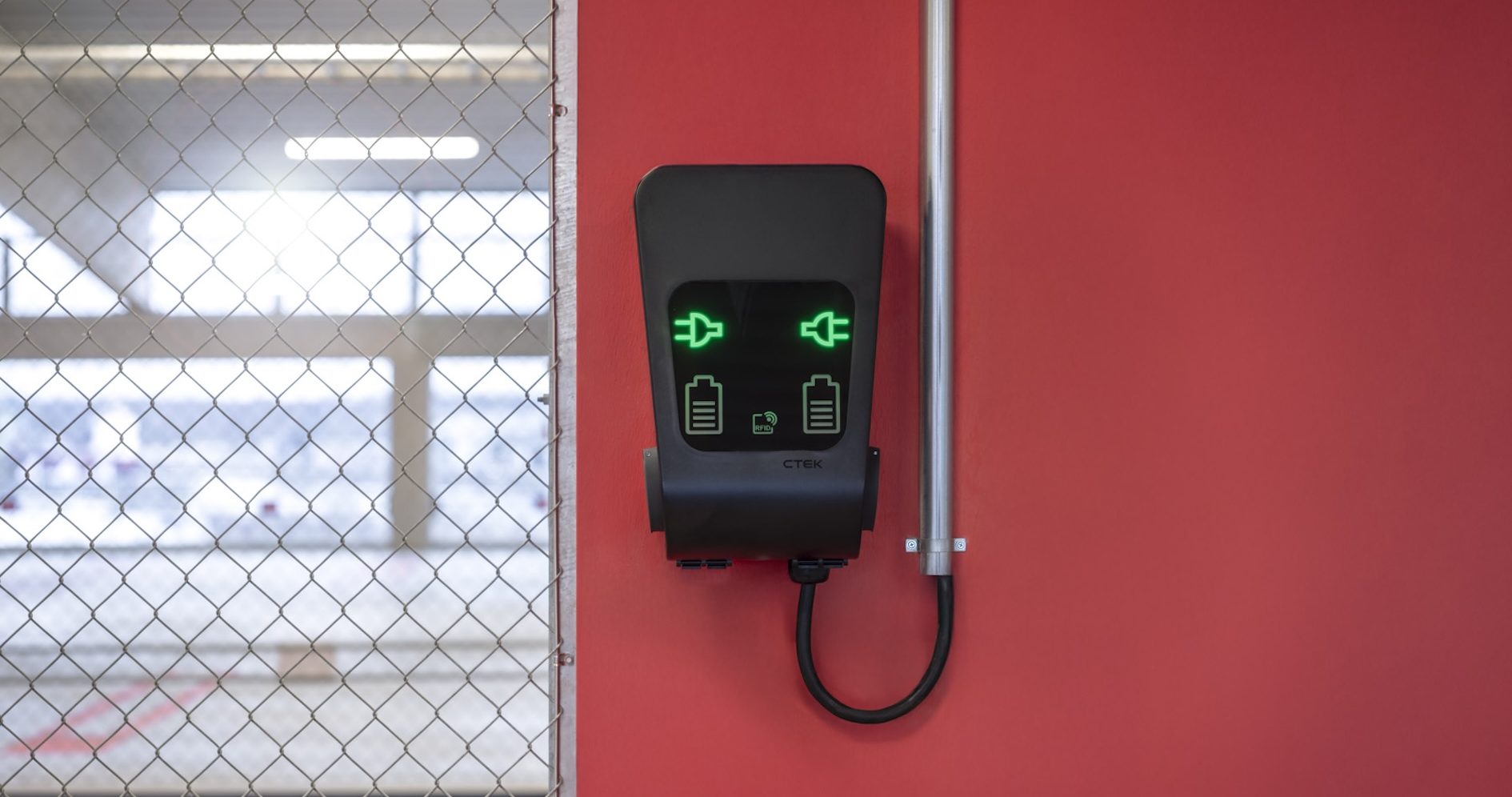
Operators should be looking for charging hardware which can power commercial EVs that charge at up to 22kW using three-phase electricity. Charge points, like CTEK’s CHARGESTORM® CONNECTED 3 (CC3), should also have the connectivity of the latest Open Charge Point Protocol (OCPP) version 2.0.1, load management and durability that depot environments demand. Hardware should support different vehicle types, work with depots’ energy management systems and be installable without major structural changes.
V2G (Vehicle to Grid) to create additional value
Another advantage of charge points such as CC3 is that they support Vehicle-to-Grid (V2G) technology. Depots will be able to generate income by feeding electricity back into the grid during parked hours of peak electricity demand such as early evenings. Given that many vehicles are stationary for half a day or more, this creates a clear commercial upside beyond operational savings.
This is already happening in practice. CTEK is involved in three depot projects at Gothenburg in Sweden, alongside PEPP (Public EV Power Pilots), using CC3 chargers in daily operations while preparing for bi-directional energy flow. These projects demonstrate how AC charging can deliver immediate benefits and open the door to future revenue models.
AC is the strategic choice, not a compromise
A blended approach that uses AC for everyday charging and a limited number of DC units for urgent cases is becoming standard for commercial EV fleets. AC will deliver the majority of charging sessions and energy because it follows fleet routines and keeps costs under control.
As electrification accelerates over the coming years, AC depot charging will not play a secondary role – it will form the core of the transition. With CC3, CTEK offers an AC solution that is commercially viable, future proof, operationally proven and ready for the regulatory and energy frameworks shaping the market.
Author: Daniel Forsberg, Marketing Manager EVSE at CTEK