
LCV market continues to grow with record electric van sales
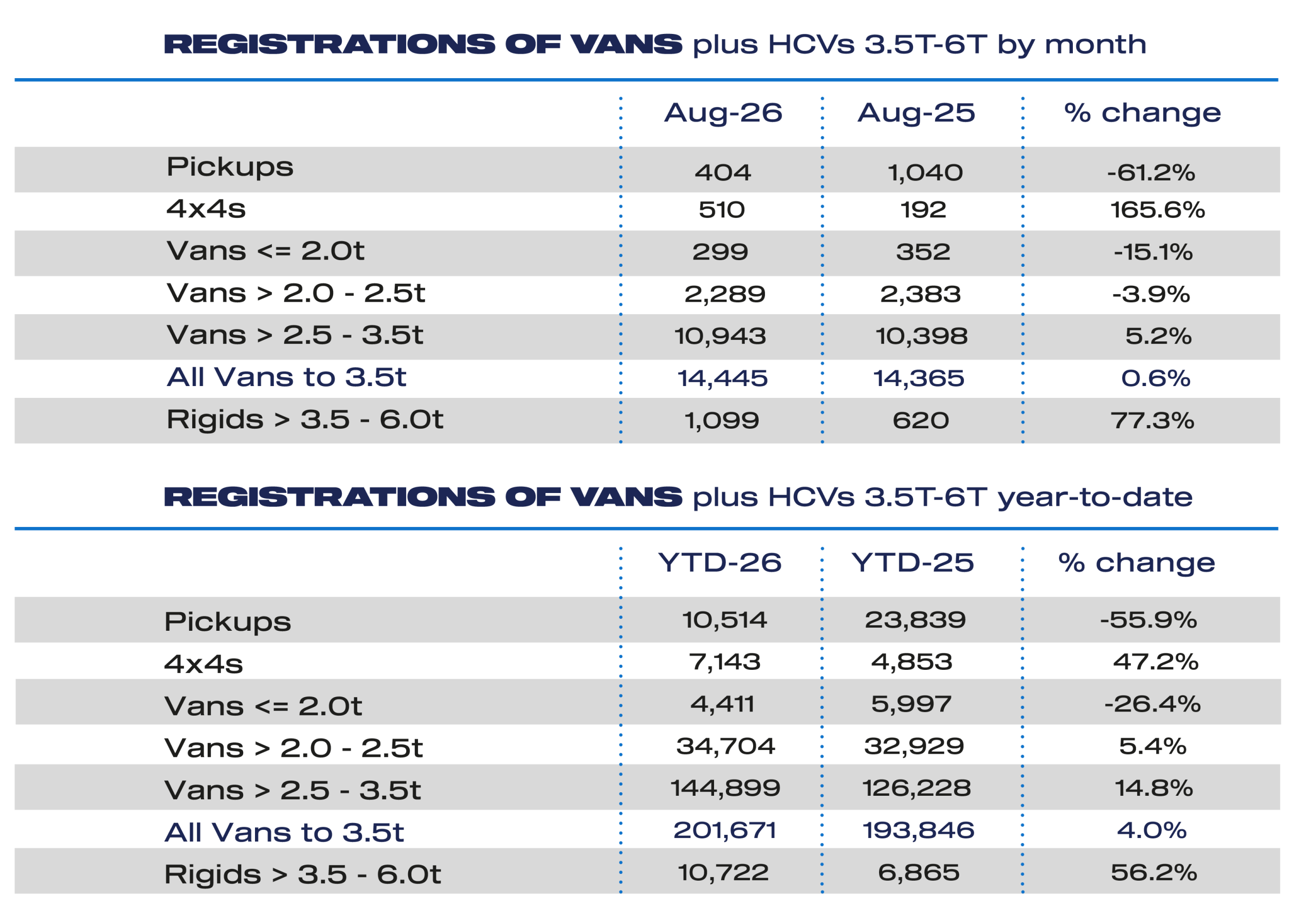
New light commercial vehicle (LCV) registrations rose 0.6% in August to 14,445 units, according to the latest figures published by the Society of Motor Manufacturers and Traders (SMMT). August is traditionally a lower-volume month, as buyers tend to hold off on purchases until the September numberplate change, yet the market still managed its fifth consecutive month of growth. Year-to-date registrations now stand at 201,671 units, up 4.0% on the first eight months of 2025.
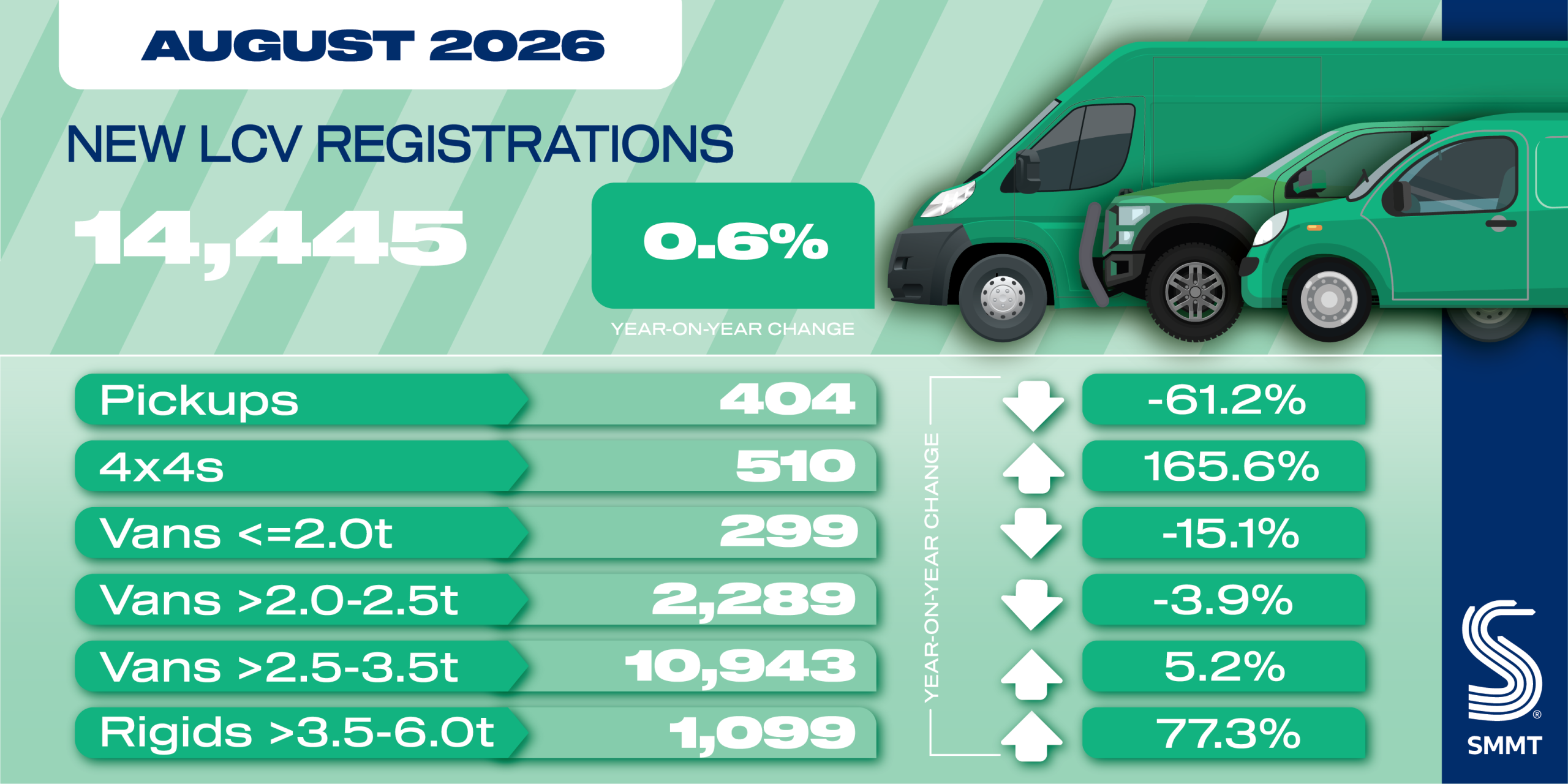
Large vans continued to drive the overall market forward, rising for a ninth consecutive month by 5.2% to 10,943 units. The small-volume 4×4 sector also performed strongly, with registrations up 165.6% to 510 units. By contrast, both the medium- and small-van segments declined, falling by 3.9% and 15.1% to 2,289 and 299 units respectively. Pickups suffered the sharpest drop, down 61.2% to just 404 units, leaving the segment with only a 2.8% market share following last year’s reclassification of double-cab pickups for Benefit in Kind purposes. Given the sector’s importance to essential industries and fleet renewal, the industry continues to press for a revision of that policy.
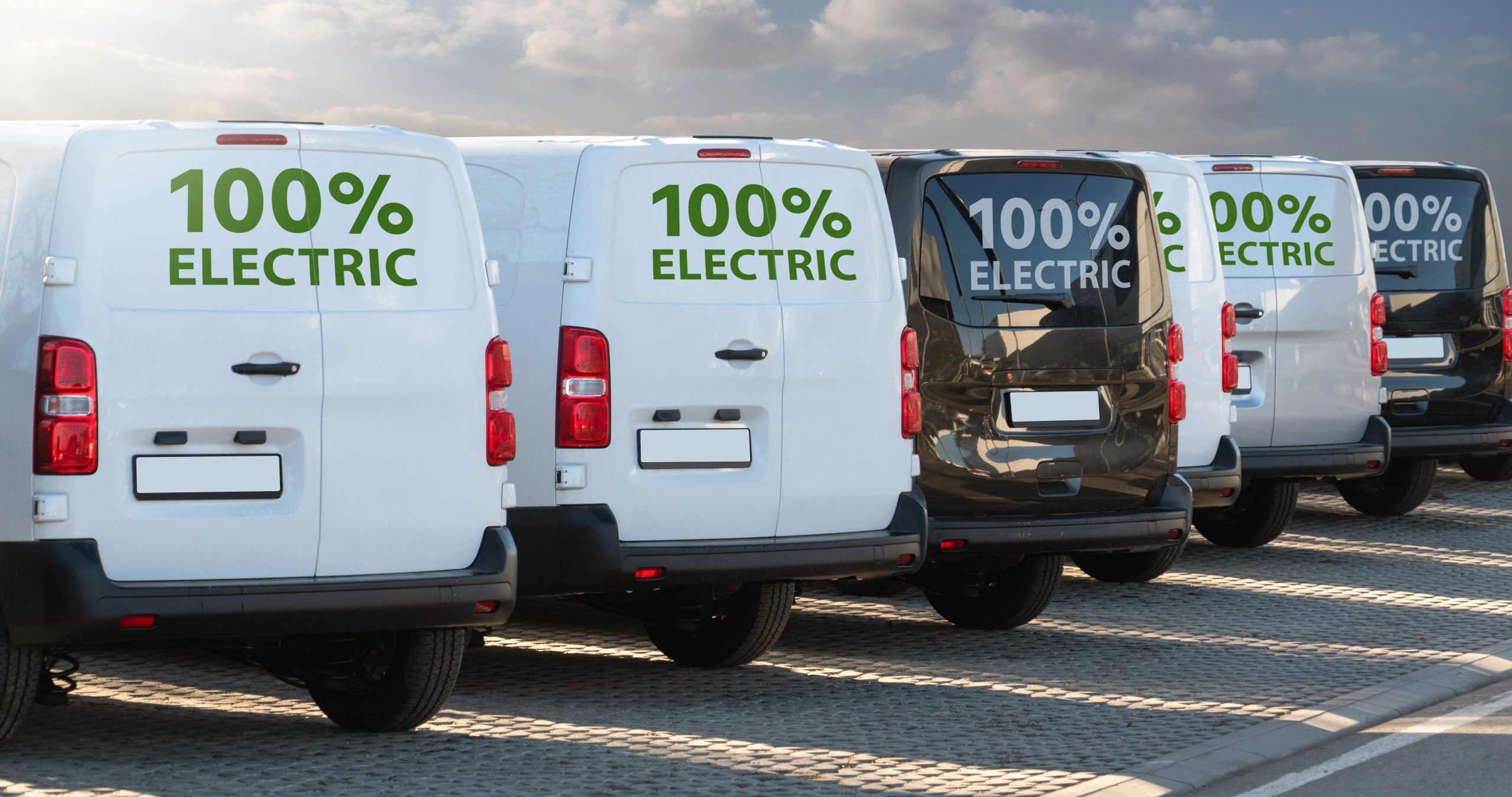
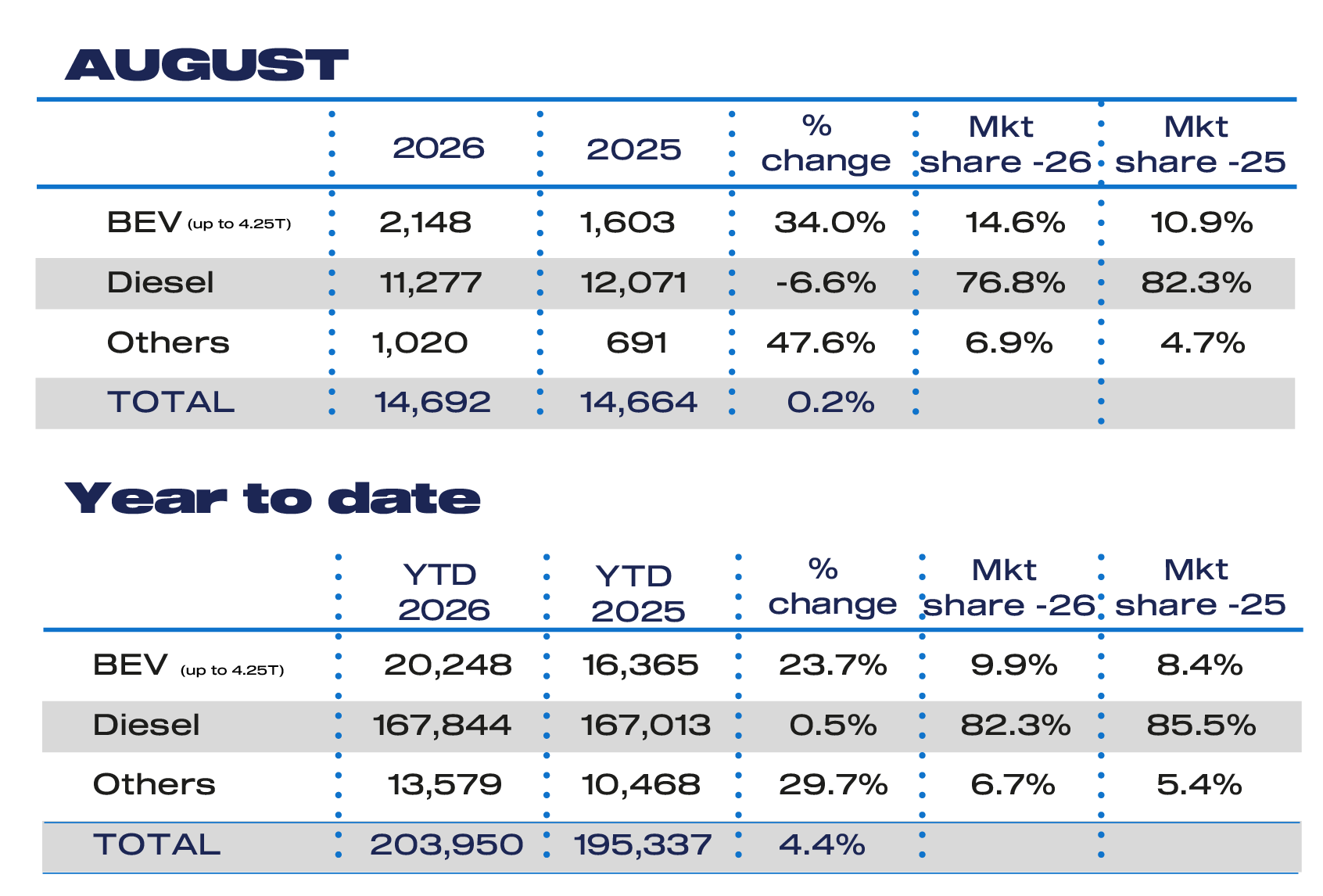
Electric van uptake had a particularly strong month, with registrations climbing 25.9% to 2,395 units and reaching a record 16.3% market share. However, August’s characteristically low overall volumes can exaggerate percentage swings, so the figure should be read with some caution. Despite electric vans now accounting for more than two in three models on sale, alongside substantial manufacturer discounts and government incentives, year-to-date market share remains at just 11.0%, less than half the 24% ZEV Mandate target set for 2026. Higher upfront purchase costs, inadequate charging infrastructure and wider operating pressures continue to hold back demand, making the government’s recently announced review of the mandate particularly timely. Meaningful reform, the industry argues, would strengthen the UK’s appeal to investors while preserving consumer choice and sustaining fleet renewal.
Mike Hawes, SMMT Chief Executive, said: “August’s traditionally low volumes often lead to market volatility – and while a record market share for electric vans should rightly be celebrated, September will show the reality of the transition as the new numberplate drives greater volume. With EV demand remaining drastically adrift of mandate targets, government’s decision to bring forward its review is essential, and meaningful change will be required to sustain a market that keeps the economy moving. Reforming the regulation to align with market conditions will drive investment, protect the UK’s competitiveness and deliver a transition that benefits everyone.”
Sue Robinson, Chief Executive of the National Franchised Dealers Association (NFDA), said: “August saw the LCV market maintain its recent positive performance, with registrations rising despite the month traditionally seeing lower volumes ahead of the September numberplate change. Year-to-date registrations also remain ahead of last year, although there continues to be considerable variation across individual segments.”
She added: “Five consecutive months of growth is encouraging and the increase in electric van registrations is another positive development. However, the continued decline in pick-up demand and the gap between electric van uptake and mandated targets show that challenges remain. Businesses need confidence and the right conditions to invest, and regulation must reflect market realities while supporting a sustainable transition to zero-emission vehicles.”
Taken together, the figures point to a van market that is holding steady overall, buoyed by large-van demand and an encouraging, if volatile, month for electric vans, while pickups and the ZEV Mandate remain the two clearest pressure points. With the government’s mandate review now underway, both the SMMT and NFDA are urging policymakers to align regulation more closely with the realities facing fleet operators and dealers, so that momentum built over the past five months can be sustained into the autumn and beyond.