

LCV market posts half-year gain but EV van uptake still lags
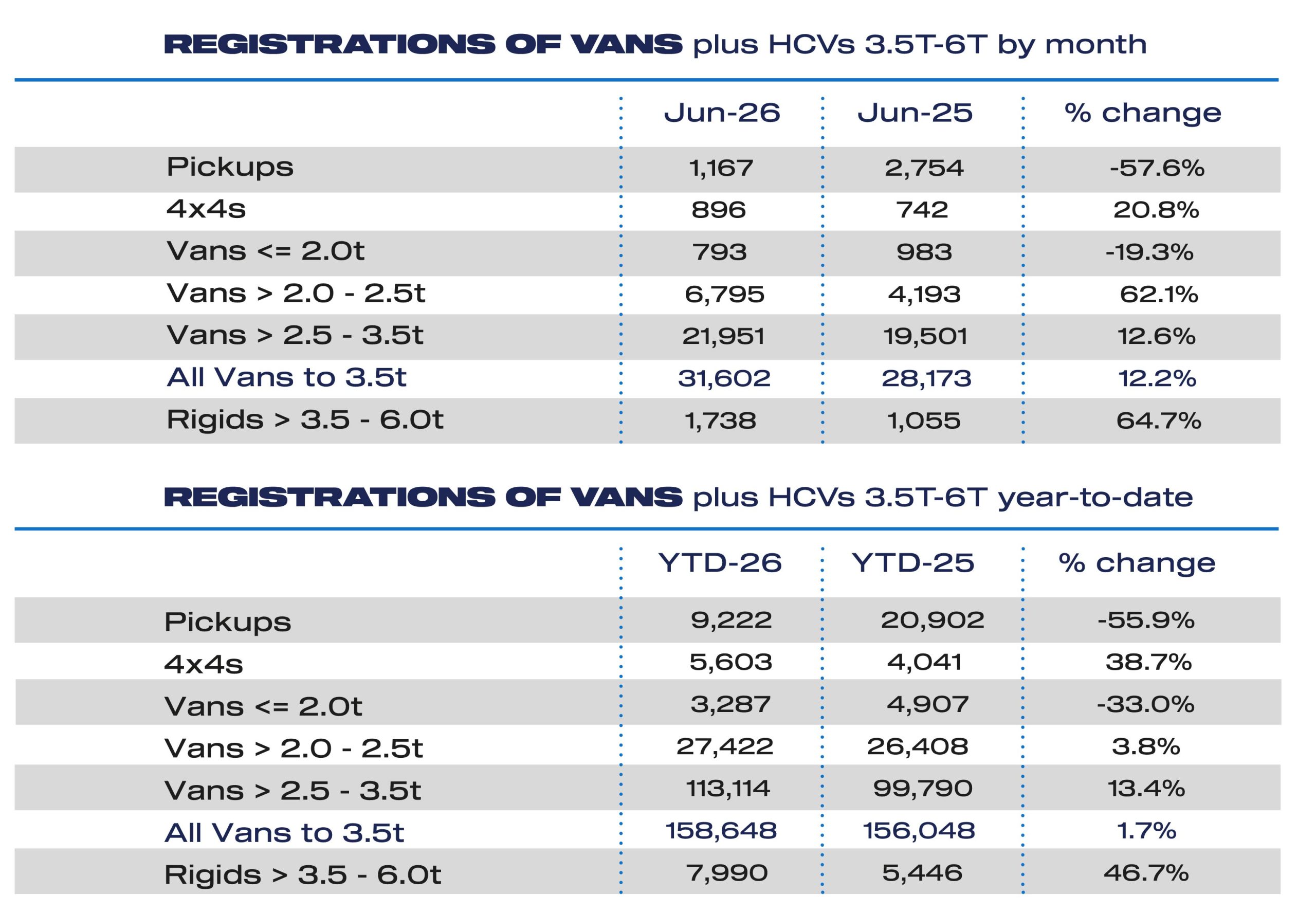
The LCV market increased by 12.2% in June, marking the third consecutive month of growth and signalling a stronger first half of 2026 for the sector.
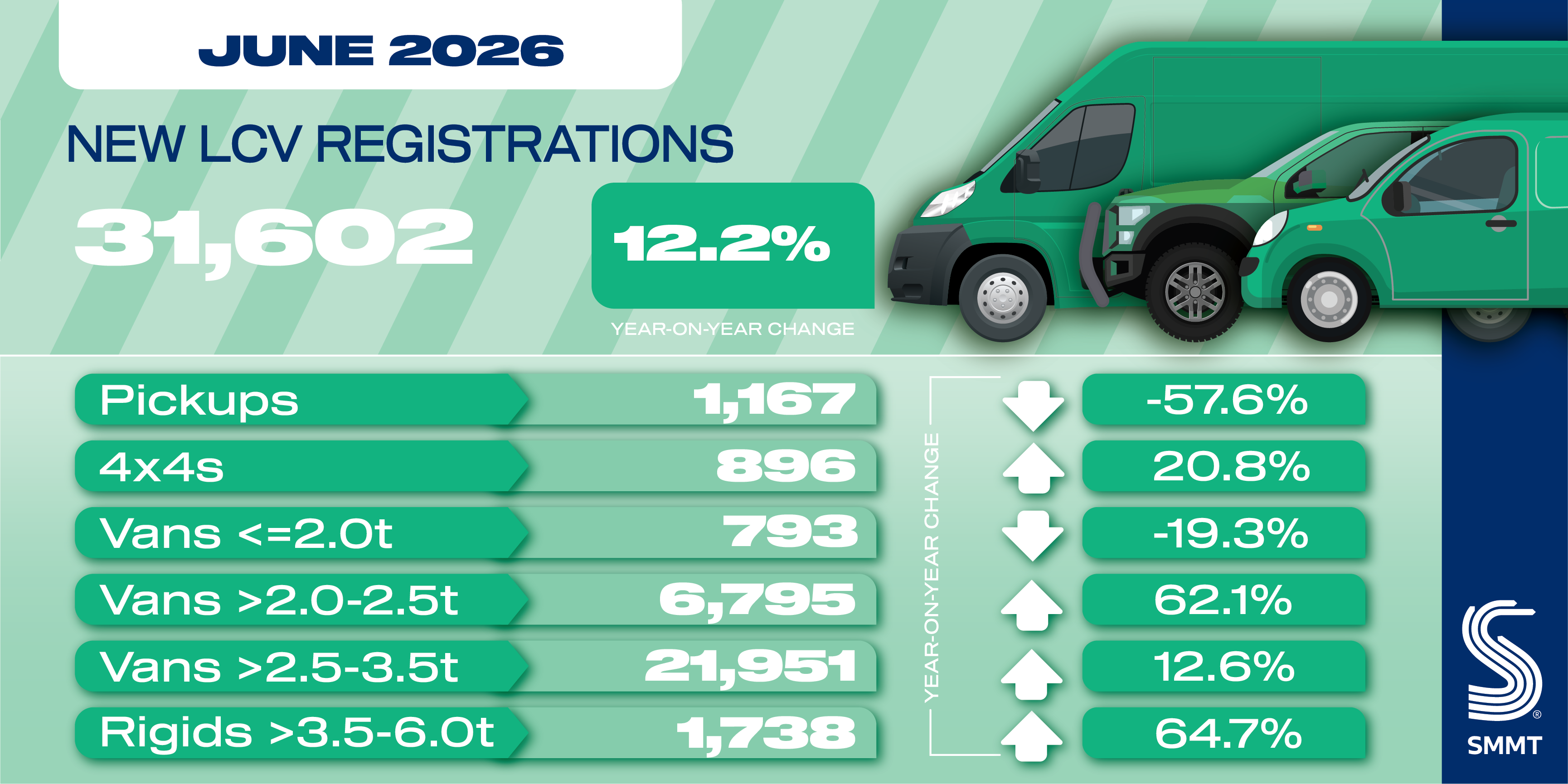
The latest figures from the Society of Motor Manufacturers and Traders (SMMT) show that 31,602 new LCVs were registered during the month. The positive performance lifted registrations for the first six months of the year by 1.7% to 158,648 units, reversing the decline recorded during the same period in 2025.
Growth was driven primarily by larger vans. Registrations of vans weighing between 2.5 and 3.5 tonnes rose by 12.6% to 21,951 units, while medium-sized vans recorded the strongest increase, climbing 62.1% to 6,795 units. Registrations of 4×4 models also increased by 20.8%, although demand for vans weighing less than two tonnes fell by 19.3%.
 The pickup market continued to struggle, with registrations dropping by 57.6% to just 1,167 units. Pickups accounted for only 3.7% of the overall LCV market in June, compared with 9.8% a year earlier. According to the SMMT, the sharp decline follows the reclassification of double cab pickups for Benefit in Kind and capital allowance purposes. The organisation argues the tax changes continue to affect key industries, including construction, agriculture and utilities, and is calling on the Government to reverse the measure to encourage fleet renewal and accelerate the adoption of lower-emission vehicles.
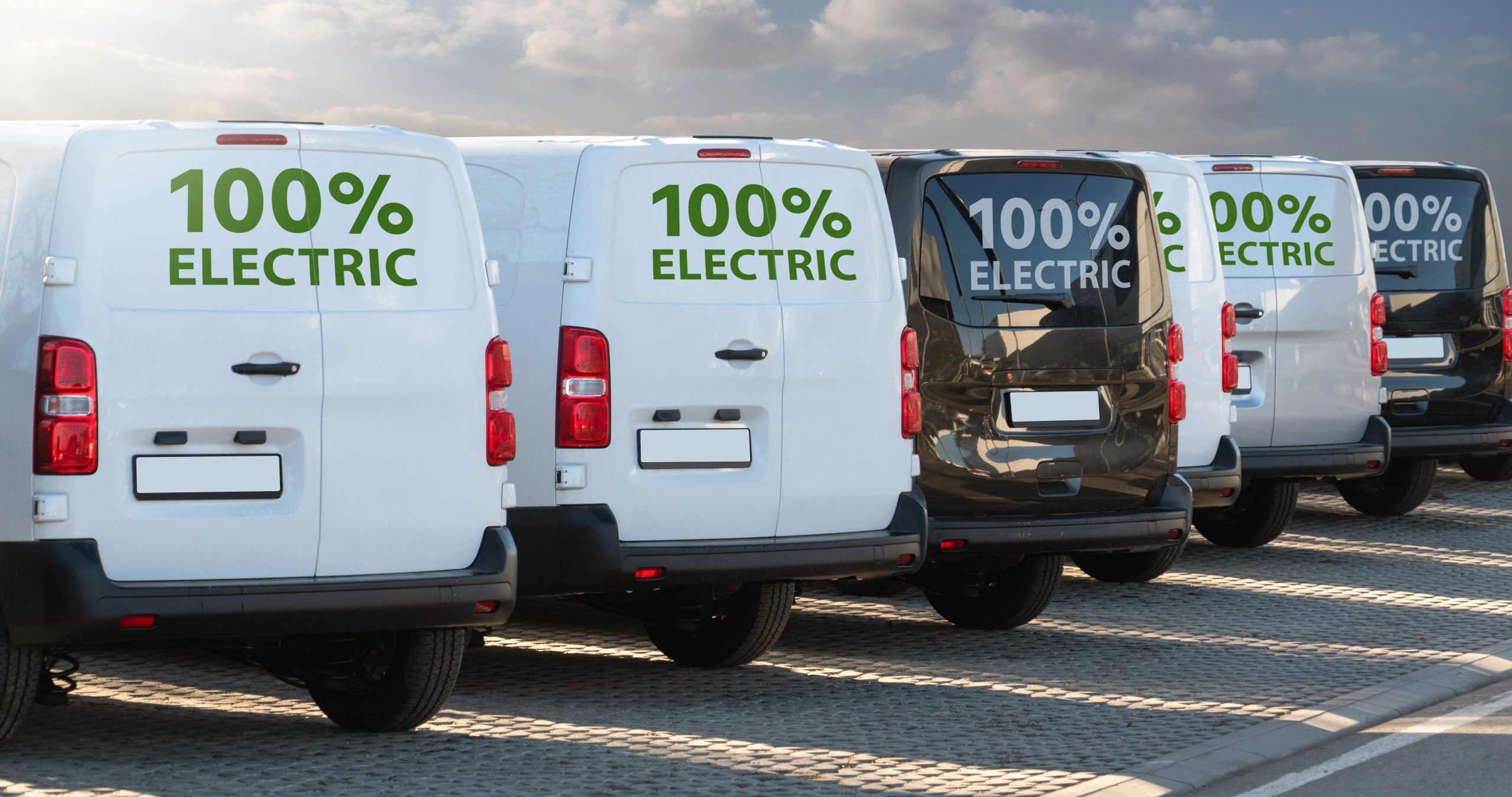
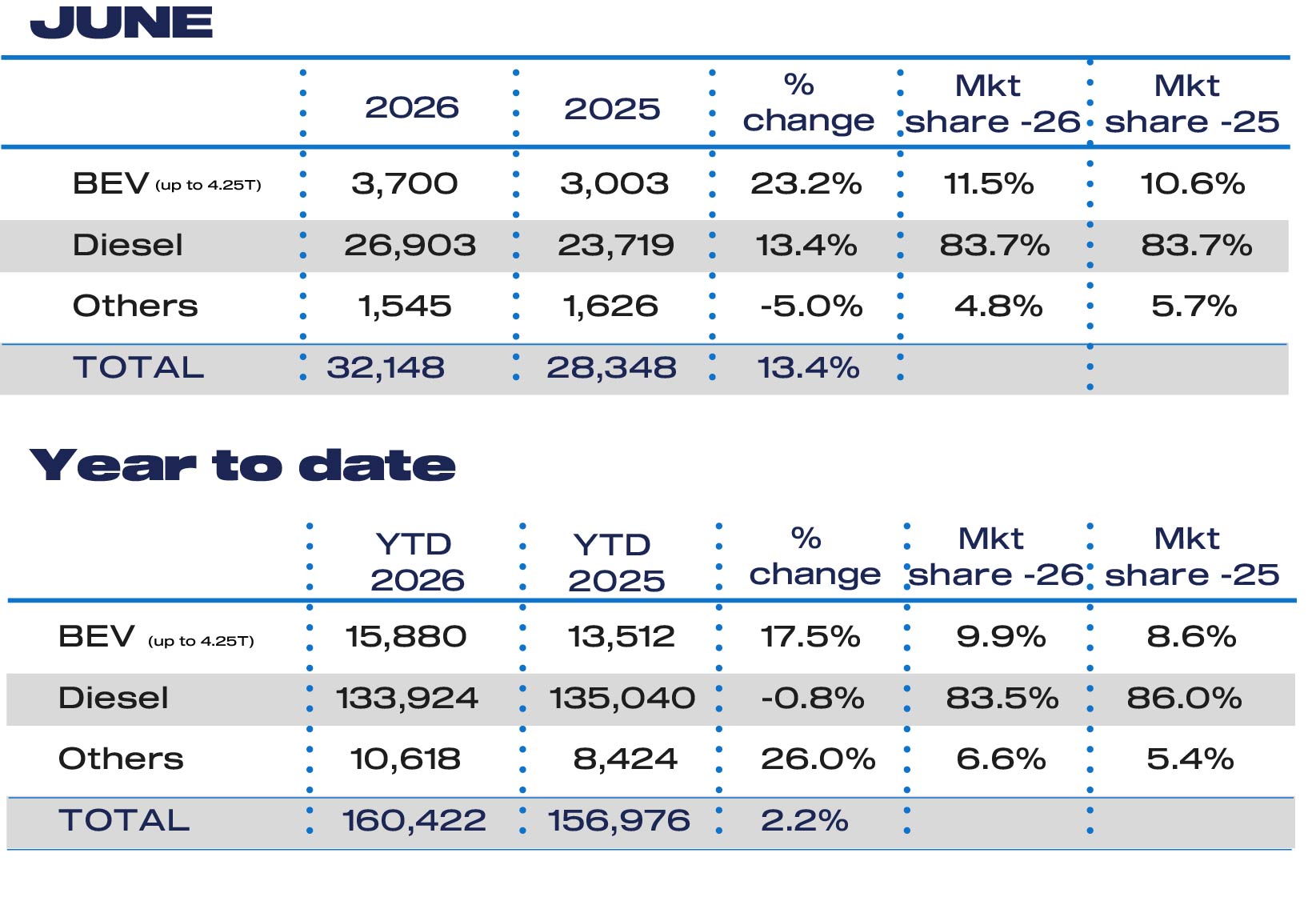
Battery electric van registrations also continued their upward trend. Registrations increased by 23.2% in June, giving battery electric vehicles (BEVs) an 11.5% share of the monthly market. Across the first half of the year, electric van market share rose from 8.6% to 9.9%.
Despite the improvement, electric van adoption remains significantly below the 24% market share required under this year’s Zero Emission Vehicle (ZEV) Mandate. The SMMT estimates that manufacturers would need to achieve an average market share of around 40% over the remaining six months of the year to meet the target, describing such growth under current market conditions as unrealistic.
Although manufacturers now offer more than 40 zero-emission van models, the SMMT says widespread adoption continues to be hampered by higher purchase costs, concerns over charging infrastructure and ongoing operating cost pressures. It argues that the assumptions underpinning the current ZEV Mandate no longer reflect economic and industrial realities, warning that reforms are needed to support investment, maintain customer choice and protect the UK’s competitiveness while keeping the transition to net zero on track.
Mike Hawes, SMMT Chief Executive, said, “The LCV market’s return to growth is encouraging, but it comes against a backdrop of lower volumes and significant market disruption over the past 18 months, not least the sharp fall in pickup demand after tax changes. While businesses continue to invest in new vans, zero emission uptake remains well below ambition, holding back the fleet renewal needed to deliver net zero. A successful transition requires regulation, infrastructure and incentives to work together, giving operators the confidence to invest. With the gap between targets and demand continuing to widen, urgent reform of the mandate is needed to keep the transition on track.”
Sue Robinson of the National Franchised Dealers Association (NFDA) said: “June saw the LCV market build on the positive momentum seen in recent months. The latest figures provide a positive indication of continued demand across key areas of the commercial vehicle market despite ongoing economic pressures.
“June was a strong month for the LCV market, with growth across key van segments supporting overall registrations. It is also encouraging to see continued growth in electric van uptake, although market share remains below the level required to meet this year’s ZEV Mandate target. While some parts of the market continue to face challenges, overall demand remains positive.”