
Cespira to unveil next-generation HPDI 3.0 fuel system
Cespira will introduce the latest generation of its High Pressure Direct Injection (HPDI) fuel system technology at IAA Transportation 2026, offering truck manufacturers a faster route to reducing CO2 emissions while retaining the performance and reliability of conventional diesel powertrains.
The new HPDI 3.0 system will make its public debut at the commercial vehicle exhibition in Hannover, Germany, from 15-20 September. The technology is designed to help original equipment manufacturers (OEMs) meet increasingly stringent emissions regulations without requiring a complete redesign of existing diesel engine platforms.
HPDI technology enables heavy-duty trucks to operate on low-carbon and renewable fuels while maintaining diesel-like performance, fuel efficiency and durability. By using compression ignition rather than spark plugs, the system preserves the high torque, low engine speed performance and long-term reliability that operators expect from diesel engines, while helping to reduce CO2 emissions and lower total cost of ownership.
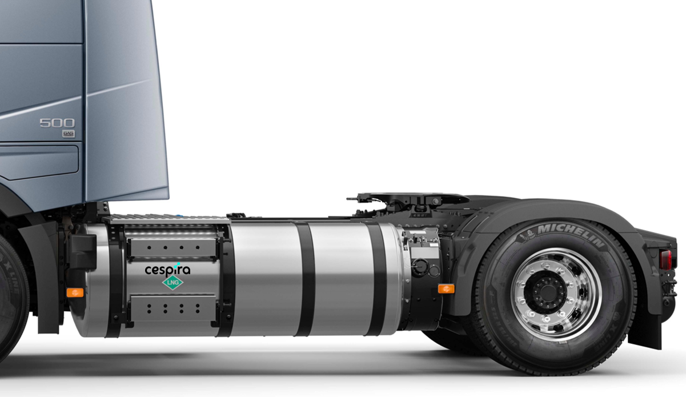
The technology is particularly suited to long-haul trucking, one of the most challenging sectors to decarbonise due to long operating distances, high vehicle utilisation and demanding payload requirements. Cespira says its HPDI system allows fleets to use LNG and BioLNG, which are often more cost-effective than diesel in many markets, without compromising vehicle capability.
The launch of HPDI 3.0 builds on a proven track record. More than 10,000 LNG-powered trucks equipped with previous generations of the HPDI system are already operating in over 30 countries, collectively covering more than 3.3 billion kilometres using Cespira fuel systems.
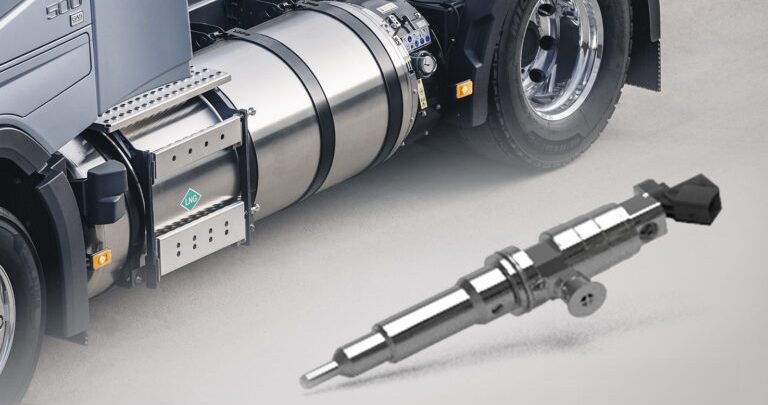
The latest version introduces a new fuel pressure management architecture that improves injection precision and system reliability while reducing operating costs. It also delivers further reductions in CO2 emissions compared with previous generations and provides manufacturers with a flexible platform capable of supporting multiple alternative fuels. While LNG and BioLNG are available today, the system has also been designed to support future applications using hydrogen, ethanol and methanol as those fuels become commercially viable.
Production of HPDI 3.0 is scheduled to begin in the fourth quarter of 2026 following its adoption by Volvo Trucks for the manufacturer’s latest generation of 13-litre gas-powered engines. Trucks equipped with the new HPDI 3.0 system are expected to enter service from early 2027.
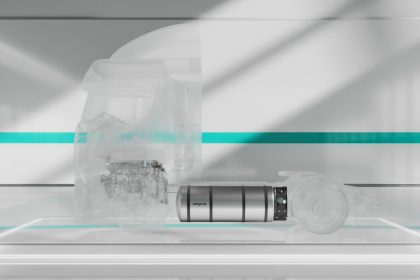
Cespira supplies the complete HPDI fuel system platform, including onboard fuel storage, pressure management and precision fuel injection technology.
Cespira CEO Carlos Gonzalez said: “HPDI provides the heavy-duty industry something it urgently needs: a way to reduce emissions today without waiting for a complete redesign of the vehicle, the engine platform, or the operating model. For OEMs, it creates a stronger return on product investment by enabling a fuel system platform that can generate value with LNG and BioLNG today, while supporting future renewable fuel pathways such as hydrogen, methanol, and ethanol as they become commercially available. For fleets, it means they can reduce costs and emissions in long-haul operations using LNG and BioLNG without compromising the performance, range, payload, and reliability their businesses depend on.
“That is what makes HPDI strategically important, it allows the industry to move now, profit now, and keep evolving. As fuel availability, regulation, and customer demand continue to shift, HPDI enables OEMs and fleets a scalable route to decarbonisation without locking them into a single fuel pathway or forcing ground-up development with every new fuel opportunity – helping accelerate real emissions reduction in the applications where decarbonisation is hardest.”