
Tesla Assisted Driving the FSD rebrand aims to unlock Europe
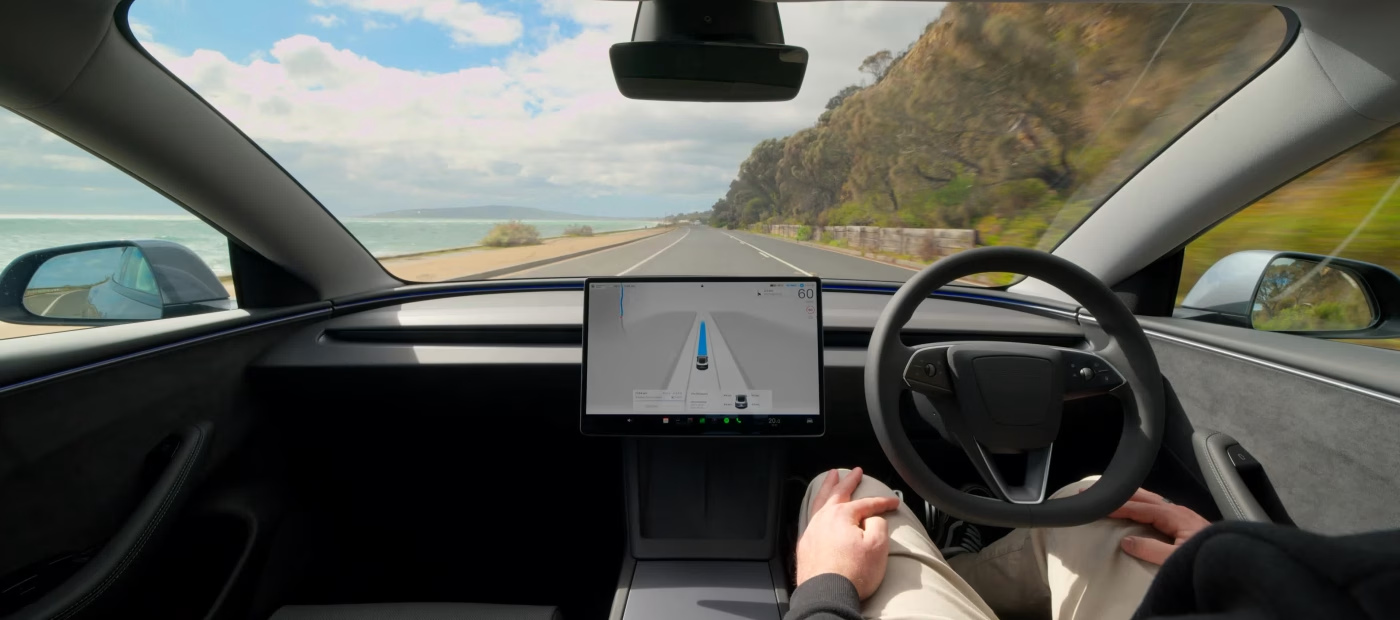
Tesla has dropped the name Full Self-Driving in Europe. The system is now Tesla Assisted Driving (TAD), and the change is far more than cosmetic. It is a calculated move to win the votes Tesla needs for approval across the European Union. Fleet managers should pay attention, because the same rules will shape what these systems can do on UK roads. Fleetpoint co-editor Ian Smith explains the changes in his YouTube video.
Why Tesla Assisted Driving replaces FSD
German Transport Minister Steffen Bilger described the old name as “misleading”. His ministry argued that the system does not take over the full driving task. Instead, it supports acceleration, braking and steering while the driver stays alert.
Bilger met Tesla in September and reached an agreement with the company, then promised to push for approval across Europe. Tesla moved quickly. Its European websites carried the new name from early October, and the Dutch regulator RDW formally approved the rebrand on 3 November.
RDW says the new name now covers the owner’s manual, other driver materials and the dashboard display on HW4 cars. The regulator also stressed that responsibility stays with the driver. This is still a driver assistance system, and Tesla’s new name finally says so.
Tesla cuts the speed offset from 50 to 10 per cent
The rebrand came with a practical concession. Tesla has cut the maximum speed offset from 50 per cent above the detected limit to 10 per cent. The setting also resets to zero every time the car starts.
That reset matters. Drivers must now choose to go faster on each journey, rather than inheriting an old setting. Speeding was a core worry for regulators. A car that could exceed a 30mph limit by 15mph was always going to be hard to defend.
Tesla has been shrewd here. Cutting the offset removes a key objection before the vote and shows the company will compromise. Germany’s backing came on exactly those terms: Berlin supported EU approval on condition that Tesla renamed the system and limited the speed tolerance to 10 per cent.
What Tesla needs for EU-wide approval
Dutch approval alone does not cover Europe. RDW issued a provisional type approval under Article 39 of EU Regulation 2018/858, and other countries can recognise it one by one. So far, Finland has become the 11th country to do so.
Those 11 countries are a small slice of the bloc. Together they represent only about 15.5 per cent of the EU population.
Tesla wants a faster route. It is pushing for a vote in the Technical Committee on Motor Vehicles. A qualified majority needs at least 15 of the 27 member states, representing at least 65 per cent of the EU population. The vote is now expected in December.
The big countries decide the outcome. Germany is the largest member state, so its support counts for a great deal. France, Italy and Spain are the other major prizes, and France has recently criticised the system. Without France, Tesla would need almost every other member state to say yes.
How UN Regulation R171 Series 02 changes the rules
A second development matters just as much. UN Regulation R171 governs Driver Control Assistance Systems, the technical name for supervised SAE Level 2 features. Series 02 was adopted in June 2026 and should enter into force in late January 2027.
It widens what these systems can do, including system-initiated manoeuvres on non-highway and urban roads. The regulation is not limited to the EU. It covers around 60 R171 countries, including the UK. Once it takes effect, Tesla can seek a standard UN approval instead of relying on an exemption.
The extra freedom comes with firm limits. Hands-off driving is only allowed on motorways and similar roads at up to 130km/h. That is roughly 81mph. On every other road, Tesla drivers must keep their hands on the steering wheel. Speed compliance also becomes tighter.
The system must also prompt the driver once their hands have been off the wheel for more than five seconds. In short, Series 02 allows more capability, but it keeps the human firmly in charge.
What Tesla Assisted Driving means for UK fleets
The UK has no vote in Brussels, so Tesla Assisted Driving is not yet available here. Great Britain does not automatically adopt the Dutch approval. The R171 route is therefore the likely path. Tesla could apply through the Vehicle Certification Agency or another R171 authority.
Timing remains uncertain. One industry tracker pencils in the first half of 2027 for the UK. That is an unofficial estimate, so treat it with caution.
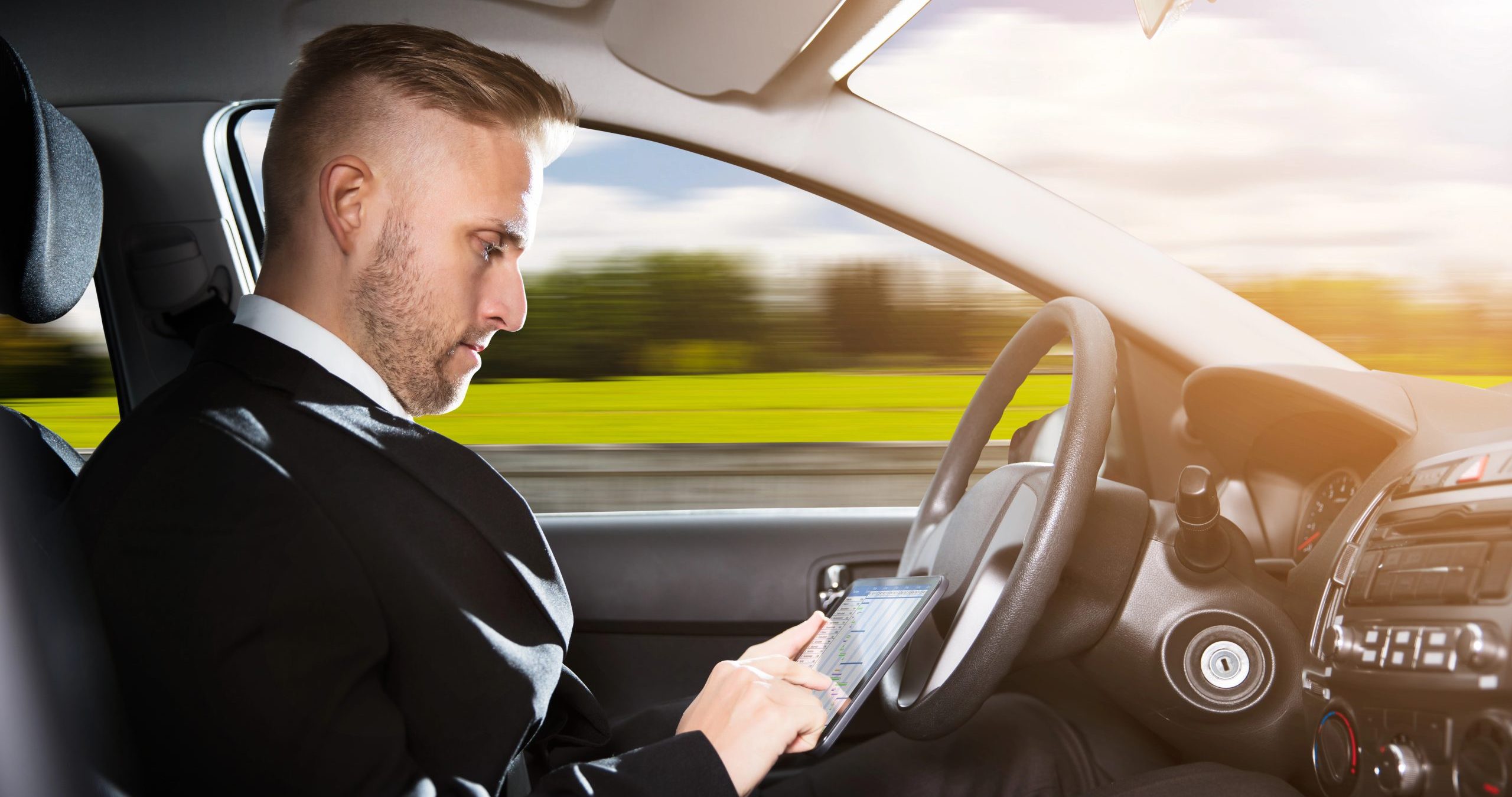
Fleet managers can prepare now. Drivers will need to understand that the car assists but does not drive itself. Hands-on rules on non-motorway roads will affect training, driver handbooks and insurance conversations. Legal responsibility stays with the person behind the wheel.
What happens next
Watch the December vote. One analyst expects the committee to end without a qualified majority, because two large countries have taken no public position. Even so, the direction is clear. Regulators want honest labels, tighter speed control and engaged drivers. Tesla has accepted that bargain in Europe.
We will keep tracking the vote and the UK timetable. For a closer look at what changed, watch Ian Smith’s video.