
Self-driving taxis signal changing role for professional drivers
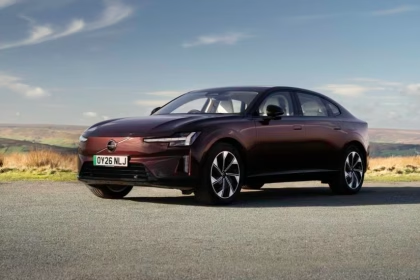
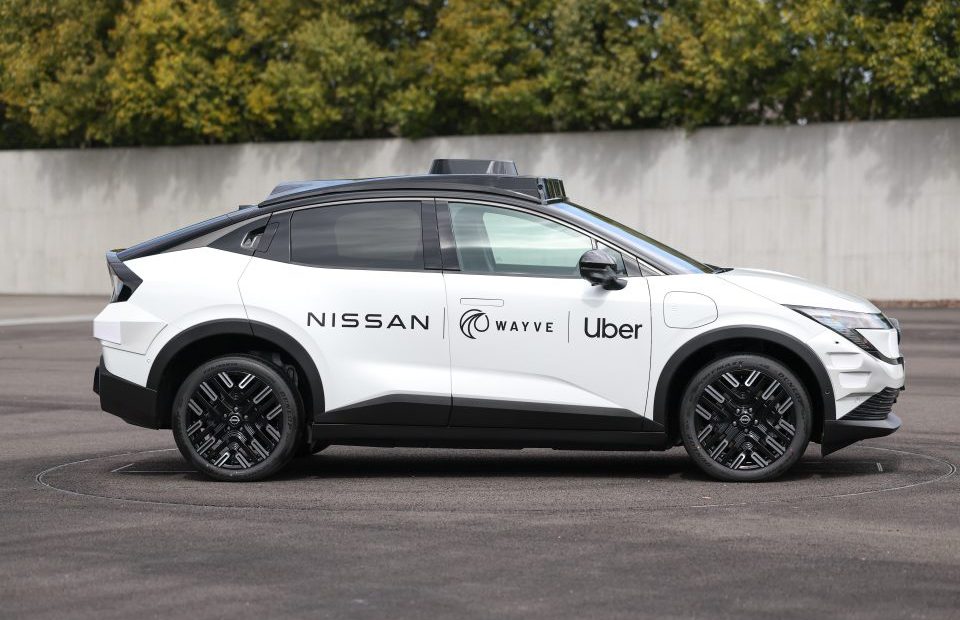
London has taken another step towards an autonomous future, with the capital’s first self-driving taxis now available to hire through the Uber app.
The Wayve vehicles initially operate with a human safety driver behind the wheel, ready to take control if required. The service provides an early indication of how autonomous vehicles could change the role of professional drivers, as responsibility gradually shifts from direct vehicle control towards supervising increasingly capable technology.
The development could also have wider implications for fleet operators, vehicle manufacturers and insurers as autonomous technology becomes more common on UK roads.
Sten Saar, CEO and founder of Zego, says the arrival of autonomous taxis could force the industry to reconsider what it means to be a driver as vehicles become increasingly capable of making decisions for themselves.
“London’s first self-driving taxis mark an important moment for the future of driving. We’re moving towards a point where the person sitting behind the wheel may not always be the person actually controlling the vehicle.
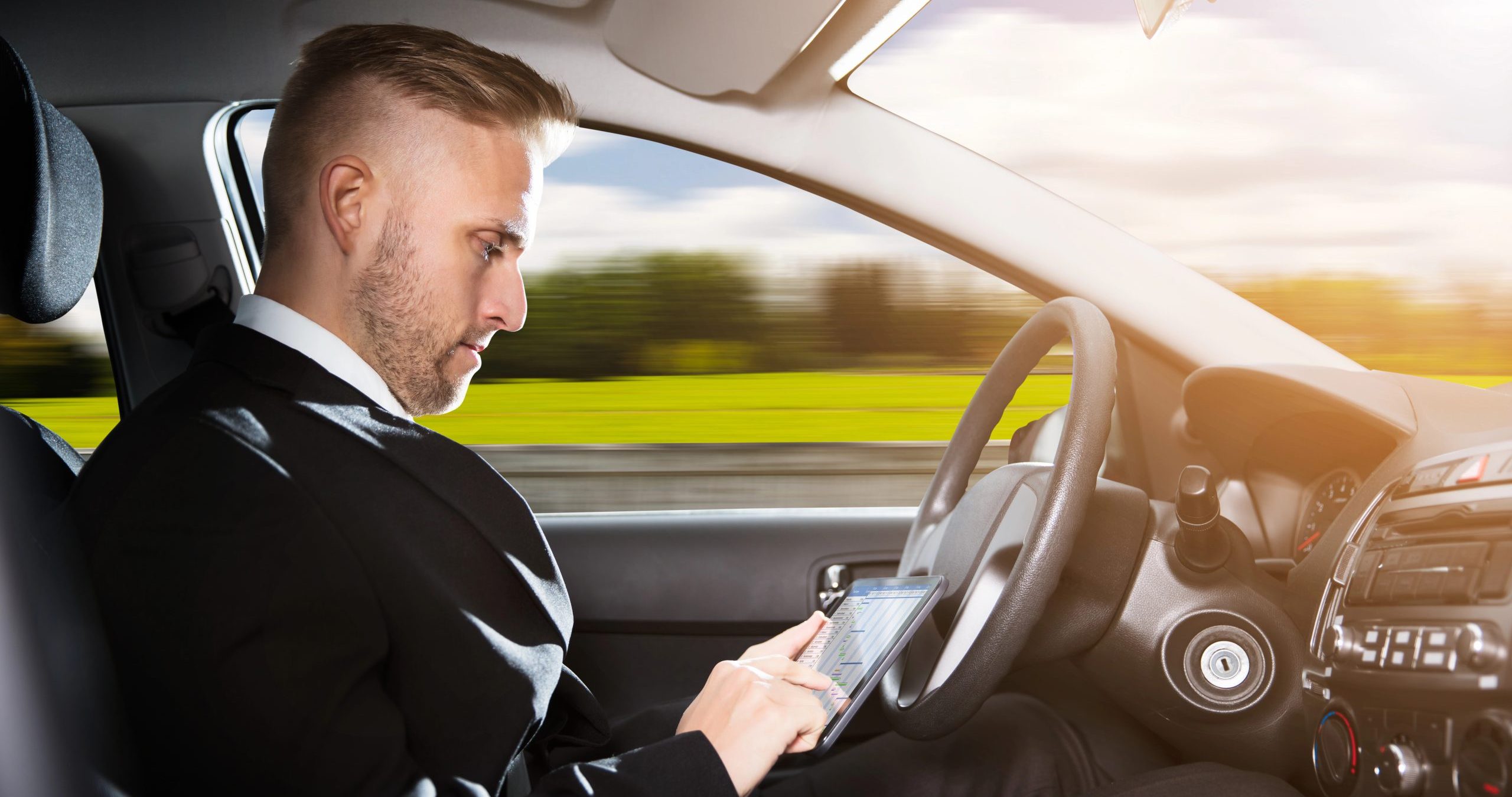
“For professional drivers, this could represent a fundamental change to the role. Instead of being responsible for every decision made on the road, drivers may increasingly find themselves supervising technology, intervening when necessary and managing the vehicle in a completely different way.
“The technology also changes our traditional understanding of a car. For generations, driving has been about the decisions made by the person behind the wheel, but autonomous vehicles introduce another decision-maker into that relationship. As a result, understanding how the vehicle performs in real-world conditions, how reliably a human can intervene and how the technology and operator work together could become just as important as the traditional factors insurers have historically used to assess drivers.
“The arrival of human-supervised automated taxis in London gives us an early look at how this transition could happen. As autonomous technology becomes more sophisticated, the challenge will be making sure drivers, manufacturers, operators, regulators and insurers all understand their changing roles, particularly when it comes to determining where responsibility and risk sit when something goes wrong.”
The introduction of human-supervised autonomous taxis highlights one of the key challenges facing the development of self-driving technology: determining where responsibility lies when an automated vehicle makes a mistake.
For conventional vehicles, responsibility for decisions made while driving generally rests with the person behind the wheel. Autonomous technology creates a more complex relationship between the driver, automated driving system, vehicle manufacturer and operator.
During the current transition period, the presence of a safety driver provides an important layer of human oversight. However, as autonomous systems develop and human intervention becomes less frequent, the boundaries between driver, supervisor and passenger could become increasingly blurred.
For insurers, this creates questions around how risk should be assessed. Traditional insurance models can consider factors such as a driver’s experience, claims history and driving behaviour. Autonomous vehicles introduce additional variables, including the performance of the automated system, software, sensors and the effectiveness of human intervention.
The development is particularly relevant to fleets operating passenger transport and private hire vehicles. If autonomous taxis can eventually operate without a safety driver, operators could see significant changes to vehicle utilisation, staffing requirements and operating models.
However, the transition is unlikely to happen overnight. Autonomous vehicles must demonstrate that they can operate safely in complex real-world environments, while regulators, insurers and operators need to establish clear frameworks for managing the associated risks.
For professional drivers, meanwhile, autonomous technology may not necessarily mean the immediate disappearance of the driving role. Instead, it could lead to a fundamental change in the skills required.
Drivers could increasingly become supervisors responsible for monitoring automated systems, taking control when necessary and ensuring passengers remain safe. That could require new training, competencies and potentially different licensing and insurance arrangements.
London’s first self-driving taxis therefore represent more than a new form of urban transport. They provide an early glimpse of a future in which driving could become less about controlling every movement of a vehicle and more about understanding, monitoring and supervising the technology responsible for getting passengers from A to B.
As autonomous vehicles become more prevalent on UK roads, defining the responsibilities of drivers, manufacturers, operators, regulators and insurers will be essential to ensuring the technology can develop safely and gain public confidence.