
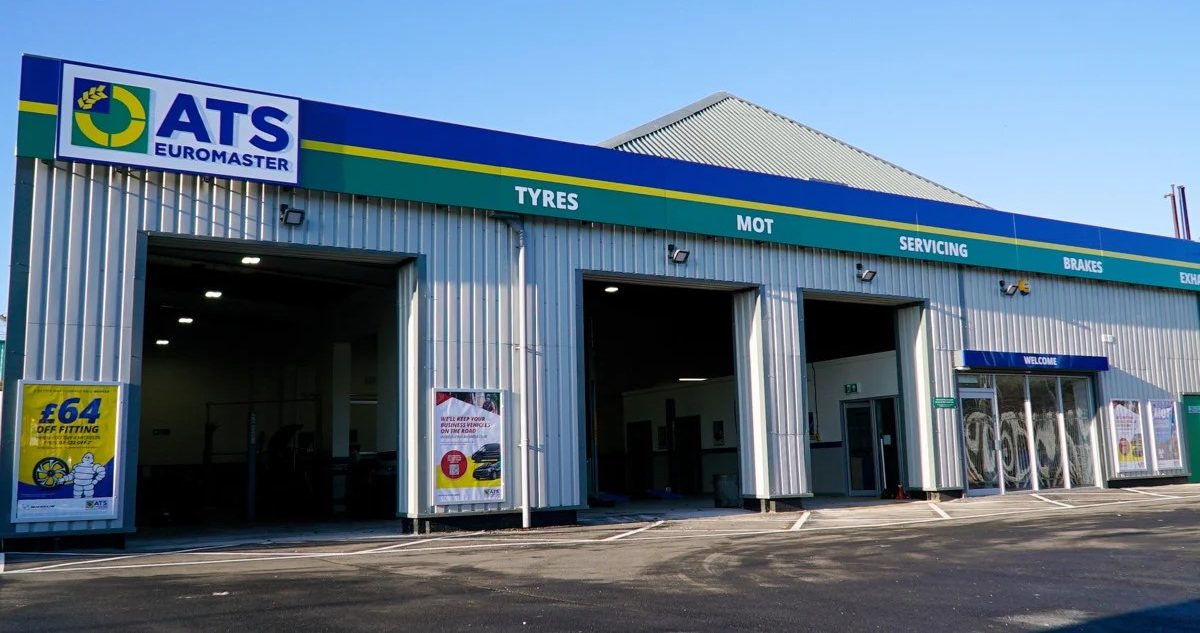
ATS Euromaster, a long-established tyre retail and automotive service network in the United Kingdom, has announced plans to wind down its UK business after decades of trading. The move, described as a “structured wind-down of its operations in the UK”, follows ongoing financial challenges and shifting market pressures that have made continued nationwide operation unsustainable.
The announcement comes after a series of earlier closures – including 86 sites shut in 2025 – as the company struggled with market over-capacity, rising operating costs and weaker demand, factors that its management says ultimately prevented a return to profitability.
Why ATS Euromaster Is Exiting the UK
In a statement accompanying the wind-down proposal, ATS Euromaster’s UK leadership said that despite significant restructuring efforts, there is “no viable path forward to a break-even position.”
Nick Harley, group managing director of Euromaster UK, said: “Today’s announcement marks an extremely sad and difficult moment for everyone in the company. We recognise the impact this will have on our colleagues, their families, and the communities ATS Euromaster serves, and it is not a decision we have taken lightly.
“Despite the team’s massive efforts to reshape the business, improve financial performance, and secure a sustainable future, a combination of intense market competition, sluggish activity within the sector and rising costs have left us with no viable path forward to a break-even position.
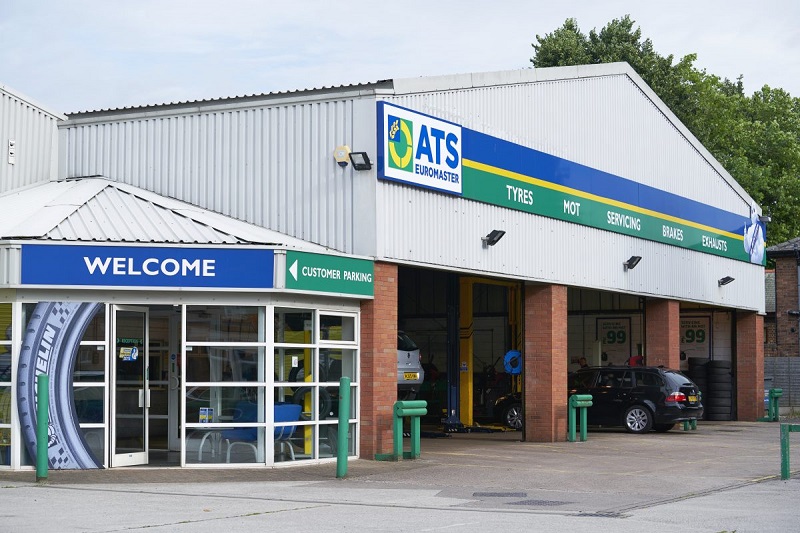
Image: Fleetpoint
“Our number one priority now is to treat every employee fairly and respectfully, fully appreciating that many have enjoyed long careers with us. Colleagues transferring to the new owners will do so with continuity and stability, while those in locations proposed for closure will be supported through collective consultation.”
Industry analysts also point to longer-term shifts in transport and fleet behaviour, including tighter maintenance budgets and changing vehicle usage patterns, that have contributed to softer demand for tyre and service work in recent years.
What Will Happen to the Tyre Centres and Staff
Rather than an abrupt closure of all sites, ATS Euromaster is pursuing partial sales of selected parts of its network to preserve jobs and continuity of service where possible.
To date, two buyers have agreed deals in principle to take over a portion of the business:
- Formula One Autocentres is reported to be acquiring 35 of the former ATS Euromaster sites, expanding its footprint in the fast-fit and auto service market.
- Independent operator Elite Garages has agreed to take on 14 of the centres, welcoming 61 employees under TUPE transfer arrangements that will see staff continue their roles with the new owner.
These transfers are part of efforts to maintain local services and retain continuity for customers in areas where these operators will be taking over. Under TUPE (Transfer of Undertakings Protection of Employment) rules, employees at transferred sites will retain existing terms and conditions as they move to new employers.
Richard Whittemore, Elite Garages Managing Director, said: “The acquisition of these 14 ATS Euromaster locations marks a significant milestone for our family business. We will work closely with ATS Euromaster to ensure a smooth and supportive transition for all employees, and we look forward to welcoming these new colleagues into the team.
“Together, we will ensure ongoing service for existing customers while continuing to grow each location through investment in recruitment, equipment and training.
“While we have grown considerably over the years, family values remain at the heart of everything we do, and we are incredibly grateful to the many colleagues who have contributed to our success. We remain committed to delivering a professional service with a personal approach in every community we serve.”
However, not all sites are expected to be sold, and many centres that cannot find buyers will close as part of the wind-down. ATS Euromaster has said that up to 703 roles may be at risk of redundancy across its remaining network and central operations.
For locations that are earmarked for closure, ATS Euromaster has said that the facilities will remain open during the consultation period to ensure a smooth transition for customers and suppliers.
The Future of the ATS Euromaster Brand and Aftercare
As things stand, the winding down affects only ATS Euromaster’s UK retail and service operations. Other parts of the broader Euromaster Group, such as the separate Tructyre business (focused on truck, trailer and commercial tyre services), are not included in the wind-down proposals and will continue their respective operations.
For customers in areas where centres are closing, independent operators or national chains may fill the gap in local tyre and auto-service provision. Some previously closed ATS centres have already been repurposed by other independent tyre retailers and service businesses.
What Customers Need to Know
In the short term, customers can still book tyres and services at existing ATS Euromaster sites. Sites proposed for sale or closure will remain operational through consultation and transition periods.
Should a local centre close permanently without a buyer, affected customers will need to make alternative arrangements with other tyre retailers or service centres. National chains and independents are likely to step into these gaps over time.
A Change for the UK Automotive Aftermarket
The wind-down of ATS Euromaster in the UK reflects broader pressures facing the automotive aftermarket and service industries, including cost inflation, competition from larger auto groups and changing patterns in fleet maintenance spend.
Industry insiders see this as part of a wider realignment in the service sector where economies of scale, digital transformation and diversified service offerings will determine which operators thrive in a market that continues to evolve following supply chain disruptions and economic uncertainty.