
After years of decline, the company car market is enjoying a strong revival, with electric vehicles (EVs) leading the resurgence. HMRC’s latest Benefit in Kind Statistics Commentary – July 2026 shows that the number of employees receiving a company car has climbed to 920,000 in the 2024/25 tax year, an increase of 80,000 on the previous year, marking the highest level for several years.
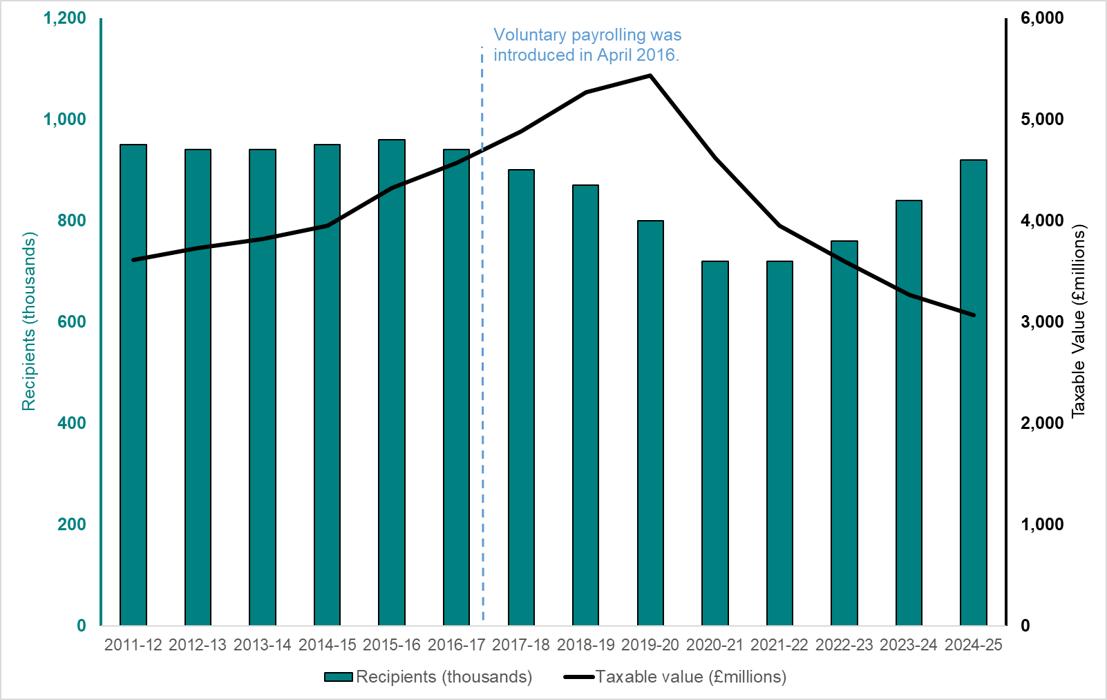
Number of recipients and total taxable value of company cars (from April 2011)
The figures underline how Benefit in Kind (BiK) tax incentives have transformed the company car market. Once viewed as a declining employee benefit, company cars have become increasingly attractive thanks to the favourable tax treatment of zero-emission vehicles, with salary sacrifice schemes further accelerating adoption.
Electric vehicles drive the recovery
HMRC’s data shows the resurgence has been driven overwhelmingly by the rapid shift towards electric vehicles. Since the introduction of ultra-low BiK rates for fully electric cars in 2020, employers and employees have increasingly chosen EVs over petrol and diesel models.
The government’s long-term certainty over company car taxation has also played a significant role. Even though the BiK rate for fully electric cars increased to 4% in the 2026/27 tax year, it remains substantially lower than the rates applied to most petrol and diesel vehicles, making EVs one of the most tax-efficient employee benefits available.
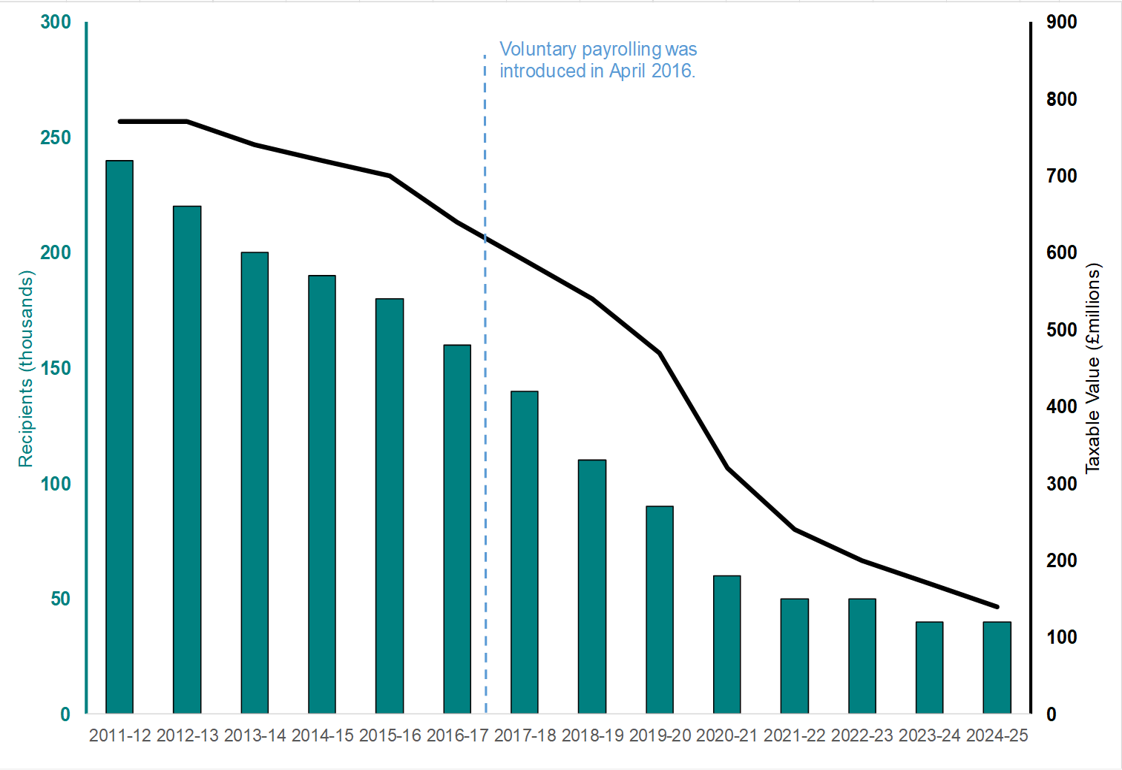
Number of recipients and taxable value of fuel benefit (since April 2011)
The latest HMRC statistics also continue the longer-term trend of falling company car emissions, reflecting the growing proportion of battery electric vehicles entering corporate fleets. As businesses pursue sustainability targets alongside cost savings, fleet electrification has become an increasingly important part of wider decarbonisation strategies.
Salary sacrifice continues to fuel demand
Industry experts say salary sacrifice schemes have become one of the biggest drivers behind the company car renaissance.
Under these arrangements, employees exchange part of their gross salary for the use of an electric company car, benefiting from lower Income Tax and National Insurance contributions while employers also reduce their National Insurance liabilities.
Chris Chandler, one of the architects of the original company car tax system, described the latest HMRC figures as “good news”, highlighting the increase of 80,000 company car recipients and noting that salary sacrifice drivers are now reflected within the statistics. He added that tax policy is successfully encouraging environmental improvements by rewarding drivers who choose electric vehicles.
The data suggests that the combination of low BiK rates and salary sacrifice has reversed years of declining company car uptake, creating a compelling financial case for both employers and employees.
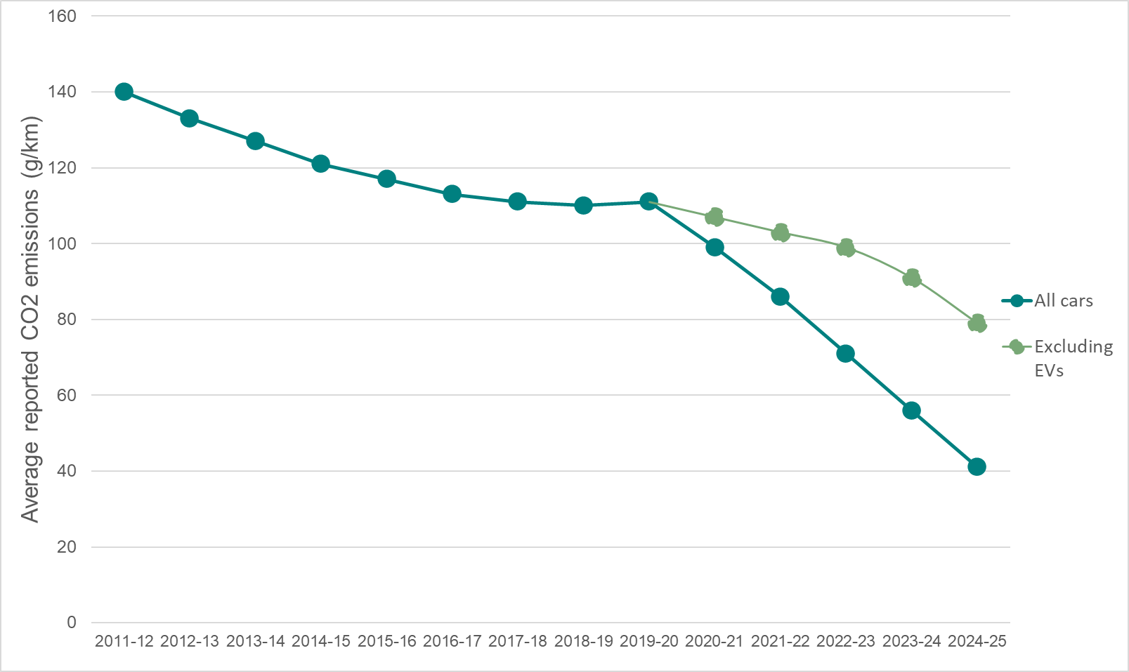
Average (reported) CO2 emissions of company cars since April 2011
Industry welcomes the latest HMRC figures
The fleet industry has broadly welcomed the latest statistics, arguing that they demonstrate the effectiveness of stable tax policy.
What the figures mean for employers
For employers, the continued growth in company cars reflects more than just changing employee preferences. Electric fleets can help organisations reduce their carbon footprint, support Environmental, Social and Governance (ESG) objectives, and improve employee recruitment and retention.
Meanwhile, predictable company car tax rates through the remainder of the decade provide businesses with greater confidence when planning fleet replacement cycles and investment in charging infrastructure.
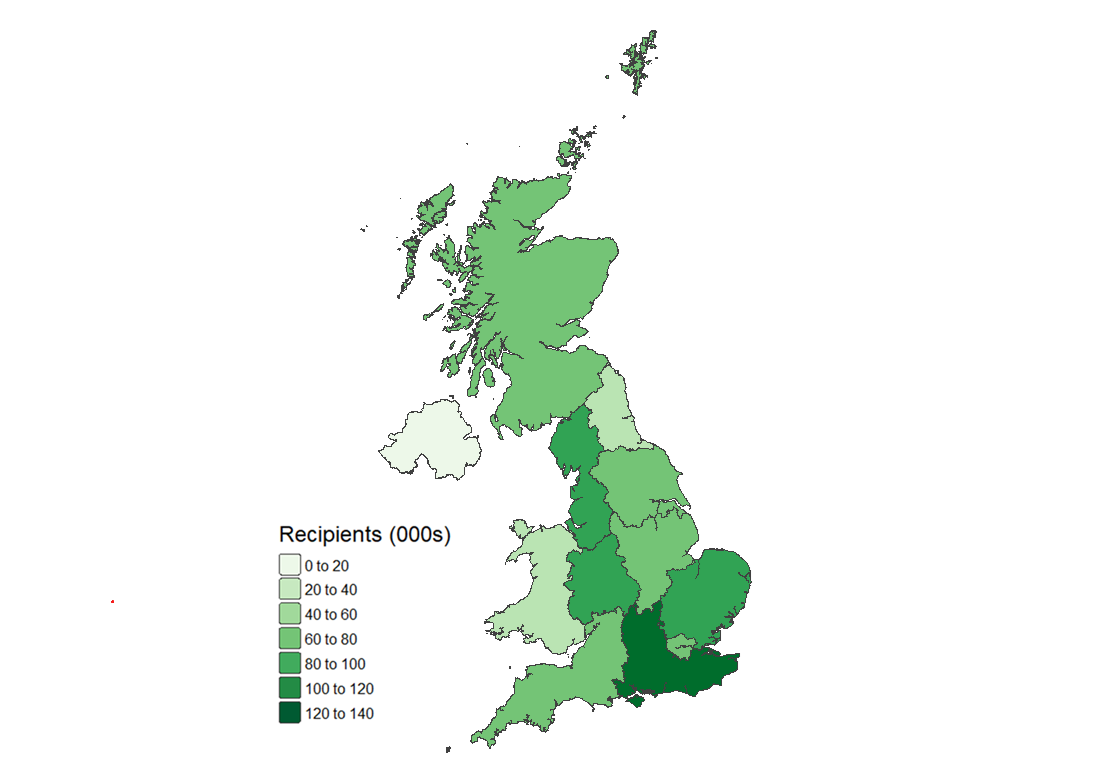
Number of car benefit recipients by region
Although BiK rates for electric vehicles will continue to rise gradually over the coming years, they remain significantly below those for equivalent petrol and diesel cars, ensuring EVs retain a substantial tax advantage.
Outlook
HMRC’s latest Benefit in Kind statistics confirm that the company car market has entered a new phase of growth, driven almost entirely by electric vehicles and supportive tax policy.
With 920,000 employees now receiving company cars and EV adoption continuing to accelerate, the data illustrates how fiscal incentives can influence both consumer behaviour and business investment. As organisations continue to electrify their fleets, the company car is once again becoming a valuable employee benefit, this time as a key driver of the UK’s transition to zero-emission transport.