
Transport for London (TfL) has today (28 January 2026) unveiled its draft Business Plan, outlining a bold vision for the capital’s transport network up to 2029/30. The plan builds on a decade of progress – from launching the Night Tube and Superloop, delivering the Elizabeth line, expanding Cycleways fourfold, to operating Western Europe’s largest zero-emission bus fleet.
The plan focuses on transforming services for passengers, drivers, cyclists, and pedestrians, while supporting economic growth, sustainability, and accessibility across London.
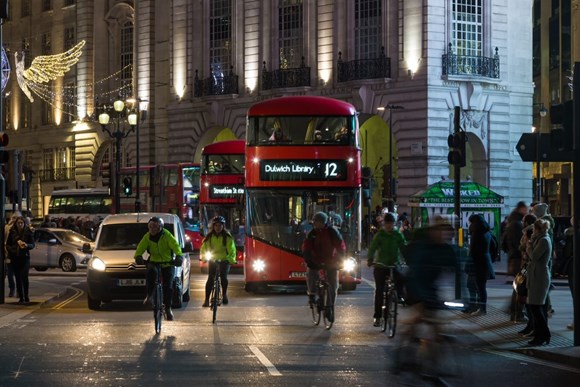
Image: TFL
A Fairer, Safer, Greener City
TfL’s strategy aligns with the Mayor’s vision for a safer, greener, and more prosperous London. Major projects include transforming Oxford Street into a pedestrian-friendly destination and extending the DLR to Thamesmead via Beckton Riverside, supporting new homes and jobs. Other initiatives include the Bakerloo Line Extension, integrating Great Northern services into London Overground, and developing the West London Orbital Overground route linking Hounslow and Hendon via Old Oak Common.
Reimagining the Bus Network
The plan sets out major upgrades to London’s bus services. The Superloop network will expand across outer London, new bus priority measures and advanced traffic signal technology will reduce delays, and outer London services will increase while central routes adjust to demand. TfL will continue electrifying its fleet, with two-thirds zero-emission by 2030 and the full fleet to follow, reinforcing its status as Western Europe’s largest electric bus operator.
TfL is also exploring a publicly owned bus company to improve innovation, efficiency, and accountability, benefiting both passengers and staff.
Step-Free Stations and Rail Investment
Accessibility remains a top priority, with Northolt and Leyton stations set to become step-free for the first time. Further upgrades will continue at Elephant & Castle and, subject to funding, South Kensington. The plan also covers new signalling for the District and Metropolitan lines, new train fleets for the Bakerloo, Piccadilly, DLR, and Elizabeth lines, refurbishment of the Central line, and replacement of the tram fleet.
Reducing Congestion and Modernising Streets
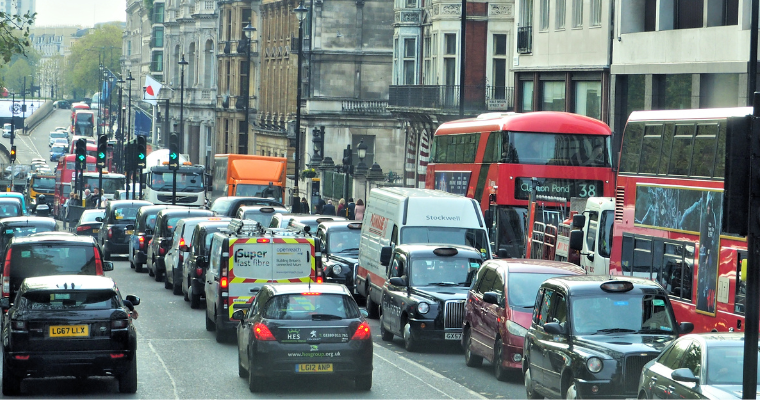
TfL will deliver advanced traffic management systems and sustainable street upgrades, aiming for London to have the world’s most sophisticated traffic network by 2028. The Lane Rental scheme will expand across boroughs to cut delays, while Sustainable Drainage Systems (SuDS) and clean waterways projects will improve resilience and biodiversity.
Cycling and Safer Streets
Investment in cycling has delivered over 430km of routes. The plan continues funding safer streets, expanding Santander Cycles, supporting dockless e-bikes, and providing £90m per year through boroughs for cycle parking, bus priority, and road maintenance.
Vision Zero and Safety
Safety remains TfL’s absolute priority. Since 2019, fatalities and serious injuries have fallen to record lows outside pandemic years. The updated Vision Zero Action Plan aims to eliminate deaths and serious injuries across roads, buses, and stations. CCTV, safety cameras, and digital tools like the TfL Go app will be modernised to improve security and reporting.
Fare Innovation and Customer Experience
TfL is exploring fare innovation, loyalty schemes, and rewards to increase ridership and revenue, reinvesting funds to enhance services.
Transport Commissioner Andy Lord said: “Our new Business Plan is an ambitious programme for London’s transport network. It invests in stations, lifts, escalators, track, roads, and bridges while improving accessibility, reducing delays, and enhancing safety. It reflects what our customers, businesses, and colleagues value most – services that are safe, reliable, green, and affordable.”
Mayor of London Sadiq Khan added: “I am proud of what we have achieved over the last decade, but we must continue investing to make London safer, greener, and fairer. This plan supports Oxford Street transformation, new homes and jobs, Tube modernisation, reduced congestion, and the elimination of death and serious injury from London’s roads. Investing in transport benefits London and the UK, unlocking jobs and economic growth while building a better city for all.”