

Walkaround checks vs drive-through inspection
A morning walkaround records what a driver can see on a cold HGV. Tim Snell, CEO of Pitcrew AI, looks at the brake and bearing faults that only show as heat once a vehicle has been working, and what a thermal inspection at depot entry adds to the record.
At 6am, a dragging brake looks the same as a healthy one. So does a hub bearing that’s starting to fail. Neither shows much on a parked, cold truck, and that’s when most walkaround checks happen.
DVSA’s Guide to maintaining roadworthiness expects at least one walkaround check every day a vehicle is in service, carried out by the driver or another responsible person. Defects get reported, and the reports are kept for at least 15 months. Nothing here argues for dropping that check. But a walkaround records what one person could see at one moment, and some of the faults behind wheel-end fires and wheel-offs only show once the vehicle has been working.
What the walkaround does well
A good walkaround catches what you can see and touch: a cut or bulging tyre, low tread, a missing wheel nut, a damaged light, an insecure load. DVSA treats nil-defect reporting as good practice, and it accepts digital walkaround apps that carry a digital signature and a date and time stamp.
The guide is also clear that the check has to be done properly. Traffic commissioners can take action against drivers whose walkaround checks aren’t adequate. A signed sheet is only as good as the check behind it.
Heat at the wheel end
Brakes and bearings give themselves away through heat, not appearance. Once the wheel turns under load, a dragging brake runs hot, and that can end in a wheel-end fire. A failing hub bearing heats up too, and if it fails completely the wheel can come off. Tyres matter as well, since internal damage such as tread separation also builds heat before anything is visible. For HGV fleets, though, brakes and bearings are the bigger risk.
Timing is the problem. The heat that gives these faults away builds during the working day, after the morning check is signed off. A driver can complete an honest walkaround, record nil defects and still take out a vehicle with a dragging brake nobody could have seen.
Trailer axles are the hardest wheel ends to check properly on foot. And the inner face of any wheel end is hard to see from beside the vehicle at all.
Inspecting on return
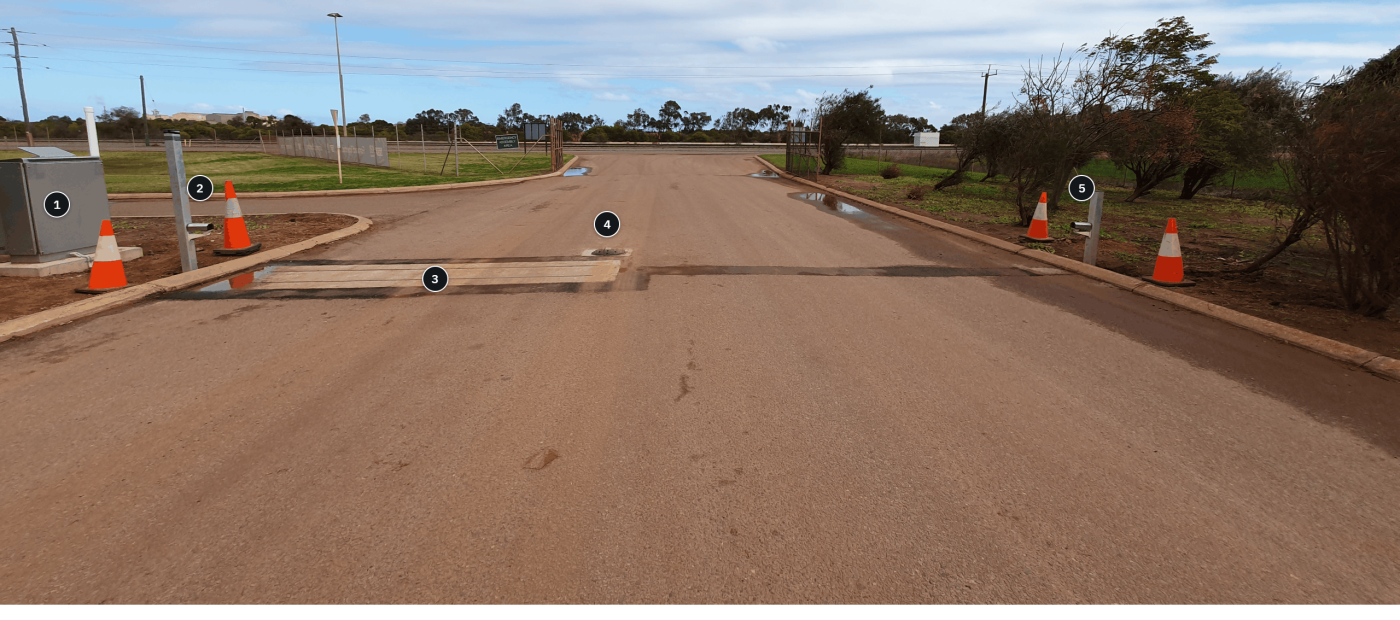
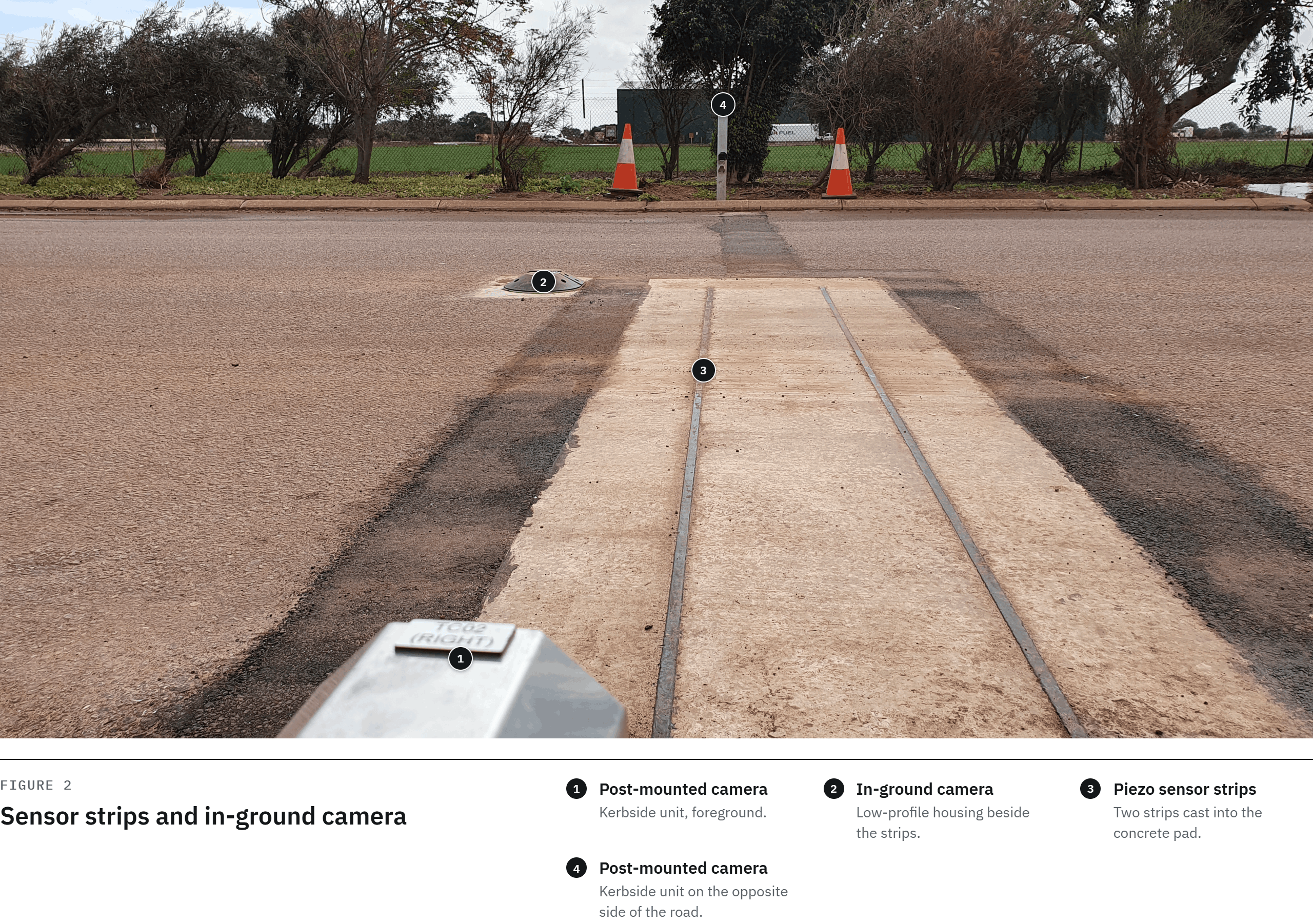
An automated vehicle inspection system at the depot entry inspects every heavy vehicle that drives through it. Pitcrew’s stations typically use three thermal cameras, one set into the road surface and one on each side of the lane. Vehicles pass at normal speed. Nobody stops, and no hardware needs to be fitted to the vehicle.
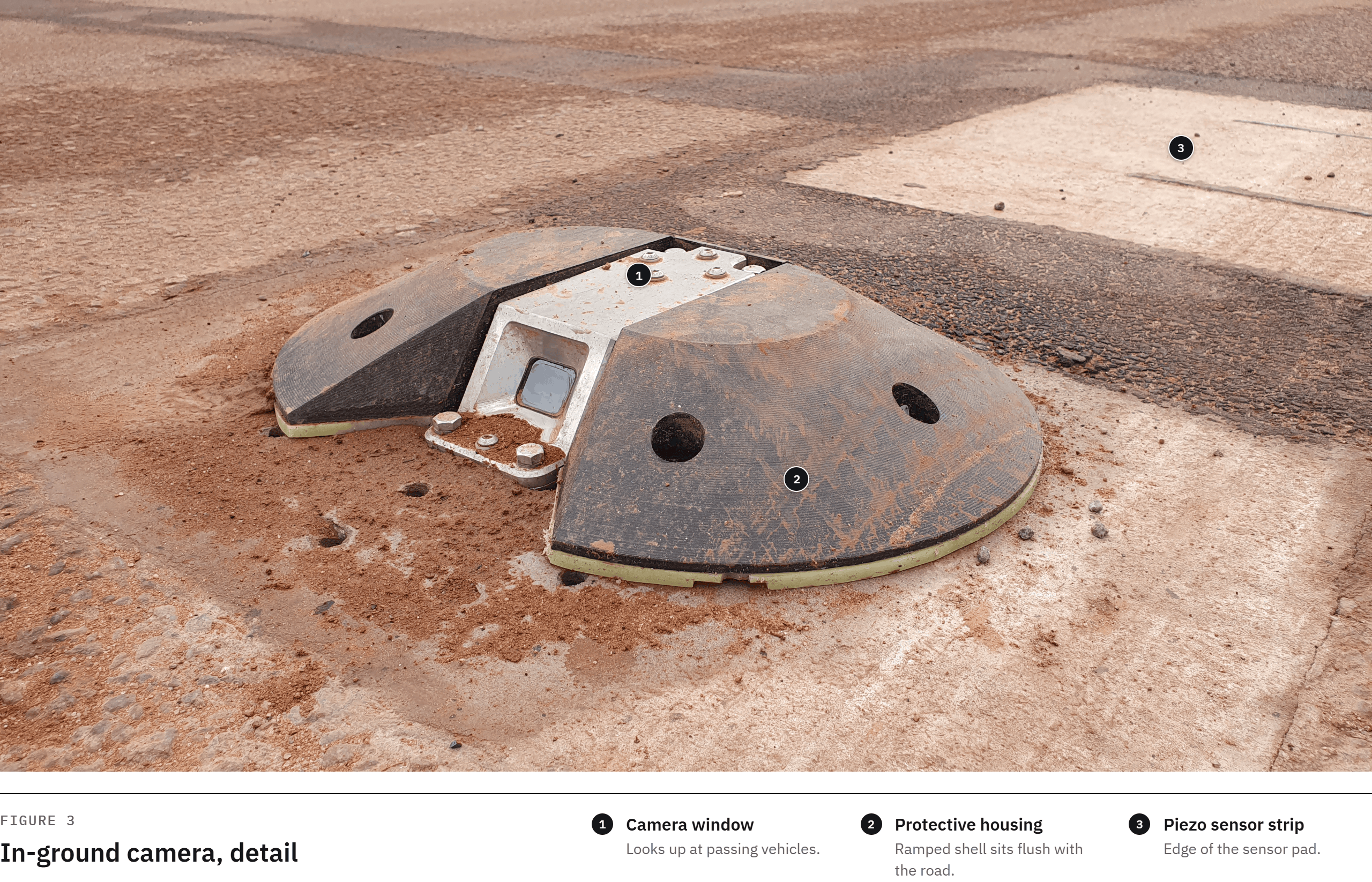
Every axle group is covered, trailer axles included. Rather than judging each wheel against a fixed temperature, the system compares temperatures within each axle group, left to right and axle to axle. A long descent or a stop-start urban run warms the brakes right across the vehicle, and that’s normal. What signals a fault is one wheel end running hotter than its pair.
That’s why the return to the depot matters. A vehicle coming back through the gate has brakes and bearings that have been working, and that’s when a heat fault shows.
There are limits. Thick mud, snow or packed material on the wheel reduces what a thermal camera can see. And drive-through inspection adds to walkaround checks and scheduled safety inspections. It doesn’t replace either.
Two records, two jobs
A walkaround sheet is one person’s assessment of a cold vehicle. Drive-through inspection produces a timestamped record every time the vehicle passes the cameras, and those records build into a history for each vehicle.
When a wheel end runs hotter than its pair on return, the workshop has a specific wheel to check and the time the difference was seen. Earlier passes show whether that hub has run warm before. That’s a reason to look now, not at the next scheduled safety inspection, which DVSA’s guidance usually puts 4 to 13 weeks apart.
The records also join up. Put them side by side and an operator can trace what the driver recorded on the morning walkaround, which wheel end ran hotter on return, and what the workshop found when it looked.
In Australia, where Pitcrew is based, timestamped inspection records help operators show how they meet their primary duty under the Heavy Vehicle National Law.
Where to start
Begin with the walkaround records you already hold. If months of sheets all say nil defects, ask whether the defects aren’t there, or whether the check can’t see them.
Then look at when your vehicles are checked. If every inspection happens on a cold vehicle at the start of the day, heat-related faults have nowhere to show. Trailer wheel ends deserve a hard look too, given how little of them a walkaround can see.
Automated inspection doesn’t change who is responsible for a roadworthy vehicle. What it changes is what an operator knows about each wheel end between checks. Can you show what you knew about each vehicle, and when?