
Ford Ranger PHEV: the UK’s No.1 pickup, now with a plug
Fleetpoint sat down with John Dewar, Ford’s UK and Ireland Head of Commercial Vehicle Products, to talk about the new Ranger PHEV: the thinking behind it, what it means for the fleets and businesses that rely on the Ranger, and where Ford sees the pickup going next.
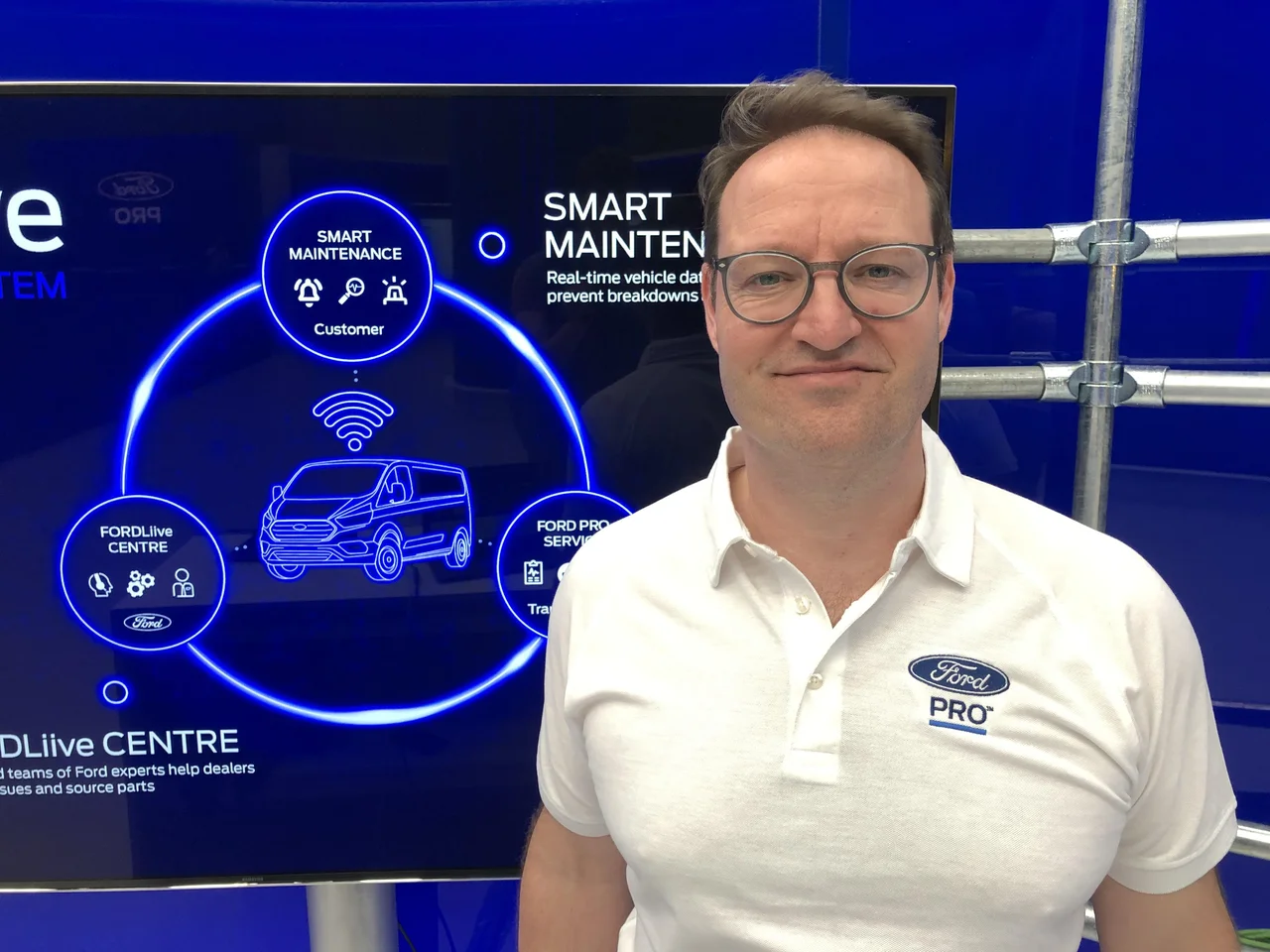
Dewar’s job, as he puts it, is to take “great engineering work from Europe” and make sure it lands successfully in the UK and Irish market. His team launches every new Ford commercial vehicle on this side of the Channel, from Transit to Ranger, and the plug-in hybrid Ranger is the latest and arguably the most significant of those launches. His summary of it is simple: “a true workhorse pickup truck” that happens to run on electricity for part of its day.
Same customers, same job, less diesel
Ask Dewar who is going to buy the Ranger PHEV and the answer is refreshingly unambiguous: the same people who buy a diesel Ranger today.
“We’re committed to a transition to electrification, and from a pickup segment we believe the plug-in hybrid is a nice step towards that,” he says. “The way we’ve designed and engineered the product is to ensure it’s true to its DNA. It’s a true workhorse pickup truck. It’s a real Ranger and it will do everything a normal diesel Ranger would do.”
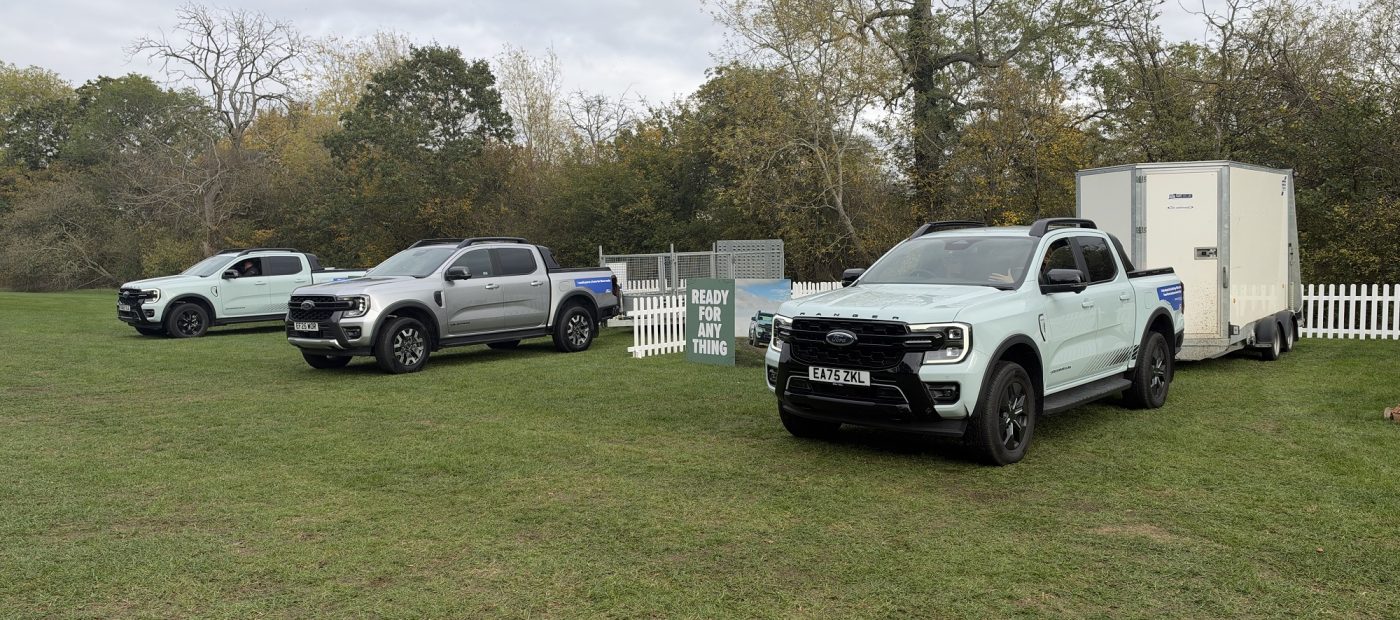
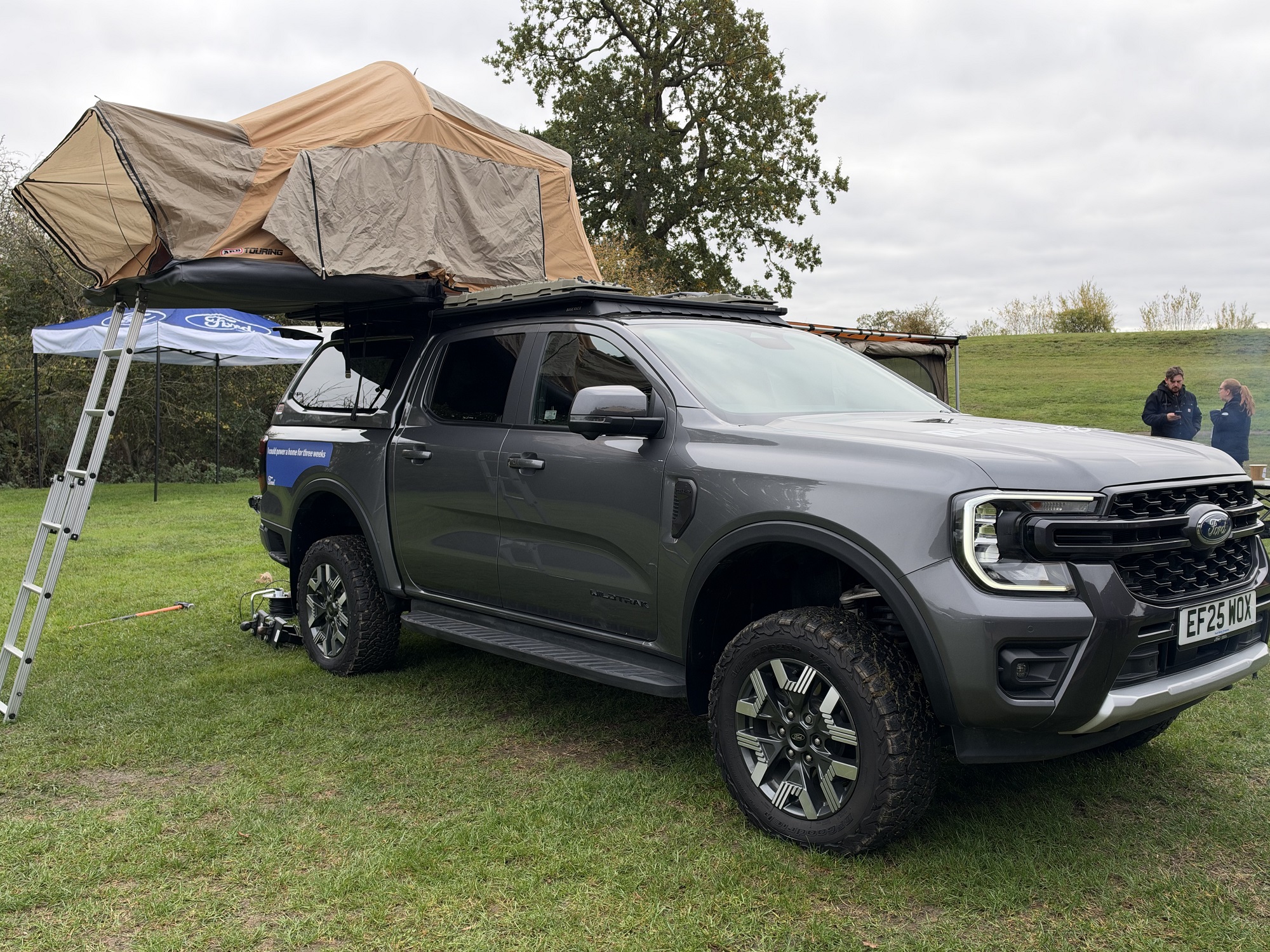
That matters because the pickup market has a long memory for compromise. Ford’s position is that there is none. “We’re not compromised. We’re not looking for a different type of customer. We’re absolutely just bringing that product to the segment and their needs.” Those needs, he points out, span everything from a workhorse on a construction site to rail maintenance, vehicle recovery and the emergency and utility services that were on show at the marketing event.
As the UK’s best-selling pickup for many years, the Ranger is in the unusual position of shaping the market rather than following it. Dewar is careful to credit that to the customer base rather than to Ford. “That’s led by a connection to our customers and our loyalty with our customers. It’s in partnership with that loyal community of Ranger owners and advocates, and we just try to deliver the best product we can to them.”
Off-grid by design, with remote care
Pickups earn their keep in places a franchised dealer rarely sees. We put it to Dewar directly: when a farmer is stuck in a field in the middle of nowhere, how does Ford look after them?
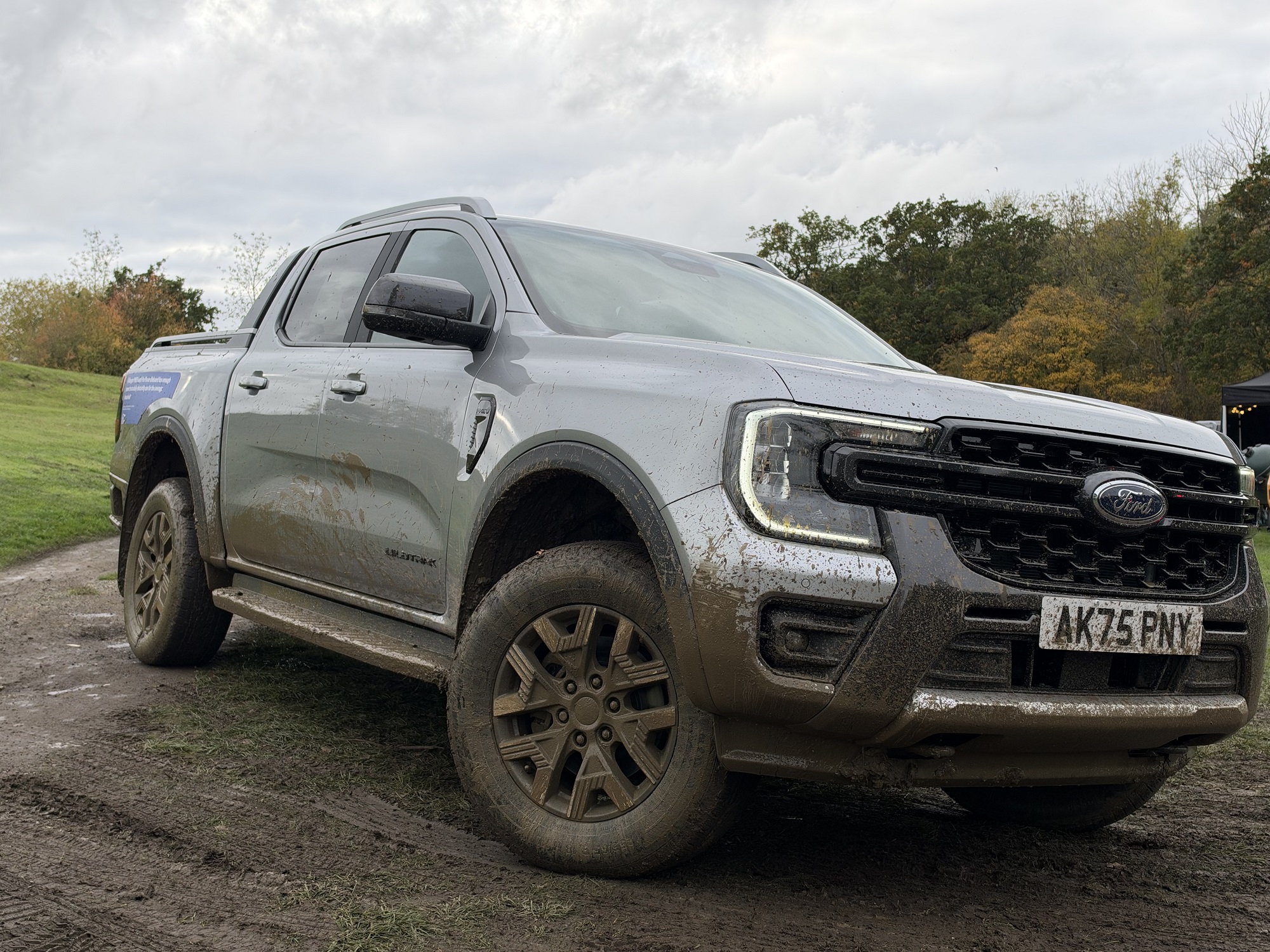
His first answer is the vehicle itself. “For starters the plug-in hybrid Ranger has that ability to be off-grid. For a farmer, for somebody working remotely, I think it’s absolutely the pinnacle of what their needs are from a usability point of view.” The PHEV’s onboard power supply lets operators run tools, lighting and equipment straight from the vehicle’s battery, which turns the truck into a mobile power source rather than something that needs one. For many businesses that means no longer towing a diesel generator to site, or leaving that generator idling to keep the kit running, with the fuel, noise and emissions that come with it. The Ranger arrives, plugs the job in and gets on with it.
The second answer is the network behind it. Ford has a little over 120 commercial authorised repairers across the UK, and Dewar stresses that they are set up specifically for commercial vehicles. “They are trained and ready for that type of work. They have the capacity, the experience and the equipment to get these vehicles up in the air and look after them properly. So that’s the first important thing: the physical sites, up and down the country.”
The third is data. Every Ford commercial vehicle, the Ranger included, now ships with an embedded modem. “It has the ability to off-board vehicle health information to the driver or fleet manager, and the ability to send it to Ford Motor Company,” he explains. “So before the vehicle even arrives we can help maintain that vehicle and know what needs to be done to it.” For a fleet manager with Rangers scattered across the country, that is the difference between a planned visit and an unplanned one.
The single cab commercial: Ford’s answer to the pickup tax change
Fleetpoint had seen Ford’s new two-seat Ranger Single Cab Commercial at Fleet & Mobility Live a few weeks earlier, and it was one of the more talked-about vehicles at the show. It exists because of the change in how HMRC treats double cab pickups for tax purposes, which came into force last year and reclassified them as cars for benefit-in-kind and corporation tax.
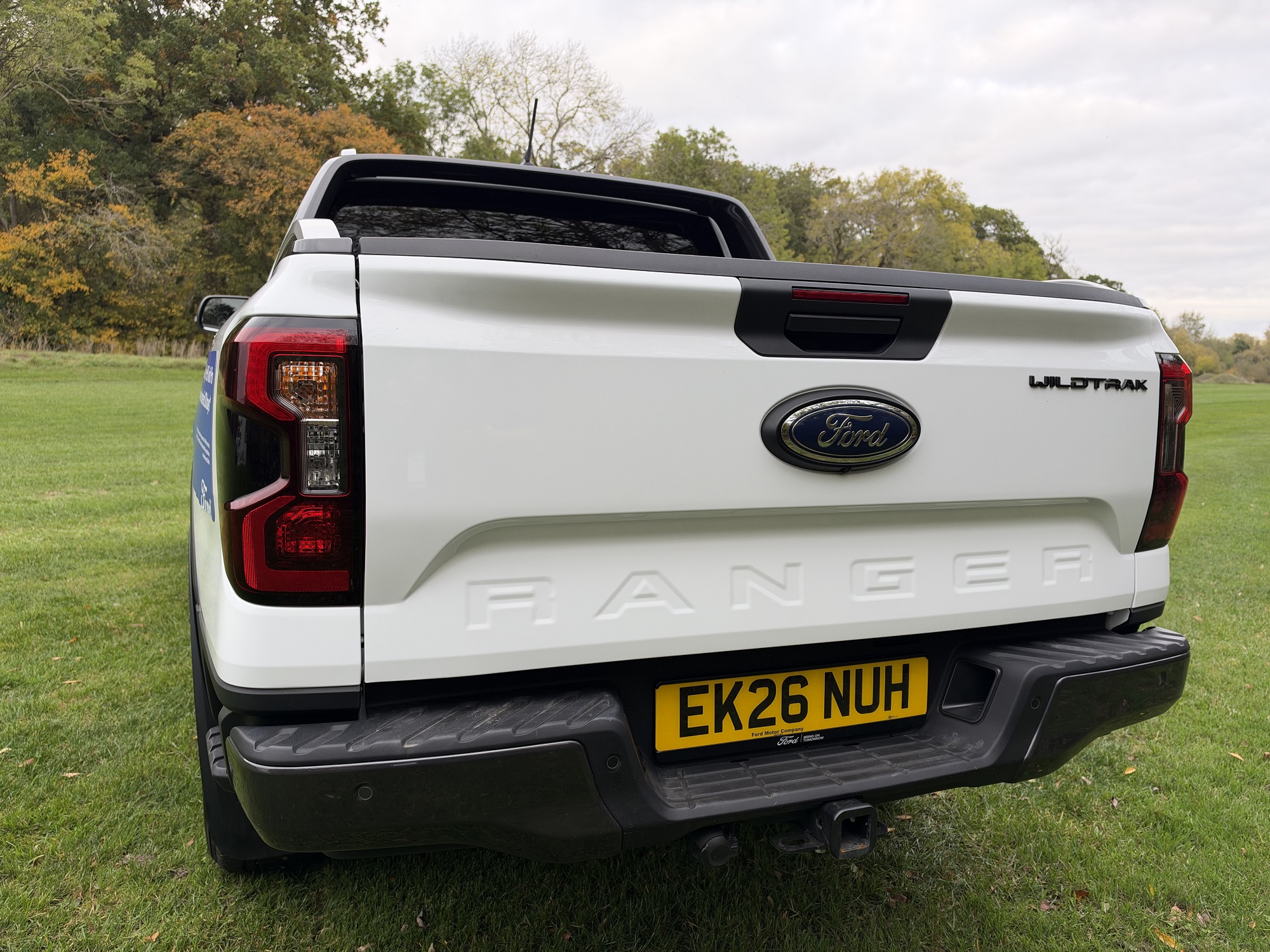
Dewar does not pretend the change was welcome. “I think we all recognise there was a major change in taxation which has impacted the market. However, we know from our customers how they use their vehicles, and they absolutely still need the capability of what a Single cab Ranger gives them.
Ford’s response was to build a Single Cab Commerical that qualifies as a commercial vehicle again. That means removing the rear seats, but Dewar is keen to point out it is a good deal more thorough than that. “It’s not just removing the rear seats. We’ve looked at HMRC’s guidance and I think we’ve done a comprehensive job in converting that to meet those requirements.”
The result is a genuinely useful load area behind the front seats. “If you’ve got wet coats or you’ve got tools that you want to store, it’s a really nice secure place. It’s got a full bulkhead, so if anything does move suddenly it’s not going to injure the driver. The rear windows are replaced by aluminum panels, all from a security point of view.” From the outside, he adds, “it actually just looks like a normal double cab pickup, and people like that.”
The aim, he says, goes beyond tax efficiency. Businesses running pickups are under pressure on running costs across the board, and the two-seat model is about keeping the Ranger a viable business tool rather than simply a cheaper one. It is on sale now, having launched earlier this year, and Dewar reports that “it seems to be really taking off and the market’s reacting to it”.
So when do we get a fully electric Ranger?
If the PHEV is step one on the road to electrification, the obvious question is when step two arrives. Dewar’s answer is candid about why a battery-electric Ranger is not here yet.
“We’re always looking at how we can transition to EV. I think the pickup segment, from a real capable pickup, is probably one of the most difficult. Some manufacturers have tried to go to full EV and they’ve had to compromise, either with its capability in towing and payload, or produce an EV that is capable of those things but does not have adequate range to do the job, especially what these things have to go and do.”
“No manufacturer has solved that, and that’s why we think plug-in hybrid at the moment is the right choice of transition. As technology moves with battery capacities and range, it will get there, and obviously we’re looking at how we do that as well.”
It is a measured position from a brand that could easily have chased an EV headline. For fleet operators who need a pickup to tow, carry and keep going all day, it is probably the right one, and it means the Ranger PHEV is likely to be the electrified pickup of choice for some time yet.
Click here for the Fleetpoint review from the marketing day.
John Dewar is UK and Ireland Head of Commercial Vehicle Products at Ford. Fleetpoint spoke to him at a Ford Ranger PHEV customer event.