
Technology must earn its place in the workshop
As AI, data and connected technology move rapidly into automotive aftersales, Autotech Connect is urging the aftermarket to focus on practical productivity gains. The aim is to give skilled technicians faster access to knowledge and expertise while reducing the administration surrounding vehicle repairs.
The role of AI in the workshop was firmly on the agenda at Automechanika Frankfurt last month. Automotive and technology leaders discussed applications including AI-assisted search, guided diagnostics, predictive maintenance and remote diagnostics.
The discussion reflects a wider shift in how businesses view AI. Government research reports that 75% of businesses already using AI have seen improved workforce productivity.
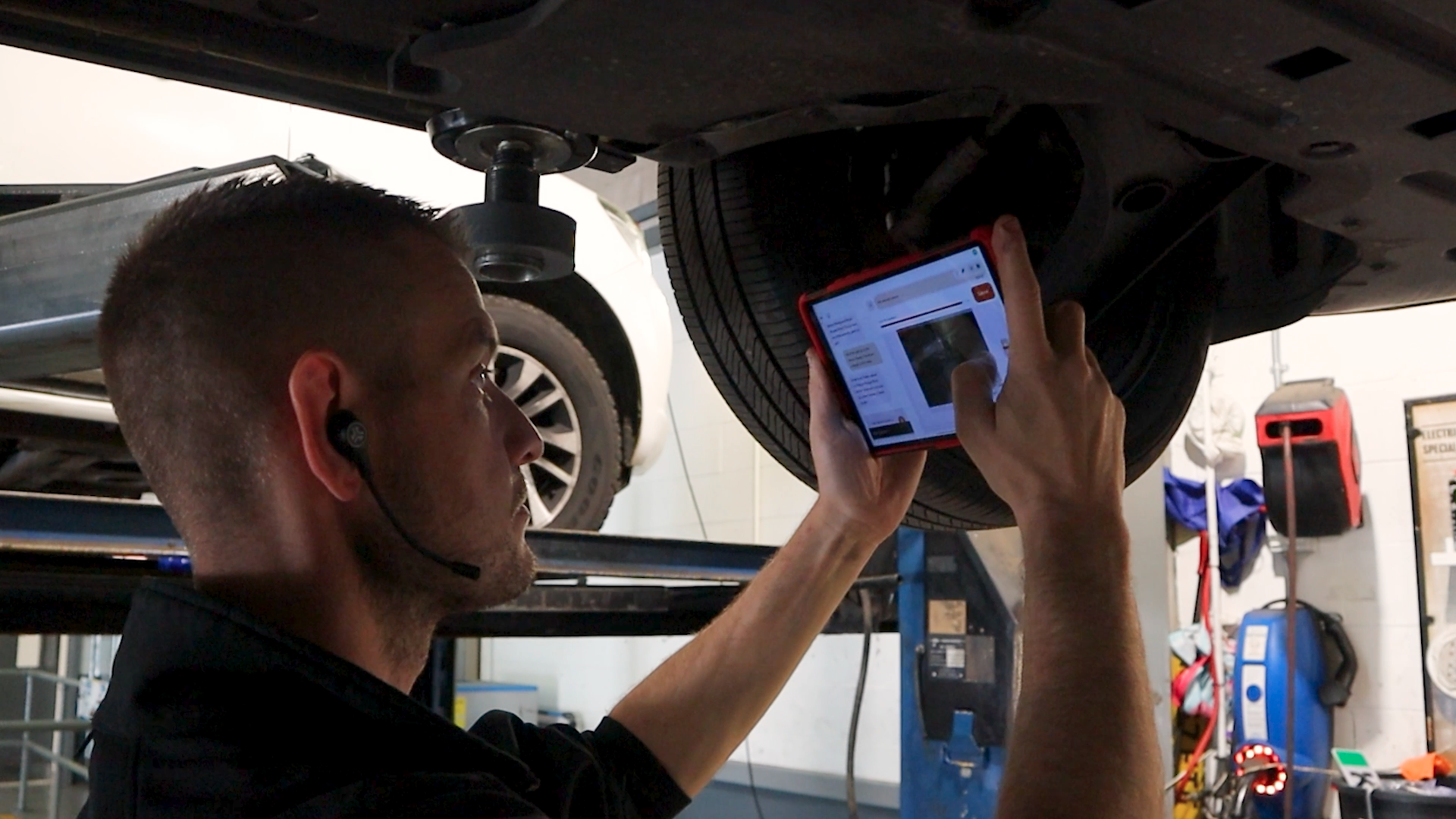
For Darren Dowling, Client Services Director at Autotech Connect, the opportunity for the aftermarket is to turn rapidly developing technology into practical tools. These should make better use of skilled technician time.
“The aftermarket doesn’t need more technology for technology’s sake. It needs technology that gives skilled technician time back to the workshop,” he comments. “That doesn’t mean being cautious about technology. Quite the opposite. It means being ambitious about where we use it and clear about the outcome we expect it to deliver. The opportunity now is to apply these emerging capabilities where they can make a measurable difference to the working day.”
Technology and access to information
Recent industry research highlights why technology and information access are becoming increasingly important alongside technician skills.
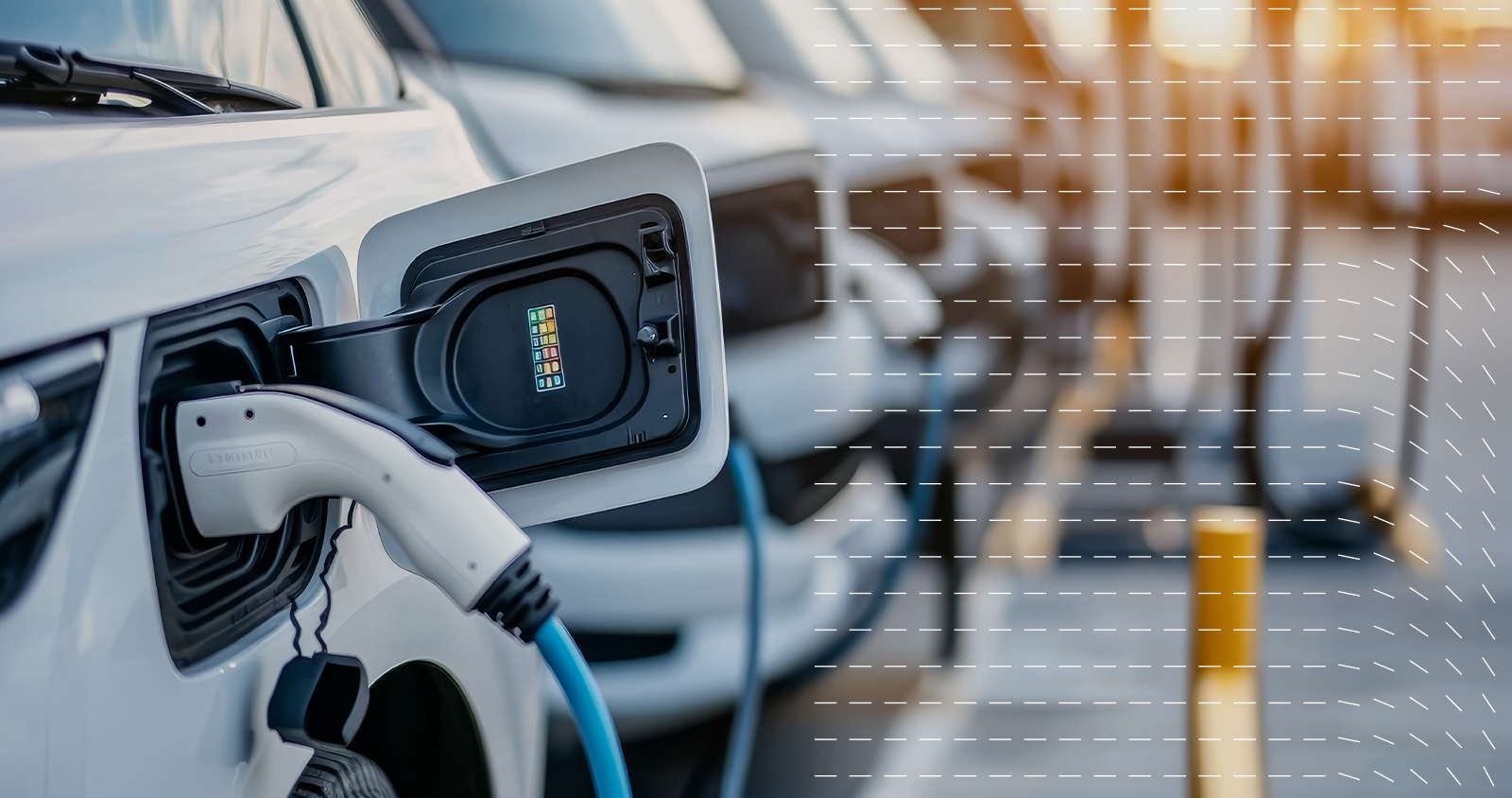
LKQ Euro Car Parts research found that nearly nine in ten independent garages had turned away or referred at least one EV or plug-in hybrid enquiry during the previous six months.
A range of factors contributed to those decisions. However, 27% of garages cited concerns about accessing diagnostics for newer EV brands as a barrier to further investment.
“Training remains fundamental,” Darren continues, “but having the skills to carry out a repair is increasingly only one part of the equation. Technicians also need the right information, data and, sometimes, specialist expertise at the point they need it. As the range of vehicles, technologies and systems entering workshops expands, we can’t expect every technician to retain everything they might potentially need to know.”
Bridging technology and the workshop
This is the premise behind Autotech Connect. Launched three years ago as a brand of Autotech Group, Autotech Connect combines automotive expertise with technology from specialist hardware and software providers.
Its focus is on developing practical solutions around the workforce and operational needs of automotive businesses.
Rather than focusing on one particular technology, the company’s approach centres on three objectives: accessing knowledge, accessing expertise and reducing administration.
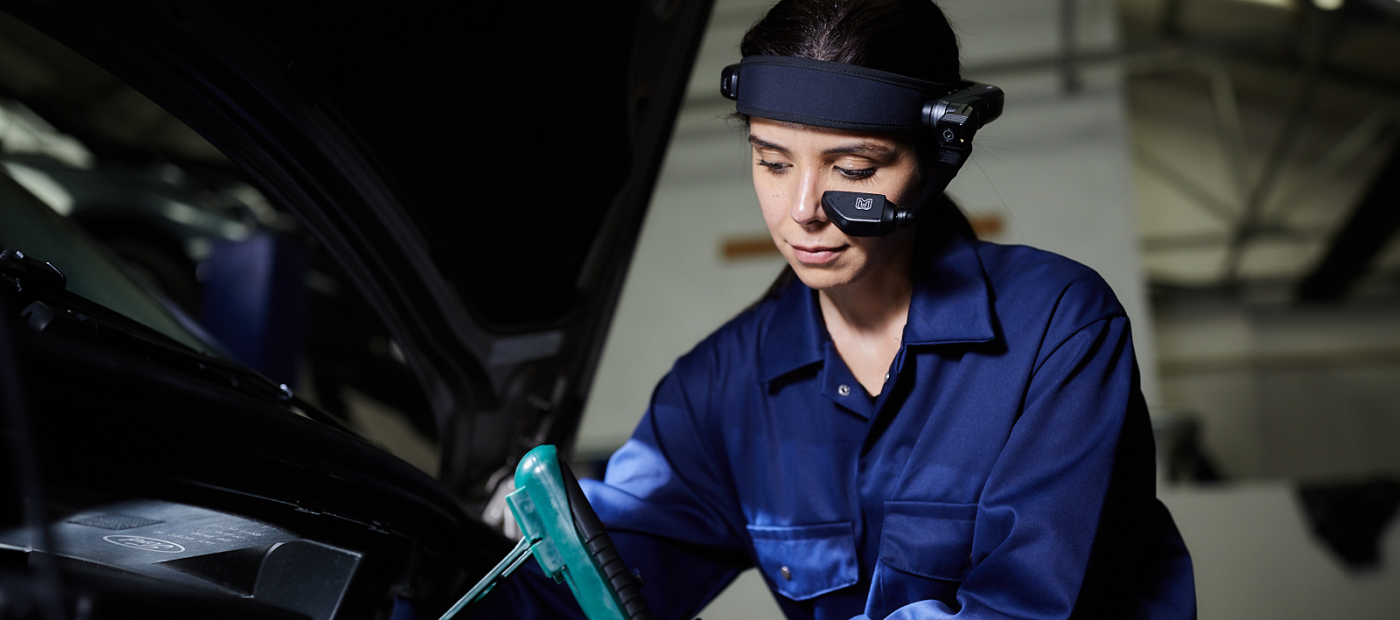
This can involve AI-supported tools that retrieve information from approved technical sources without lengthy manual searches. It can also mean connecting technicians remotely with specialist expertise through hands-free technology.
AI-assisted voice reporting and digital workflows can also capture job information and documentation as work takes place.
“Our role is to bridge the gap between what’s becoming possible through technology and what will actually make a difference in an automotive environment,” explains Darren. “We understand workshops and aftersales operations, while the specialist technology companies we work with bring expertise in their respective fields. We bring the two together, configure the technology around the requirement and then test and refine it with the people who are actually going to use it.”
Crucially, the technology is designed to support technician expertise rather than replace it.
“If the physical task takes five minutes but finding the information needed to carry it out takes 20, the opportunity isn’t necessarily in making the repair faster. It’s about reducing the time surrounding it.
“The same applies to expertise. The person with the answer doesn’t necessarily need to be standing next to the vehicle. Connected technology can extend the reach of an experienced technician across different sites or locations, while digital workflows can reduce the time spent completing documentation after the job.”
Proving the productivity gain
For Autotech Connect, the value of AI and connected technology ultimately has to be demonstrated in live automotive environments.
Recent workshop trials involving Autotech Connect technology have reduced manual technical information searches from 20–30 minutes to seconds or minutes.
AI-supported reporting has also saved around five minutes per report. Meanwhile, remote technical support has enabled some repairs to be completed hours or days sooner.
These results reflect the approach Autotech Connect has taken since its launch. The process starts by identifying an operational challenge. The company then brings together the appropriate technology and automotive expertise before testing it in a real-world environment.
The final step is to measure whether the technology delivers a meaningful benefit.
“There’s no shortage of impressive technology available,” Darren concludes. “The challenge is making it relevant. Technology has to earn its place in the workshop. It has to solve a genuine problem, work for the people using it and deliver a measurable benefit.
“AI and connected technology aren’t going to remove the need for skilled technicians. But if we can give them faster access to knowledge, connect them with expertise when they need it and reduce the administration surrounding the job, we can make better use of those skills.”