
As we move through 2026, fleet rental is entering a more stable era. The industry is no longer dominated by supply shocks and disruptions that marked the early 2020s. Service levels are stabilising, vehicle availability is returning to normal, and the focus is shifting towards more complex and strategic challenges: harnessing technology and data to deliver consistent, high-quality rental experiences, wherever and whenever they are needed.
Market growth in a stabilising but uncertain economy
The wider UK economy remains mixed, and global decisions continue to influence business confidence. Fleet rental is steadily returning to growth, though this recovery looks different from previous years. Investors are slowly re-entering the fleet and mobility space, reflecting renewed confidence in the market. Rental remains an essential part of fleet operations, enabling businesses to manage fixed costs and avoid long-term capital commitments—a benefit that has become increasingly valuable.

Gerry McCaig
With supply issues easing, growth is no longer tied solely to vehicle acquisition. Success will now be determined by which businesses can operate the most efficient and reliable networks. Performance benchmarking and transparent pricing structures are becoming increasingly important, while consistent delivery is now considered a baseline expectation.
Enhanced and considered use of AI
Artificial intelligence is becoming more deeply embedded in fleet rental, but the industry is adopting a realistic approach to its use. The value of AI lies not in the technology itself, but in how it supports sensible, well-considered decision-making across the rental ecosystem.
Every stage of the rental journey—from booking to collection and vehicle return—generates significant amounts of data. AI can connect the dots, highlight inefficiencies, predict problems, and optimise vehicle allocation. Crucially, AI is not replacing people; it is freeing human teams to focus on service, problem-solving, and relationship management.
“The most sustainable way to integrate AI into business is for it to remove repetitive work so people are free to focus on service and problem solving,” explains Gerry McCaig, Chief Operating Officer at Nexus Rental. “The best fleets will be those who can successfully blend human judgement with machine intelligence.”
Continued growth in the EV market
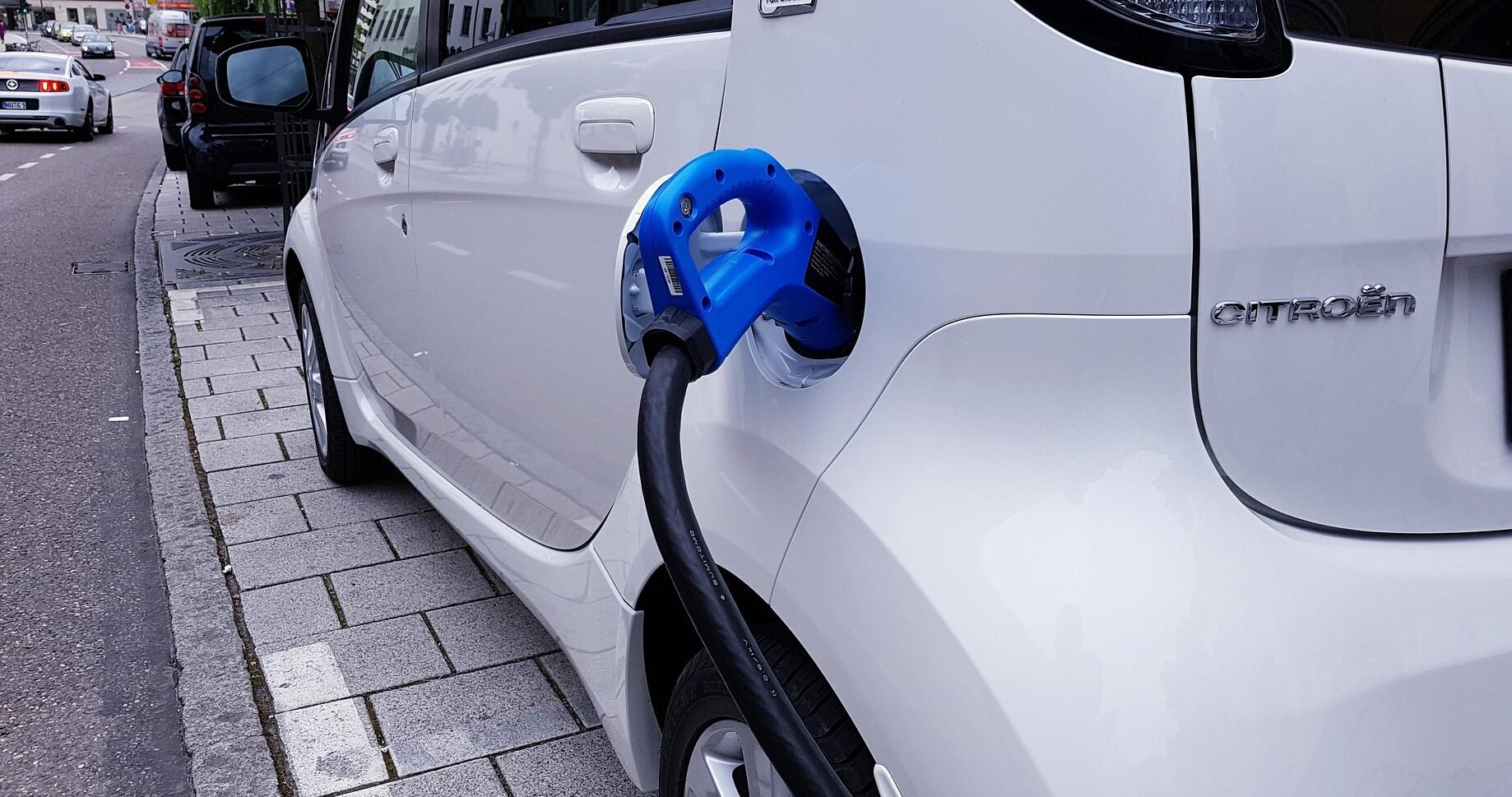
Electric vehicles (EVs) are gradually becoming a larger part of rental fleets. Availability and pricing are finally reaching parity with petrol and diesel options for longer-term rentals, though short-term costs remain more sensitive to economic fluctuations.
The real challenge is not range anxiety, but “change anxiety.” Fleet managers are cautious about how EVs fit into existing operations. Data plays a crucial role in easing this transition, helping identify which drivers, routes, and usage patterns are best suited to electric vehicles. A gradual, evidence-based integration ensures a smoother adoption process.
Government support is also vital. To meet targets such as the 2030 ZEV mandate—or potential alignment with Europe’s 2035 deadline—policies and incentives must be improved to support businesses adopting EVs. For some fleets, EVs may not yet be the correct choice due to cost or operational considerations, but in the coming years, their integration will be unavoidable.
Data as the driver of future fleet success
Data is becoming the cornerstone of fleet operations. Cost, availability, performance, telematics, and other measurable factors only create value when aggregated, reviewed, and acted upon effectively.
Businesses that thrive will be those able to harness data across extensive networks of suppliers and vehicles. Intelligence now differentiates fleets in a market where vehicles from different brands are increasingly similar. Fleet management is evolving from simply owning vehicles to understanding their precise role in a business, maximising utilisation, and monitoring the lifecycle at a granular level.
“As the industry moves towards a more stable phase, the challenge is about more than just access to vehicles,” adds Gerry McCaig. “It’s about how consistently and intelligently rental can be delivered. At Nexus, we focus on combining human expertise with AI to enable stronger decision-making and greater transparency. This allows us to support smarter EV integration and effectively benchmark performance, connecting the rental journey to deliver better outcomes for all involved.”