
Informally known as road tax, Vehicle Excise Duty (VED) is an annual tax on most vehicles in the UK that applies to cars, vans, lorries, and buses, and is based on vehicle type emissions and registration date. While businesses have long had to pay attention to their VED obligations,

Nicholas Lyes
, Policy & Standards Director at IAM RoadSmart, explains the upcoming changes and what it means for fleet managers.
What are the key changes to VED?
The changes to VED are due to come into effect in April of this year, with standard rates for the tax set to rise from £195 to £200 for all vehicles registered from April 2017 onwards. This is in reflection of inflation adjustments for the 2026-27 tax year, with first-year rates for high CO2 emitting petrol and diesel cars set to be significantly higher as a result – in some instances, this could reach up to £5,690 per vehicle[1].
Meanwhile, the Expensive Car Supplement, an additional charge applied to vehicles with a list price of over £40,000, will rise to £50,000 as part of the new raft of changes. This effectively means that zero-emission vehicles that are priced below £50,000 will not be required to pay this supplement.
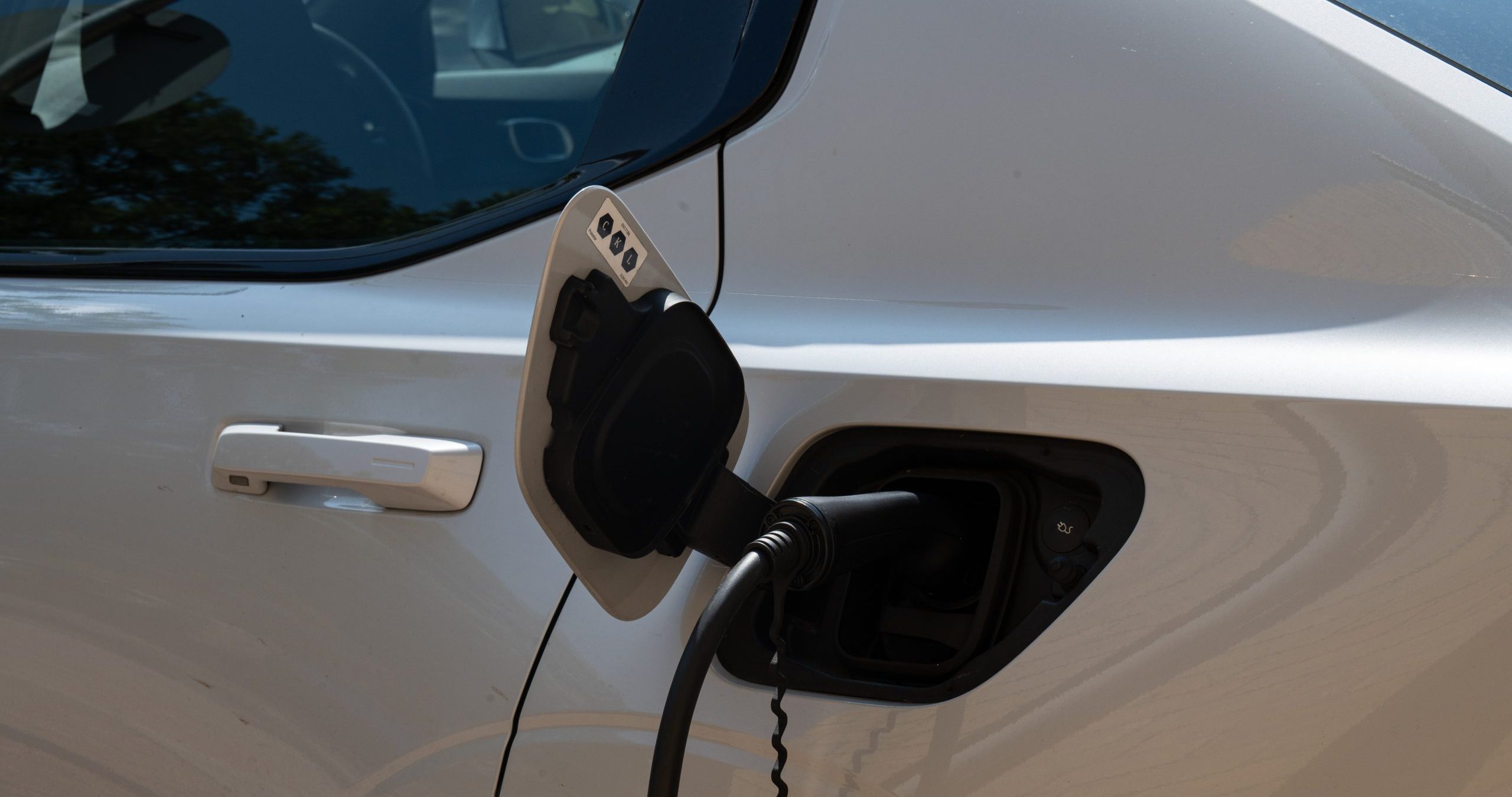
Furthermore, the Benefit-in-Kind (BiK) rate for electric company cars will rise from 3% to 4%, due to the gradual increases in BiK rates for zero-emissions vehicles. These increases form a key part of the Government’s plan to maintain incentives for EV adoption while normalising company car taxation.
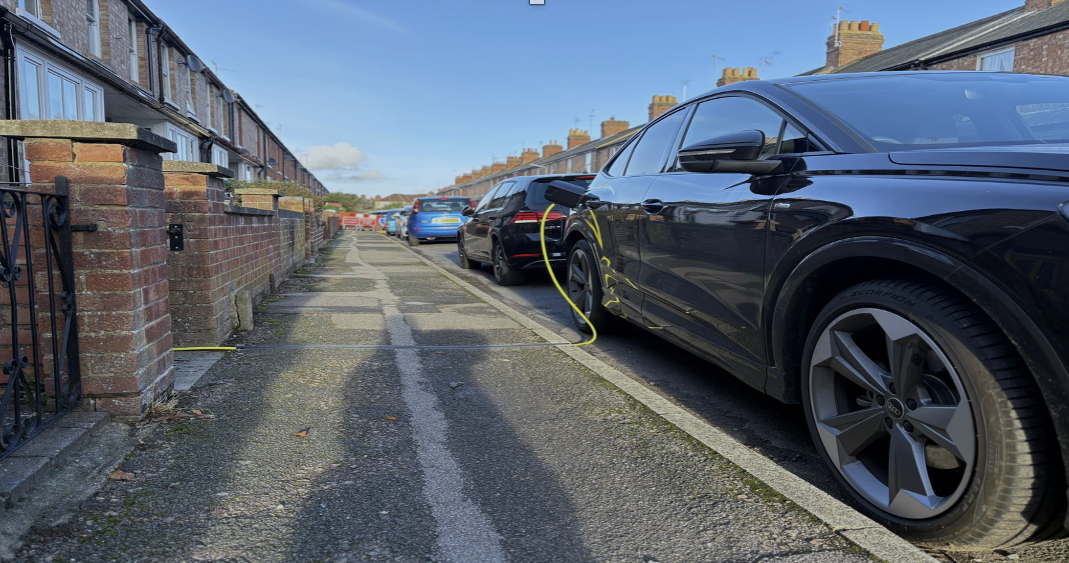
Looking further ahead, a new electric Vehicle Excise Duty (eVED) system is set to be introduced in April 2028, through which electric vehicles drivers will be expected to pay 3p per mile, while plug-in hybrid drivers will pay 1.5p per mile. This will have a big impact on most electric cars, with an estimated additional cost of £240 per year on top of existing VED.
What does this mean for business fleets?
The upcoming changes to VED are expected to have a significant impact on business fleets and their operations. For one, the increase to the standard annual rate will affect the overall cost involved in running a fleet, considering that this will be reflected in the next renewal following 1 April 2026. As an example, a fleet with 10 vehicles can expect to pay approximately £2,000 annually as a result of the rise.
Meanwhile, the BiK rate increase is expected to bring a moderate rise to the running costs of electric company cars. However, it’s important to note that these vehicles will remain cheaper to tax than petrol or diesel alternatives.

Image: IAM RoadSmart. All rights reserved.
The Expensive Car Supplement, however, has the potential to save fleets thousands of pounds annually. This is due to the tax relief on electric vehicles priced between £40,000 and £50,000. Fleets could also make additional savings by opting for vehicles that full within the new threshold.
Longer-term, the new eVED system will require firms to reassess their fleet strategies in line with the new tax structure, which will impact running costs and budget planning for 2028 and beyond. Furthermore, the new tax could prompt businesses to reconsider their leasing agreements, or explore hybrid or alternative fuel options, considering that higher costs for electric vehicles could affect the total cost of ownership.
Getting ahead of the changes
With not much time left until the new changes are due to come into action, businesses should be doing everything they can now to get ahead of them, building the new rates into their budgets to effectively manage the increased costs they are about to face.
Fleets should also take consideration of the new VED and BiK rates when planning their tax strategies, and carry out a review of insurance and maintenance plans to ensure that they are aligned with the changes. Additionally, making sure that business drivers are educated on the most efficient driving practices is vital for keeping vehicle emissions as low as practically possible.
By taking these steps now, fleet managers can get ahead of the changes and ensure that the impact of the VED changes to their operations and budgets is kept to an absolute minimum.
To find out more about IAM RoadSmart’s driver training and fleet risk management services, visit https://www.iamroadsmart.com/courses-services/for-businesses/?utm_source=google&utm_medium=referral&utm_campaign=wpr_business_services.