
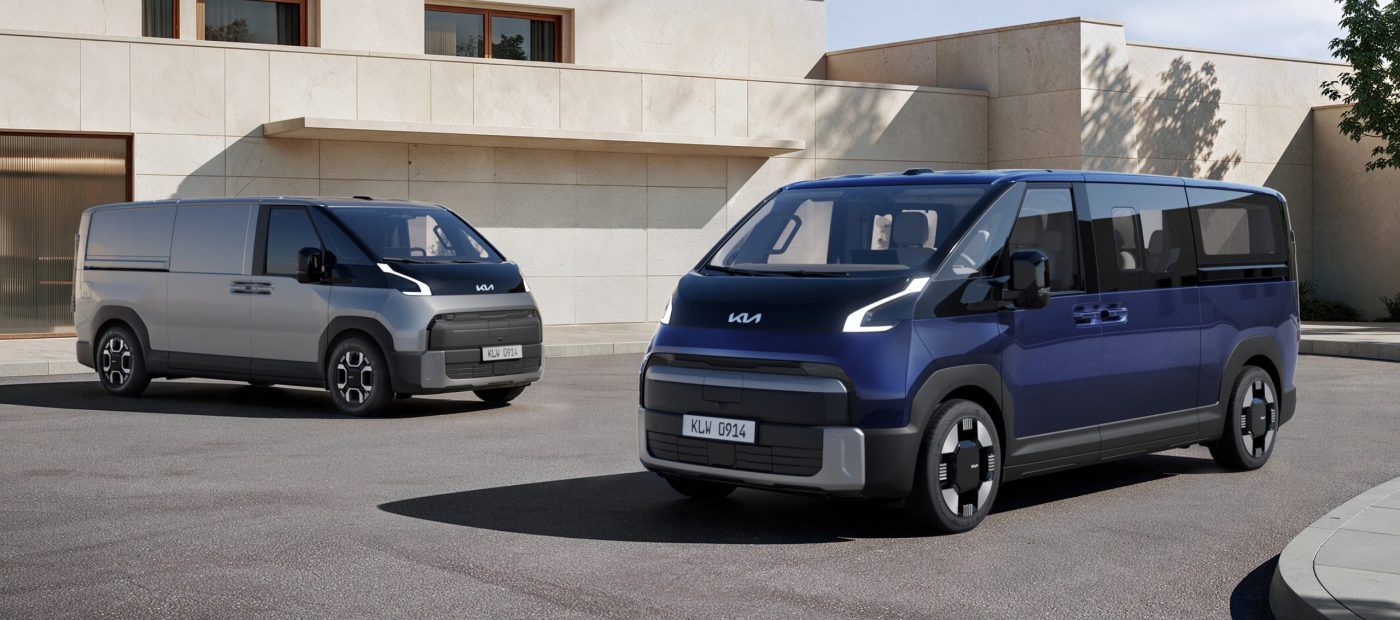
Kia unveils PV7 electric van with 460km range and 1,200kg payload
Kia has unveiled the new PV7 at IAA Transportation 2026 in Hanover, expanding its dedicated all-electric Platform Beyond Vehicle (PBV) range into the larger light commercial vehicle (LCV) market.
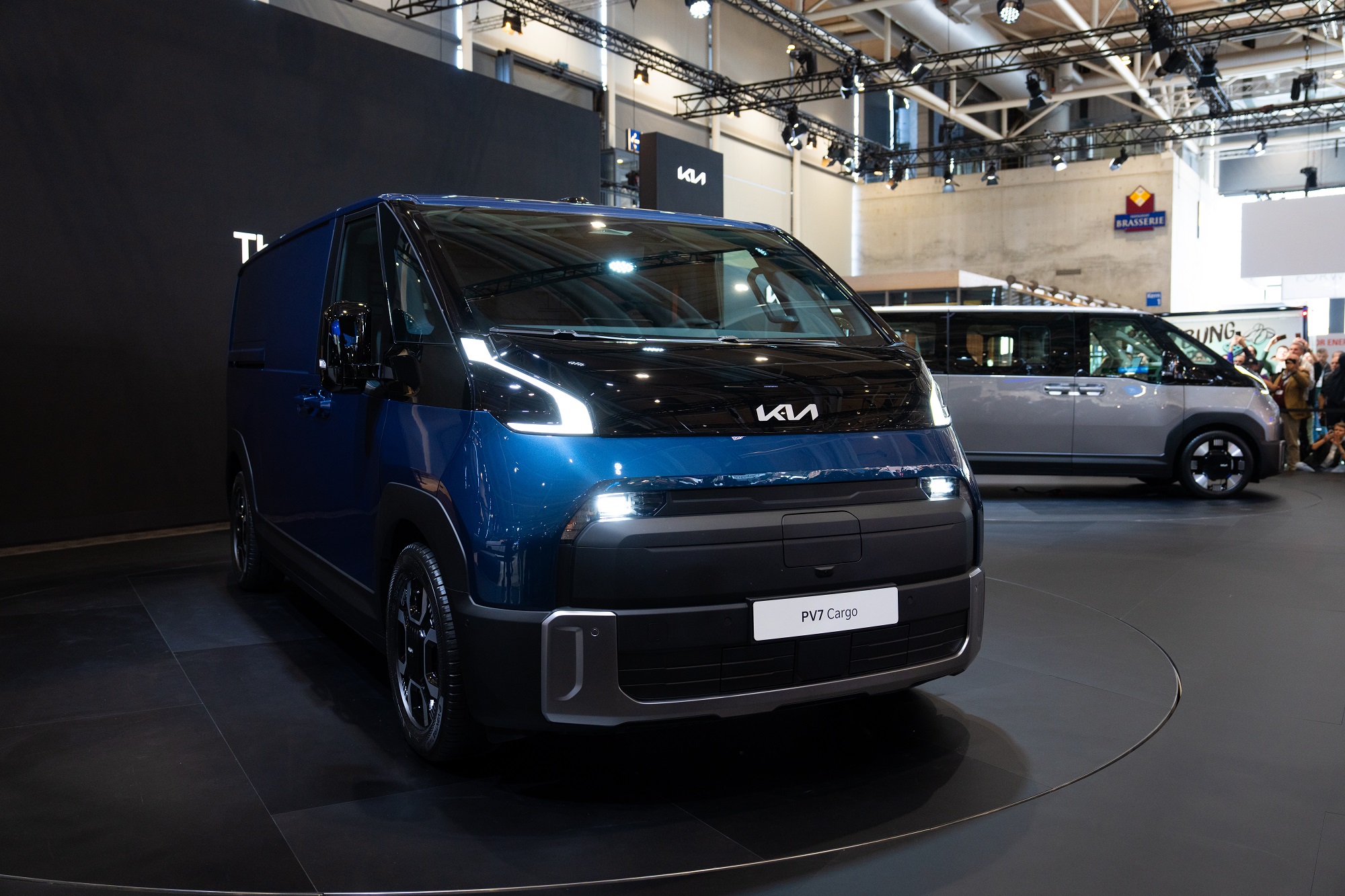
The second model in Kia’s PBV line-up, the PV7 will be available in both Cargo and Passenger configurations. The electric van combines flexible interior space, connected technology and a choice of battery capacities, with Kia targeting applications ranging from fleet and logistics operations to shuttle services and small and medium-sized businesses.
Based on Kia’s PBV-dedicated E-GMP.S architecture, the PV7 features a flat-floor design intended to maximise interior space and flexibility. Kia plans to launch the PV7 in Korea and Europe during the second half of 2027, with further derivatives, conversion models and markets to follow.
“The PV7 marks the next step in our journey toward personalised mobility, building on the foundation established by the PV5,” said Ho Sung Song, President and CEO at Kia. “By bringing together hardware developed for specific applications, business-tailored software and dedicated PBV services, the PV7 goes beyond the vehicle itself to deliver a complete business solution that helps customers achieve greater productivity, flexibility and long-term value.”
Kia expands its PBV strategy
The PV7 builds on the foundations established by the PV5, which was named the 2026 International Van of the Year. Its larger dimensions and wider range of potential applications allow Kia to target fleet, logistics and shuttle operations alongside smaller businesses and personal mobility.
Kia’s PBV strategy is centred on three areas: hardware, software and service.
At the hardware level, the PV7 uses the E-GMP.S platform and Kia’s Flexible Body System to support different body styles, derivatives and conversion models. The approach is designed to allow businesses to configure the vehicle around their individual operational requirements.
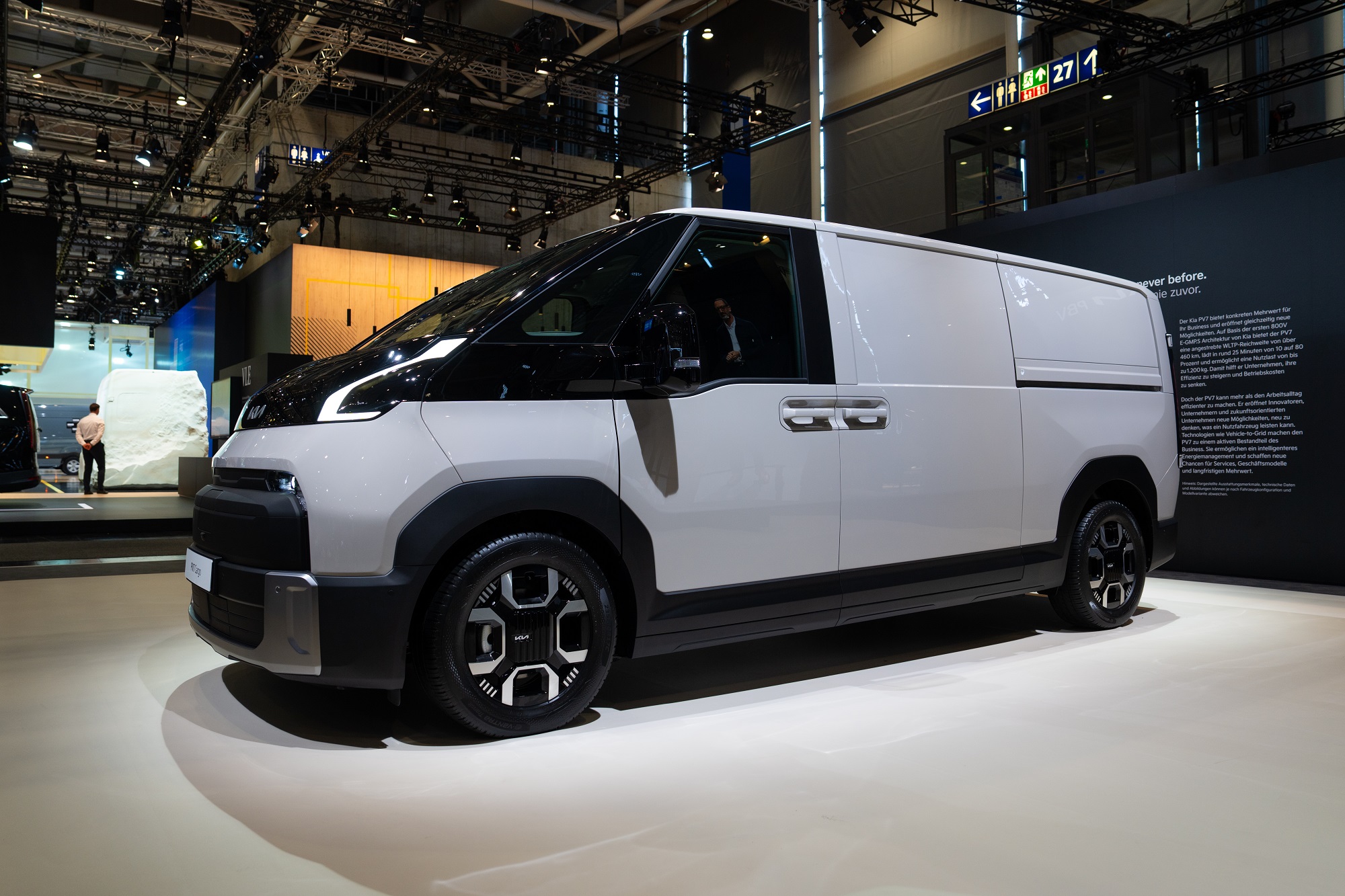
The software offering includes Kia’s Business Solutions Portal, supporting fleet management, charging, maintenance and everyday operations. Standardised Fleet Management System (FMS) capabilities and connected vehicle data APIs are designed to improve fleet visibility and operational efficiency.
Kia is also offering dedicated Uptime services, combining real-time monitoring, predictive diagnostics and proactive maintenance management to help maximise vehicle availability and reduce disruption.
The company plans to expand the PV7 range to 23 variants following its 2027 launch, while the larger PV9 is scheduled to follow in 2029.
“The PV7 has been developed to give customers the flexibility to adapt as needs evolve,” said Sangdae Kim, Executive Vice President and Head of Kia’s PBV Business Division. “As a business-tailored tool engineered to deliver best-in-class EV performance, data-driven solutions, and total service excellence, it will enable customers to improve work efficiency, enhance productivity, and create greater value throughout the business lifecycle.”
PV7 designed as a business tool
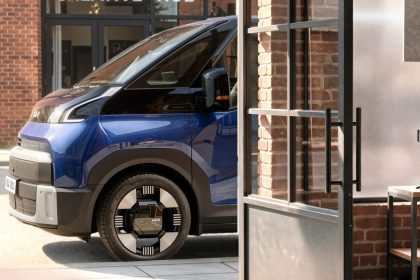
Kia has developed the PV7 around its ‘Tool Box’ concept, which focuses on creating vehicles tailored to specific customer requirements.
Where the PV5’s ‘Open Box’ concept emphasises urban flexibility, the PV7 is designed to offer greater capacity and payload for more demanding operating environments and larger-scale applications.
The vehicle has also been designed around the practical requirements of drivers, operators and passengers. Kia says features intended to reduce physical strain during entry and loading, alongside improvements in usability and convenience, can support safer and more efficient operation.
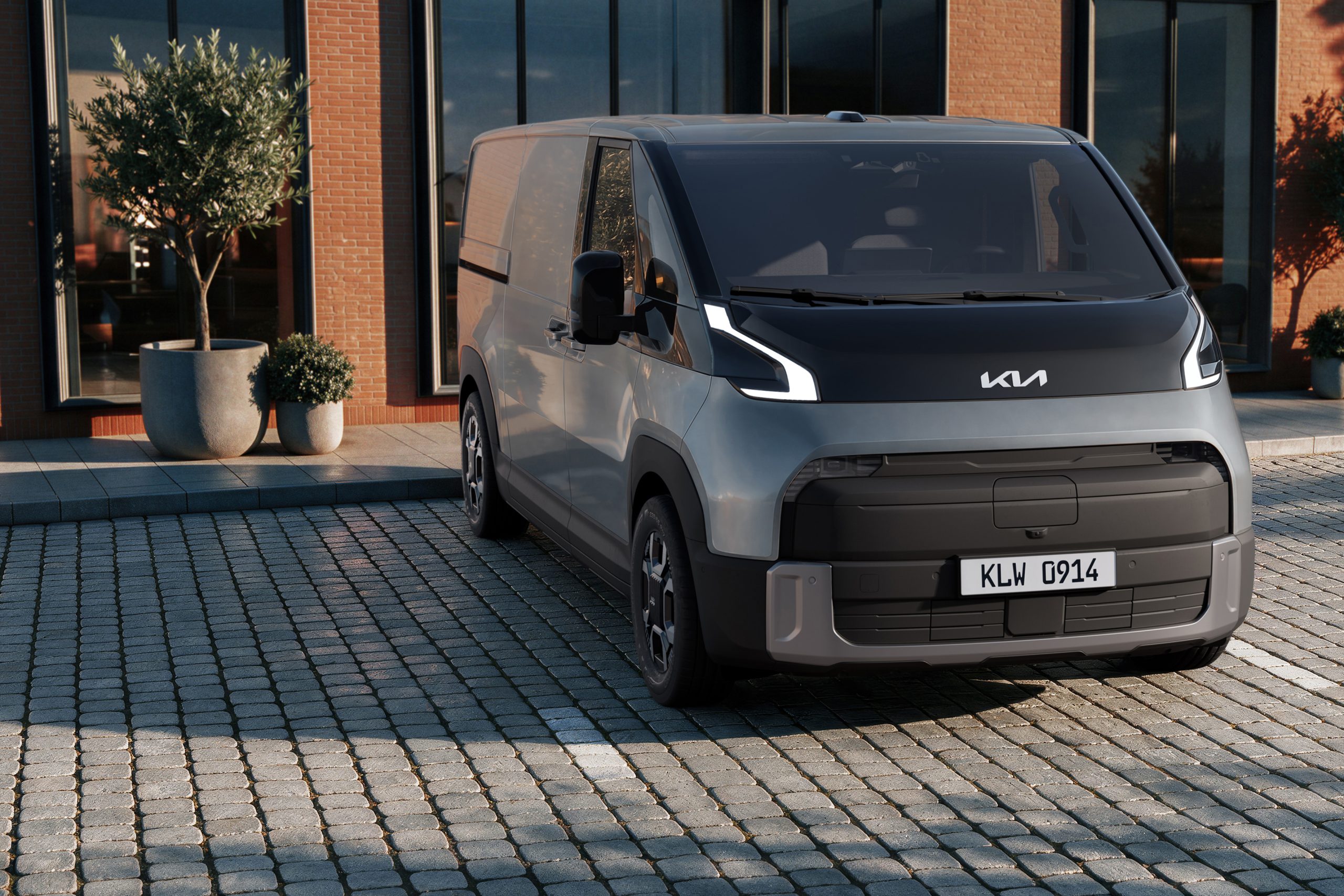
Kia PV7 range, battery and charging
The PV7 will be offered with 71.5kWh and 96.2kWh nickel cobalt manganese (NCM) battery packs. Depending on market and configuration, its electric powertrain delivers up to 200kW and 420Nm of torque to the front wheels.
Front-wheel drive is standard, while an all-wheel-drive version is planned for the future. The Long Range Cargo variant offers more than 460km of WLTP electric range.
An 800V electrical architecture enables 10-80% charging in the mid-20-minute range when using a 350kW DC fast charger, although the specification remains subject to confirmation.
The PV7 is also the first Kia to feature dual charging ports. Alongside a front AC/DC charging port, an optional rear-side AC charging port provides additional flexibility for different parking and charging environments.
The electric van also supports Vehicle-to-Load (V2L), allowing tools, business equipment and other devices to be powered from interior and exterior outlets.
For operators carrying heavier loads, a dedicated heavy-load driving mode adapts vehicle performance to changing payload conditions to help maintain stable driving characteristics.
PV7 Cargo targets fleet and logistics operators
The PV7 Cargo has been designed for logistics, delivery, fleet and small and medium-sized business applications. It will be available globally in two- and three-seat configurations.
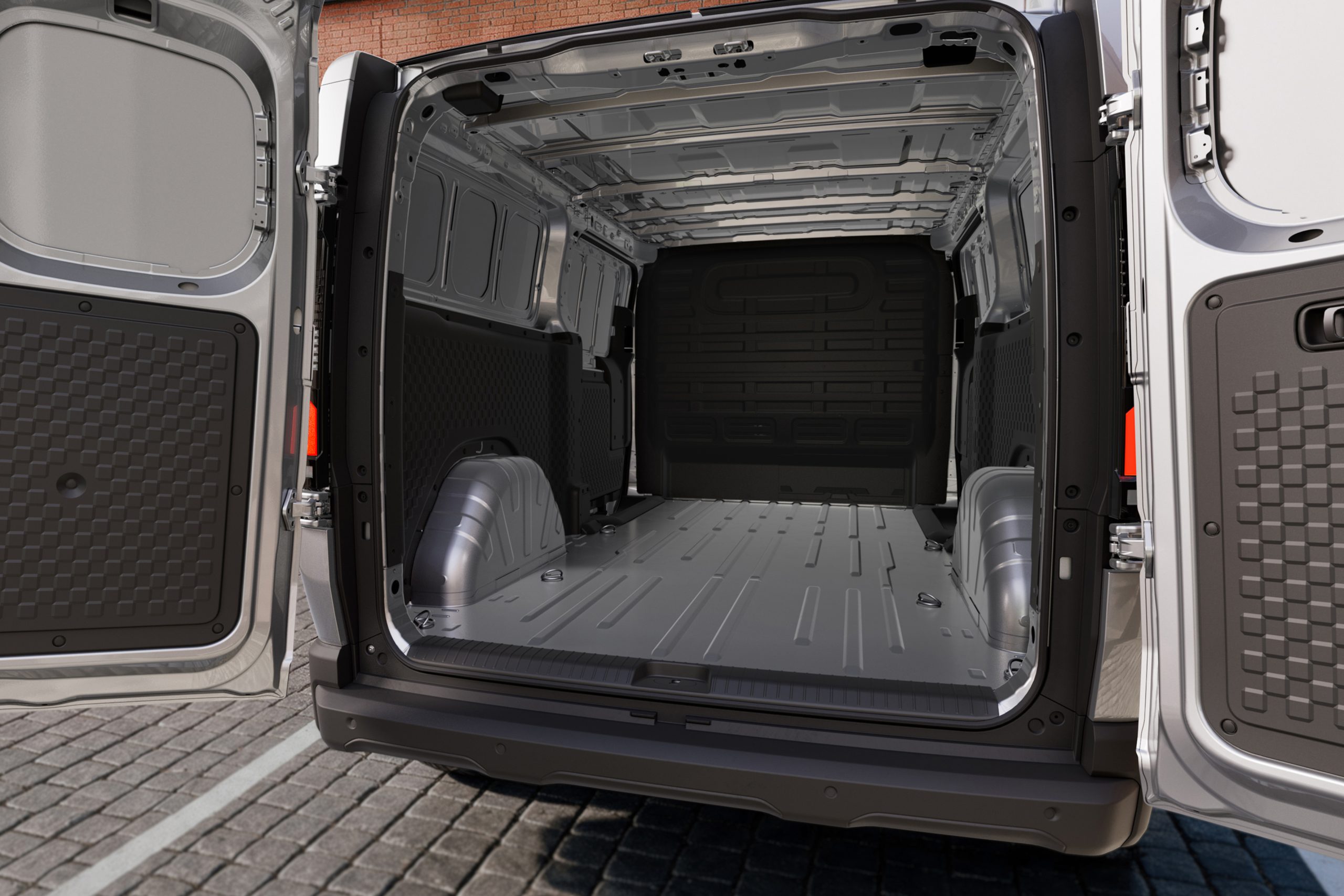
The Cargo Long offers up to 6.1m³ of cargo space, while the Cargo High Roof provides up to 8.0m³. Maximum payload is rated at up to 1,165kg for the Long and up to 1,200kg for the Compact.
The Long model has a 550mm loading height and can accommodate up to three Euro pallets. Its heavy-load driving mode is designed to adapt vehicle performance to changing payloads.
Operators can specify floor materials for different applications and choose between a full-open twin-swing tailgate, designed to make loading easier in confined spaces, and a conventional lift-up tailgate.
Smart Walk Away automatically closes the power sliding door when the driver leaves with the smart key, while cargo-door status monitoring allows remote checks of door status. A load-through bulkhead and independent cargo-door locking and unlocking add further practicality and security.
PV7 Passenger offers up to 11 seats
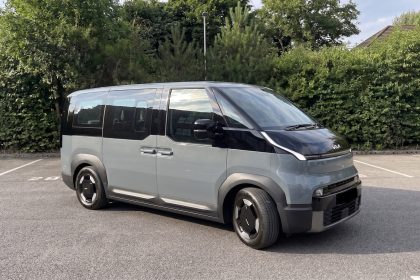
The PV7 Passenger is aimed at crew transport, shuttle and rental operations, tourism and family use.
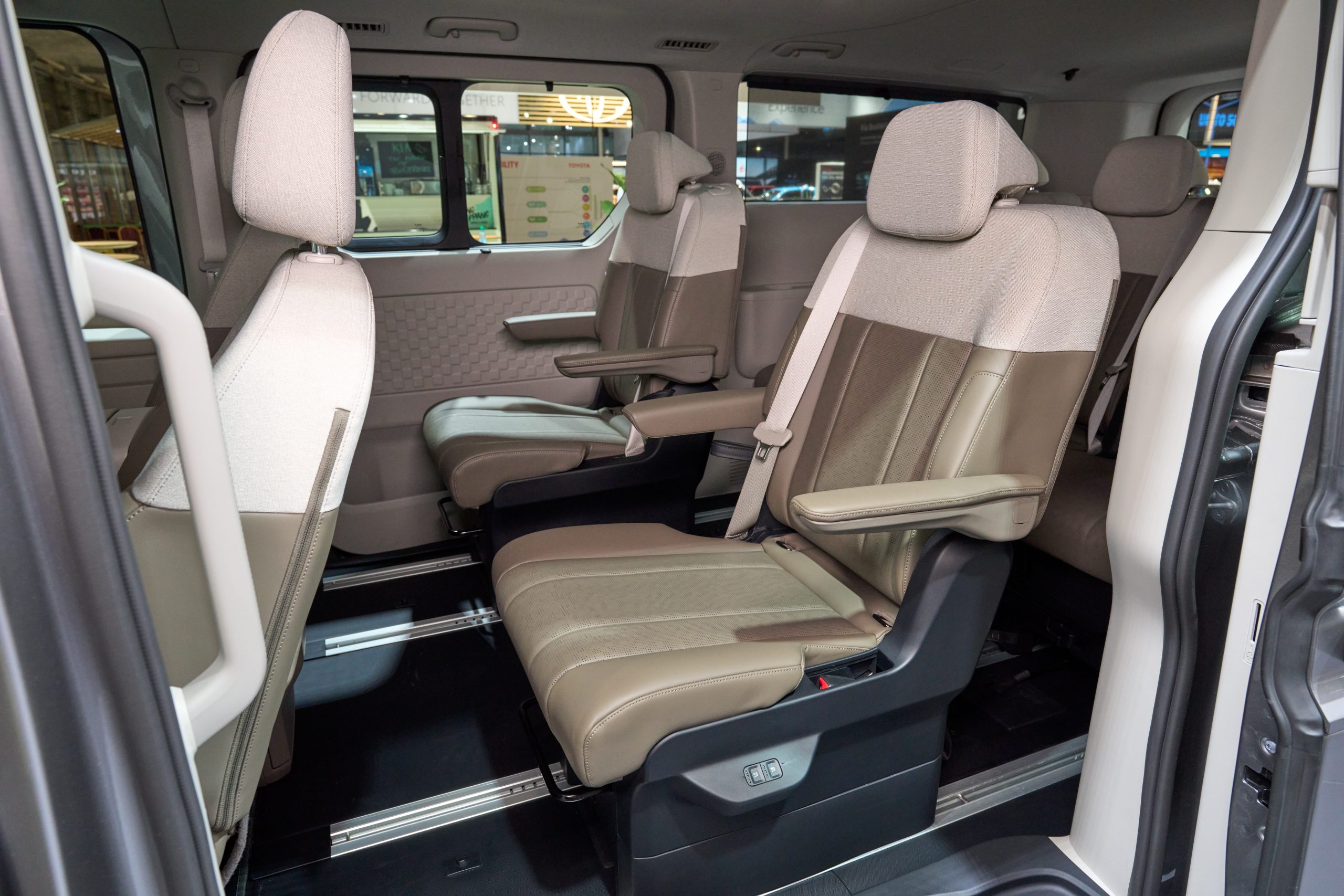
It can accommodate up to nine occupants globally and up to 11 in Korea, with different seating configurations available.
The seven-seat model features Long-Rail Easy Remove Seats, allowing operators to alter the interior layout according to their requirements. The nine-seat model can be specified with or without a fourth row.
Rear climate control, 100W USB-C charging ports and additional storage solutions are also available, helping the Passenger version balance flexibility with occupant comfort.
Kia has equipped the PV7 with a comprehensive range of safety and advanced driver-assistance systems (ADAS).
Its seven-airbag system includes a roof-mounted front passenger airbag, while Pedal Misapplication Safety Assist 2.0 (PMSA 2.0) is designed to reduce the risk of unintended acceleration caused by incorrect pedal operation.
Other available systems include Forward Collision-Avoidance Assist, Lane Keeping Assist 2.0, Navigation-based Smart Cruise Control, Highway Driving Assist 2.0, front, side and rear Parking Distance Warning, Remote Smart Parking Assist, Rear View Monitor and Surround View Monitor.
Built-in Cam 3.0 also allows drivers to capture and review driving footage.
Connected technology and practical interiors
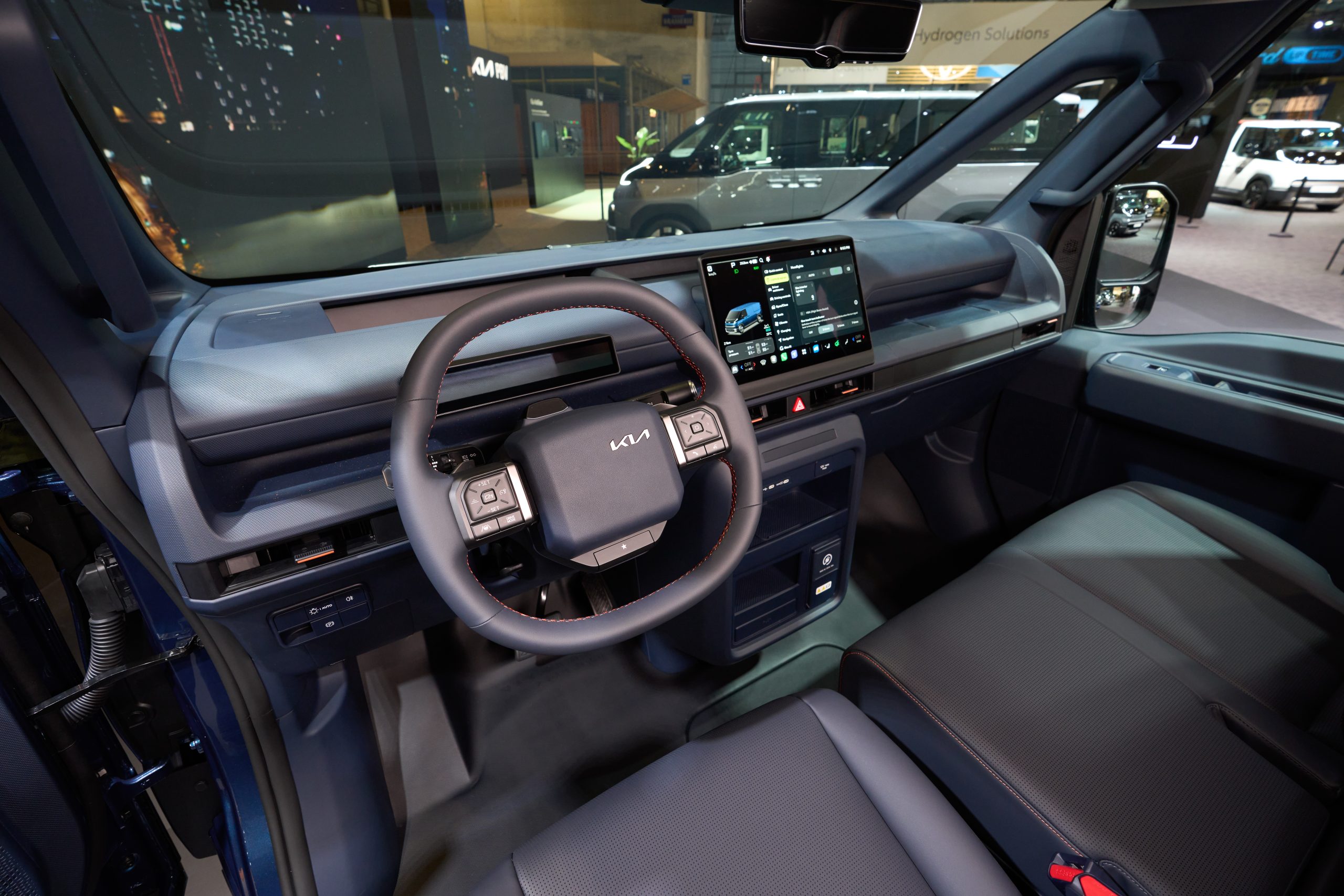
The PV7 uses Pleos Connect, based on Android Automotive OS, to provide connected navigation, flexible screen layouts, an open app marketplace and over-the-air updates.
The system also incorporates Gleo AI, an AI-powered voice assistant designed to provide natural-language control of vehicle, navigation and messaging functions.
Inside, the PV7 uses 12.9-inch and 14.6-inch displays alongside physical controls for frequently used functions.
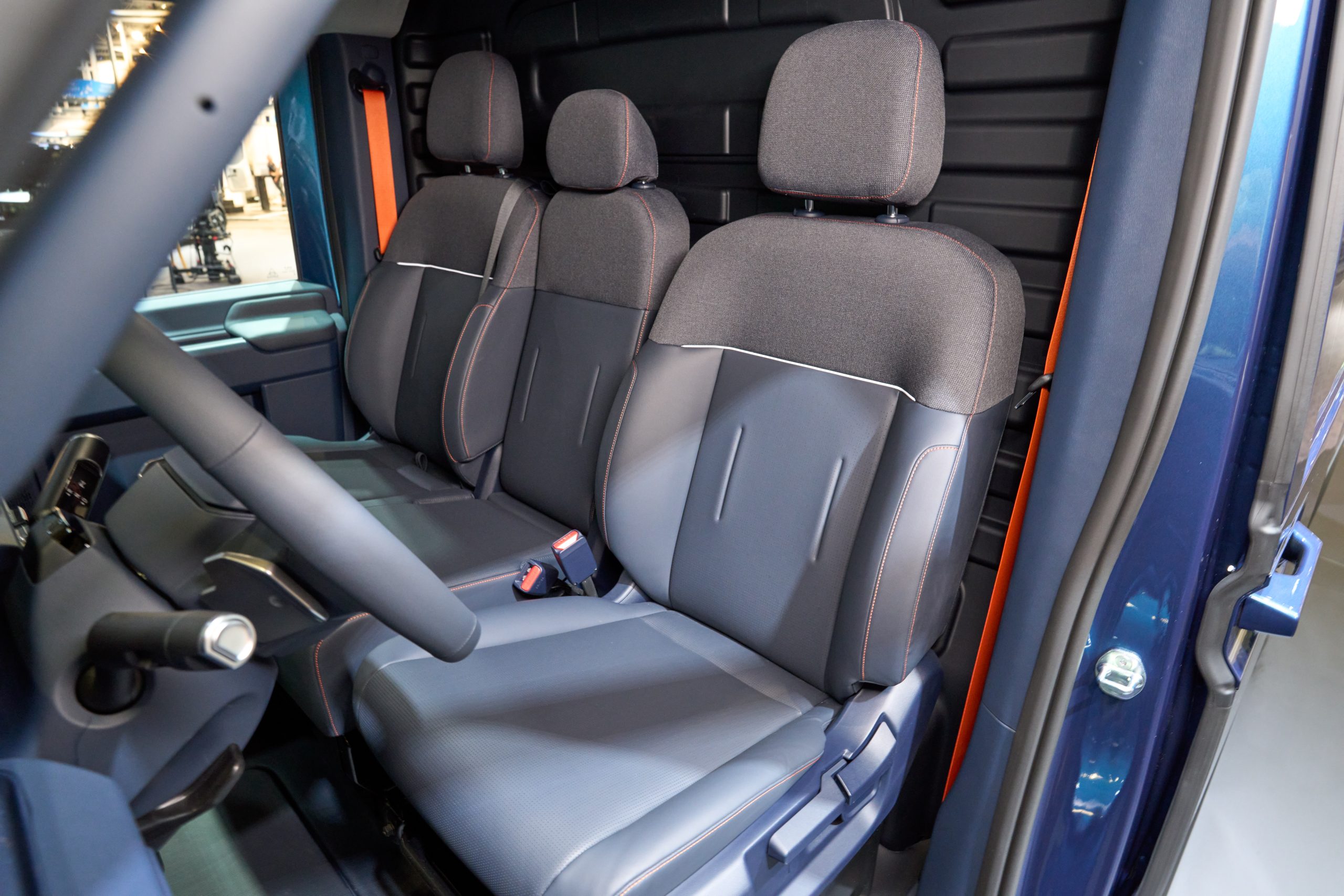
The driver environment has been designed around users who may enter and exit the vehicle dozens of times during a working day. An A-pillar grab handle, optimised seating position and revised step geometry are intended to make access easier.
The Cargo version adopts a ‘Mobile Workspace’ concept, with a layered dashboard and centre fascia designed to maximise usable space. Open storage keeps frequently used items close to hand, while three-seat models can fold the centre seatback to create an open tray.
The Passenger model takes a more comfort-focused approach, with two-tone finishes, enclosed storage, optional ambient lighting and an optional centre console that can double as a table.
“The PV7 builds on the design principles introduced with the PV5, exploring how a larger commercial vehicle can feel more approachable, adaptable and connected to the people who rely on it every day,” said Karim Habib, Executive Vice President and Head of Kia Global Design. “It reflects our belief that thoughtful, human-centred design can make even the most practical vehicle more relevant, meaningful and rewarding to experience.”
23 PV7 variants planned
Kia plans to expand the PV7 range to 23 variants, covering a broad range of applications.
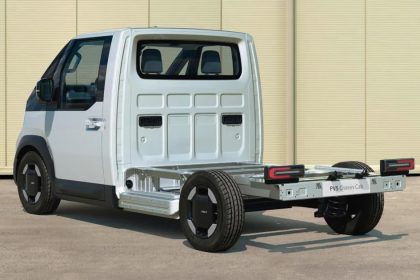
The line-up will include Cargo Compact, Long and High Roof models, alongside Compact and Long Passenger versions. A dedicated Chassis Cab will cater for specialist applications, while a range of conversion models will further expand the vehicle’s potential.
Production and conversion will be supported by Kia’s Hwaseong EVO West PBV Plant and PBV Conversion Center, alongside regional conversion partners. A single connector interface will allow conversion equipment to be controlled from within the vehicle.
Kia PV7 European launch
The Kia PV7 Passenger and Cargo models are planned to launch in Korea and Europe in the second half of 2027, with additional markets, derivatives and conversion models expected to follow.
At IAA Transportation 2026, Kia is displaying three PV7 models – one Passenger Long and two Cargo Long variants – alongside seven PV5 derivatives.
The company is also hosting its 2026 Global PBV Conversion Partners Day, bringing together representatives from 31 global conversion partners as Kia looks to expand its PBV ecosystem.