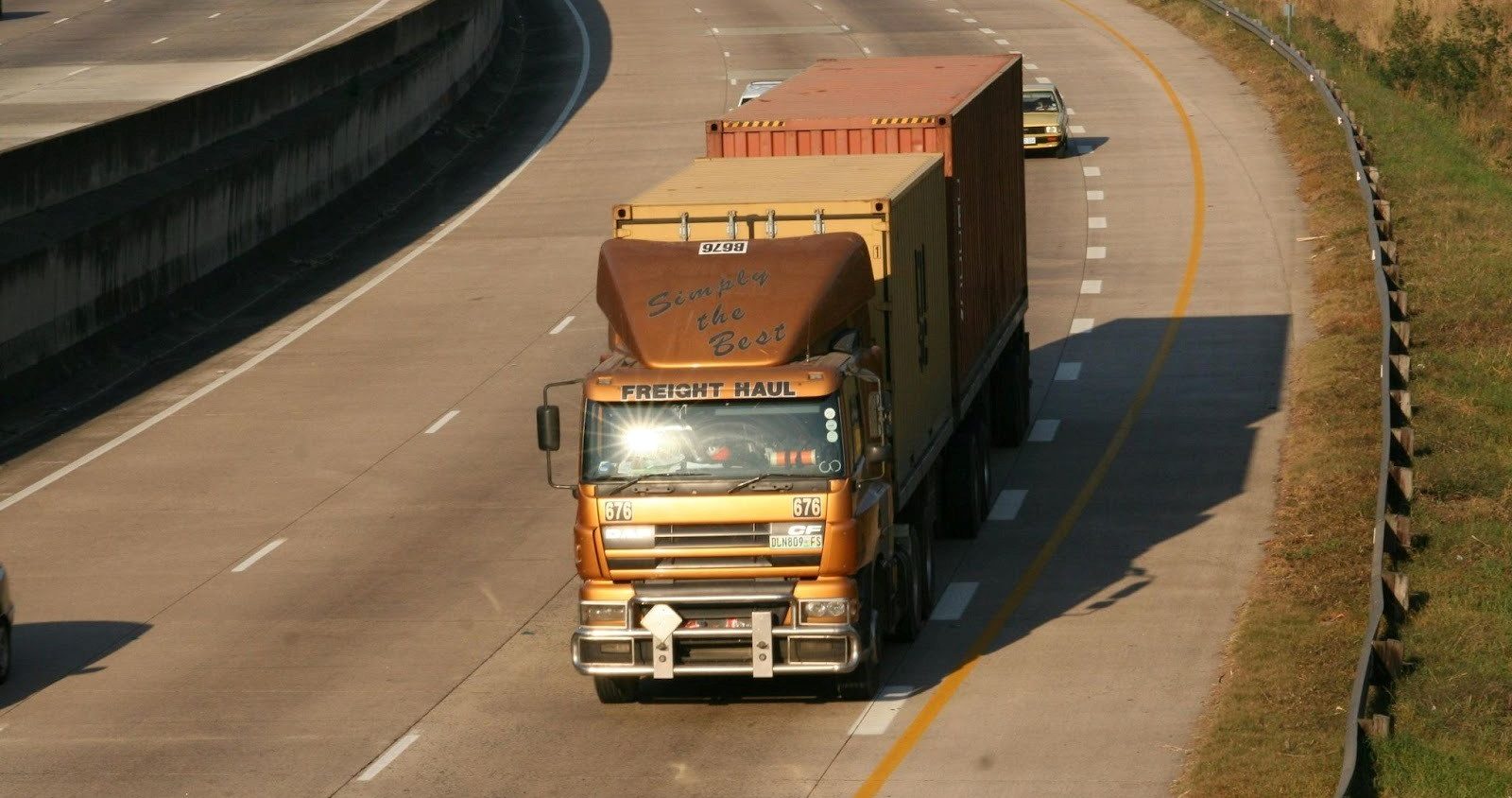
The Department for Transport (DfT) has launched a public consultation on a new regulatory framework designed to reduce CO₂ emissions from heavy goods vehicles (HGVs), marking a significant step in the UK’s efforts to decarbonise road freight.
Opened in January 2026 and running until 17 March 2026, the consultation is being led jointly with the Office for Zero Emission Vehicles (OZEV) and seeks input from vehicle manufacturers, fleet operators, logistics providers and other stakeholders across the freight sector. The outcome will shape how future CO₂ emissions from new HGVs are regulated in the UK.
HGVs remain one of the most difficult areas of transport to decarbonise and currently account for a disproportionate share of road transport emissions. While zero-emission technology is developing rapidly, uptake remains limited, largely due to vehicle costs, infrastructure constraints and operational challenges associated with long-distance and heavy-payload work.
The consultation is intended to provide long-term regulatory certainty as the government works towards its legally binding Net Zero target by 2050. It also builds on existing commitments to end the sale of new non-zero emission HGVs weighing up to 26 tonnes by 2035, and all new non-zero emission HGVs by 2040.
At the centre of the consultation is how a future CO₂ regulatory framework should be structured. The DfT is seeking views on a range of possible approaches, including CO₂ emissions performance standards for manufacturers, options to mandate increasing sales of zero-emission HGVs, and alternative mechanisms that could encourage faster adoption while allowing flexibility for specialist and hard-to-decarbonise vehicles.
Transport Minister Keir Mather MP acknowledged the operational realities faced by many fleet operators, particularly those running vehicles on demanding duty cycles. He said: “Some HGVs may be challenging to shift towards zero-emission, particularly those that drive long distances, carry very heavy loads, or have demanding mission profiles. That is why this consultation is so important in helping us design a framework that works for industry as well as the environment.”
Industry bodies have broadly welcomed the consultation but warned that regulation must be matched with practical support. Logistics UK has previously stressed that the transition to zero-emission HGVs will only succeed if there is sufficient investment in charging and refuelling infrastructure, grid capacity and low-carbon energy supply.
Logistics UK Head of Decarbonisation Policy Lamech Solomon commented: “The government needs to decide whether its primary focus is electrification or on achieving efficient decarbonisation through a broad range of technologies – using low carbon fuel (LCF) reduces greenhouse gas emissions by up to 80% so can have an instant impact in achieving the country’s decarbonisation objectives, despite not being classified as ‘zero emission’.
“The logistics sector recognises zero tailpipe emission HGVs are the long-term goal, but for an industry that operates on slim margins, the cost of electrifying fleets is currently considered prohibitive. The high cost of battery electric HGVs, insufficient public charging infrastructure in addition to costs and time associated with installing grid upgrades are blocking progress on decarbonisation. As part of Logistics UK’s recent road freight decarbonisation1 report, research found that 80% of survey respondents are unable to install charging infrastructure with sufficient capacity at their operation sites.
“The government needs to adopt a truly technology-neutral approach to decarbonising HGVs and all viable pathways, including LCF and other solutions must be considered: LCF is complementary to battery electric vehicles and until zero tailpipe emission options are commercially viable for all use cases, LCF will be vital to the HGV fleet.”
There are also calls for clarity and consistency to support long-term investment decisions. HGVs typically operate over extended lifecycles, and fleet operators have highlighted the need for clear regulatory signals to justify investment in new technologies. Manufacturers, meanwhile, require certainty to scale up production of battery-electric and hydrogen vehicles for the UK market.
Environmental groups have urged the government to act decisively, pointing to low levels of zero-emission HGV uptake compared with some European markets. They argue that a strong UK regulatory framework could help drive innovation, reduce costs and support domestic manufacturing, while accelerating emissions reductions in one of the most carbon-intensive areas of transport.
The consultation also sits alongside wider government support measures, including funding to reduce the cost of zero-emission HGVs, depot infrastructure grants and ongoing trials of electric and hydrogen trucks. Together, these initiatives are intended to address the main barriers to adoption and help fleets transition at scale.
Stakeholders have until 17 March 2026 to submit their responses. The DfT has confirmed that feedback will inform the final design of the regulatory framework, with further policy announcements expected once the consultation process concludes.