
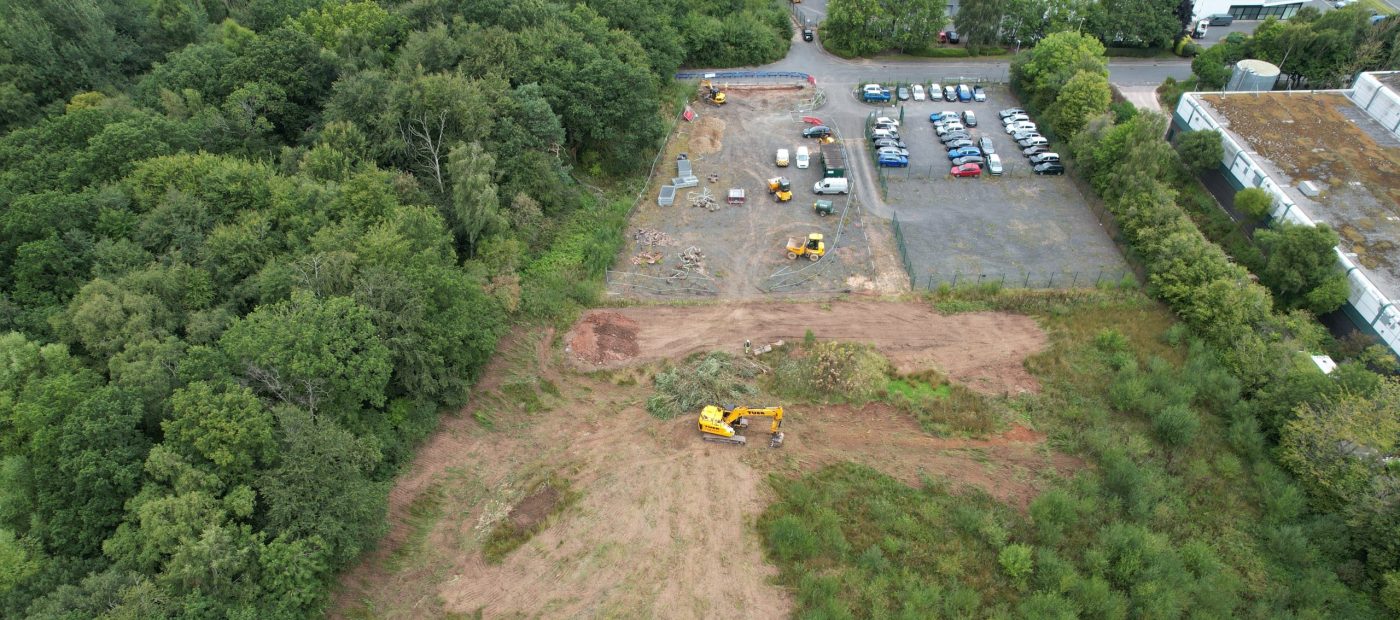
ReFuels to construct new Bio-CNG HGV refuelling station
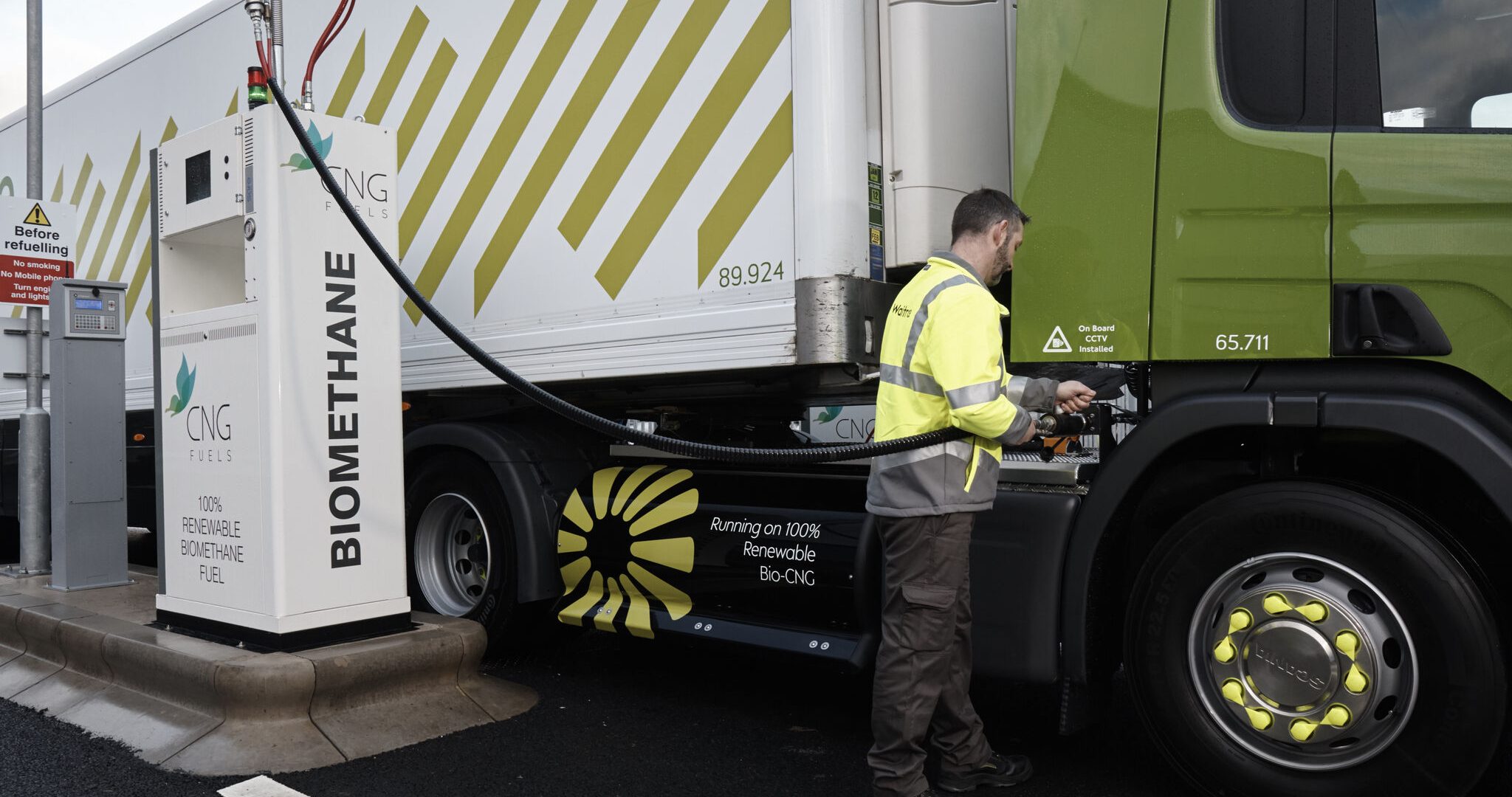
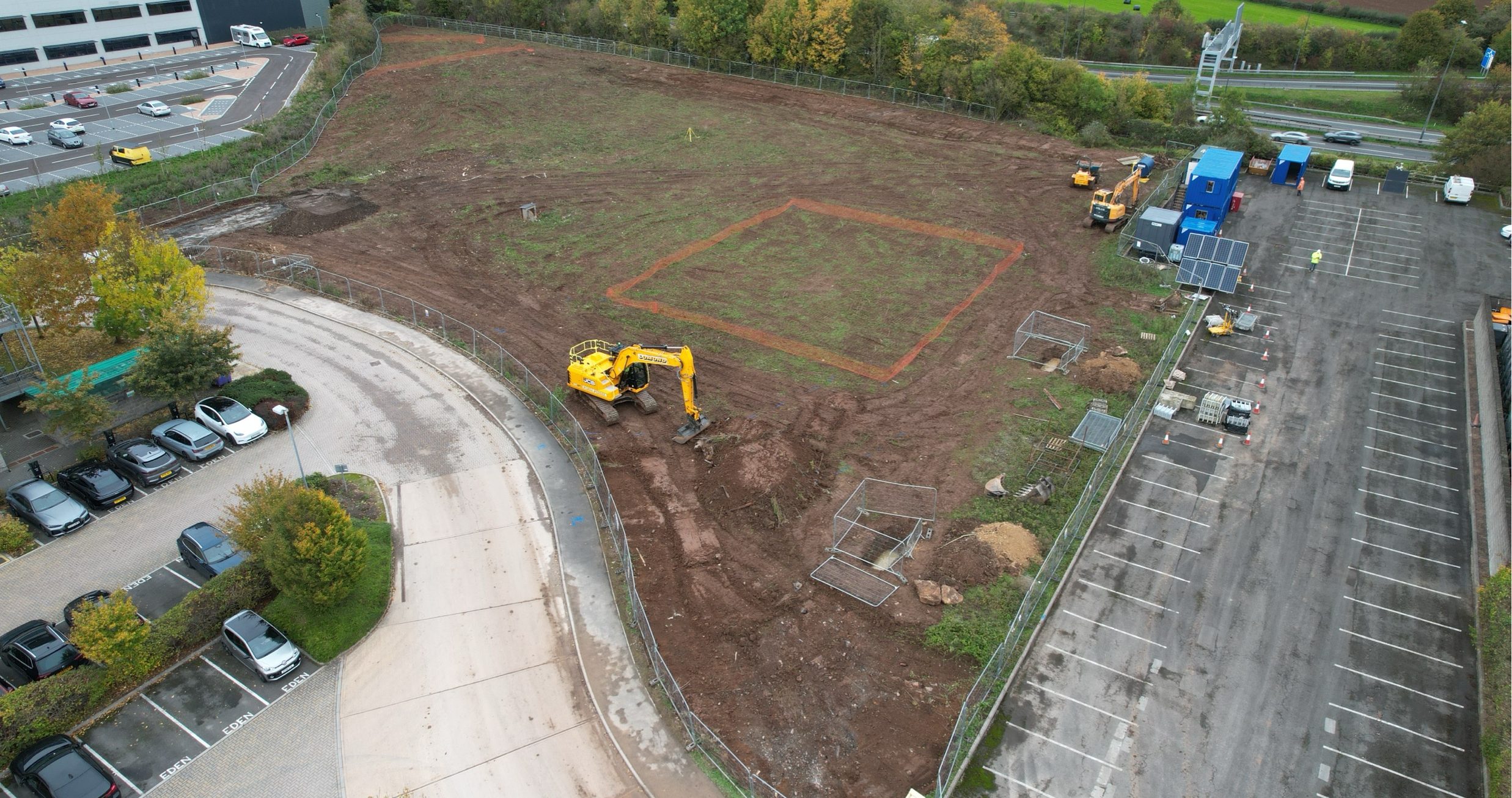
ReFuels, one of Europe’s leading suppliers of renewable biomethane (Bio-CNG) for decarbonising heavy goods vehicles (HGVs), has begun construction of a new refuelling station in Carlisle, North-West England.
The project comes as hauliers, delivery operators and retailers continue to seek lower-cost, domestically produced biofuels as an alternative to imported diesel, amid continuing volatility in fuel markets.
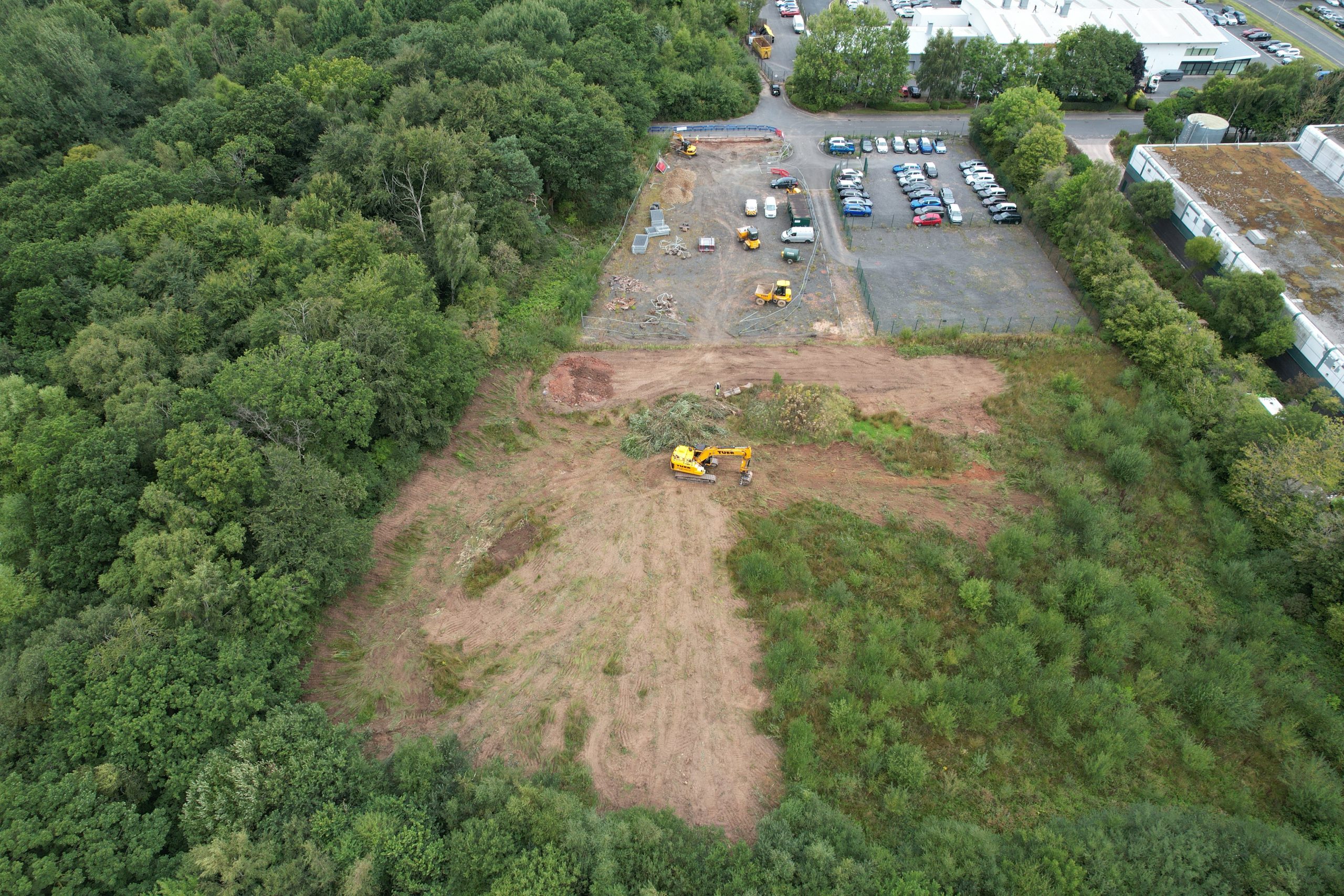
The new Carlisle Bio-CNG station is expected to become operational during the first half of 2027. CNG Fuels, which is 40% owned by ReFuels, will own and operate the facility.
Located close to major logistics hubs, including DPD’s Carlisle delivery facility, the station will serve significant regional and long-haul freight movements. It will also strengthen CNG Fuels’ existing Bio-CNG refuelling network across the Midlands, North-West England and Scotland.
Bio-CNG offers greater fuel cost certainty
ReFuels CEO and co-founder Philip Fjeld said fleet operators are increasingly looking for greater certainty over fuel costs and supply.
“Fleet operators are telling us the same thing: they want fuel they can budget for and fuel they know will arrive,” said Fjeld. “Diesel gives them neither at the moment. Every kilogram of Bio-CNG we dispense is produced from renewable sources in Europe and delivered through a pipe. It does not depend on a deal being struck in the Strait of Hormuz, and it does not reprice by 30% because of an attack on a refinery two thousand miles away.“
UK pump diesel prices have risen by close to 30% over the past year, while continuing disruption in the Gulf has highlighted the UK’s exposure to imported diesel.
By comparison, Bio-CNG has historically been substantially less volatile. Multi-year fixed-price agreements can also give HGV operators greater certainty when forecasting fuel costs, helping fleets manage operating expenses in an increasingly unpredictable market.
Carlisle strengthens UK Bio-CNG network
Fjeld said Carlisle’s location makes it an important addition to the company’s expanding network.
“Carlisle is a strategically important addition to our network, serving one of the main road freight corridors between England and Scotland, and it makes a clean, cost-effective and locally sourced fuel accessible to more fleets across the northern UK,” said Fjeld. “Together with the new stations at Magor and Swindon, it demonstrates the pace at which we are expanding capacity in response to customer demand. Each new location allows an operator to cut fuel costs and emissions at the same time, without changing a single route or schedule.”
The Carlisle station will be capable of refuelling 14 HGVs simultaneously when fully utilised. It will be able to serve more than 800 trucks a day and have annual dispensing capacity of more than 30 million kilograms of 100% renewable Bio-CNG.
The facility will therefore provide additional capacity on an important freight corridor between England and Scotland, while giving operators another alternative to conventional diesel without requiring changes to existing routes or schedules.
CNG Fuels targets major network expansion
CNG Fuels currently has 16 operational stations across the UK, where more than 2,250 trucks refuel each day. The existing network has capacity for more than 11,500 trucks per day.
Once the new stations at Magor, Swindon and Carlisle are operational, CNG Fuels expects its total network capacity to approach 14,000 HGVs per day, with annual Bio-CNG dispensing capacity reaching approximately 460 million kilograms.
The company is targeting installed refuelling capacity of almost 20,000 HGVs per day by 2028. This could enable the network to dispense more than 780 million kilograms of biomethane annually, equivalent to more than 2.3 million tonnes of CO2 savings each year.
The expansion underlines the growing role that renewable biomethane could play in reducing emissions from the UK’s HGV fleet, particularly for operators running regional and long-distance routes where diesel remains heavily relied upon.
For hauliers, the development also highlights the potential for Bio-CNG to combine lower carbon emissions with greater fuel price and supply certainty, while making use of existing freight routes and established vehicle operations.