
In 2025, Ford Motor Company reported its largest financial loss in decades, an outcome that has surprised investors, industry watchers and loyal customers alike. The company posted an $8.2 billion net loss for the full year, a dramatic downturn from its previous profitability and the worst performance since the financial crisis of 2008, drawing comparisons with losses not seen since the Great Depression era in the early twentieth century.
A Perfect Storm of Challenges
The scale of Ford’s losses was driven by a combination of strategic missteps, external shocks, and deep structural changes within the global automotive industry. One of the most significant contributors was Ford’s electric vehicle (EV) division, Model e, which was hit by steep write-downs and persistent operating losses. The company announced a $19.5 billion impairment charge related to cancelling or postponing several EV projects and assets that no longer fit its re-scaled outlook.
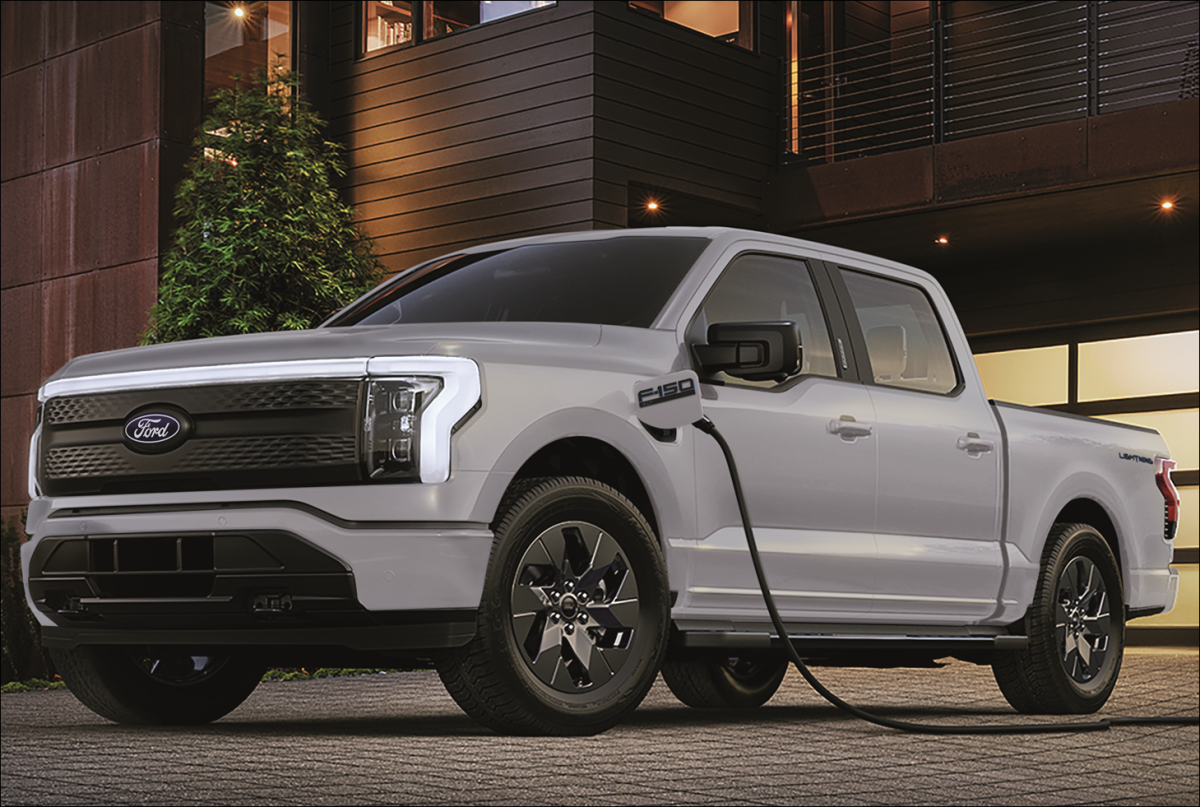
F-150 Lightning. Image: Ford
Unlike its profitable legacy business—particularly pickup trucks and commercial vehicles—Ford’s EV ventures struggled to achieve scale or profitability. The popular electric F-150 Lightning, for example, never reached its target price or production efficiency and suffered from falling demand after key tax credits ended. Analysts have noted that this division alone accumulated tens of billions of dollars in losses over recent years, dwarfing profits from traditional models.
Compounding these internal issues, Ford faced serious supply chain disruptions, most notably a destructive fire at an aluminium supplier’s plant in New York. The outage curtailed production of high-margin trucks and SUVs, costing the company around $1.5–$2 billion in lost output and revenue.
External Pressures and Policy Shifts
Ford’s financial year was further complicated by geopolitical and economic factors. Changes in US trade policy, including tariff adjustments, unexpectedly increased costs on imported components and materials. Although some tariff relief was later extended, changes in implementation timing added hundreds of millions in unplanned expenses.
The company also recorded a significant pension remeasurement loss of around $600 million, linked to updated actuarial assumptions and longer life expectancies for retired employees, though this did not impact cash flow.

Jim Farley, President and Chief Executive Officer, Ford. https://commons.wikimedia.org/w/index.php?curid=183635881
Shifting Market Demand
Global automotive markets are in flux. Demand for fully electric vehicles has softened in several markets as consumer preferences shift towards hybrids and extended-range technologies, leaving legacy players like Ford adjusting strategies on the fly. Weak EV sales and high development costs blurred profitability for much of its Model e portfolio.
How Ford Is Responding
Despite the severity of its losses, Ford is pursuing a broad range of recovery strategies aimed at stabilising performance and returning to growth. One core element is refocusing on profitable segments. Strong demand for mainstream pickup trucks such as the F-150 and commercial vehicles under Ford Pro continues to underpin much of the company’s earnings. Management plans to increase production volumes of high-margin vehicles, adding more than 50 000 additional units in 2026 to recoup some of the losses from supply disruptions.
In the EV space, Ford has adopted a more pragmatic approach: instead of pushing ahead on all fronts with costly pure electric designs, it will concentrate on hybrid and extended-range options, and on more affordable EV models from 2027 onwards. The company has cancelled several unprofitable projects and intends to launch scalable, cost-effective EVs after a heavier focus on cost control and platform efficiency.
Collaborations with other manufacturers are also part of the plan. Ford is in advanced talks with Chinese partner Geely to share platforms and production capacity in Europe, helping to reduce overheads and improve competitiveness in a challenging continental market where demand has been weak.

Sherry House, Chief Financial Officer
On operations, the company is streamlining its workforce and facilities in Europe, with planned reductions in headcount to align capacity with current demand and cost structures.
One of the clearest reflections on the company’s performance came from Ford CEO Jim Farley, who put a positive spin on a challenging year while acknowledging strategic shifts. In the company’s 2025 financial results announcement, Farley said: “Ford delivered a strong 2025 in a dynamic and often volatile environment,” emphasising improvements in core operations, cost control, and strategic decision-making despite the losses.
Farley also noted the difficult choices made during the period, adding: “We made difficult but critical strategic decisions that set us up for a stronger future,” signalling that the company’s recent restructuring — especially around electric vehicles — is intended to lay the groundwork for recovery.
Chief Financial Officer Sherry House provided insight into Ford’s financial discipline, saying that the firm’s plan for 2026 and beyond relies on “a disciplined approach to capital efficiency” to help drive stronger results and margin expansion as the business refocuses its product mix.
House also highlighted ongoing challenges with supply and costs during media calls: “We’ve got people on the ground there and know exactly what is going on and where things stand,” referring to efforts to manage supply disruptions at a key supplier’s plant.