
How fleets can take control of fuel costs
Rising fuel costs are prompting more fleet operators to invest in connected telematics and AI-powered fleet camera technology to improve fuel efficiency and reduce operating costs, according to Centrad.
The fleet camera and telematics specialist says that while operators have little control over fuel prices, they can significantly influence how efficiently fuel is used across their fleets. By combining video telematics with real-time vehicle data, businesses can identify inefficient driving behaviours, improve driver coaching and reduce unnecessary fuel consumption.
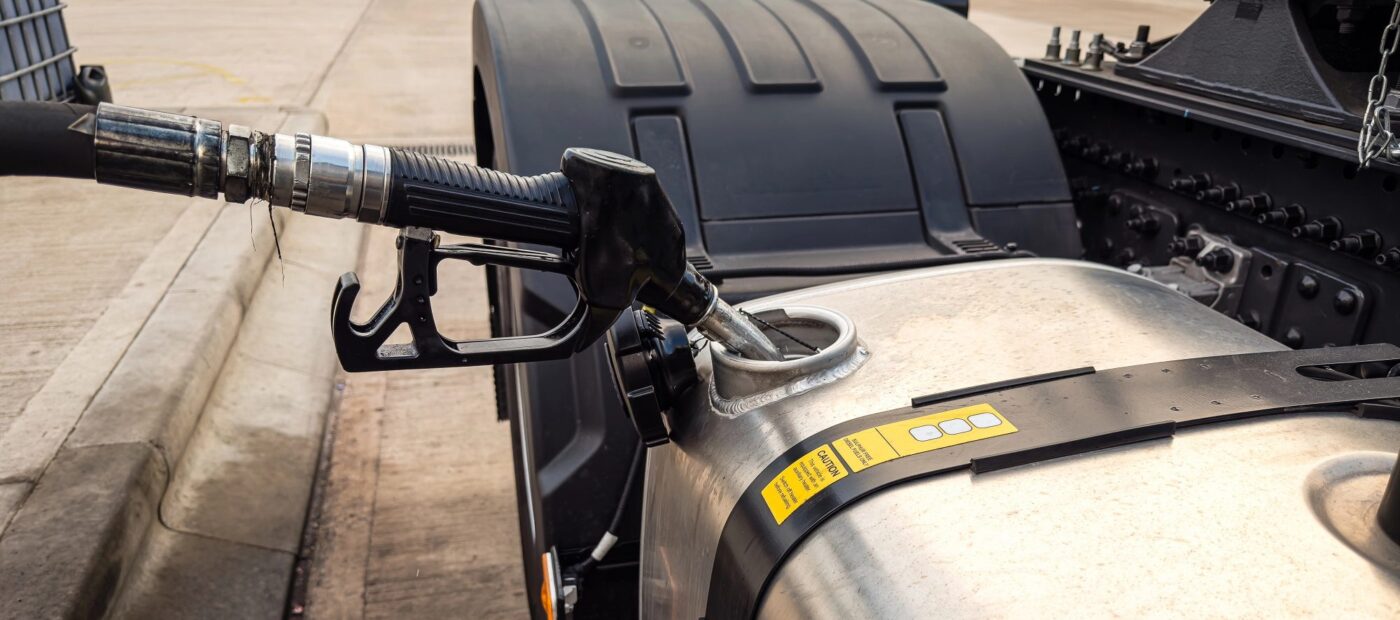
Fuel remains one of the largest expenses for commercial vehicle operators. For haulage companies, it can account for up to a third of total operating costs, while coach and bus operators typically spend between 10% and 15% of their budgets on fuel. Van fleets also face significant costs, with fuel often representing between a quarter and a third of total operating expenditure.
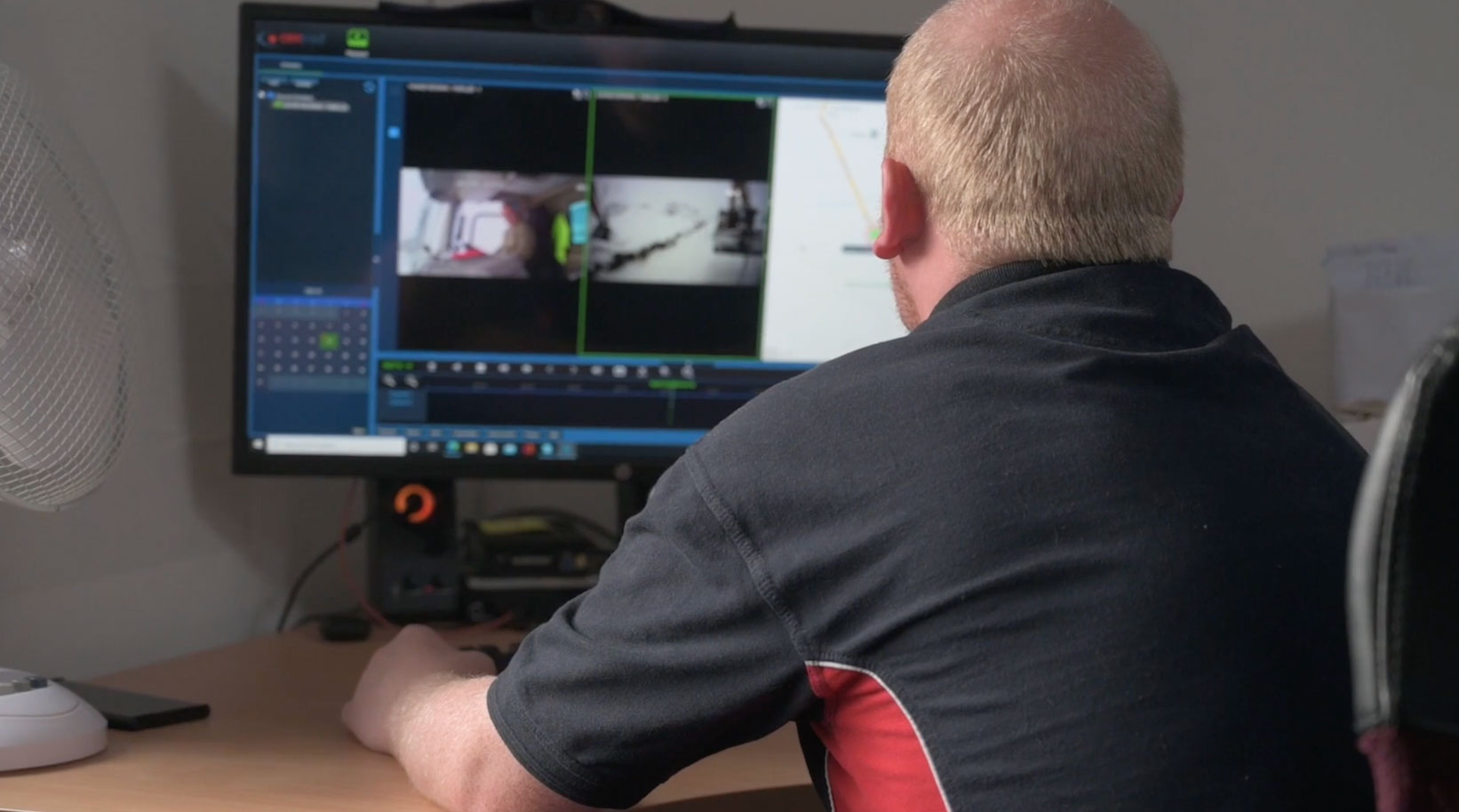
Image: Centrad
Recent volatility in global energy markets has highlighted how vulnerable fleet operators remain to external events. During the conflict involving Iran and the United States, crude oil prices surged to around $120 per barrel, while diesel briefly exceeded 200p per litre at some UK forecourts. Although prices have since fallen, the episode reinforced the importance of controlling the factors that operators can influence.
Geoff Cross, Managing Director at Centrad, said: “Ultimately, there is very little operators can do about the price displayed on the forecourt. What they can control is how efficiently that fuel is being used across their own fleet.
“Operators aren’t intentionally wasting fuel, but it’s often the small day-to-day inefficiencies that go unnoticed. Excessive idling, harsh acceleration, speeding and poor anticipation all increase fuel consumption, particularly across larger fleets. The challenge has always been having the visibility to identify these behaviours before they become ingrained.
“As a former fleet operator of more than 30 buses, I’ve been there myself – that includes as a driver. Historically, identifying these issues required significant manual intervention. Today, connected video telematics, combining AI-powered fleet cameras with live vehicle data, provides operators with a much clearer understanding of what’s actually happening on the road.”
Modern fleet management platforms are increasingly combining AI-powered cameras, telematics, remote system health monitoring and operational data to provide a comprehensive view of fleet performance. Rather than relying solely on vehicle data, operators can use video evidence alongside telematics to understand not only where fuel is being consumed, but also the reasons behind it.
This broader operational visibility allows fleet managers to assess driver behaviour, vehicle utilisation and fleet health while taking into account external factors such as traffic conditions, route complexity and day-to-day operational demands.
According to Centrad, the combination of connected data and video evidence is transforming how operators engage with drivers. Instead of using cameras purely for compliance or incident recording, fleets are increasingly using the technology to deliver evidence-based coaching that encourages safer and more fuel-efficient driving.
Geoff continued: “The real value isn’t simply collecting more data. It’s about turning that data into meaningful insight. Connected video gives operators the context behind every event, allowing them to understand the reasons for fuel-inefficient driving rather than making assumptions based on figures alone.
“That completely changes the conversation with drivers. Instead of using cameras or telematics purely as monitoring tools, operators can use connected insight to coach and support their drivers more effectively. Reviewing real driving events alongside AI-generated insights enables far more constructive conversations, helping drivers understand where small changes in behaviour can make a significant difference to fuel consumption, vehicle wear and road safety.
“Ultimately, the biggest savings don’t come from the technology itself – they come from the behavioural changes it enables. For many operators, the focus is therefore shifting beyond just security and compliance, with connected fleet data increasingly being used to improve visibility and support better decision-making across the business.
“By providing greater insight into fuel-wasting habits, operators can address these behaviours through targeted, evidence-based coaching. Even small changes in driving style can deliver significant annual savings across larger fleets, while also helping to improve vehicle efficiency and reduce unnecessary wear and tear.”
As fleet operators continue to face fluctuating fuel prices and rising operating costs, technologies that improve visibility into driver behaviour and vehicle performance are becoming increasingly valuable. By turning connected fleet data into actionable insights, operators can reduce fuel consumption, lower maintenance costs and improve overall fleet efficiency without compromising service levels.