
Government confirms Euro 7 for new vehicles
The government has confirmed that Great Britain will adopt the Euro 7 emission standard for new road vehicles. The Department for Transport (DfT) set out the decision in an updated response to its consultation on 27 October 2026. For fleet operators, the announcement sets a firm date for new cars and vans. It also brings in battery health rules for electric vehicles (EVs). Heavy vehicles will follow on a separate timetable. This guide explains what Euro 7 requires, who it affects and when it starts. It also covers HGVs, buses, coaches, EVs, brakes and tyres.

What is Euro 7?
Euro 7 is the latest emission standard for new road vehicles. Great Britain currently uses Euro 6 for light vehicles and Euro VI for heavy-duty vehicles. Euro 7 replaces both. It brings cars, vans, buses and lorries under a single set of rules.
The standard goes beyond the exhaust pipe. It also covers particles from brakes and tyre abrasion. It also sets minimum durability rules for EV batteries. Euro 7 already includes the changes made by Euro 6e and Euro VI Step E, so the government will not mandate those steps separately.
The DfT consultation ran from 13 April to 25 May 2026. It received 67 responses, made up of 53 from organisations and 14 from private individuals. Most respondents agreed with the proposal to move to Euro 7.
Is Euro 7 law yet?
Not quite. The decision is a policy position rather than a legal requirement. The DfT intends to lay a statutory instrument under the Product Regulation and Metrology Act 2025. Fleet managers should treat the dates as firm, but the legislation still has to pass. The Vehicle Certification Agency cannot accept EU Euro 7 approvals until that instrument comes into force.
When will Euro 7 start, and who will it affect?
Euro 7 will apply from 29 November 2027 to all new unlimited-volume light-duty vehicle registrations. In practice, that means new cars and vans. Smaller manufacturers that register fewer than 2,500 cars or vans a year in Great Britain get longer. Their deadline is 1 July 2030.
The government has also softened its original plan. Ministers dropped a proposal to make Euro 7 compulsory for newly approved vehicle types from November 2026. Manufacturers had said they needed more time to prepare. The November 2027 deadline for new registrations stays. The government has also decided not to mandate Euro 7 for vehicles approved under certain small-series, medium-series and individual approval routes.
End-of-series derogations will let manufacturers sell a limited number of vehicles built to the previous standard after Euro 7 becomes mandatory. This should help manufacturers clear existing stock without a sudden cliff edge.
The rules hit manufacturers and importers first. Dealers, leasing companies and fleet operators feel the effect next, because they buy the vehicles that manufacturers build. The measure covers new vehicle approvals and registrations. It does not force operators to replace compliant vehicles already on the road. Your current fleet can stay as it is. Your next orders are where Euro 7 matters.
Northern Ireland sits outside this decision. Under the Windsor Framework, it applies current EU standards.
Are HGVs, buses and coaches included?
Yes, but they will follow their own timetable. The policy covers cars, vans, trucks, buses and coaches. The November 2027 date applies to light vehicles only. Implementation dates for heavy-duty vehicles will be subject to a separate consultation. That will come once the EU’s technical legislation is further developed and its dates are confirmed.
The government is waiting for the EU to finish its heavy-duty detail. That approach makes sense, as Great Britain wants to stay aligned with EU rules. Operators of lorries, buses and coaches should not assume 2027 applies to them. Equally, they should not ignore Euro 7. The standard is coming, and the dates will be set after the next consultation.
The heavy-duty rules are tougher than the light-duty ones. The EU agreement keeps Euro 6 exhaust limits for cars and vans but cuts the limits for buses and lorries. Nitrogen oxide limits for buses and lorries fall to 200 mg/kWh in laboratory testing, compared with 400 mg/kWh under Euro VI. Heavy fleets can expect a more demanding standard than light fleets face.
Some trade coverage has suggested that trucks, buses and coaches also start in November 2027. Most reports, and the government’s stated approach, point to a separate heavy-duty consultation. Always check the DfT’s response itself before you plan a heavy-duty procurement.
What do the exhaust standards require?
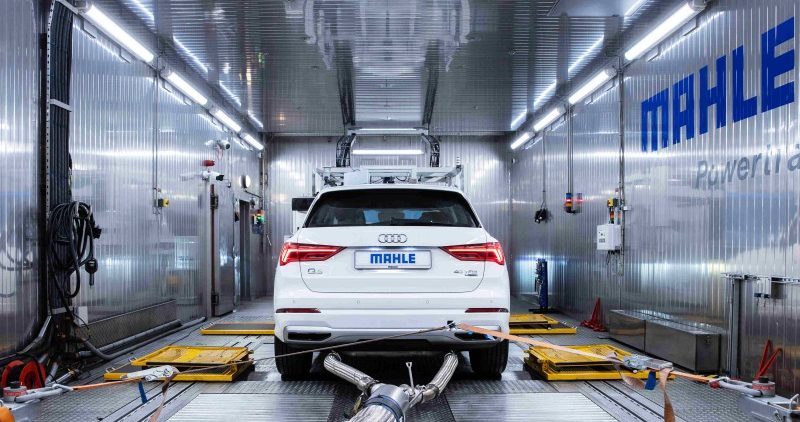
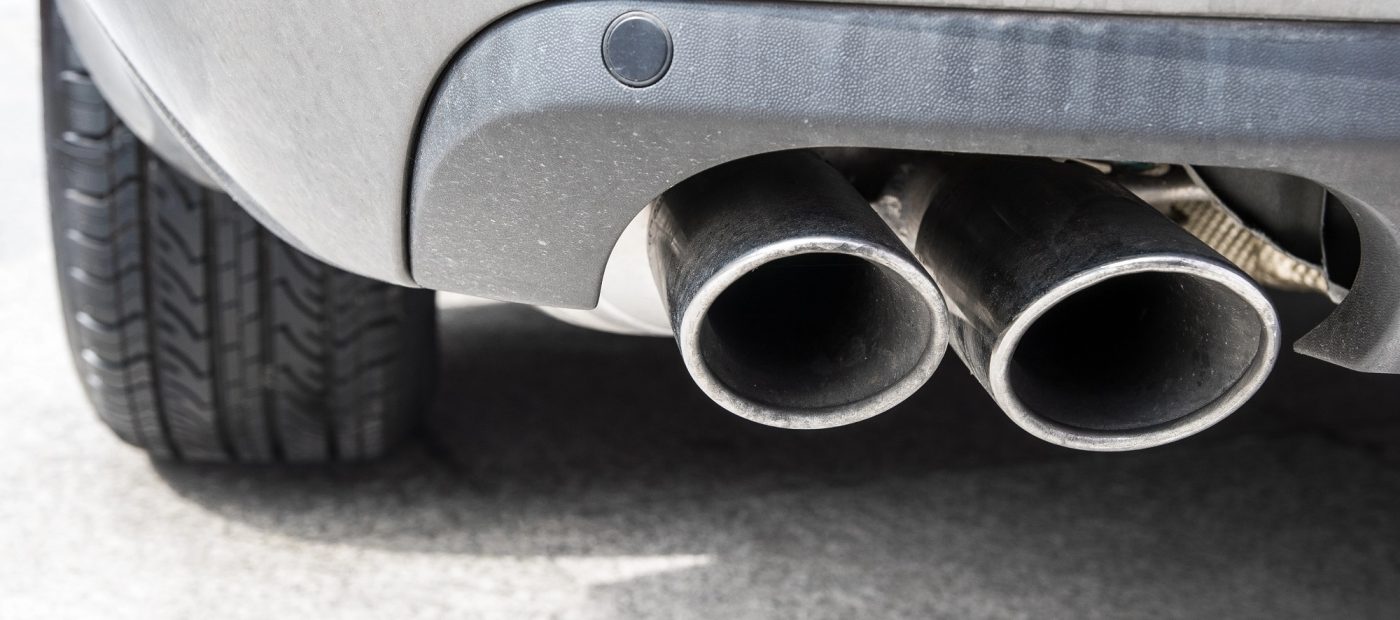
Cars and vans see the smallest change at the tailpipe. Euro 7 keeps the existing Euro 6 limits for these vehicles. However, it counts solid particles from 10 nanometres in diameter, instead of the 23 nanometres used under Euro 6. Smaller particles are harder to catch, so this tightens the rules in practice.
Durability is a bigger shift. Manufacturers must ensure cars and vans keep meeting Euro 7 emissions for 10 years or 200,000 kilometres. That moves some responsibility for long-term emissions performance onto the manufacturer.
What about electric vehicles?
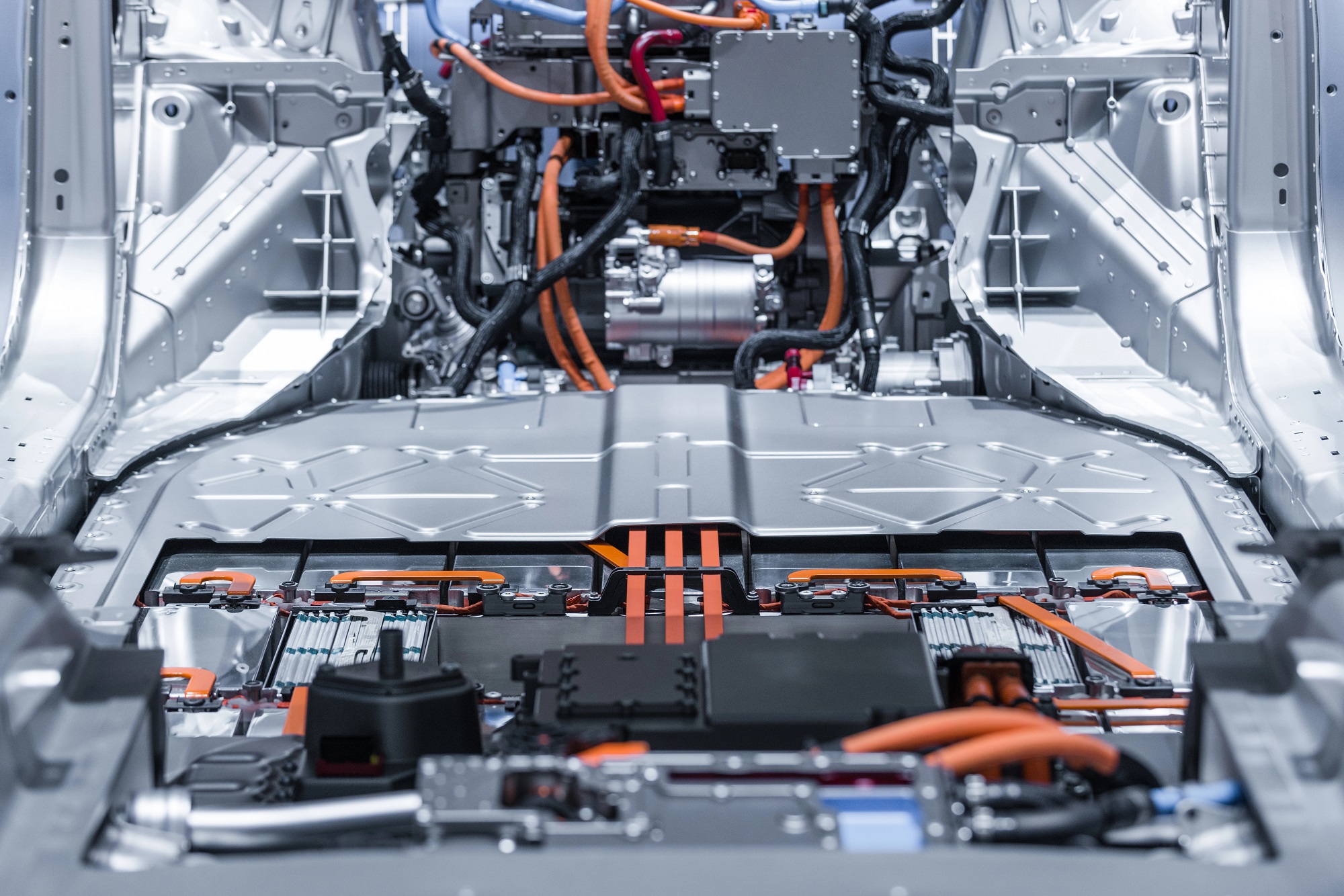
EVs have no tailpipe, but Euro 7 still applies to them. The headline change is battery health. Euro 7 introduces mandatory durability and capacity retention standards for EVs and plug-in hybrids. Cars must retain 80% of their original battery capacity after five years or 100,000 km, and 72% after eight years or 160,000 km. For vans, the figures are 75% after five years and 67% after eight years.
The rules follow a global framework. They align with GTR 22, which creates one durability benchmark across all manufacturers. Battery degradation data will be easy to read on the dashboard or through the on-board diagnostics (OBD) port. This matters most for the used market. Buyers have long struggled to judge a second-hand battery. Standardised data should make that judgement much easier.
Toby Poston, BVRLA Chief Executive, welcomed the move: “We welcome today’s Euro 7 battery health standards. They’re an important step in building trust in electric vehicles, aligning the rules with the global GTR 22 framework is the right approach. It means one consistent benchmark for battery durability across manufacturers, and across different makes and models, so buyers, dealers and leasing companies can finally compare like with like.
“Just as importantly, battery health data should become much easier to access, whether that’s on the dashboard or through the OBD port. That transparency is exactly what the used market needs. The used market has long been a focus for the BVRLA, because that’s where most drivers will make the switch to electric. Our EV Retail Ready programme is designed to support used dealers; standards like these strengthen the market further.
“The message to consumers is simple. Used battery electric vehicles are a smart, affordable choice, and people should buy them with confidence.”
Plug-in hybrids get a tax boost alongside the new rules. The government plans an easement, applying UK-wide between April 2026 and April 2028, to soften the benefit-in-kind impact of the new standard on plug-in hybrids. Company car drivers and fleet managers should keep an eye on how that plays out.
Are brake and tyre emissions included?
Yes. This is one of the biggest changes in Euro 7. As exhaust emissions have fallen, brakes and tyres have become a bigger share of road pollution. The DfT’s own documents say non-exhaust emissions from brakes and tyres are now the dominant source of particulate emissions from road transport in the UK.
Euro 7 sets brake particle limits of 3 mg/km for electric cars and 7 mg/km for most other powertrains. For larger Class III vans, the limits are 5 mg/km for electric vehicles and 11 mg/km for other powertrains. The limits for EVs are lower because regenerative braking means their friction brakes work less.
Euro 7 also introduces tyre abrasion measurement requirements, recognising that tyre wear adds to particulate pollution. EVs are heavier than similar petrol or diesel models, so tyre wear will matter more as EV numbers rise.
Independent garages and parts suppliers won an important concession. Replacement brakes fitted to Euro 7 vehicles will not initially have to meet the new brake-particle requirements. The timetable for future requirements on replacement brakes has not been finalised. That should protect parts availability and costs for now.
What should fleet managers do now?
Start with your replacement cycle. Any vehicle you order for delivery after 29 November 2027 will need to meet Euro 7. Talk to your suppliers early about model availability and pricing, because manufacturers may adjust their line-ups as the date nears. If you run plug-in hybrids, follow the benefit-in-kind easement closely.
Fleets with EVs should prepare for the new battery health data. Clear, comparable figures will help you set residual values and manage the risks of leasing and resale. They should also give you more confidence when you buy used.
If you run lorries, buses or coaches, watch for the heavy-duty consultation. The government has promised it, and the EU’s progress will shape its dates. Use the wait to review your fleet age profile and to talk to your manufacturers.
Euro 7 gives fleets a longer runway than earlier proposals did, but the direction is clear. Cleaner exhausts, tighter control of brake and tyre dust and trusted battery data are all on the way. Operators who plan early will be best placed to adapt.