
Electric excavator trial drives 15-machine London fleet expansion
An award-winning electric excavator trial by Falco Construction and UK Power Networks is set to deliver a major expansion of low-emission construction equipment on London’s streets.
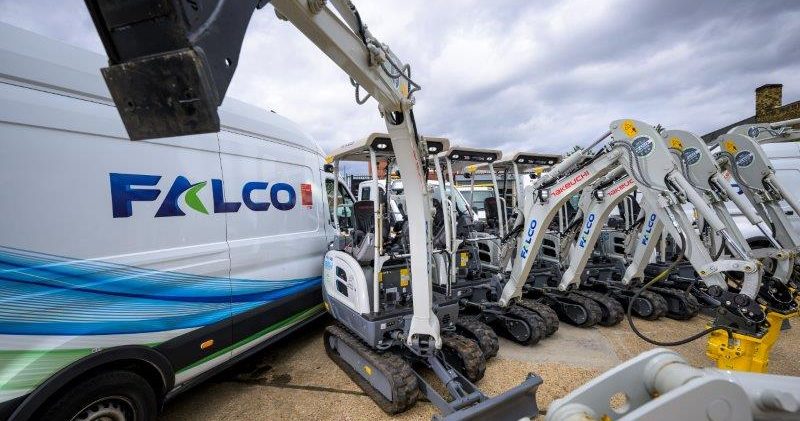
The electricity network operator and contractor began working together in 2024. They trialled two Takeuchi TB20e electric excavators over two years, with the aim of replacing traditional diesel-powered machines.
The successful trial has now prompted the companies to expand the fleet. The original electric excavators will soon be joined by 15 more machines, marking a significant step in the move towards cleaner utility construction in London.
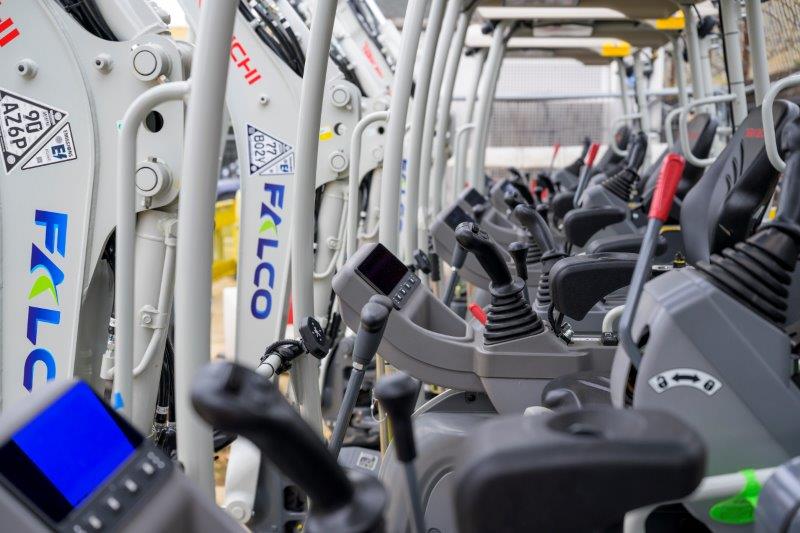
The trial won the Environmental Innovation Award at the City of London’s Considerate Contractors Street Works scheme in 2025. Its success has demonstrated that electric excavators can meet the demanding requirements of utility and groundworks operations.
The new machines will work mainly on groundworks and underground cable projects across the local electricity network. Their zero-tailpipe-emission operation also makes them well suited to busy urban environments.
Electric excavators cut noise and emissions
Electric excavators offer a number of advantages for construction teams working in densely populated areas. They produce no tailpipe emissions and significantly reduce noise compared with conventional diesel equipment.
That quieter operation can prove particularly valuable when crews work close to homes, businesses and other sensitive locations. It can also help contractors meet strict noise requirements while carrying out essential work on the electricity network.
The Takeuchi TB20e excavators can reach an 80% charge in around two hours. They can also operate for up to three days on a single charge, depending on usage and operating conditions.
That combination of charging speed and operating range gives utility crews a practical alternative to diesel-powered excavation equipment. It also reduces the need for frequent charging during working operations.
For Falco Construction, the expansion supports its wider decarbonisation strategy and its target of reaching net zero by 2035.
Kevin Parcell, managing director of Falco, said: “This new consignment of e-diggers exemplifies our overall commitment to decarbonise Falco’s operations and make good on our target to achieve net zero by 2035.
“Our operatives quickly built confidence in using electric excavators, with the lack of emissions and noise combined with commensurate performance, they wouldn’t now go back to diesel.”
Electric construction equipment gains momentum
The results of the trial highlight the growing role of electric construction equipment in urban infrastructure projects. While diesel remains widely used across the construction sector, electric machinery can offer clear operational benefits where noise, emissions and air quality present particular challenges.
Utility companies and their contractors face growing pressure to reduce the environmental impact of infrastructure work. At the same time, they must maintain productivity and ensure reliable delivery of essential services.
The Falco and UK Power Networks project suggests electric excavators can address both requirements. The equipment delivers the performance needed for excavation work while reducing local emissions and noise.
Patrick Clarke, director of network operations at UK Power Networks, said: “The success of our trial shows that cutting emissions doesn’t mean compromising performance.
“Working with Falco, we’ve proven electric excavators can be a practical and effective solution.
“Expanding the fleet is a significant step forward, helping us reduce emissions, lower noise and improve the experience for local communities while continuing to deliver a reliable electricity supply. This is a great example of innovation becoming business as usual.”
The expansion also provides a practical example of how construction firms can move beyond small-scale electric equipment trials. By deploying a larger fleet, Falco and UK Power Networks can assess the technology across a wider range of real-world utility projects.
For fleet and construction managers, the project demonstrates the potential benefits of selecting electric machinery for specific applications. Excavation work in urban areas could be particularly well suited to electrification because quieter, cleaner equipment can reduce disruption for local communities.
As charging infrastructure improves and electric construction machinery becomes more capable, such projects could become increasingly common across UK infrastructure and construction fleets.
The expansion of Falco’s electric excavator fleet therefore represents more than a replacement for diesel machinery. It provides a further example of low-emission equipment moving from demonstration projects into everyday commercial operations.