
Electric car sales in the UK will increase to 580,000 in 2026, representing 29% of a total of two million new car registrations, according to forecasts from leading EV leasing company DriveElectric.
Compared to electric car sales equating to 23.4% of the total new car market in 2025 (473,348 units) this is a 5.6% increase (although new electric car registrations accounted for 32.2% of the market in December 2025).
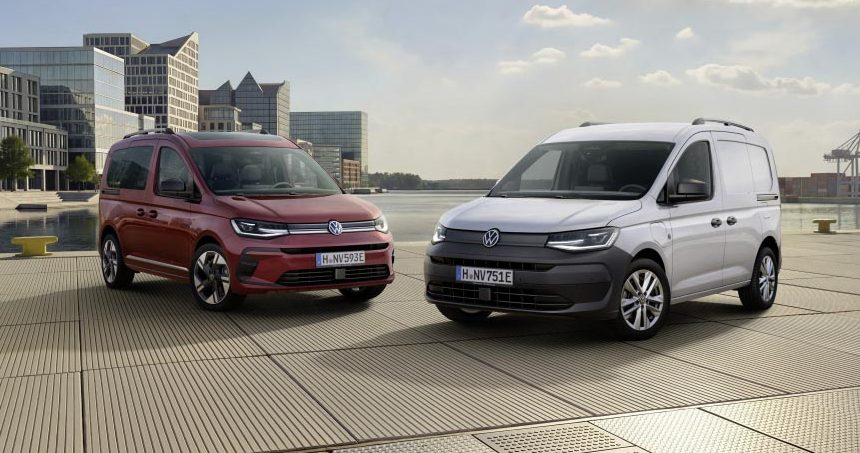
Sales of ELCVs (Electric Light Commercial Vehicles) – primarily vans – are forecasted to increase by a huge 50% in 2026, taking registrations to around 45,000, compared to approximately 30,169 registrations in 2025 (a 9.5% market share). This dramatic increase is due to a number of factors including more vans now having a one tonne payload and a real-world range of over 200 miles, making them more viable for fleets.
The continued growth in electric car sales shows that increasing numbers of motorists are embracing EVs, but the forecast of electric cars representing 29% of total sales this year means that the 2026 Zero Emission Vehicle (ZEV) mandate target of 33% will be missed. However flexibilities in the ZEV mandate have resulted in the target being exceeded in 2024, and this is also expected to be the case in 2025, despite EV sales not reaching the headline figure. Increased ELCV sales are due to help manufacturers achieve the overall targets in 2026, as ELCV registrations count double for the ZEV mandate.
DriveElectric uses its own model built from its intelligence of the UK market to forecast registrations of battery electric cars and vans each year, and the 2026 figures are informed by a number of factors. For example, there are now increasing numbers of smaller and more affordable electric cars available, and for motorists who aren’t able to obtain an EV through a business, the UK government’s Electric Car Grant offers car buyers a discount of £1,500 or £3,750 off the price of a new EV, based on the sustainability of the vehicle’s manufacturing. Some manufacturers are providing their own discounts if their vehicles aren’t eligible for the official government grant.
In 2026 there will continue to be more new entrants from China, as well as battery costs reducing and more EVs being offered at pricing closer to that of petrol cars. The latest EVs have longer driving ranges and faster charging, helping to break down the barrier of range anxiety which has been cited as a blocker to adoption, and amplified by misinformation.
There are still significant financial incentives for businesses and fleets to transition to EVs, thanks to low benefit in kind (BIK) tax rates (3% until April 2026, then rising by 1% each year to 5% in April 2028). These low BIK rates have fuelled the increasing popularity of salary sacrifice, which can reduce the monthly cost of driving an EV by up to 40% for the employees of an organisation. Businesses will also be incentivised to electrify to enable them to report on carbon emission reductions, helping to secure existing contracts and win new business.
Increasing numbers of new electric cars hitting the road (there are now over 1.8 million EVs registered in the UK) translates to more and more EVs being available as used cars, with a growing market for affordable used EV leasing via business contract hire, personal contract hire and salary sacrifice.
The UK’s charging network is also continuing to expand, particularly with more rapid and ultra-rapid chargers, which experienced a 23% growth in 2025 according to Zapmap, giving consumers added confidence to switch to EVs.
Adam Kemp, Partnerships Director, DriveElectric, comments: “There are a range of factors which will provide the opportunity for increasing numbers of motorists to make the switch to EVs in 2026, including the Electric Car Grant, continued incentives for fleet customers, interest rates reducing, and an extremely competitive EV market space offering more affordable models with longer driving ranges.
“But it’s electric vans that promise to be the really interesting story in 2026, with our forecasts showing a 50% increase in registrations, thanks to longer driving ranges and more affordable pricing for new models, such as the Kia PV5.”
Electric vehicles are seen as a key solution to help the UK achieve its net zero greenhouse gas targets, as well as tackling the problem of local air quality. EVs also have lower running costs than petrol and diesel vehicles for most drivers, and this will still be the case if the proposed 3p per mile tax on electric cars is introduced from 2028. However an overwhelming factor in the rapid increase in EV adoption is that the vast majority of motorists prefer the driving experience of EVs compared to petrol and diesel cars and vans.
DriveElectric is an electric vehicle leasing company that has been helping organisations and individuals to adopt EVs to save money, lower emissions and transition to low carbon energy since 2008. DriveElectric aims to make the switch to electric cars and vans simple for business fleets, offering added benefits including monitoring and optimising emissions from charging fleet vehicles.