
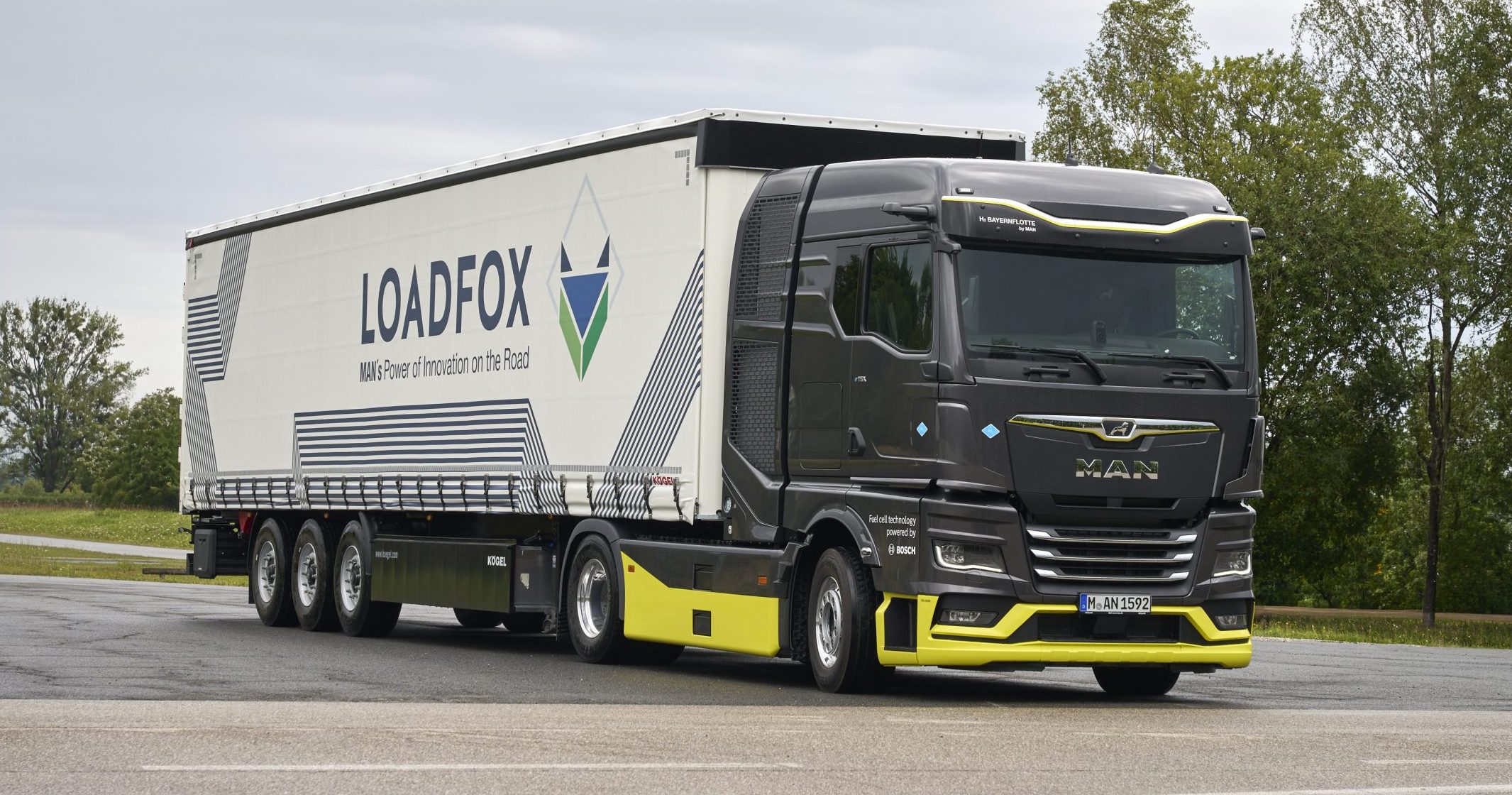
Road testing of hydrogen-powered trucks has entered a significant new phase as MAN Truck & Bus begins real-world logistics operations under the Bayernflotte research project. The initiative aims to assess whether hydrogen fuel cell technology can complement battery-electric trucks in heavy-duty transport, while helping shape the future of zero-emission freight across Europe.
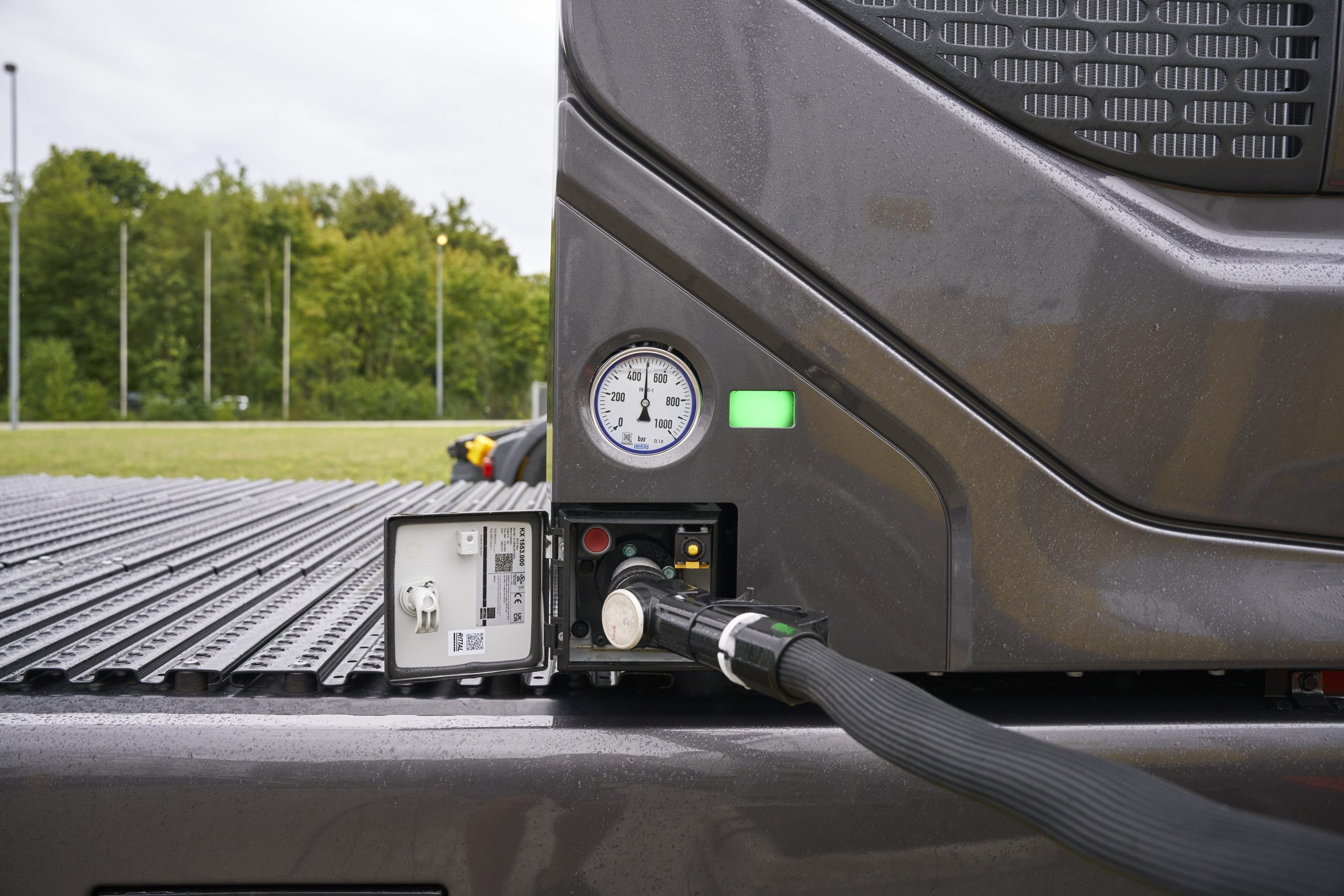
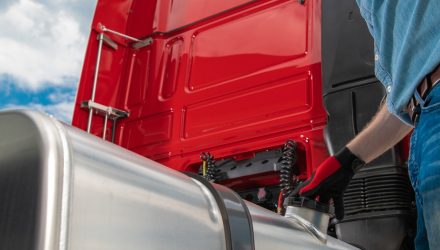
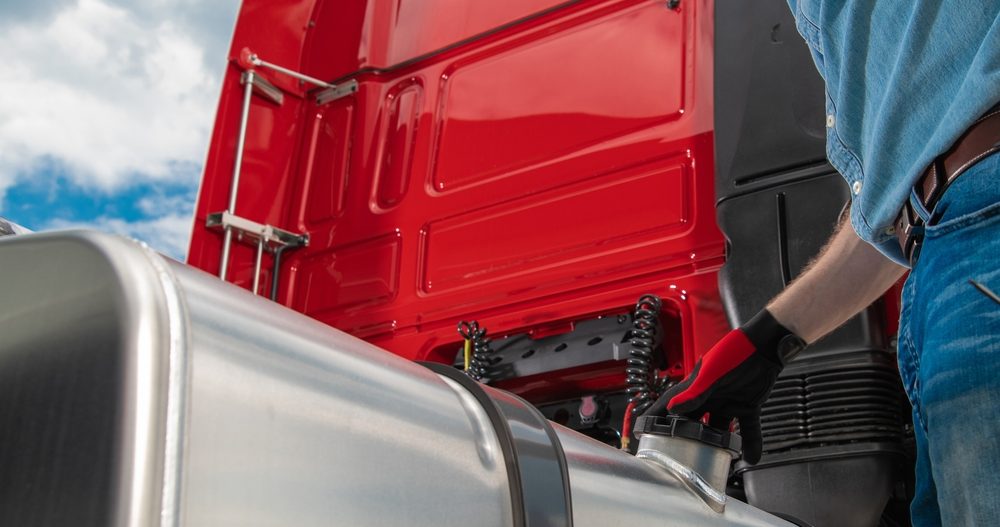
Gaseous hydrogen is filled into the pressure tanks. Image: MAN
Funded by the Bavarian State Ministry of Economic Affairs, Regional Development and Energy, Bayernflotte is a collaborative research programme designed to accelerate the development of hydrogen-powered commercial vehicles and the supporting infrastructure. Bringing together leading automotive, technology and research partners, the project explores how fuel cell trucks perform in everyday logistics, generating valuable operational data to support the transition to low-carbon road transport.
As part of the project’s final phase, MAN has handed over three hydrogen fuel cell trucks to LoadFox Transport Solutions GmbH, a wholly owned in-house transport and logistics subsidiary of MAN Truck & Bus. The vehicles will operate in regular logistics services for three months, travelling between MAN sites in Munich, Dachau and Nuremberg, as well as on additional routes across southern Germany.
The trial represents one of Germany’s most comprehensive demonstrations of hydrogen-powered heavy goods vehicles under real operating conditions, providing researchers and engineers with detailed insights into vehicle performance, efficiency and reliability.
The fuel cell trucks are based on an electric drivetrain that generates electricity by converting gaseous hydrogen into electrical energy. The heart of the system is a fuel cell supplied by Robert Bosch GmbH, while high-voltage batteries provide additional power during peak demand and store energy recovered through regenerative braking. Propulsion is delivered via the ZF AxTrax 2 dual electric drive axle.
Hydrogen is stored in 700-bar pressure tanks developed by Forvia, with a storage capacity of 36kg. This enables the trucks to achieve a driving range of approximately 450 to 500 kilometres, making them suitable for demanding regional distribution and longer-distance freight operations.
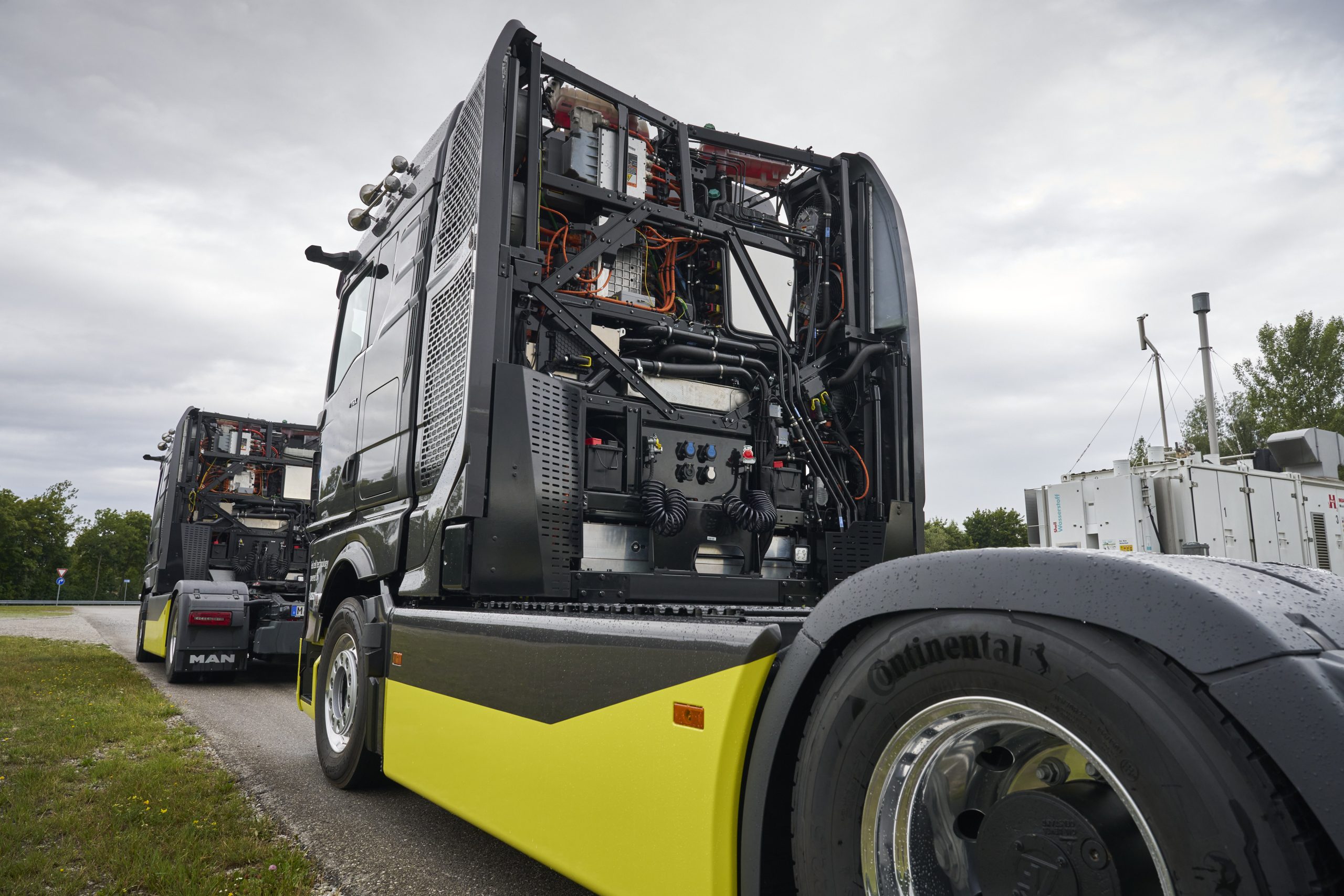
Technical tower for the fuel-cell trucks behind the cab. Image: MAN
Each vehicle produces 350kW of power, while hydrogen consumption during normal operation is around seven to eight kilograms per 100 kilometres. With a 4,000mm wheelbase, an unladen weight of approximately 11.5 tonnes and a gross combination weight of up to 42 tonnes, the trucks have been engineered to meet the demands of heavy distribution and long-haul transport.
LoadFox is serving as the operational logistics partner for the project. Established by MAN as an in-house transport company, it specialises in operating prototype and autonomous vehicles while testing new digital freight services under real-world conditions.
The company will provide engineers with practical feedback from daily operations, helping refine both vehicle technology and associated transport services before future commercial deployment.
Data collected throughout the Bayernflotte programme will be systematically analysed and shared across the TRATON Group to support the next generation of hydrogen-powered commercial vehicles. Researchers will focus on vehicle efficiency, reliability and overall economic viability in day-to-day logistics operations, laying the foundations for future product development.
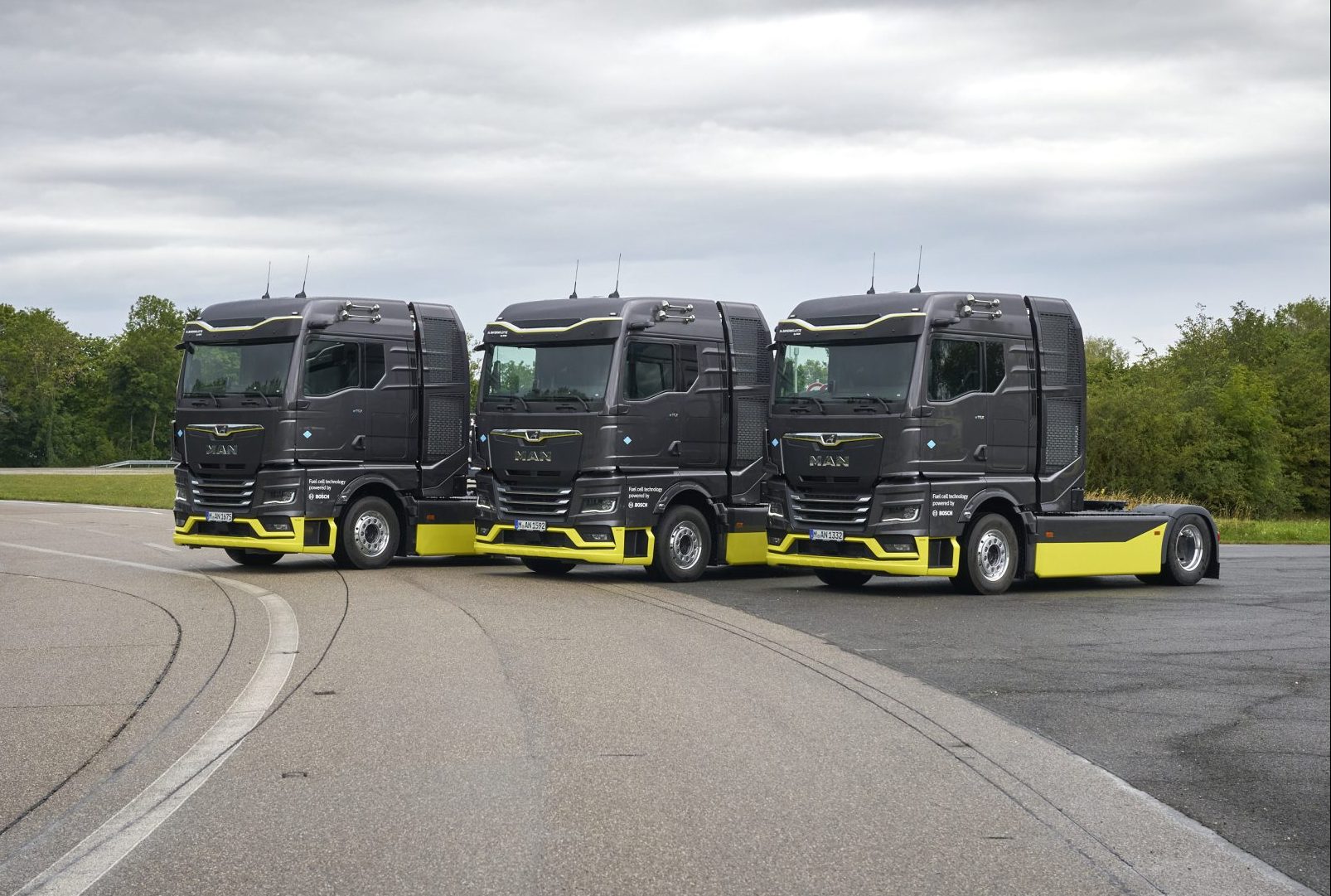
Three Bayernflotte fuel-cell trucks are set to undergo road testing at Loadfox. Image: MAN
Although MAN continues to invest in hydrogen technologies, the manufacturer believes battery-electric trucks will become the primary zero-emission solution for road freight because they offer higher energy efficiency, lower operating costs and greater potential to reduce greenhouse gas emissions.
However, the company sees hydrogen playing an important complementary role where battery-electric vehicles face operational limitations.
MAN said hydrogen technologies, including its limited-production MAN hTGX hydrogen combustion truck and future fuel cell-powered models, could prove particularly valuable on very long-distance routes or in regions where charging infrastructure remains underdeveloped.
The findings from the Bayernflotte project will help determine how hydrogen-powered trucks fit into Europe’s future zero-emission transport mix, while providing fleet operators with valuable evidence on where fuel cell technology can deliver the greatest operational benefits.