
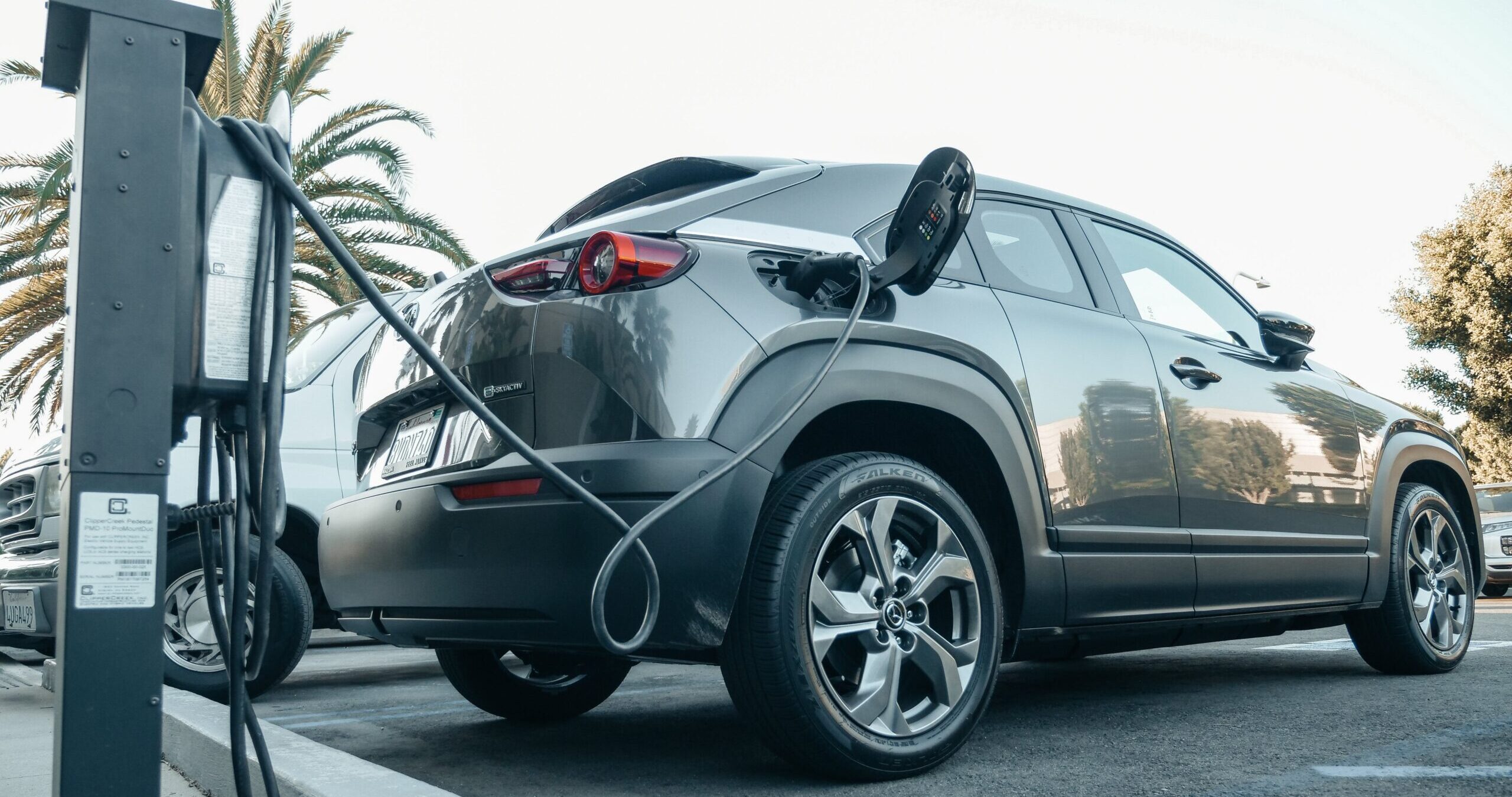
Introducing Electric Vehicle Excise Duty, eVED, in 2028 could cost the UK economy up to £4.8 billion in a worst-case scenario, according to new research from BEAMA. The projected economic loss would exceed the estimated £4.3 billion in revenue the policy is expected to generate by 2031, raising concerns about its overall impact on the UK’s transition to electric vehicles.
The analysis suggests that if electric vehicle (EV) sales were to decline sharply, mirroring the drop of more than 50% seen in New Zealand following the introduction of a pay-per-kilometre tax, and are not replaced by petrol or diesel car purchases, the Treasury could face a £4.8 billion shortfall in 2028, with further losses possible in subsequent years.
Even in a less severe scenario, where consumers switch from EVs to petrol and diesel vehicles instead of delaying purchases altogether, the economic impact would remain significant. BEAMA estimates this could still result in a £890 million cost to the UK economy in the first year alone, including £630 million in lost VAT receipts and £260 million in compliance costs for car leasing companies.
A coalition of industry bodies, including EVA England, ChargeUK and REA, has joined BEAMA in criticising the proposed policy. Representing a broad cross-section of the EV ecosystem, from manufacturers and charging providers to leasing firms, investors and drivers, the group argues that introducing eVED in 2028 risks undermining consumer confidence, suppressing demand and creating operational challenges for fleet operators.
The coalition has written to Daniel Tomlinson, Exchequer Secretary to the Treasury, warning that the policy could also delay critical investment in the UK’s EV charging infrastructure. Backed by the campaign hashtag #Don’tTaxTheTransition, the group is calling for a rethink of the timeline to avoid disrupting progress towards electrification.
Matt Adams, Head of Electrical Transport Systems at BEAMA, said: “Introducing the pay-per-mile policy early is a fiscal own goal. It will slow EV uptake, reduce EV charging investments, and cost the UK economy more than the treasury stands to raise with the taxation. A delay to 2030 would provide essential stability at a critical point in the EV transition. Manufacturers in the EV supply chain need a clear message from government to continue investment into local communities and the wider UK economy.”
Concerns have also been raised about the potential impact on drivers, particularly those already facing barriers to EV adoption. Vicky Edmonds, CEO of EVA England, said: “eVED must be delayed until the Government can prove the proposals work for drivers. The current proposals risk leaving EV owners out of pocket and eroding confidence amongst those thinking about making the switch to electric, particularly lower and middle-income households and those without access to private charging.”
From an operational perspective, critics argue that the proposed three pence-per-mile taxation model is not fit for purpose. Mark Constable, Head of Transport Policy at REA, commented: “The three pence per mile taxation mechanism will create significant aggravation for drivers. The process is simply not fit for purpose, is certainly not scalable, and also opens the system to fraud and unfairness. Consumers shouldn’t tolerate this form of taxation.”
Industry leaders also warn that the policy could disproportionately affect drivers who rely on public charging infrastructure. Jarrod Birch, Head of Policy and Public Affairs at ChargeUK, said: “The three pence per mile tax is another contradiction at the heart of government’s EV policy which will impact those who cannot charge at home the hardest. EVs are experiencing a surge of interest as an alternative to rollercoaster petrol prices. Government should be doubling down on the transition by making buying and charging an EV affordable for all.”
As debate continues around the future of EV taxation in the UK, industry stakeholders are urging policymakers to balance fiscal objectives with the need to sustain momentum in the shift towards cleaner transport.