
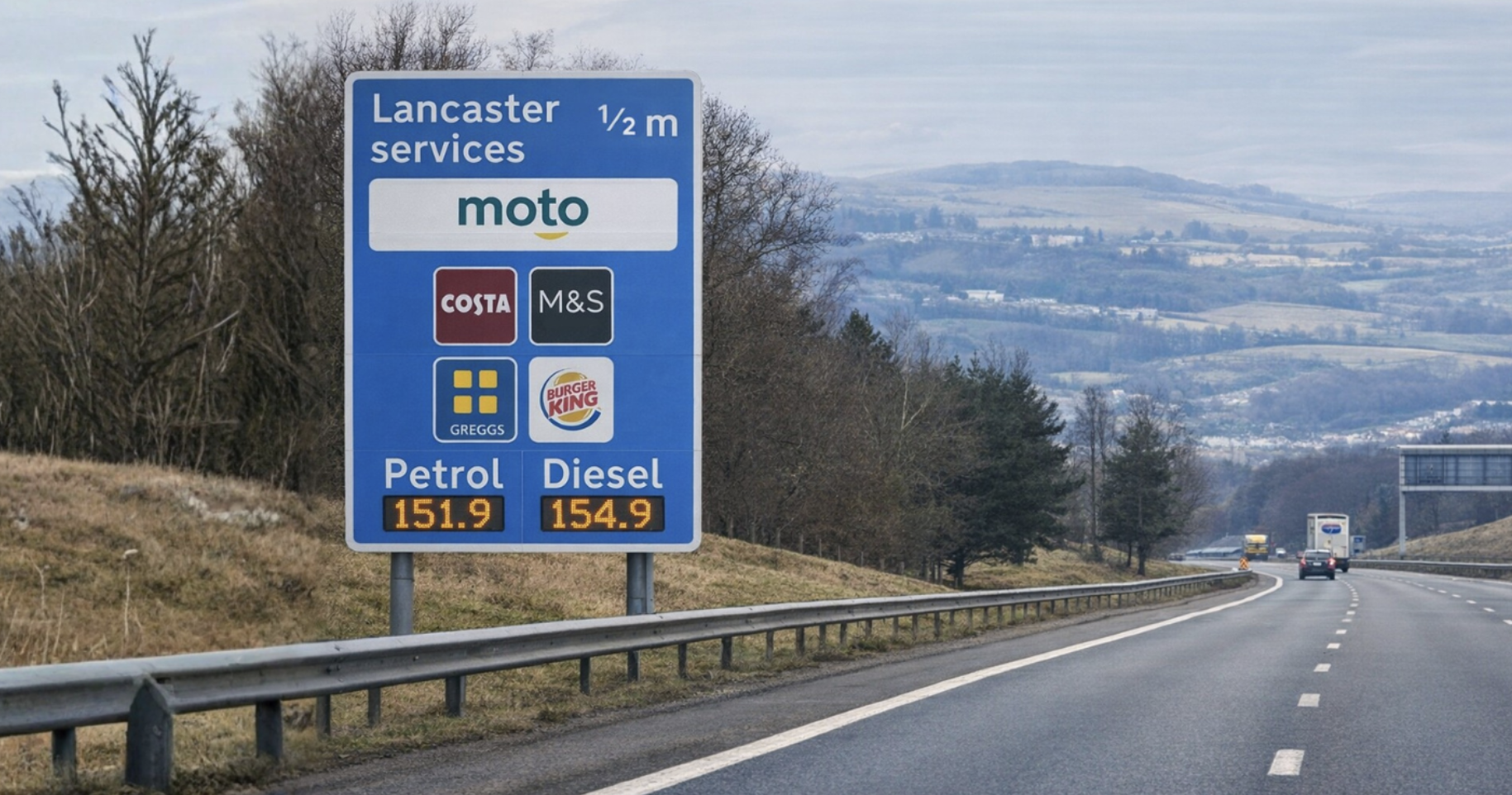
Fuel Cell Systems has supported SWARCO UK & Ireland Ltd in deploying the first fuel cell-powered traffic management equipment on the National Highways network.
The milestone installation marks a significant step towards reducing emissions from roadside infrastructure, replacing traditional diesel-powered systems with a cleaner, low-emission alternative.
Tackling Off-Grid Power Challenges

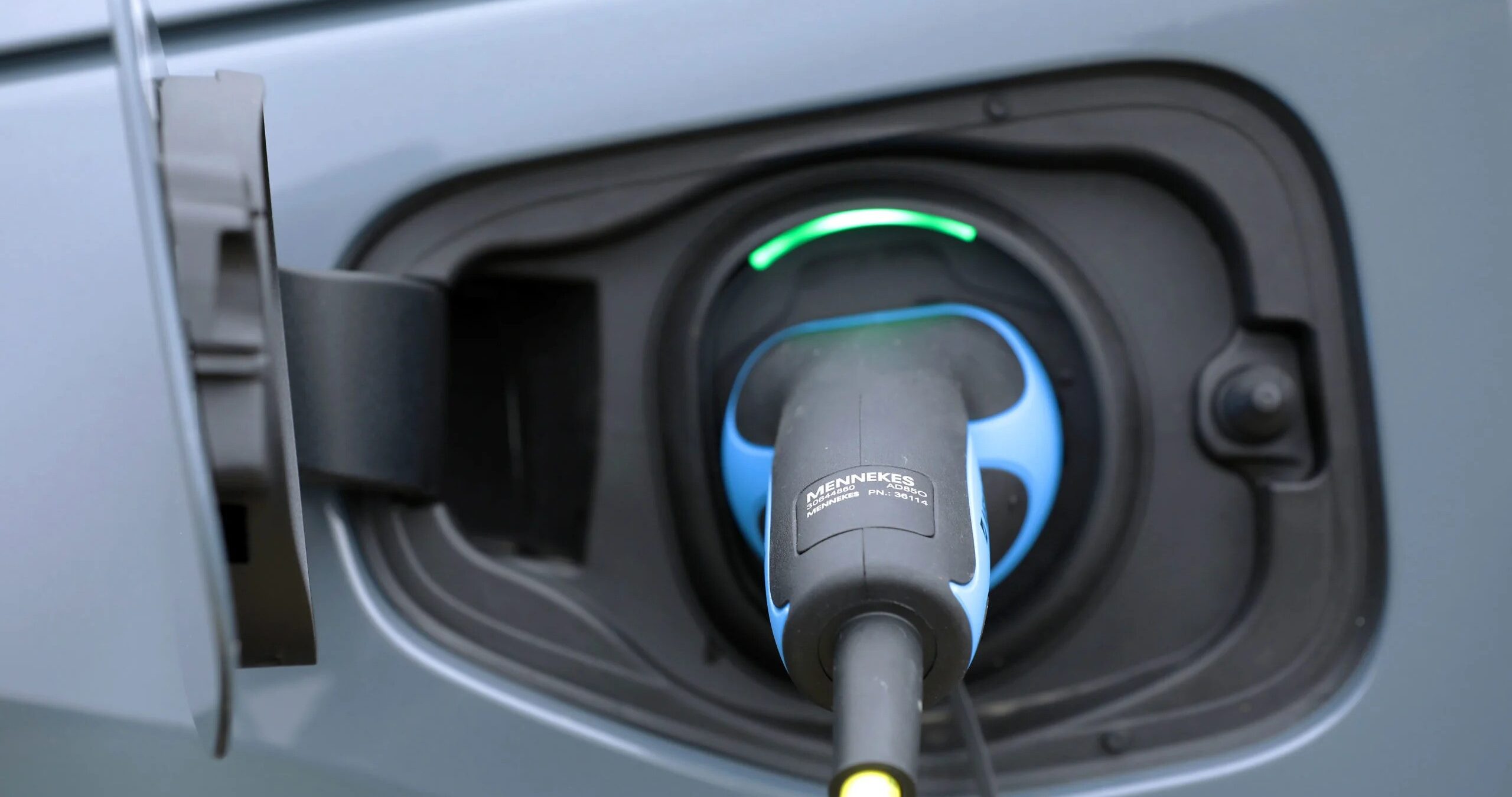
Image: Fuel Cell Technology
Traffic management systems often require reliable, continuous low-voltage power in locations without access to mains electricity. Historically, this has meant relying on diesel generators, which generate high emissions and require frequent maintenance. While renewable solutions such as solar can be used in some cases, they are often limited by weather conditions and site constraints.
At M6 Lancaster Motorway Services, Fuel Cell Systems has enabled SWARCO to overcome these challenges by installing an EFOY Pro 12000. The system provides continuous, weather-independent power to variable message signage (VMS), which displays fuel price information to passing motorists.
The fuel cell operates as a smart battery charger, monitoring and maintaining battery voltage as required. This approach maximises battery life, improves efficiency and reduces the need for refuelling—particularly valuable in hazardous roadside environments.
Cleaner, Quieter and More Efficient
Unlike conventional internal combustion engines, direct methanol fuel cells (DMFCs) generate electricity without burning fuel. As a result, they produce only water and near-zero carbon emissions. They also have very few moving parts, significantly reducing noise and maintenance requirements compared with diesel generators.
Paul Calvert, project support manager at SWARCO UK & Ireland, said: “With the support of Fuel Cell Systems, SWARCO gained approval to install the first fuel cell powered equipment on the National Highways network. This was following a thorough review and approval process.”
Supporting Sustainable Infrastructure
Dr Lee Juby, CEO at Fuel Cell Systems, added: “Our local technical support and straightforward product integration helped greatly with the National Highways approval process. As highway authorities across the UK seek cleaner alternatives to diesel generators for off-grid applications, fuel cells offer a proven, reliable solution. The success of this installation demonstrates that fuel cell technology can support the UK’s transport infrastructure sustainability goals.”
The deployment highlights the growing role of hydrogen and fuel cell technologies in decarbonising transport infrastructure, particularly in remote or off-grid locations where traditional power sources are impractical. As demand for cleaner, more efficient solutions increases, fuel cells are expected to play an increasingly important role in supporting the UK’s transition to sustainable road networks.