

Roads Research Alliance accelerates innovation on road network
A pioneering collaboration between National Highways, industry leaders and the University of Cambridge is accelerating research and innovation to tackle some of the biggest challenges facing England’s road network.

The Roads Research Alliance (RRA), the first partnership of its kind, brings together expertise from engineering, digital technology and academia to develop practical solutions that improve network productivity while advancing decarbonisation, climate resilience and digital transformation across the roads sector.
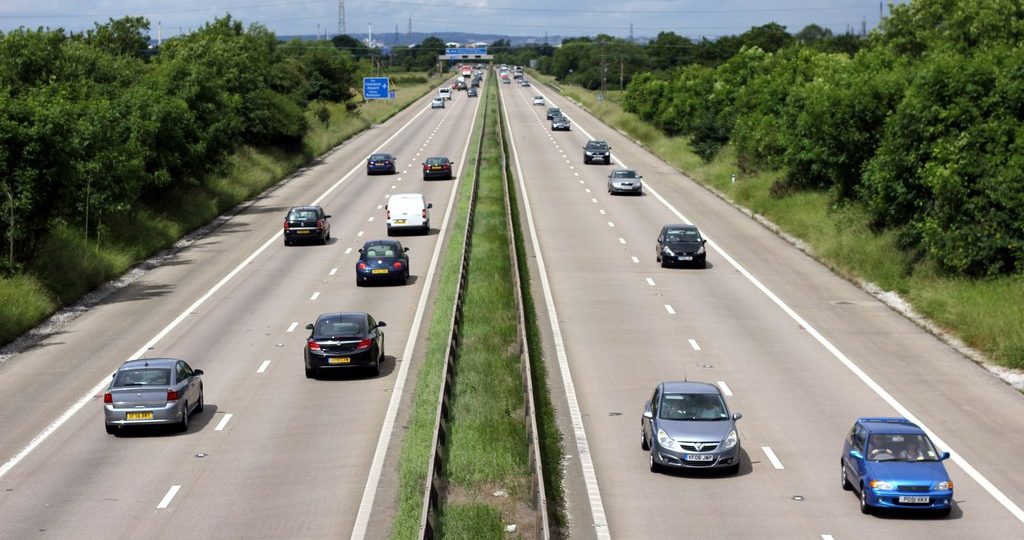
With traffic on England’s roads projected to increase by up to 54% by 2060, the demand for smarter, more resilient infrastructure has never been greater. In response, the RRA is adopting a stronger outcomes-driven approach, helping turn cutting-edge research into practical technologies that can be rapidly deployed across the strategic road network. The alliance is also expanding its research partnerships, bringing together universities and organisations with the expertise to deliver real-world innovation.
Mike Wilson, Chief Engineer at National Highways, said: “We’re facing significant challenges in the coming years, and we won’t meet them by standing still. The collaboration between industry and academia is key to ensuring we keep pace with a rapidly changing world. What makes the RRA distinctive is the quality of the partnerships – industry and academic partners aren’t just contributing funding, they’re bringing their people, their expertise and their real-world challenges. That’s what turns research into something the sector can actually use.”
Professor Ioannis Brilakis from the University of Cambridge added: “The Roads Research Alliance (RRA) is a unique opportunity to establish a collaborative research and development mechanism to help advance innovations across the transport sector towards market readiness. The RRA has undertaken significant work to setup the foundations for this with support from the University of Cambridge led Future Roads Fellowships Programme. The latest developments continue to demonstrate the value innovation and collaboration have on the future of road infrastructure.”
The latest RRA research has delivered significant progress across several priority areas, including asset management, sustainable construction, climate adaptation and digital innovation.
Among its most promising developments is an AI-enabled pavement assessment tool capable of analysing road condition data in near real time. The technology reduces inspection times from hours to seconds, enabling National Highways to identify defects more quickly, prioritise repairs more effectively and lower maintenance costs.
The alliance has also developed advanced digital twin technology, creating real-time digital models of roads and infrastructure that can predict failures before they occur. Successfully tested on live routes including the A55 and M11, the technology uses live data to target maintenance where it is needed most, helping to minimise disruption, extend the lifespan of assets and reduce maintenance expenditure.
To improve resilience against increasingly frequent extreme weather events, researchers have created new flood resilience tools that assess how roads perform during flooding and heavy rainfall. The modelling identifies vulnerable locations before severe weather strikes and predicts the impact of flooding on journey times, enabling National Highways to prioritise investment and reduce the economic consequences of road closures.
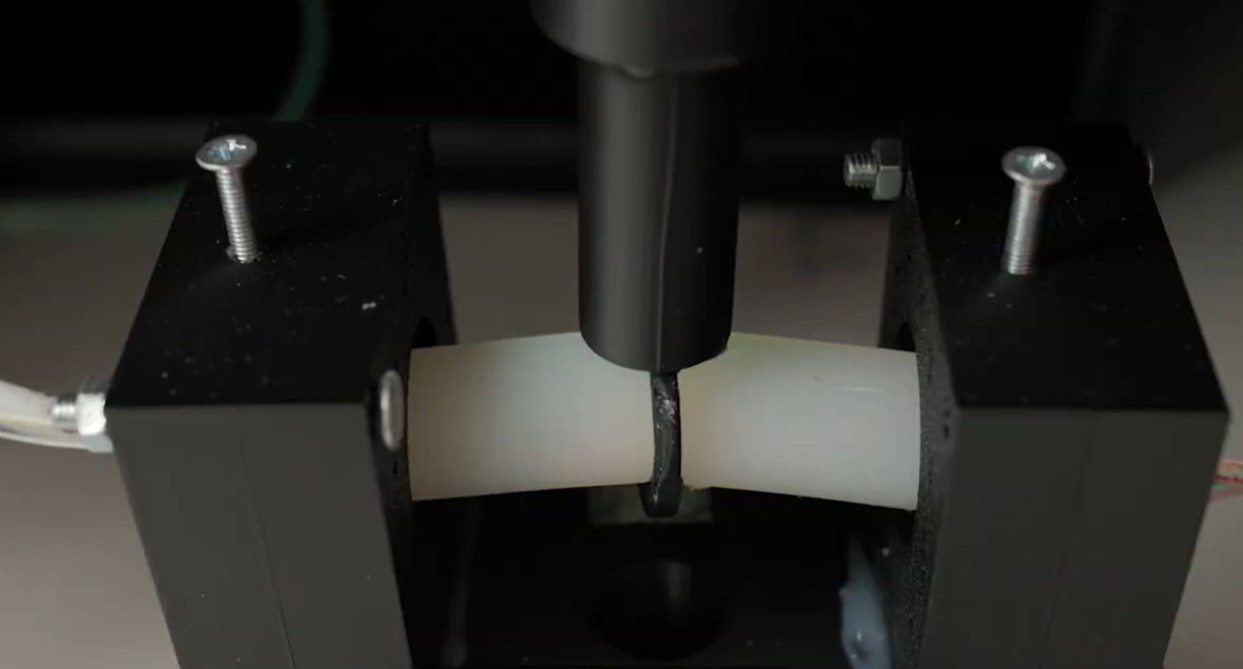
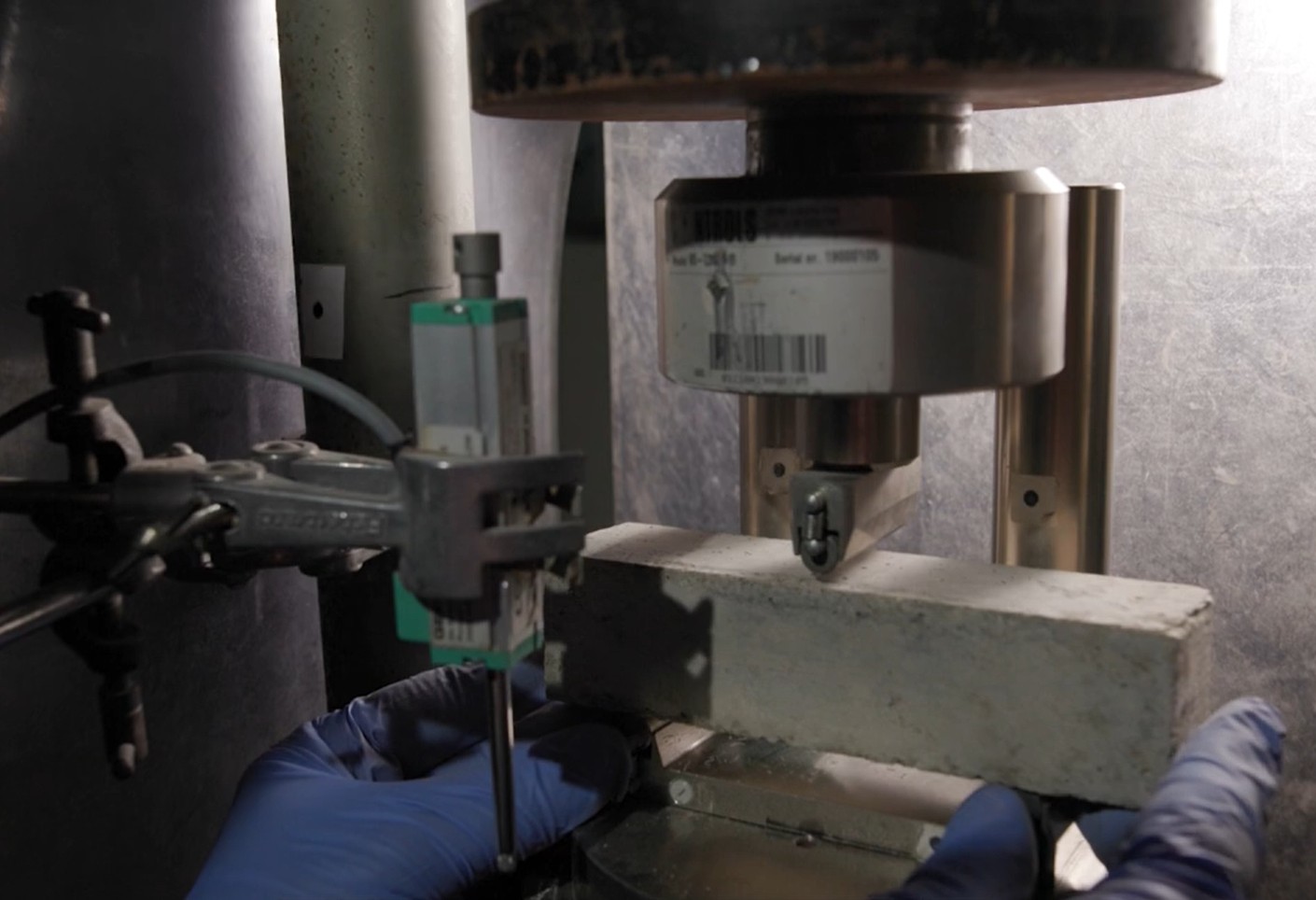
The programme has also made significant advances in sustainable road construction by developing lower-carbon materials, including pavements made from 100% reclaimed asphalt and alternative concrete products that reduce reliance on carbon-intensive construction materials. These innovations support National Highways’ ambition to decarbonise road construction and maintenance by 2040 while helping to reduce long-term material and operational costs.
As England’s road network faces increasing demand, the Roads Research Alliance is demonstrating how collaboration between industry and academia can accelerate innovation, improve infrastructure resilience and deliver more sustainable, efficient roads for the future.