

AA Issues Driving Advice as Storms Austen and Bóelo Hit the UK
The AA is urging drivers to prepare for challenging conditions on the roads as Storm Austen, the first named storm of the 2026/27 season, brings strong winds across southern England and Wales and heavy rain to parts of Scotland today (Friday), with Storm Boelo set to follow this weekend.
Strong winds associated with Storm Austen are affecting southern England and Wales, while a Yellow warning for heavy rain is in place across parts of southern, central and north-east Scotland until the end of Friday.
Storm Boelo set to bring strong winds this weekend
Drivers planning weekend journeys are also being advised to keep a close eye on the forecast, with Storm Boelo expected to bring another period of strong and potentially disruptive winds.
Yellow wind warnings for Storm Boelo come into force from 6pm on Saturday, with strong winds expected across northern parts of the UK into Sunday evening.
The AA is advising drivers to check the latest weather and traffic information before setting off and allow extra time for journeys. Motorists can use The AA app or AA RoutePlanner to check their route for traffic, delays and incidents before setting off.
Driving in strong winds
Strong crosswinds can make driving particularly difficult on exposed roads and bridges, while sudden gusts can affect vehicles as they emerge from sheltered stretches of road or pass large vehicles.
High-sided vehicles, caravans and trailers can be particularly vulnerable to crosswinds. Drivers should also give cyclists and motorcyclists additional space as they can be pushed sideways by sudden gusts.
Drivers can find more AA advice on driving safely in strong winds, including how to prepare for a journey and what to do if conditions become difficult.
Driving in heavy rain and floodwater
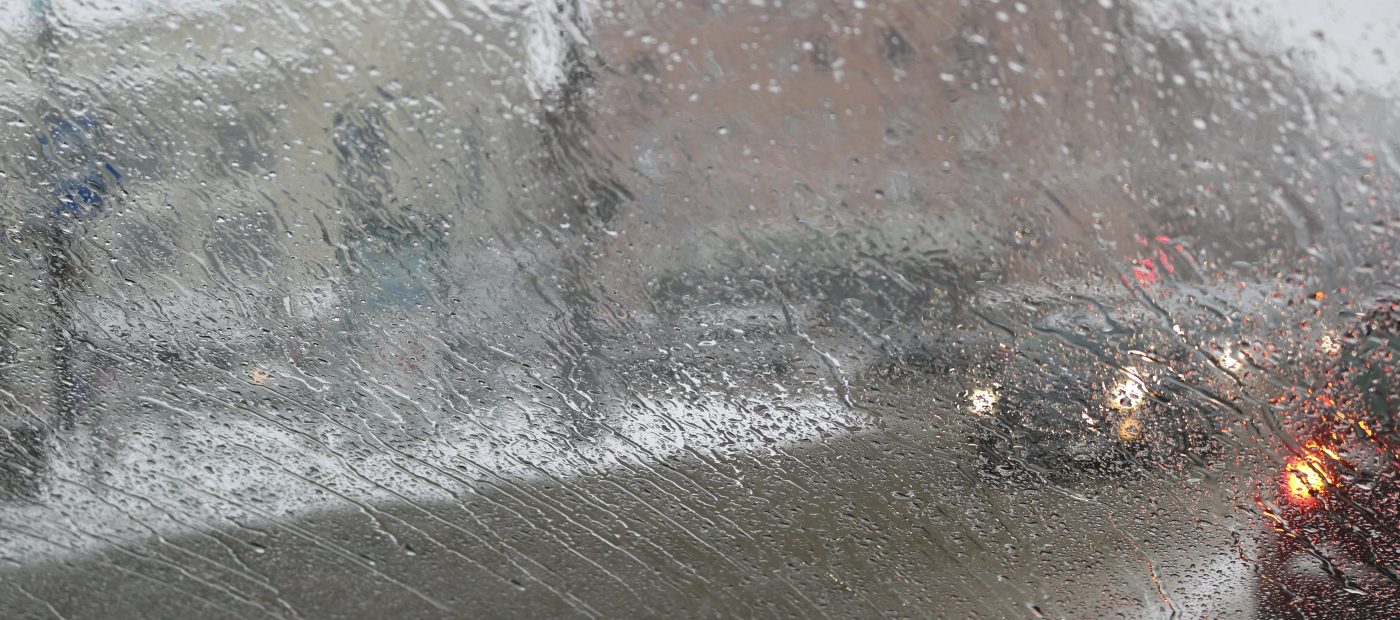
Heavy rain can create further hazards, reducing visibility and grip and leaving standing water on roads. Stopping distances on wet roads can be at least twice those on dry roads, so drivers should reduce their speed and increase the distance between themselves and the vehicle ahead.
Drivers should never attempt to drive through floodwater if they do not know how deep it is. Standing water can also conceal potholes and increase the risk of aquaplaning. More AA advice on driving through floodwater explains the risks and what drivers should do if they encounter a flooded road.
Before setting off, motorists should check their tyres, lights and windscreen wipers, ensure their mobile phone is charged and make sure they have enough fuel or EV charge to cope with delays or diversions.
Lee Morley, AA expert patrol, said: “Don’t underestimate the conditions. A journey can change very quickly when strong winds and heavy rain hit, particularly on exposed stretches of road.
“Before setting off, check the latest weather and traffic information and give yourself more time for the journey. Once on the road, reduce your speed, keep both hands firmly on the steering wheel and leave plenty of space between you and the vehicle in front.
“Sudden gusts can catch drivers by surprise, especially when coming out from behind buildings or trees, crossing exposed bridges or passing high-sided vehicles. Give cyclists and motorcyclists plenty of extra room too.
“If you encounter floodwater and you don’t know how deep it is, don’t take the risk. Turn around and find another route.
“Storm Austen is affecting journeys today, but drivers also need to keep an eye on Storm Boelo this weekend. Check the forecast before setting off and be prepared to change your plans if conditions deteriorate.”
AA advice for driving in strong winds and heavy rain
Plan ahead: Check the latest weather warnings and traffic conditions before setting off. Use The AA app or AA RoutePlanner to check your journey for traffic, delays and incidents. Allow extra time and be prepared for delays, diversions or road closures.
Reduce your speed: Strong gusts can push vehicles off course with little warning. Keep both hands firmly on the steering wheel and take particular care on exposed roads and bridges.
Give others space: Leave additional room around cyclists, motorcyclists, high-sided vehicles, caravans and trailers, which can all be particularly affected by crosswinds.
Increase following distances: Wet roads reduce grip and stopping distances can be at least twice those on dry roads.
Avoid floodwater: Never drive into floodwater when you cannot judge its depth. Turn around and find another route.
Watch for debris: Strong winds can bring branches and other debris onto the carriageway, while standing water can conceal potholes.
Prepare your vehicle: Check tyres, lights and windscreen wipers before setting off. Charge your phone and make sure you have sufficient fuel or EV charge for unexpected delays or diversions.
If you aquaplane: Ease gently off the accelerator, keep the steering steady and avoid braking sharply until the tyres regain grip.