
Polestar 4 brings estate car practicality to the electric SUV
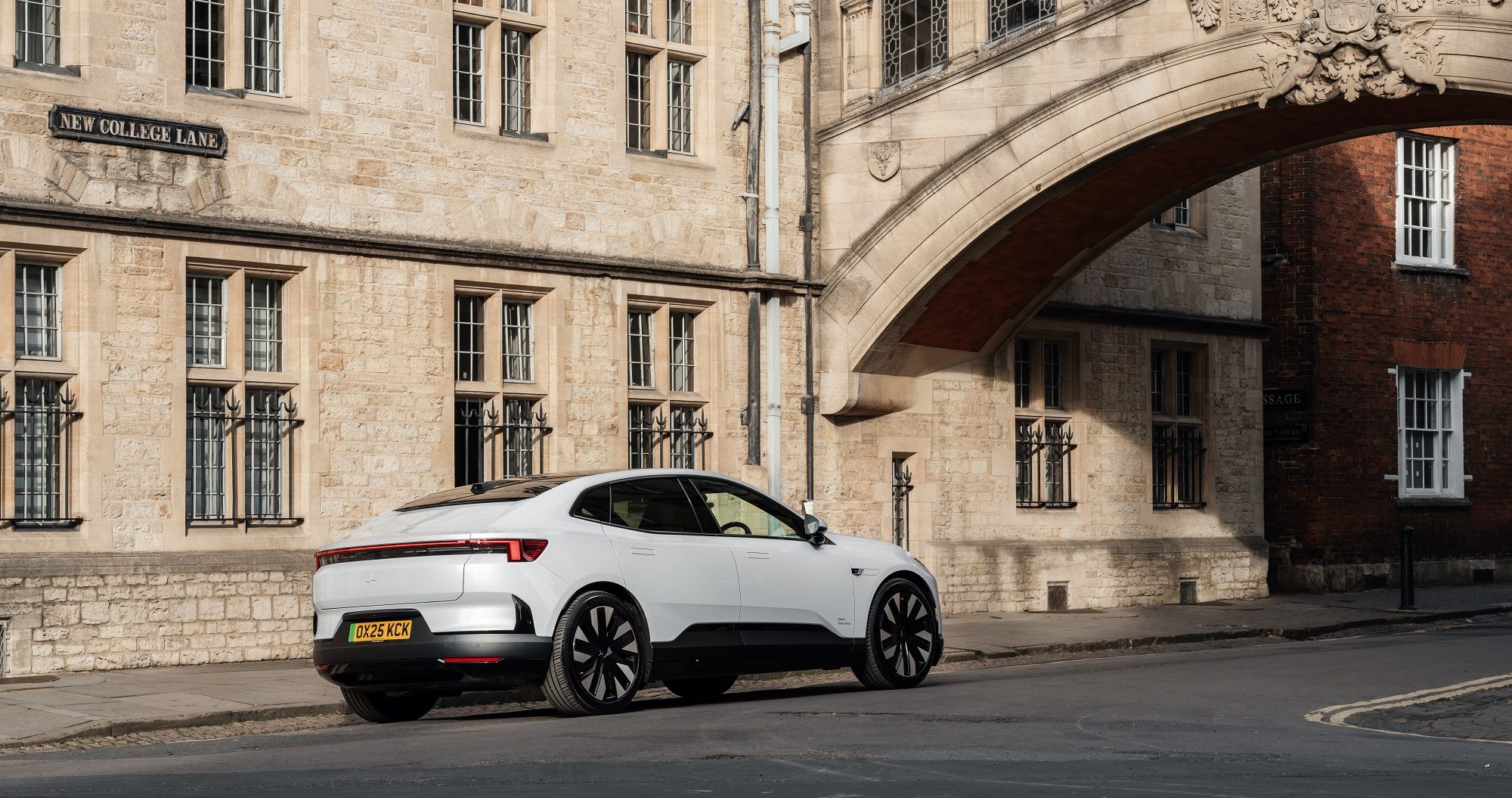
The estate car may be making a comeback – but not necessarily in the traditional form. As electric vehicles reshape the market, Polestar 4 is combining the practicality traditionally associated with an estate with the styling, driving position and presence of an SUV.
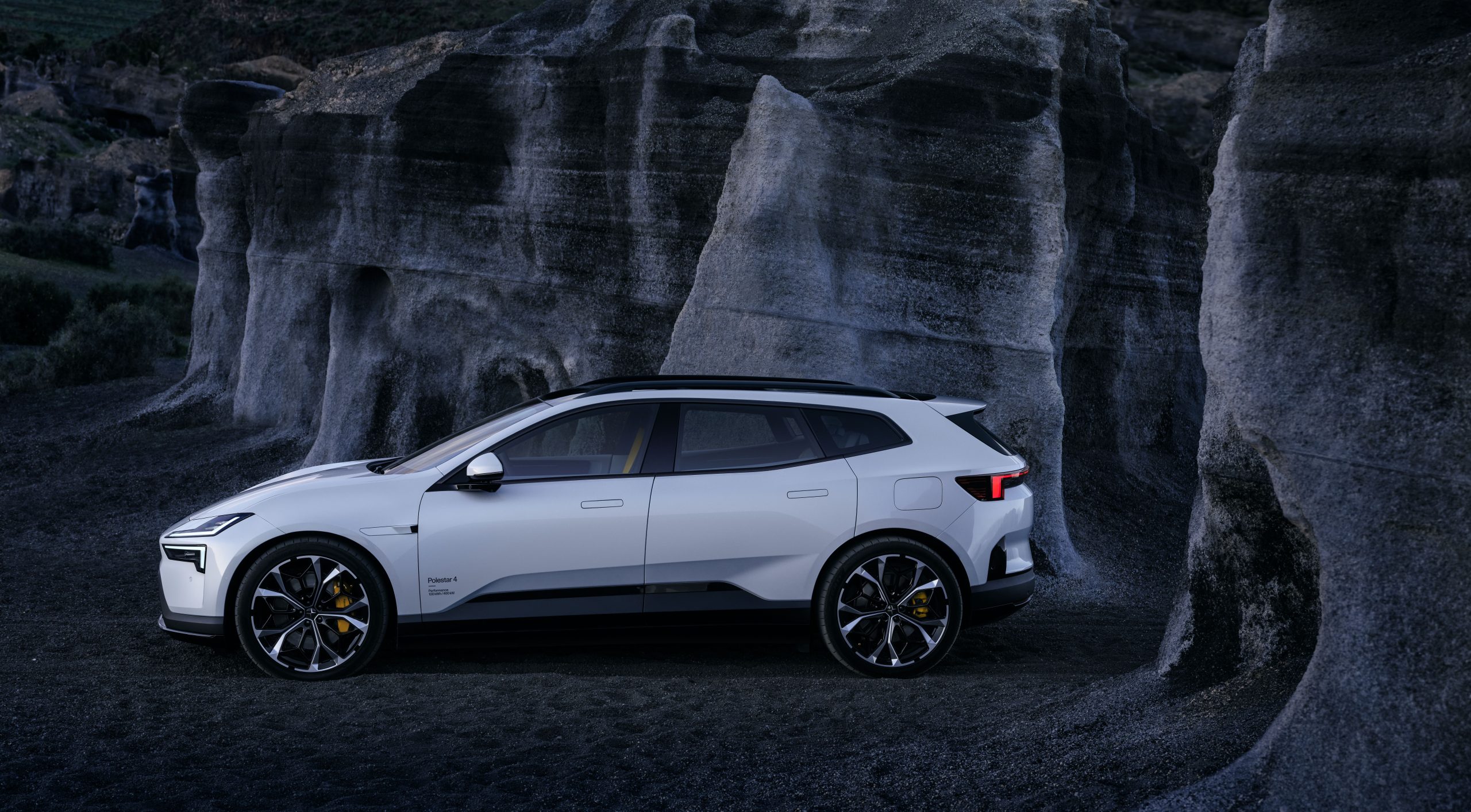
For years, the estate appeared to be heading for extinction as SUVs became increasingly popular with British drivers. Their combination of comfort, versatility and commanding road presence encouraged manufacturers to reduce the number of estate models available.
However, demand for practical cars has not disappeared. Despite having fewer models to choose from, estates remained the second most searched-for body style in the UK in 2025, accounting for 18% of searches, according to the figures supplied by Polestar. SUVs remained the most searched-for body style at 36%.
That enduring interest highlights the appeal of the estate formula: generous luggage capacity, flexible interiors and the ability to accommodate the demands of everyday family life.
The estate has particularly strong associations with Swedish automotive design, where understated styling and everyday practicality have traditionally been important characteristics.
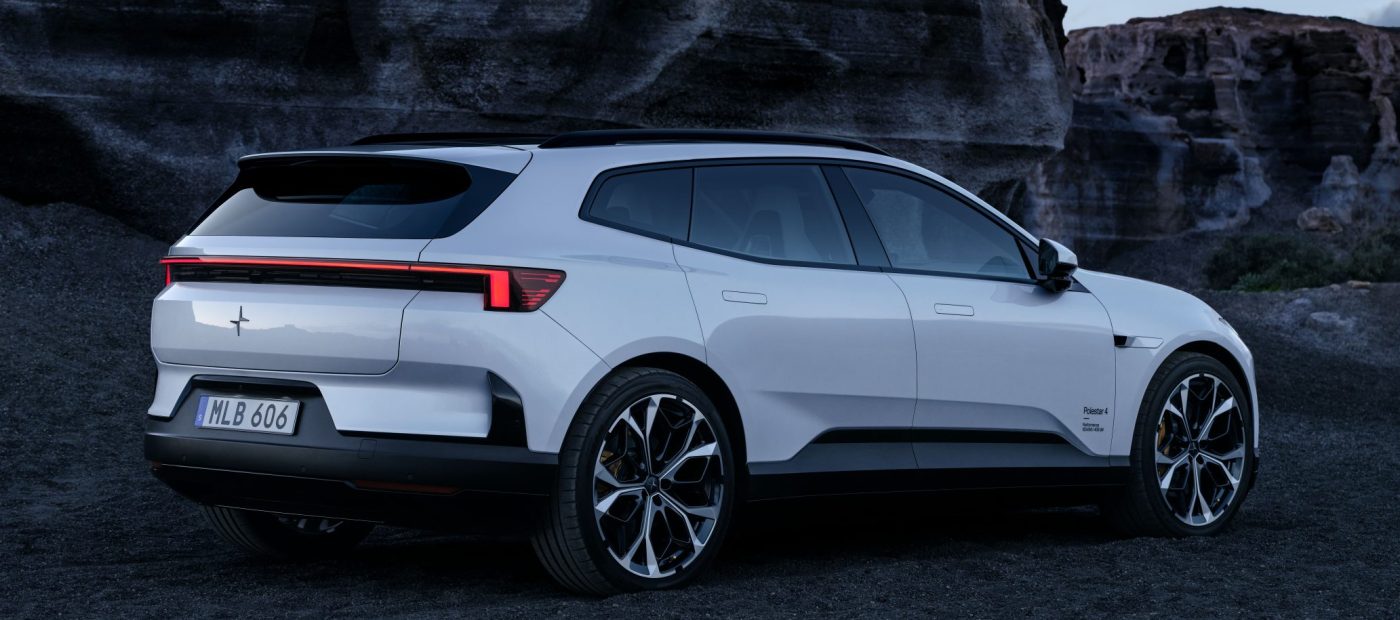
Polestar has taken those principles and adapted them for the electric era with the Polestar 4 SUV. Its straighter roofline and more upright profile provide additional interior and loading space while retaining the distinctive design, aerodynamic efficiency and performance associated with the model.
The result is a vehicle aimed at drivers who want the practicality of an estate without moving away from the increasingly popular SUV format.
The Polestar 4 offers up to 1,680 litres of storage, together with a glass rear hatch, full-length roof rails and a broad rear opening designed to make loading easier.
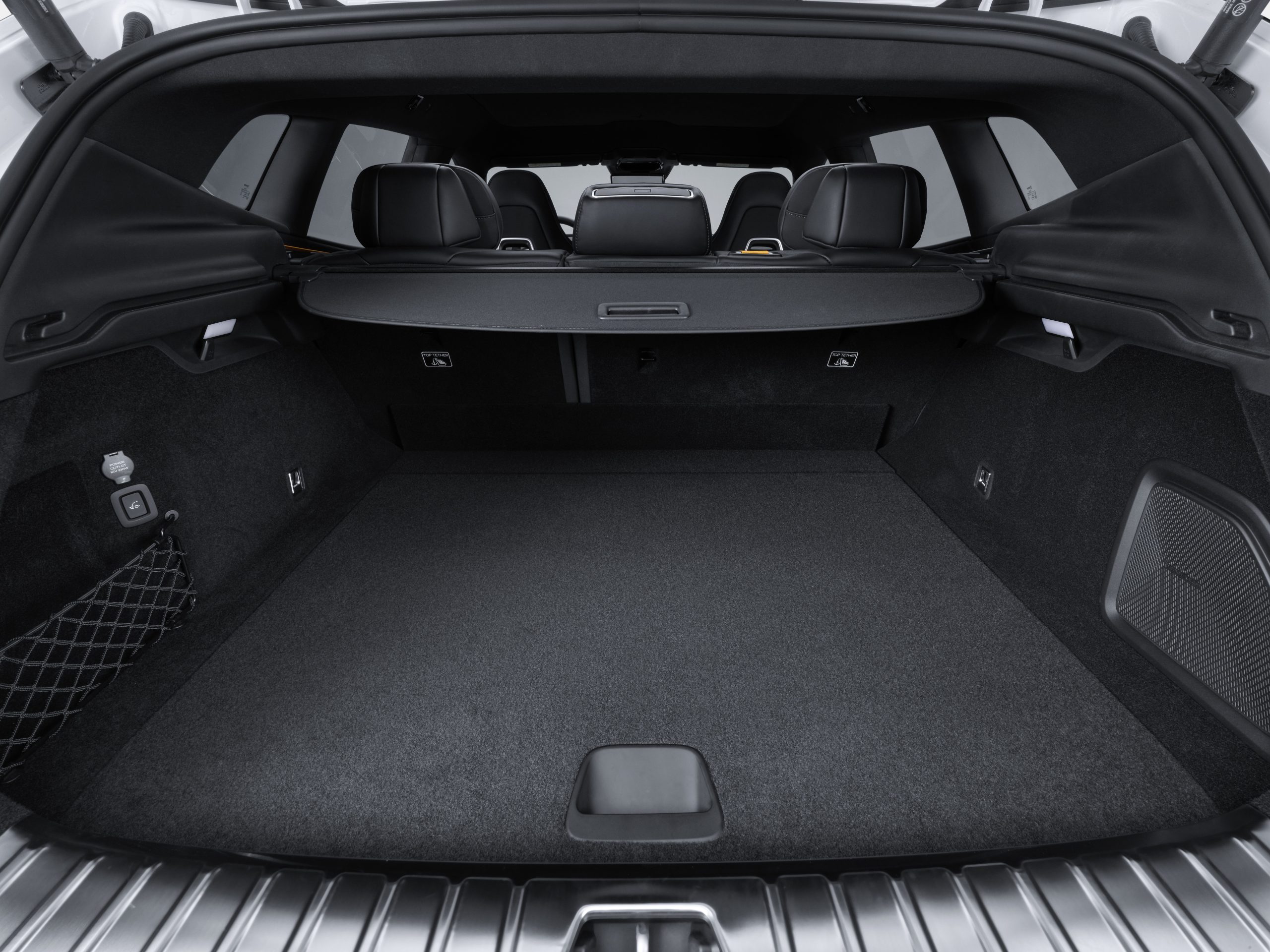
That capacity provides space for everything from luggage and weekly shopping to bicycles, camping equipment and cool boxes, making the vehicle particularly suited to active families.
Inside, the Polestar 4 provides a spacious, lounge-like cabin designed to give passengers greater comfort on longer journeys. The combination of additional space and flexible storage is intended to make the vehicle better suited to the demands of family life.
Polestar has also equipped the SUV with features aimed at making it useful away from the road. Its Camping Mode can maintain the cabin temperature overnight, allowing occupants to keep the interior warm in colder conditions or cool when temperatures rise.
The vehicle can also function as a mobile power source through Vehicle-to-Load (V2L) technology. This allows energy stored in the battery to power or charge external equipment, potentially making the Polestar 4 useful at campsites, outdoor events or locations where access to mains electricity is limited.
V2L is an increasingly interesting feature of modern electric vehicles because it highlights how an EV can serve a purpose beyond transportation. The battery can become an energy resource that can be used when the vehicle is parked.
Polestar is also highlighting the vehicle’s suitability for dog owners. The larger loading area can accommodate dog crates, beds, water bowls and other equipment, while the broad rear opening makes it easier to load larger dogs.
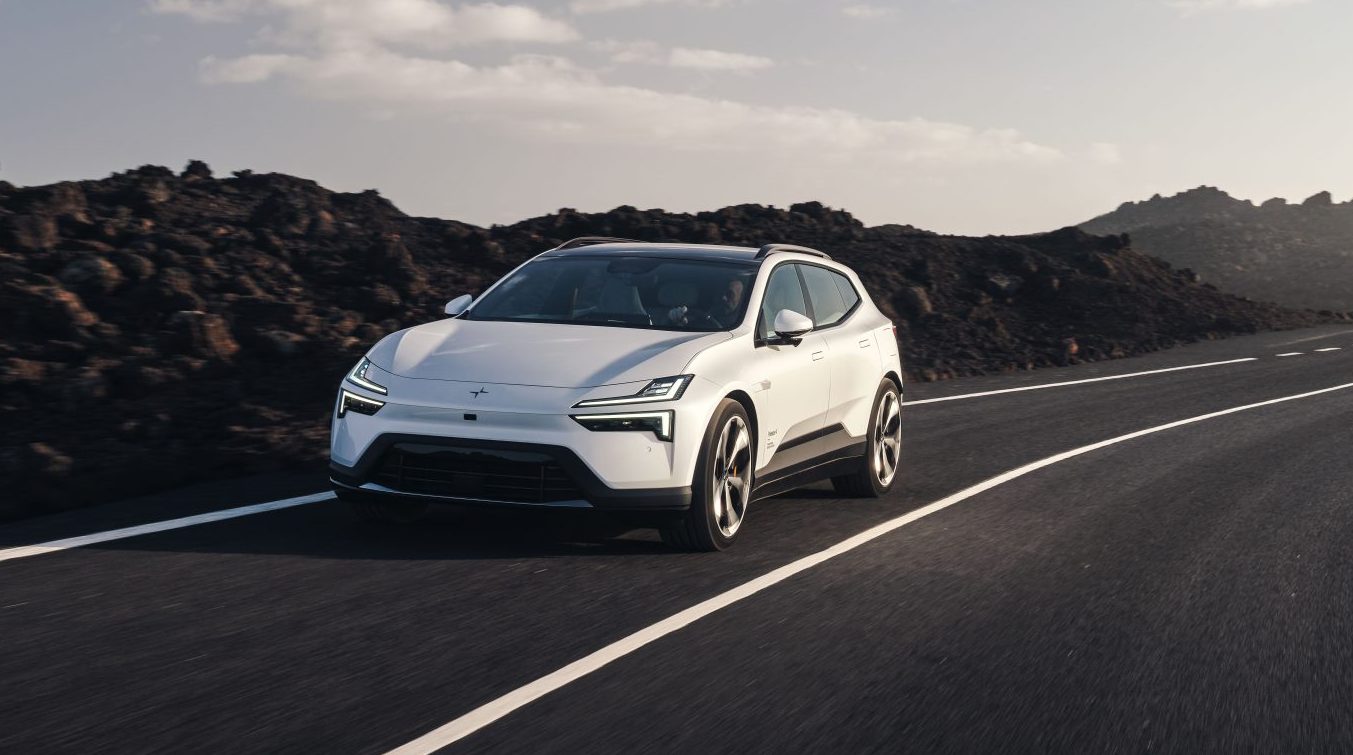
The glass rear hatch also provides dogs with a view outside, potentially making journeys more comfortable for four-legged passengers.
For drivers who need to balance family, leisure and everyday practicality, these details demonstrate how the Polestar 4 is intended to provide some of the functionality traditionally associated with an estate car.
The Polestar 4 also offers drivers a choice between a conventional view through the glass rear hatch and an optional 8.9-inch digital rear-view mirror.
The digital system can provide a clear view behind the vehicle when the luggage area is fully loaded, while also being useful when visibility through the rear window is compromised by conditions such as frost.
That flexibility is particularly relevant to a vehicle designed around both passenger comfort and carrying capacity, where a fully loaded boot could otherwise restrict the driver’s rearward view.
Matt Galvin, Managing Director of Polestar UK, comments: “The Polestar 4 SUV combines the usability of an estate with the presence of an SUV, while delivering the design, performance and sustainability drivers expect from a Polestar. It’s about taking the best qualities of both, delivering enhanced practicality for the modern family. And of course the car has the ‘look back factor’ every time you walk away.”
The Polestar 4 reflects a broader change in the way manufacturers are approaching electric vehicle design. Rather than simply replacing petrol and diesel cars with electric equivalents, manufacturers are using the flexibility of EV platforms to rethink how vehicles are packaged and used.
For drivers who still value the practicality of an estate but prefer the styling and driving position of an SUV, models such as the Polestar 4 could represent a new interpretation of the traditional family car.
The estate may not be returning exactly as it was, but its most useful qualities – space, versatility and everyday usability – are clearly finding a new home in the electric SUV market.