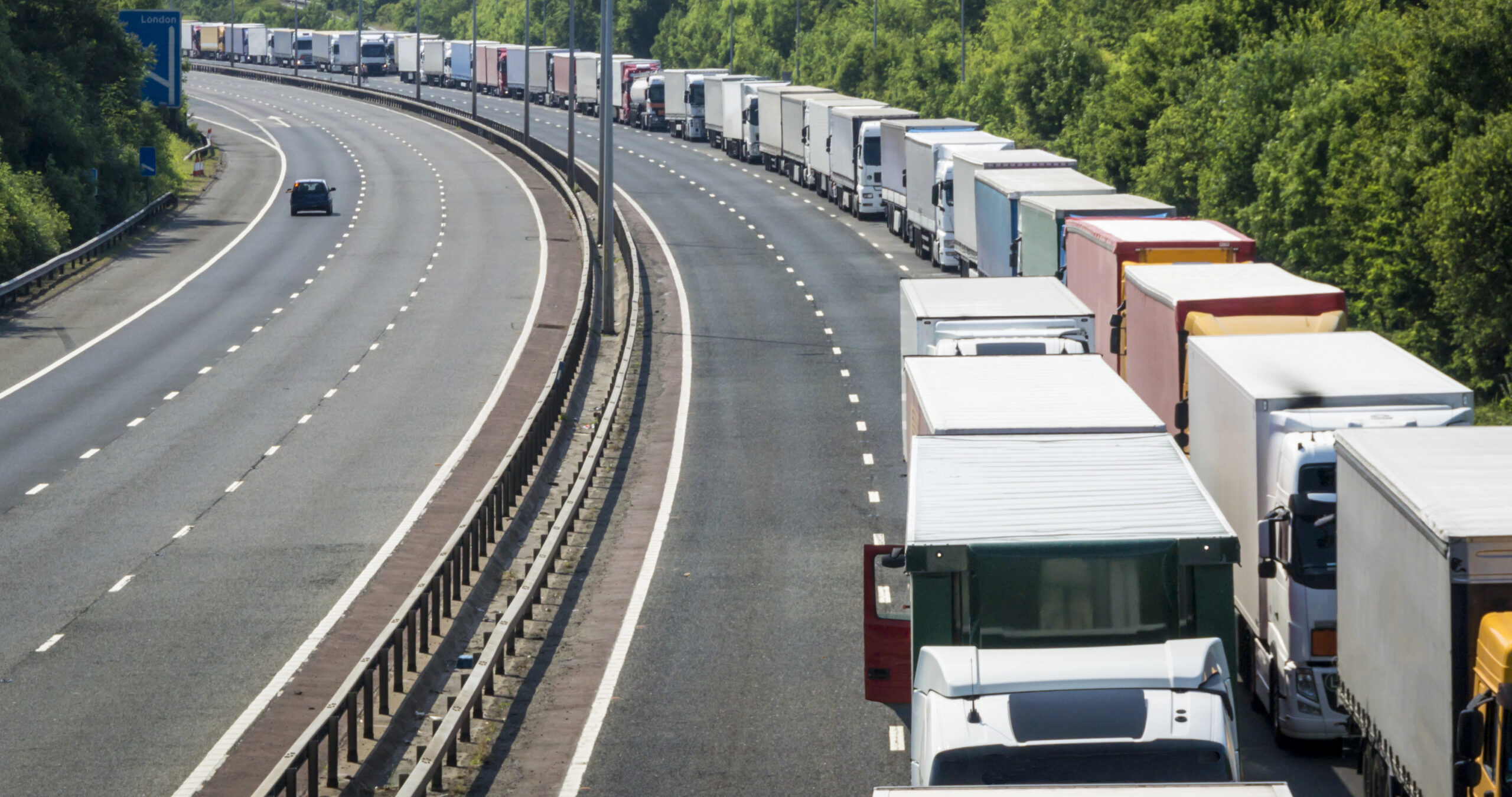


UK–EU trade remains a cornerstone of the British economy, with goods worth around €505 billion moving between the two markets every year, much of it transported by road freight. As global economic and political uncertainty grows, maintaining a strong trading relationship between the UK and the European Union is increasingly important for economic stability, job creation and supply chain security.
The EU remains the UK’s largest trading partner for goods. At the same time, the UK is the EU’s biggest export market after the United States and China, and the market where it records its largest trade surplus. This interdependence highlights the importance of ensuring trade continues to flow smoothly across borders.
However, despite the scale of the relationship, UK–EU goods trade has not fully recovered since the UK left the EU. Current levels remain around 18% lower than before Brexit, with increasing pressure within the road freight sector making international work less attractive for some UK operators.
The Road Haulage Association (RHA) supports the ongoing UK–EU Reset negotiations aimed at improving the relationship and easing trade barriers. However, the organisation warns that any meaningful progress must address the underlying challenges facing supply chains, particularly around workforce capacity and resilience.
A major issue is the growing shortage of professional drivers. In the UK alone, the sector needs to recruit around 40,000 new drivers each year simply to maintain the current workforce. Across the EU, the challenge is even greater, with an estimated shortfall approaching 500,000 drivers due largely to an ageing workforce and declining recruitment.
Professional drivers are the backbone of international logistics, and improving their ability to work across borders is essential to keeping supply chains moving. To address this, the RHA recently travelled to Brussels to meet with the European Commission’s Directorate-General for Home Affairs and advocate for improved access for British drivers operating within the EU.
One of the key issues raised is the rule limiting non-EU nationals to 90 days within any 180-day period in the Schengen area. The RHA continues to campaign for a professional drivers’ exemption from this restriction, which currently creates operational challenges for UK-based drivers undertaking regular international work across Europe.
Removing this limitation for road freight, van and coach drivers would help maintain the efficient movement of goods and passengers between the UK and EU. It would also support tourism and cross-border logistics operations that rely heavily on professional drivers who need to move freely between multiple countries.
Encouragingly, the European Union’s recently introduced Visa Strategy recognises the importance of highly mobile professions, including truck drivers. This acknowledgement provides an opportunity for policymakers to develop more practical arrangements that reflect the realities of modern logistics and international transport.
Working alongside partners at the International Road Transport Union (IRU), the RHA has been actively promoting the case for reform during discussions in Brussels. The organisation believes that improving driver mobility would strengthen UK–EU supply chains, support economic recovery and help address driver shortages on both sides of the Channel.
As negotiations around the UK–EU relationship continue, the RHA says ensuring drivers can operate efficiently across borders must remain a priority. Supporting the workforce that keeps goods moving will be essential if both economies are to fully benefit from their long-standing trading relationship