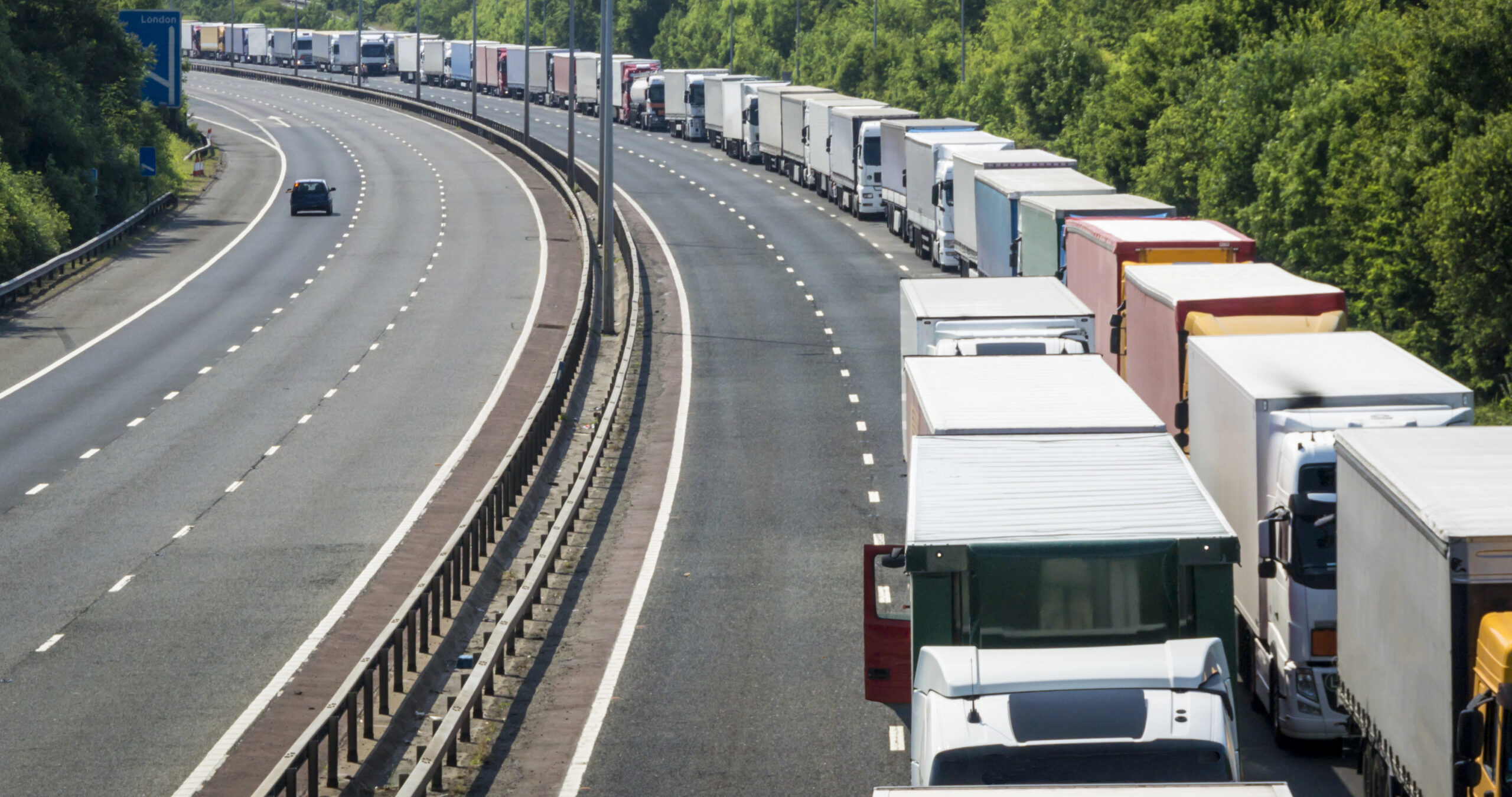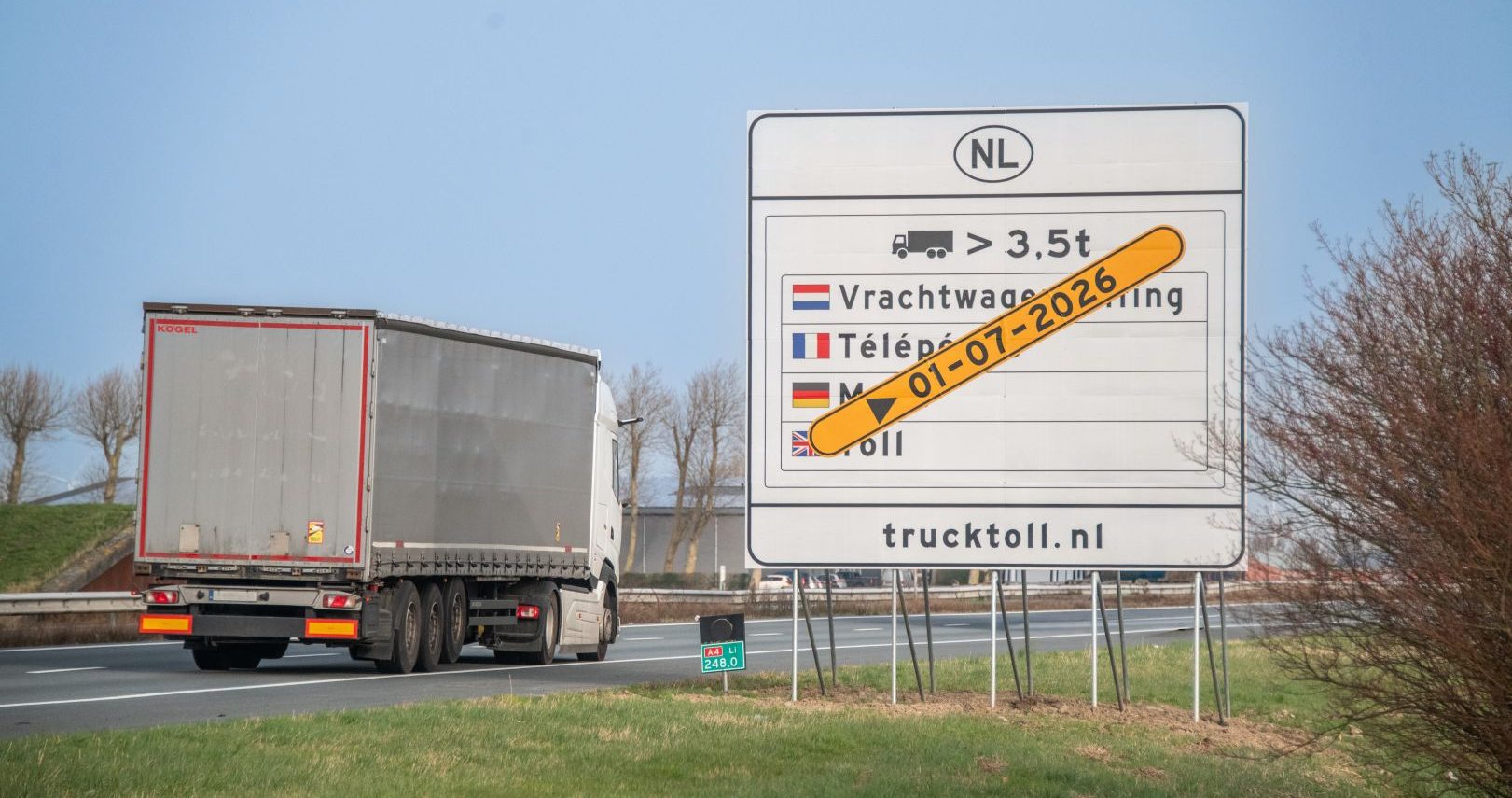

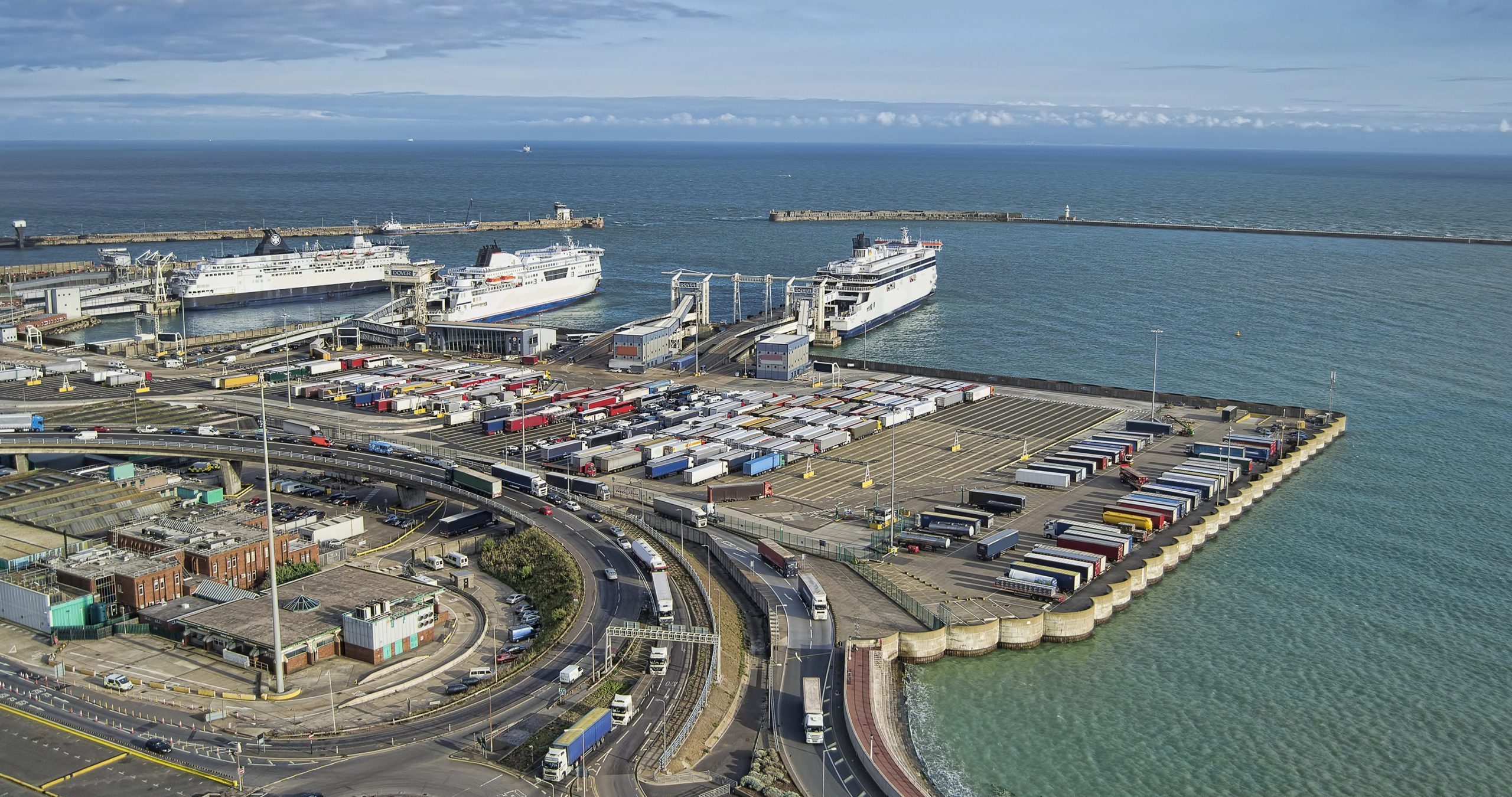
Leading UK transport and logistics organisations have united to call on the European Commission to delay full enforcement of new biometric border controls under the EU’s Entry/Exit System (EES), warning that stricter checks could disrupt trade, threaten supply chains and put jobs at risk.
From 10 April, EU member states will strictly apply rules limiting UK nationals to 90 days within any 180-day period once the EES becomes fully operational. The system, which has been phased in since October, introduces biometric data collection at EU borders for third-country nationals, including British travellers and drivers.
Supply Chain Disruption Fears
Industry leaders say tighter enforcement of the so-called 90/180 rule will leave many UK transport operators without enough eligible drivers to move goods and passengers across Europe. As a result, businesses reliant on seamless cross-border trade could face serious operational and financial consequences.
In a joint letter to Maroš Šefčovič, Commissioner for Trade and Economic Security, trade bodies called for immediate short-term easements, alongside a longer-term solution that would secure an exemption for professional drivers.
The coalition is urging the Commission to suspend any fines or penalties for breaching the 90-day threshold for at least the first two years of enforcement. They also want border authorities across member states to apply a “light-touch” approach during peak travel periods and times of significant disruption to prevent congestion and delays.
Additionally, the group has proposed developing a pre-registration app that would allow drivers and travellers to submit biometric data off-site, reducing processing times at border crossings.
Wider Impact on EU Industries
The letter highlights that the impact of stricter enforcement will not be limited to UK operators. Transport-dependent industries across the EU — including events, leisure and tourism — could also feel the effects of driver shortages and border delays.
The trade bodies noted that the European Commission itself acknowledged these challenges in its EU Visa Strategy published last month.
Industry Leaders Speak Out
Richard Smith, Managing Director of the Road Haulage Association (RHA), warned of serious financial risks for operators and their customers: “We’ve been very clear that stricter enforcement of the 90/180 rules will put UK transport operators and their customers at home and abroad at risk of insolvency when it starts in April.
“This is bad news for all parties affected but could be easily remedied through these pragmatic, short- and long-term easements to keep people and goods moving across borders so that businesses don’t fall foul of 90/180 rules.”
Richard Ballantyne, Chief Executive of the British Ports Association, emphasised the operational pressures facing ports: “As well as restricting the time British freight drivers and travellers can spend in the EU, the EES requirements could have serious implications on the flow of vehicles through European borders. This could be particularly challenging for those ports with juxtaposed controls here in the UK and we need meaningful solutions to ensure trade and passenger movements are not negatively impacted.”
Andrew Large, Director General of the British Association of Removers (BAR), highlighted the effect on households and businesses relocating between the UK and EU: “The 90/180 rule is having a material impact on removals for both commercial and household customers. BAR urges reform to ensure that this rule does not stifle opportunities for people and companies to move and grow in both the UK and EU.”
Ben Fletcher, Chief Executive of Logistics UK, stressed the broader economic stakes: “Our members keep the wheels of commerce and industry moving between the UK and Europe and across the Continent, delivering all that homes, hospitals, factories and schools need every day. The EU must recognise the barriers which the 90/180 rule is placing before trade, and find an urgent solution that helps maintain the smooth movement of goods on which we all rely across our highly interconnected supply chain, on both sides of the English Channel.”
Calls for Pragmatic Solutions
The transport and logistics sector argues that practical adjustments — including temporary flexibility, suspended penalties and digital pre-registration tools — could protect both UK and EU economies from unnecessary disruption.
With the April enforcement date approaching, industry leaders are urging the European Commission to act swiftly to prevent avoidable delays at borders, safeguard jobs and maintain the efficient movement of goods and passengers between the UK and EU.