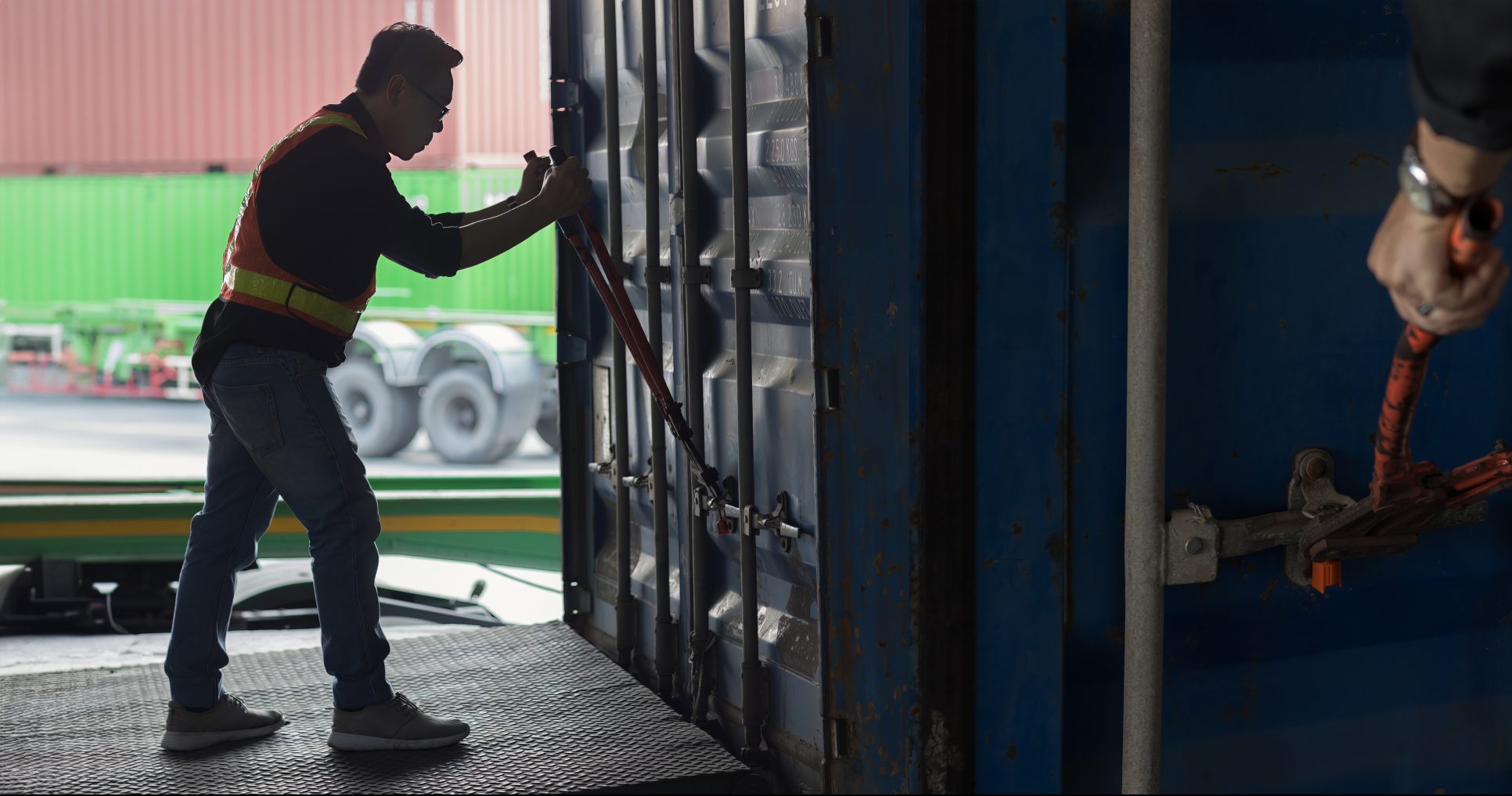


Guinness trailer theft highlights growing cargo security risks
The theft of two HGV trailers loaded with more than 800 barrels of Guinness has highlighted the continuing threat posed by cargo theft to the UK logistics industry, with the total value of the stolen goods and trailers estimated at around £205,000.
The Guinness was taken from a depot on the Whitehouse Industrial Estate in Runcorn, Cheshire, in two separate incidents on the evening of Monday 31 August. Cheshire Constabulary said the stolen beer was worth approximately £115,000, with the two trailers taking the overall value of the theft to around £205,000.
According to police, the first lorry entered the industrial estate at around 7.45pm and connected to a trailer containing Guinness before leaving at approximately 7.55pm in the direction of the Mersey Gateway.
A second lorry arrived at around 9.12pm and connected to another Guinness-loaded trailer before leaving at approximately 9.30pm, travelling towards Rainhill and Watkinson Way. The two trailers are described as white tri-axle curtain-side units carrying GXO branding; GXO Logistics has made it clear that the trailers were not under their control, management or supervision at the time of the incident.
The stolen Guinness amounted to around 70,000 pints, with the barrels understood to have been destined for pubs. Police are appealing for witnesses and motorists with dashcam footage from the area at the time of the thefts.
Detective Sergeant McClatchy said: “It is famously said that ‘Guinness is good for you’, but that is only the case when it has been bought and paid for.
“It is with this in mind that we have wasted no time in launching inquires to identify those responsible for the theft of £115,000 worth of Guinness and the two trailers that housed the barrels. We will settle for nothing less than the full recovery of all the items stolen.”
The incident is a striking example of the way organised cargo theft can target finished products that have an established market and can potentially be moved quickly through established distribution channels.
Cargo theft remains a major logistics risk
While the Guinness theft has attracted attention because of the nature and sheer quantity of the stolen product, the underlying security issue is far from unusual.
Cargo crime remains a significant problem across the UK and wider European logistics sector. Data from the Transported Asset Protection Association (TAPA) EMEA recorded more than 137,000 cargo crime incidents across more than 110 countries in the EMEA region during the two years to 30 September 2025.
The figures included 5,865 incidents in the UK. Although loss values were recorded for only 9% of those UK incidents, they represented more than €72 million of stolen goods. For UK incidents where losses exceeded €100,000, the average loss was €775,736.
TAPA’s data demonstrates the scale and variety of the threat facing supply chains. Food and drink are among the categories targeted by criminals, while theft can occur at facilities, from vehicles or through the theft of entire vehicles and trailers.
The association’s latest Cargo Crime Monitor also shows that theft from facilities accounts for the largest proportion of reported incidents, followed by theft from vehicles. Theft of trailers represents a smaller proportion of reported cases, but the Guinness incident demonstrates why trailers themselves should not be overlooked as security assets.
TAPA EMEA and the International Union of Marine Insurance warned earlier this year that cargo crime is becoming increasingly sophisticated and digitally enabled, rather than being limited to traditional theft from trucks and warehouses.
Why trailer visibility matters
For fleet operators, one of the key lessons from the Guinness theft is that securing the tractor unit is only part of the security challenge.
Trailers can contain cargo worth considerably more than the equipment itself, yet traditionally they have been harder to monitor because they do not have their own powered vehicle systems.
Aaron Jarvis, Vice President, EMEA at Geotab, said: “‘My Goodness, My Guinness’ takes on a whole new meaning when two entire trailers vanish into thin air. The Guinness heist shows how quickly cargo theft can turn into a major financial and operational loss, with the total loss reportedly estimated at around £200,000.
“One lesson for fleet operators is the importance of visibility beyond the tractor unit. Trailers and their loads can also be monitored, with tools such as location tracking, geofencing and unexpected-movement alerts helping operators identify when an asset leaves a depot at an unusual time or moves somewhere it shouldn’t.
“Dashcams can add another layer of visibility, providing video evidence around suspicious activity and helping operators understand what happened before, during and after an incident.
“Technology cannot prevent every theft, but faster visibility can give fleet and security teams a better chance of responding while an incident is happening, as well as providing useful evidence afterwards.”
Trailer telematics can provide operators with real-time information on an asset’s location and movement, while geofencing can generate alerts when a trailer moves outside a predefined area. Door sensors and cargo monitoring can provide additional information about what is happening to the load.
For logistics operators, this creates an opportunity to move from simply discovering that a trailer has disappeared to identifying potentially suspicious movement while an incident is still taking place.
A multi-layered approach to cargo security
Technology is not, however, a replacement for physical security, driver procedures, secure parking and effective site controls.
Instead, the growing complexity of cargo crime points towards a multi-layered approach in which physical security is supported by tracking, video, driver identification and real-time alerts.
Research published by Geotab in 2026 found that real-time GPS location, driver identity verification and asset-level tracking are among the capabilities that can make a difference when a theft occurs.
For fleet managers, the Guinness theft provides a timely reminder that the value of a trailer should not be measured simply by the cost of replacing the equipment.
A stolen trailer can also mean the loss of its cargo, disruption to customer deliveries, insurance costs, reputational damage and potentially significant recovery and investigation expenses.
The Runcorn incident remains under investigation, with Cheshire Police seeking information and dashcam or video footage from motorists who were in the area around the time of the thefts.
For the wider logistics industry, however, the message is clear: cargo security increasingly needs to extend beyond the cab and into every asset carrying valuable goods through the supply chain.