

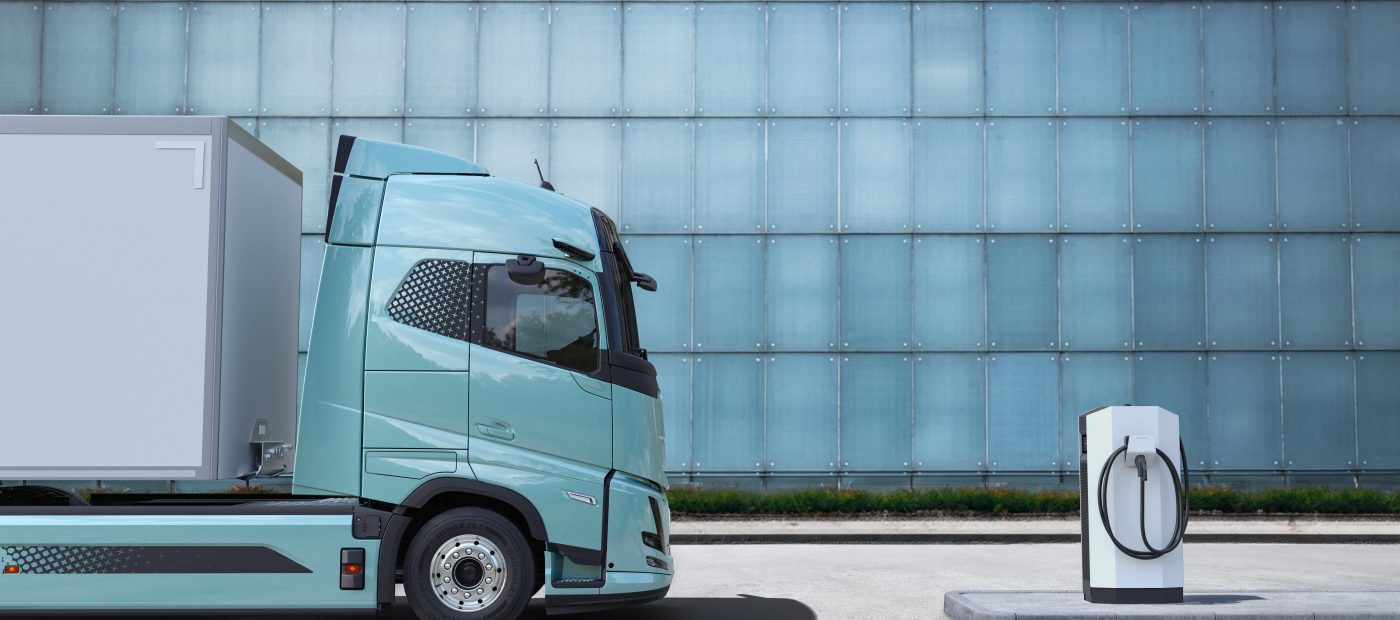
The Government’s Depot Charging Scheme reopens today
The Government’s Depot Charging Scheme opens for applications today, Wednesday 28 October. Fleet operators now have a second chance this financial year to win grant funding for depot chargepoints. Here is what the money covers, who can apply and when you need to act.
How much funding is available?
The scheme is part of a £170 million multi-year programme that runs to 2030. Ministers have set aside £66 million for two application windows this year. Window one offered £28 million for spending in 2026/27, and window two offers £38 million for spending in 2027/28. A further £104 million is reserved for windows in 2028/29 and 2029/30. Terms for those later rounds are still to come.
The scheme aims to support the uptake of zero-emission HGVs, vans and coaches by part-funding charging infrastructure at fleet depots. It does not pay for the vehicles themselves.
What are the funding limits?
Window one set the benchmark. It covered 70% of chargepoint and civil costs, up to a maximum of £1 million across all sites.
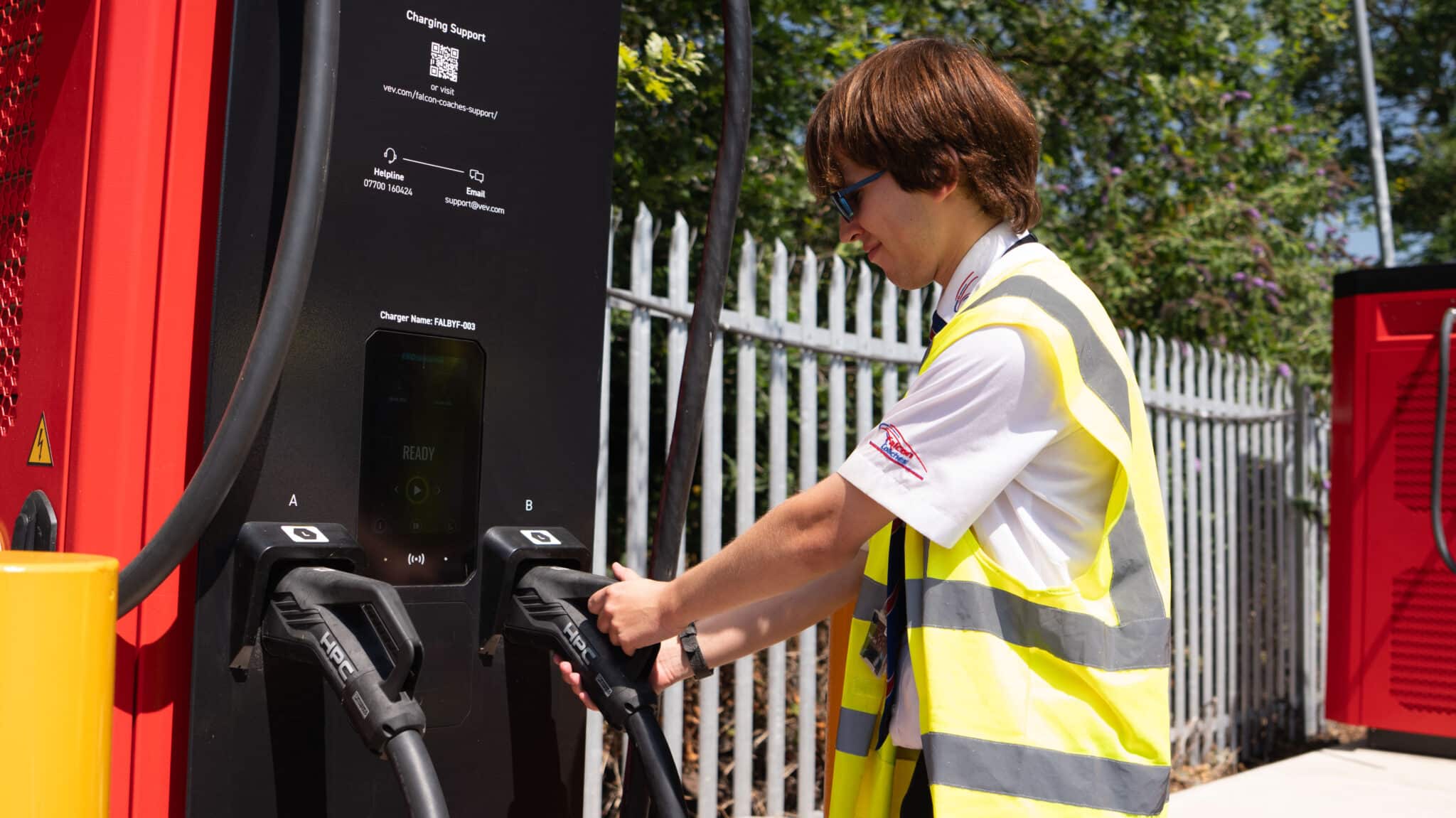
Operators should be careful before assuming the same terms apply now. The Government has not yet confirmed grant rates for this phase. It has said funding levels will fall over the programme’s lifetime as charging infrastructure becomes more affordable. Some suppliers expect the 70% rate and £1 million cap to continue. AMP EV, for example, tells fleets they can claim 70% up to £1 million. Treat that as a working assumption until the official terms appear on the Find a Grant service.
Each fleet should therefore build its business case around a lower grant rate. If the 70% rate does continue, the extra support becomes a bonus rather than a gamble.
What does the grant cover?
The grant pays for chargepoint hardware, civil engineering and electrical infrastructure inside the depot. It also covers battery energy storage that integrates with the charging system, and solar panels that power the chargepoints exclusively.
It does not fund vehicle purchases, grid connection upgrades or public charging. That exclusion matters, because the grid is often the biggest obstacle. AMP EV puts it bluntly: “the grid is the hardest part of going electric.” Contact your network operator early, because upgrade lead times can run well beyond the grant window.
Who can apply?
The criteria are broad. Applicants must be registered and operating in the UK. Both the organisation and its vehicle fleet must have operated for at least a year when they apply. Applicants must also own or lease at least one UK depot and use the funding only within the UK.
You also need electric vehicles in the picture. Eligible operators must have at least one existing or planned battery-electric van, HGV or coach. If you lease your depot, you will need landlord consent to install chargepoints where necessary.
The scheme is not limited to private hauliers. Councils, NHS trusts, public sector bodies, charities and non-profits running commercial vehicles can also apply.
Is there a limit on the number of depots?
No. There is no limit to the number of sites you can include, but each organisation can submit only one application. Plan carefully, because you cannot return with a second bid for other depots in the same window. A multi-site operator should gather the full scope, costs and timelines for every depot before it submits.
Remember too that any funding cap is likely to apply across all your sites combined. A large estate will therefore need to prioritise the depots where electrification will happen first.
When does the window close, and when must projects finish?
The window closes on 29 January 2027. Projects must start from April 2027 and finish by 31 March 2028.
Do not wait for the deadline. Officials assess applications on a first-come, first-served basis. In round one, the window could close early if funding ran out. The same could happen again, so an early, complete application gives you the best chance.
Timing of spend matters as well. Only costs incurred after you sign the Grant Funding Agreement are eligible, so no work should start before then. Ordering equipment or starting groundwork too soon could cost you the grant on those items.
How to prepare your application
Start with the basics. Survey your depots, map your vehicle plans and confirm how much power you need. Then speak to your distribution network operator about capacity, and get quotes for chargepoints and civil works.
Think beyond the immediate installation too. Jonny Berry, head of net zero transition at Novuna Vehicle Solutions, describes the scheme as a chance to “secure capacity” and build a longer-term electrification roadmap. That approach makes sense. A well-planned depot can accommodate more vehicles as your fleet grows, without costly rework.
What to do next
Check the official Find a Grant page for the final terms, and confirm the grant rate before you finalise your budget. If your depots meet the criteria, begin your application now rather than in January. The funding pot is limited, and early applicants have the strongest position.