
Coach House chooses Microlise to modernise transport operation
Wholesale furniture and home accessories supplier Coach House is investing in transport technology from Microlise as it looks to improve efficiency, visibility and customer service while creating a platform capable of supporting future growth.
The family-run business has selected Microlise’s Planning & Optimisation, Journey Management and SmartPOD solutions to modernise its transport operation. The technology will be introduced across Coach House’s HGV fleet, replacing paper-based processes and helping bring previously separate systems and workflows together.
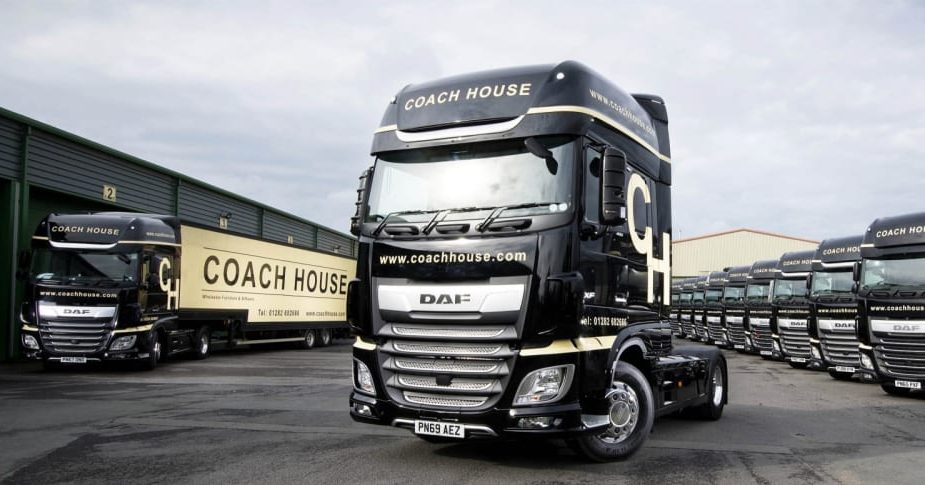
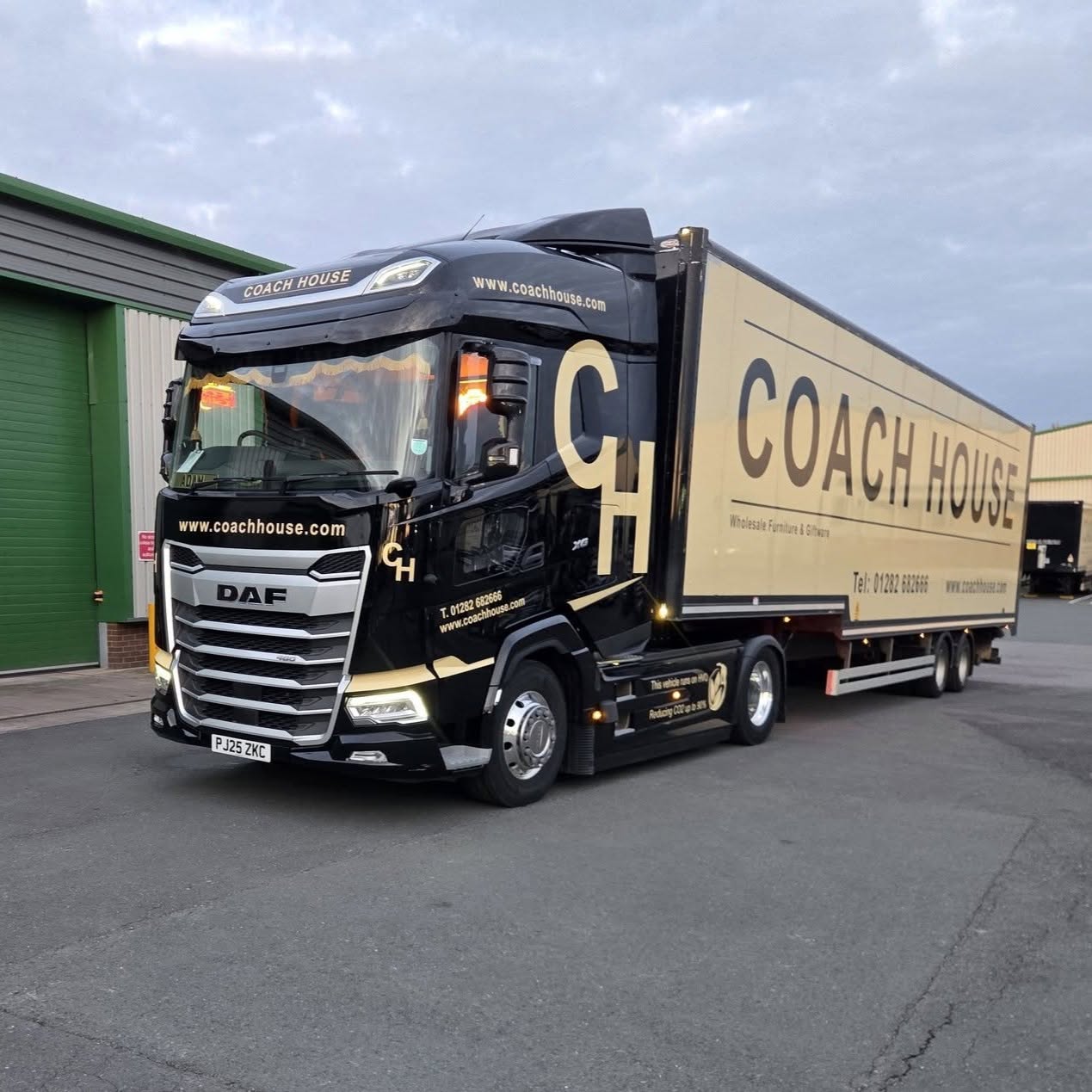
The move is significant for a business operating a substantial in-house delivery operation. Coach House says it completes around 28,000 deliveries each year, while its website currently describes a fleet of 25 DAF XF trucks providing a nationwide delivery service.
Bringing transport processes together
Coach House currently manages its transport operation through a combination of technology platforms and manual processes. While this approach has supported the company’s expansion, increasing operational demands have created a need for greater integration and more consistent access to information.
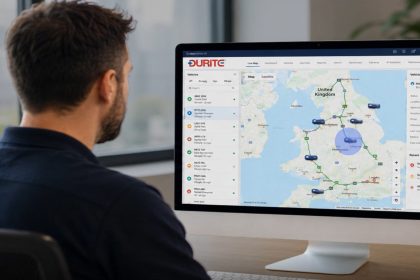
Microlise’s technology is intended to address these challenges by bringing journey management, electronic proof of delivery (ePOD) and scheduled-versus-actual fleet performance into a single system during the first phase of implementation.
For transport planners, this should mean less time spent managing administration and moving information between systems. Better access to operational data should also support more informed planning decisions and help Coach House make better use of its available vehicles and drivers.
The Planning & Optimisation solution is particularly important as the company seeks to improve fleet utilisation. By giving planners better visibility of available resources and planned activity, the technology can help create a more efficient transport operation while reducing duplicated effort.
Journey Management will provide greater visibility of deliveries throughout the transport process, while SmartPOD will replace paper-based proof-of-delivery procedures with digital workflows. Drivers will be able to complete delivery processes digitally, reducing paperwork and improving the speed and quality of information returning to the transport office.
Better information for customers
The benefits are not restricted to Coach House’s internal transport team. The implementation will also introduce SMS delivery notifications, allowing customers to receive more timely information about their deliveries.
For a furniture wholesaler, where deliveries can involve large and high-value products, reliable communication can be particularly important. Providing customers with clearer information about delivery progress should reduce uncertainty and potentially cut the number of enquiries requiring intervention from the transport or customer service teams.
Coach House supplies independent retailers, hoteliers, interior designers and property developers, with a product range covering furniture, lighting, accessories, outdoor living and other homewares. Its Lancashire operation includes more than 600,000 square feet of warehousing and around 10,000 product lines, underlining the scale and complexity of its distribution operation.
Building a scalable transport platform
The partnership is also about more than solving Coach House’s immediate transport challenges. The company is looking to establish a technology platform that can evolve alongside the business.
Nadeem Raza, Microlise chief executive, said: “Coach House has built a successful transport operation, and as the business continues to grow, it needs technology that can grow with it.
“By bringing key transport processes together, our technology will give the team greater visibility of deliveries while making day-to-day work simpler for planners and drivers.
“Just as importantly, it will provide a scalable foundation for Coach House to continue developing its transport operation as its requirements evolve.”
That scalability could prove one of the most important aspects of the project. The initial implementation creates the foundation for potential future deployment of Microlise technology covering compliance, fleet management, vehicle checks, tachograph management, telematics and camera technology.
This phased approach gives Coach House the opportunity to digitise its most pressing transport processes first, while retaining the flexibility to expand its use of technology as operational requirements change.
Danny Bovingdon, Coach House director, said: “Our transport operation has evolved alongside the growth of the business, and we want to build on that success by reducing manual processes and giving our team better visibility and information.
“Microlise stood out because it can support what we need today while giving us the flexibility to develop our transport technology over the longer term.
“We expect the new platform to help reduce planning and administration, improve visibility and utilisation across the fleet and give our customers better information about their deliveries.”
A practical step towards transport efficiency
Coach House’s decision illustrates the growing importance of integrated transport management technology for businesses operating their own fleets. As delivery volumes increase, manual processes and disconnected systems can become increasingly difficult to manage efficiently.
For Coach House, the Microlise implementation should provide a single, more consistent source of operational information, helping planners and drivers work more efficiently while giving management greater visibility of fleet performance.
The longer-term opportunity is potentially even greater. By creating a scalable digital foundation, Coach House can build additional fleet, compliance and telematics capabilities around the same platform rather than continually adding disconnected systems.
The agreement, signed in July 2026, therefore represents more than a technology upgrade. It is an investment in the transport infrastructure needed to support Coach House’s continued growth, improve fleet utilisation and deliver a more informed and responsive service to its customers.